

Choosing the right dog food can dramatically improve your pup’s health and happiness. This guide breaks down the top 4 health dog food ingredients—real meat, omega fatty acids, fiber-rich vegetables, and probiotics—so you can make informed choices. Learn how these nutrients support energy, digestion, skin, and immunity.
Key Takeaways
- Real meat as the first ingredient ensures high-quality protein for strong muscles and sustained energy.
- Omega-3 and omega-6 fatty acids promote shiny coats, healthy skin, and reduce inflammation.
- Fiber-rich vegetables like sweet potatoes and peas aid digestion and support gut health.
- Probiotics in dog food improve nutrient absorption and strengthen the immune system.
- Avoid fillers like corn and soy—they offer little nutrition and may cause allergies.
- Always check the ingredient list—whole foods should come before by-products or artificial additives.
- Consult your vet before switching foods, especially for puppies, seniors, or dogs with health conditions.
📑 Table of Contents
- Why Your Dog’s Diet Matters More Than You Think
- 1. Real Meat: The Foundation of a Healthy Diet
- 2. Omega Fatty Acids: Glowing Skin and a Shiny Coat
- 3. Fiber-Rich Vegetables: Digestive Health Made Easy
- 4. Probiotics: The Secret to a Strong Immune System
- What to Avoid: Common Ingredients That Hurt More Than Help
- Putting It All Together: Choosing the Right Food for Your Pup
Why Your Dog’s Diet Matters More Than You Think
Just like humans, dogs thrive on a balanced, nutrient-rich diet. What you feed your furry friend doesn’t just fill their belly—it shapes their energy levels, coat shine, digestion, and even mood. A poor diet can lead to obesity, allergies, lethargy, and long-term health issues like diabetes or joint problems. On the flip side, high-quality dog food packed with the right ingredients can add years to your pup’s life and life to their years.
But with so many brands and formulas on the market, it’s easy to feel overwhelmed. Marketing claims like “natural” or “premium” don’t always mean what you think. That’s why understanding the actual ingredients—not just the buzzwords—is key. In this guide, we’ll spotlight the top 4 health dog food ingredients that truly make a difference. These aren’t just trendy add-ons; they’re scientifically backed essentials that support your dog’s overall well-being.
1. Real Meat: The Foundation of a Healthy Diet
When it comes to dog nutrition, protein is king—and real meat is the best source. Dogs are omnivores with a strong carnivorous lean, meaning their bodies are designed to digest and thrive on animal-based proteins. Look for dog food that lists a named meat—like chicken, salmon, or beef—as the very first ingredient. This ensures your pup is getting high-quality protein to build strong muscles, maintain energy, and support organ function.
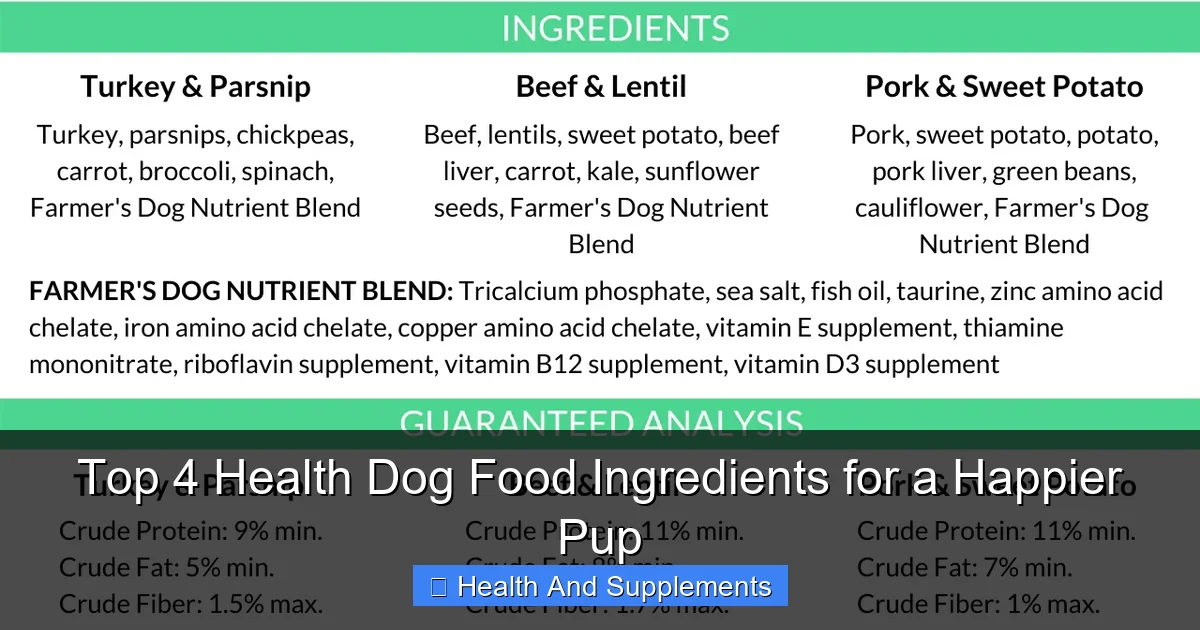
Visual guide about Top 4 Health Dog Food Ingredients for a Happier Pup
Image source: cdn.shopify.com
Why Named Meats Beat By-Products and Meal
You might see terms like “chicken meal” or “meat by-products” on labels. While these aren’t inherently bad, they’re less transparent. “Chicken meal” is concentrated protein from cooked chicken, which can be nutritious—but only if it’s specified. Vague terms like “meat meal” or “animal by-products” could include parts you’d rather not imagine. Always aim for whole, identifiable meats like deboned chicken or fresh salmon.
How Much Protein Does Your Dog Need?
The ideal protein level depends on your dog’s age, size, and activity level. Puppies and active adults need more—around 22–32% protein—while seniors may do well with slightly less. For example, a Border Collie who herds sheep all day will benefit from a high-protein kibble with real lamb or turkey. A senior Chihuahua, on the other hand, might thrive on a moderate-protein formula with easily digestible chicken.
Pro Tip: Rotate Protein Sources
Just like us, dogs can develop sensitivities to the same food over time. Rotating between different meats—like chicken, duck, and fish—can prevent allergies and keep meals exciting. Try mixing in a new protein every few months, but always transition slowly over 7–10 days to avoid upset stomachs.
2. Omega Fatty Acids: Glowing Skin and a Shiny Coat
If your dog’s coat looks dull or they’re constantly scratching, omega fatty acids might be the missing piece. These essential fats—especially omega-3 and omega-6—play a crucial role in skin health, inflammation control, and brain function. They’re not produced naturally by your dog’s body, so they must come from their diet.
Where to Find Omega Fatty Acids in Dog Food
Look for ingredients like fish oil, flaxseed, chia seeds, or salmon on the label. Fish oil is one of the richest sources of EPA and DHA, two powerful omega-3s that reduce itching, redness, and hot spots. Flaxseed provides ALA, a plant-based omega-3 that supports overall skin hydration. Many premium dog foods now include a balanced ratio of omega-6 to omega-3 (ideally around 5:1 to 10:1) to maximize benefits.
Real-World Results
Take Max, a Golden Retriever with chronic ear infections and flaky skin. After switching to a salmon-based kibble with added fish oil, his owner noticed a dramatic improvement within three weeks. His coat became softer, his itching decreased, and he even seemed more alert during walks. That’s the power of omega fatty acids at work.
Supplementing Wisely
While high-quality dog food should provide enough omegas, some dogs benefit from extra support. If your pup has severe skin issues or a dull coat, talk to your vet about adding a fish oil supplement. But don’t overdo it—too much can cause diarrhea or vitamin imbalances. Stick to vet-recommended dosages.
3. Fiber-Rich Vegetables: Digestive Health Made Easy
You might not think of veggies as a big deal in dog food, but they’re essential for smooth digestion and long-term gut health. Fiber helps regulate bowel movements, prevents constipation, and feeds the good bacteria in your dog’s gut. And unlike fillers like corn or wheat, nutrient-dense vegetables offer real health benefits.
Top Fiber-Rich Ingredients to Look For
Sweet potatoes, peas, carrots, pumpkin, and green beans are excellent choices. Sweet potatoes are packed with vitamins A and C, plus they’re gentle on sensitive stomachs. Pumpkin is a natural remedy for both diarrhea and constipation—just a spoonful can work wonders. Peas add fiber and plant-based protein, while carrots support eye health and dental hygiene.
How Fiber Supports Overall Health
A healthy gut means more than just regular poops. It’s linked to stronger immunity, better mood, and even reduced anxiety. Dogs with balanced gut bacteria are less likely to suffer from infections or food sensitivities. That’s why many veterinarians recommend diets rich in prebiotic fibers—like those found in chicory root or beet pulp—which act as food for beneficial gut bacteria.
Homemade Add-Ins for Extra Fiber
If your dog’s food is low in veggies, consider adding a small amount of cooked, plain vegetables to their meals. Steamed green beans or mashed pumpkin (not pie filling!) are safe and tasty options. Just avoid onions, garlic, and mushrooms, which are toxic to dogs. Start with a teaspoon per 10 pounds of body weight and adjust based on your dog’s response.
4. Probiotics: The Secret to a Strong Immune System
Probiotics are live beneficial bacteria that support digestive and immune health. While they’re more commonly associated with human yogurt, they’re just as important for dogs. A growing number of high-quality dog foods now include probiotics—and for good reason. These tiny microbes help break down food, absorb nutrients, and fight off harmful pathogens.
How Probiotics Work in Dogs
When your dog eats food with probiotics, these good bacteria take up residence in their gut. They crowd out bad bacteria, reduce inflammation, and strengthen the gut barrier. This is especially helpful for dogs with sensitive stomachs, those on antibiotics, or pups recovering from illness. Studies show that dogs on probiotic-rich diets have fewer digestive upsets and stronger immune responses.
What to Look for on the Label
Probiotics are often listed as “live cultures” or by their strain names, like Lactobacillus acidophilus or Bifidobacterium animalis. Make sure the food guarantees live cultures at the time of feeding—some products lose potency during storage. Refrigerated or freeze-dried raw foods often have higher probiotic counts than kibble, but many premium dry foods now use stabilized strains that survive the manufacturing process.
When to Consider a Probiotic Supplement
If your dog has recurring diarrhea, gas, or allergies, a probiotic supplement might help. Look for products specifically formulated for dogs—human probiotics aren’t always safe or effective. Brands like FortiFlora or Proviable are vet-recommended and come in easy-to-use powder or chew forms. Always introduce supplements gradually and monitor your dog’s reaction.
What to Avoid: Common Ingredients That Hurt More Than Help
Even the best dog food can be undermined by harmful or low-value ingredients. While the top 4 health dog food ingredients support wellness, others can cause allergies, obesity, or digestive issues. Here’s what to steer clear of:
- Artificial preservatives like BHA, BHT, and ethoxyquin—linked to cancer and organ damage.
- Fillers such as corn, soy, and wheat—often used to bulk up food with little nutrition.
- By-products without a named source—could include feathers, beaks, or low-quality meat trimmings.
- Artificial colors and flavors—serve no nutritional purpose and may trigger hyperactivity or allergies.
- Excessive carbohydrates—dogs don’t need high levels of grains or starches; too many can lead to weight gain.
Instead, choose foods with short, readable ingredient lists. If you can’t pronounce it or don’t know what it is, it’s probably not ideal. Remember: whole foods first, additives last.
Putting It All Together: Choosing the Right Food for Your Pup
Now that you know the top 4 health dog food ingredients, it’s time to put that knowledge into action. Start by reading labels carefully. The first few ingredients should include real meat, omega-rich oils, vegetables, and probiotics. Avoid brands that lead with grains, by-products, or artificial junk.
Consider your dog’s individual needs. A high-energy working dog might thrive on a salmon and sweet potato formula with added glucosamine for joints. A small breed with a sensitive stomach could do better with a limited-ingredient diet featuring duck and pumpkin. And don’t forget to factor in life stage—puppy, adult, and senior formulas are tailored to different nutritional demands.
Finally, transition slowly. Sudden diet changes can upset your dog’s stomach. Mix the new food with the old over 7–10 days, gradually increasing the ratio. Watch for signs of improvement—shinier coat, better poops, more energy—and celebrate the small wins. A healthier diet isn’t just about longevity; it’s about giving your pup the happiest, most vibrant life possible.
Frequently Asked Questions
What are the best sources of protein in dog food?
The best sources are named, whole meats like chicken, beef, salmon, or lamb listed as the first ingredient. Avoid vague terms like “meat meal” or “animal by-products.”
Can dogs be allergic to certain ingredients?
Yes, common allergens include chicken, beef, dairy, wheat, and soy. If your dog has itching, ear infections, or digestive issues, consider a limited-ingredient diet or allergy testing.
How often should I switch my dog’s food?
You don’t need to switch often. Rotate protein sources every few months to prevent sensitivities, but avoid frequent changes unless advised by your vet.
Are grain-free diets better for dogs?
Not necessarily. Grain-free diets can be helpful for dogs with grain allergies, but recent studies suggest a link between certain grain-free foods and heart disease. Always consult your vet.
Can I make homemade dog food with these ingredients?
Yes, but it’s tricky to balance nutrients. If you choose homemade meals, work with a veterinary nutritionist to ensure your dog gets all essential vitamins and minerals.
How do I know if my dog’s food is high quality?
Look for whole, recognizable ingredients, a named meat as the first item, and no artificial additives. Check for AAFCO (Association of American Feed Control Officials) statements on the label for nutritional adequacy.