

Keeping your dog at a healthy weight is one of the best things you can do for their long-term health. With the right diet, portion control, and lifestyle changes, you can help your pup live a longer, happier life. These 4 health dog food weight management tips are simple, effective, and vet-approved.
Key Takeaways
- Choose high-quality, low-calorie dog food: Look for formulas with lean proteins, fiber, and no fillers to support satiety and metabolism.
- Measure meals accurately: Overfeeding is a common cause of obesity—use a measuring cup and follow feeding guidelines.
- Limit treats and table scraps: Treats should make up no more than 10% of your dog’s daily caloric intake.
- Increase physical activity: Daily walks, playtime, and mental stimulation help burn calories and improve mood.
- Monitor weight and adjust as needed: Weigh your dog regularly and consult your vet to track progress and avoid underfeeding.
- Consider weight management formulas: Specialized dog foods are designed to help dogs lose or maintain weight safely.
- Hydration is key: Always provide fresh water, especially when increasing fiber or activity levels.
📑 Table of Contents
- Why Weight Management Matters for Your Dog’s Health
- Tip 1: Choose the Right Dog Food for Weight Management
- Tip 2: Measure Meals and Stick to a Feeding Schedule
- Tip 3: Rethink Treats and Table Scraps
- Tip 4: Boost Activity and Mental Stimulation
- Monitor Progress and Work with Your Vet
- Conclusion: A Healthier, Happier Pup Starts with You
Why Weight Management Matters for Your Dog’s Health
Just like humans, dogs can suffer from the negative effects of being overweight. Carrying extra pounds puts strain on their joints, heart, and organs, and can lead to serious conditions like diabetes, arthritis, and breathing problems. In fact, studies show that overweight dogs live, on average, 1.8 years less than their healthy-weight peers. That’s a big chunk of time you could be missing out on with your furry best friend.
But the good news? Weight management is one of the most effective ways to improve your dog’s quality of life. A healthy weight means more energy, better mobility, and fewer vet visits. And it all starts with what you put in their bowl. The right dog food, combined with smart feeding habits and regular exercise, can make a world of difference. In this guide, we’ll walk you through 4 health dog food weight management tips that are practical, science-backed, and easy to implement.
Tip 1: Choose the Right Dog Food for Weight Management
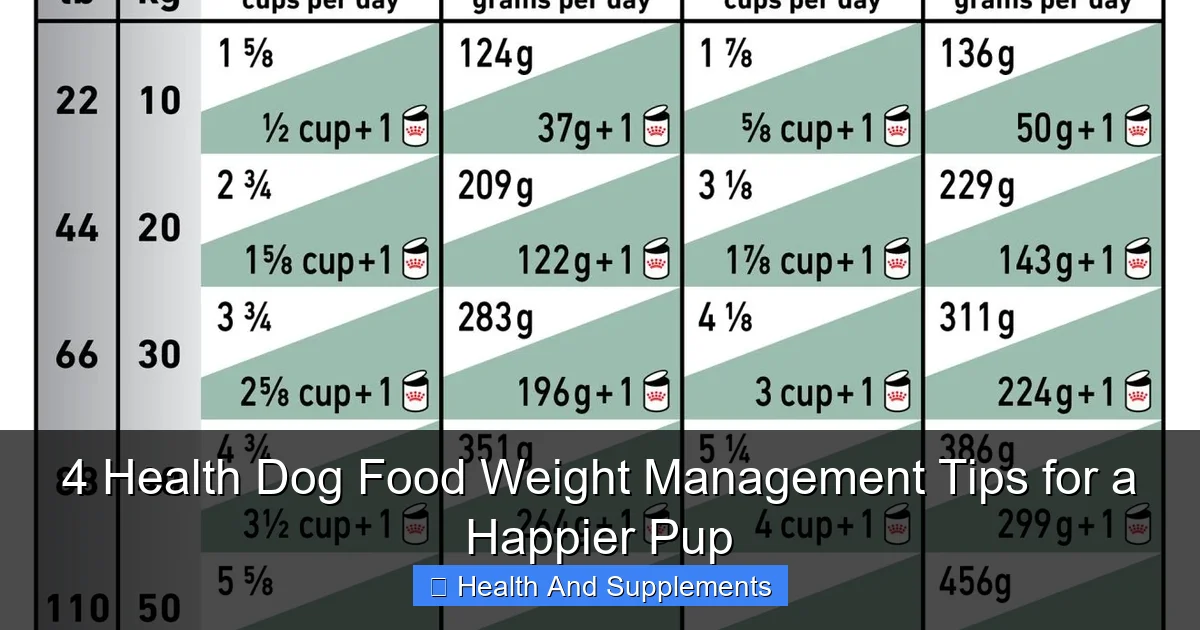
Visual guide about 4 Health Dog Food Weight Management Tips for a Happier Pup
Image source: cdn.royalcanin-weshare-online.io
Not all dog foods are created equal—especially when it comes to weight control. Many commercial brands are packed with fillers, artificial additives, and excessive carbohydrates that contribute to weight gain. Instead, look for high-quality dog food specifically formulated for weight management.
What to Look for on the Label
When shopping for weight management dog food, check the ingredient list. The first ingredient should be a high-quality protein source like chicken, turkey, or fish. Avoid foods that list corn, soy, or wheat as primary ingredients—these are often used as cheap fillers and can spike blood sugar.
Also, look for added fiber. Ingredients like pumpkin, sweet potato, and beet pulp help your dog feel full longer without adding extra calories. Fiber also supports healthy digestion, which is important during weight loss.
Calorie Density Matters
Not all kibble has the same calorie count. A cup of regular dog food might have 400 calories, while a weight management formula could have 300 or fewer. This means you can feed the same volume without overloading your dog with energy they don’t burn.
For example, a 50-pound dog might need about 800 calories per day to maintain a healthy weight. If they’re overweight, that number drops to around 600–650. Switching to a low-calorie formula allows you to feed a satisfying portion while still creating a calorie deficit.
Wet vs. Dry Food: Which Is Better?
Both wet and dry foods can support weight loss, but they have different benefits. Wet food is lower in calories per volume and has higher water content, which helps with hydration and fullness. Dry food is convenient and often more affordable, and some weight management kibbles are designed to expand in the stomach, promoting satiety.
Many pet owners find success with a mix—using dry kibble for meals and wet food as a topper or treat. Just be sure to adjust portions so you’re not doubling the calories.
Tip 2: Measure Meals and Stick to a Feeding Schedule
One of the most common mistakes dog owners make is free-feeding—leaving food out all day or “eyeballing” portions. This leads to overeating and makes it nearly impossible to track calorie intake.
Use a Measuring Cup—Every Time
Even if you think you’re good at estimating, a measuring cup ensures consistency. A standard 8-ounce cup might seem small, but it’s easy to overfill. Use a kitchen scale for even greater accuracy, especially with wet food or homemade meals.
For example, if your dog’s daily intake is 2 cups of kibble, split it into two meals of 1 cup each. This helps regulate blood sugar and prevents hunger between meals.
Follow Feeding Guidelines—But Adjust as Needed
Dog food packages include feeding charts based on weight and activity level. These are a great starting point, but every dog is different. A senior dog with low activity will need fewer calories than a young, active one—even if they weigh the same.
After a few weeks on a new food, assess your dog’s body condition. You should be able to feel their ribs without pressing hard, and they should have a visible waist when viewed from above. If they’re still gaining weight, reduce portions slightly. If they’re losing too fast, add a little more.
Avoid Free-Feeding and Snacking
Leaving food out all day encourages grazing, which can lead to weight gain. Instead, feed at the same times each day—morning and evening are ideal. This also helps with house training and digestion.
And remember: every bite counts. A few extra kibbles here and there add up. Stick to measured meals and save treats for training or special moments.
Tip 3: Rethink Treats and Table Scraps
We all love spoiling our dogs, but treats and human food can sabotage even the best weight management plan. In fact, treats should make up no more than 10% of your dog’s daily calories.
Choose Healthy, Low-Calorie Treats
Instead of giving high-fat, high-sugar treats, opt for healthier options. Carrots, green beans, and apple slices (without seeds) are great low-calorie snacks. You can also find commercial treats under 10 calories each—perfect for training.
For example, instead of giving a 50-calorie biscuit, break a 10-calorie training treat into smaller pieces. Your dog won’t notice the difference, but you’ll save 40 calories.
Say No to Table Scraps
It’s tempting to share your dinner, but human food is often too rich, salty, or fatty for dogs. Even “healthy” foods like cheese or bread can add hundreds of extra calories per week.
If you want to reward your dog during meals, consider using a portion of their regular kibble as a treat. This way, you’re not adding extra calories, and they still feel rewarded.
Use Treats Strategically
Treats are powerful training tools, but they should be used wisely. If you’re doing a lot of training in one session, use smaller treats or break them into pieces. You can also use puzzle toys filled with kibble to make mealtime more engaging and slow down eating.
Tip 4: Boost Activity and Mental Stimulation
Diet is only half the equation—exercise is just as important for weight management. A sedentary lifestyle slows metabolism and increases fat storage, even if your dog is eating the right amount of food.
Daily Walks Are a Must
Most dogs need at least 30 minutes of moderate exercise per day. This could be a brisk walk, a jog, or playing fetch in the yard. Larger, more active breeds may need 60 minutes or more.
Start slow if your dog is overweight or out of shape. Begin with 10–15 minute walks and gradually increase the duration and intensity. Over time, you’ll notice improved stamina and muscle tone.
Make Playtime Count
Interactive games like tug-of-war, hide-and-seek, or agility courses burn calories and strengthen your bond. Use toys that encourage movement, like balls, frisbees, or flirt poles.
Mental stimulation is also key. Puzzle feeders, snuffle mats, and treat-dispensing toys keep your dog engaged and can help prevent boredom eating.
Consider Swimming or Doggy Daycare
Swimming is a low-impact, high-calorie-burning activity that’s easy on the joints—perfect for overweight or arthritic dogs. Many pet stores and veterinary clinics offer hydrotherapy programs.
Doggy daycare or group walks can also provide socialization and extra exercise. Just make sure the environment is safe and your dog is comfortable around other pets.
Monitor Progress and Work with Your Vet
Weight loss should be gradual—about 1–2% of body weight per week. Losing too fast can lead to muscle loss or liver problems, especially in larger breeds.
Weigh Your Dog Regularly
Invest in a pet scale or visit your vet every 4–6 weeks to track progress. Keep a simple log of weight, food intake, and activity level. This helps you see patterns and make adjustments.
Watch for Signs of Success
Besides the number on the scale, look for other improvements: better energy, easier movement, shinier coat, and better breath. These are all signs that your dog is getting healthier.
Consult Your Veterinarian
Before starting any weight loss plan, talk to your vet. They can rule out underlying health issues like hypothyroidism or Cushing’s disease, which can cause weight gain. They can also recommend the best diet and exercise plan for your dog’s age, breed, and health status.
In some cases, your vet may suggest prescription weight management food, which is specially formulated for safe, effective weight loss.
Conclusion: A Healthier, Happier Pup Starts with You
Helping your dog maintain a healthy weight isn’t just about looks—it’s about giving them the gift of a longer, more active life. By choosing the right dog food, measuring meals, limiting treats, and increasing activity, you’re setting them up for success.
Remember, small changes add up. You don’t need to overhaul everything overnight. Start with one tip—like switching to a weight management formula or measuring meals—and build from there. Your dog will thank you with wagging tails, playful zoomies, and years of love by your side.
With these 4 health dog food weight management tips, you’re not just feeding your dog—you’re fueling a happier, healthier life.
Frequently Asked Questions
How much should I feed my overweight dog?
Start with the feeding guidelines on the dog food package, then adjust based on your dog’s weight loss progress. Most overweight dogs need 20–30% fewer calories than their maintenance amount. Always consult your vet for personalized advice.
Can I feed my dog a raw diet for weight loss?
Raw diets can support weight management if properly balanced, but they require careful planning to avoid nutritional deficiencies. Talk to your vet or a veterinary nutritionist before making the switch.
How long will it take for my dog to lose weight?
Healthy weight loss is about 1–2% of body weight per week. For a 60-pound dog, that’s 0.6 to 1.2 pounds per week. It may take several months to reach the ideal weight, depending on how much they need to lose.
Are grain-free diets better for weight management?
Not necessarily. Grain-free diets aren’t inherently lower in calories and may contain higher fat or potato content. Focus on calorie density and ingredient quality rather than grain content.
What if my dog is still hungry after meals?
Try adding low-calorie vegetables like green beans or pumpkin to their meals for extra bulk and fiber. You can also switch to a higher-fiber weight management food to increase satiety.
Can senior dogs lose weight safely?
Yes, but it should be done slowly and under veterinary supervision. Older dogs may have slower metabolisms and joint issues, so diet and exercise plans should be tailored to their needs.