

Huskies are more than just strikingly beautiful dogs with icy blue eyes and thick, wolf-like coats—they’re high-energy, intelligent, and athletic working dogs originally bred for endurance in harsh Arctic climates. Whether you’re pulling a sled across snowy tundras or simply enjoying a brisk morning jog through your neighborhood, your Husky demands a diet that matches their unique physiology and lifestyle. Feeding your Siberian Husky the right food isn’t just about keeping them full—it’s about supporting their metabolism, coat health, joint integrity, and overall vitality. With so many dog food brands flooding the market, each claiming to be “the best,” it’s easy to feel overwhelmed. That’s why this comprehensive guide exists: to cut through the noise and help you make an informed, confident decision about what to feed your loyal companion.
In this expert-level buying guide, you’ll learn exactly what makes a dog food ideal for Huskies, from protein sources and fat content to ingredient quality and digestibility. We’ll walk you through the key nutritional factors that matter most for this breed, compare different types of dog food (kibble, wet, raw, and freeze-dried), and highlight common pitfalls to avoid—like falling for marketing gimmicks or overlooking hidden fillers. You’ll also find practical budgeting advice, seasonal feeding tips, and answers to frequently asked questions based on real-world experience and veterinary insights. By the end, you’ll have a clear roadmap to choose the best dog food brand for your Husky in 2026—one that supports their energy needs, promotes long-term health, and fits your lifestyle and wallet.
The dog food market has exploded in recent years, with hundreds of brands offering everything from grain-free formulas to limited-ingredient diets and even fresh, human-grade meals delivered to your door. While variety is great, it also means more confusion for pet parents trying to do right by their furry family members. For Huskies—who have specific dietary sensitivities, high caloric needs, and a tendency toward certain health issues like hip dysplasia and skin allergies—choosing the wrong food can lead to digestive upset, dull coats, weight gain, or even chronic conditions down the line. This guide cuts through the marketing fluff and focuses on science-backed nutrition, transparency, and real results. Whether you’re a first-time Husky owner or a seasoned breeder, you’ll find actionable advice tailored to your dog’s unique needs.

What to Look for When Buying Buying Guide
1. High-Quality Animal Protein as the First Ingredient
Huskies are active, muscular dogs with a fast metabolism, which means they require a diet rich in high-quality animal protein to maintain lean muscle mass and fuel their daily adventures. Look for dog foods where a named meat source—such as deboned chicken, turkey, lamb, or salmon—is listed as the very first ingredient. Avoid vague terms like “meat meal” or “animal by-products,” which can include low-quality or inconsistent protein sources. The Association of American Feed Control Officials (AAFCO) recommends that adult dog foods contain at least 18% protein, but for active breeds like Huskies, aiming for 25–30% is ideal. High-protein diets also support healthy skin and coat, which is especially important for Huskies with their dense double coats.
2. Healthy Fats for Energy and Coat Health
Fats are a concentrated source of energy and are essential for Huskies, who burn calories quickly due to their high activity levels. Look for foods containing omega-3 and omega-6 fatty acids, particularly from sources like salmon oil, flaxseed, and chicken fat. These fats support brain function, reduce inflammation, and keep your Husky’s coat shiny and skin healthy. A fat content of 12–18% is generally appropriate for adult Huskies, though active or working dogs may benefit from the higher end of that range. Avoid foods with excessive vegetable oils or unnamed “animal fats,” as these can be low-quality or rancid.
3. Digestible Carbohydrates and Fiber
While Huskies don’t need large amounts of carbohydrates, they do benefit from easily digestible sources that provide sustained energy without spiking blood sugar. Sweet potatoes, peas, lentils, and oats are excellent choices. These ingredients also contribute dietary fiber, which supports healthy digestion and helps regulate bowel movements—important for a breed prone to sensitive stomachs. Avoid foods heavy in corn, soy, or wheat, which are common allergens and can cause gas, bloating, or skin irritation in some Huskies. A fiber content of 3–5% is ideal for maintaining gut health without causing loose stools.
4. Grain-Inclusive vs. Grain-Free: What’s Best for Huskies?
The grain-free debate has been a hot topic in dog nutrition, but recent studies have raised concerns about a potential link between grain-free diets and dilated cardiomyopathy (DCM) in dogs. For Huskies, who are not typically prone to grain allergies, grain-inclusive diets are often the safer and more balanced choice. Whole grains like brown rice, barley, and quinoa provide valuable nutrients, fiber, and energy. That said, if your Husky has a diagnosed grain allergy or sensitivity, a carefully formulated grain-free diet with alternative carb sources (like potatoes or chickpeas) may be appropriate—but always consult your vet first.
5. Joint Support Ingredients
Huskies are predisposed to joint issues like hip and elbow dysplasia, especially as they age. Look for dog foods that include glucosamine and chondroitin, which support cartilage health and joint mobility. Some premium brands also add green-lipped mussel, turmeric, or MSM (methylsulfonylmethane) for additional anti-inflammatory benefits. These ingredients are particularly valuable for active Huskies who put extra strain on their joints during running, hiking, or pulling activities. Starting joint support early—even in young dogs—can help prevent problems later in life.
6. No Artificial Additives or Fillers
High-quality dog food should be free from artificial colors, flavors, and preservatives like BHA, BHT, and ethoxyquin. These chemicals have been linked to health issues in dogs, including allergies, digestive upset, and even cancer. Instead, look for natural preservatives such as mixed tocopherols (vitamin E) or rosemary extract. Also, avoid foods with excessive fillers like corn gluten meal, soybean meal, or brewers rice, which offer little nutritional value and can contribute to weight gain. A clean ingredient list with recognizable, whole-food components is a strong indicator of a superior product.
7. Breed-Specific or Activity-Level Formulations
Some dog food brands offer formulas tailored to specific breeds or activity levels, which can be beneficial for Huskies. Look for labels that mention “high-energy,” “active breed,” or “working dog” on the packaging. These formulas are typically higher in protein and fat to meet the demands of athletic dogs. Additionally, some brands offer large-breed formulas that support joint health and controlled growth—useful if you have a growing Husky puppy. While not essential, these specialized diets can provide peace of mind that your dog’s unique needs are being addressed.
8. Transparency and Brand Reputation
Not all dog food companies are created equal when it comes to sourcing, manufacturing, and transparency. Choose brands that clearly disclose their ingredient sources, manufacturing locations, and quality control practices. Reputable companies often conduct feeding trials, publish nutritional research, and are willing to answer customer questions. Look for brands that are members of the Pet Food Institute or have AAFCO statements on their packaging. Reading customer reviews and checking for recalls can also give you insight into a brand’s reliability and consistency.
Different Types of Buying Guide

Common Buying Mistakes to Avoid
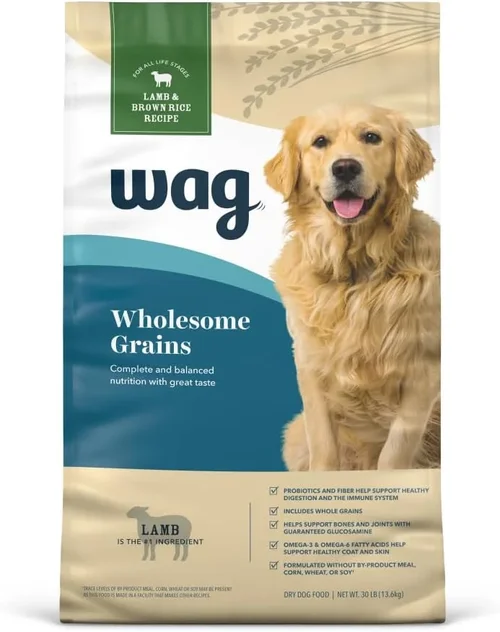
❌ Mistake: Choosing Based on Marketing Claims Alone
Why it’s bad: Phrases like “grain-free,” “natural,” or “premium” are not regulated and can be used loosely by manufacturers. A bag may boast “real chicken” but list it third after corn and wheat, making it a low-protein filler. Relying on packaging instead of the ingredient list can lead to poor nutrition.
What to do instead: Always read the ingredient list and guaranteed analysis. Look for named meats first, minimal fillers, and AAFCO compliance. Use tools like the Dog Food Advisor website to compare brands objectively.
❌ Mistake: Overfeeding or Underfeeding
Why it’s bad: Huskies are prone to obesity if overfed, which strains their joints and shortens lifespan. Conversely, underfeeding active Huskies can lead to muscle loss, low energy, and poor coat condition. Many owners misjudge portion sizes based on generic feeding charts.
What to do instead: Use your dog’s body condition score (BCS) as a guide—you should be able to feel ribs without seeing them. Adjust portions based on activity level, age, and weight trends. Consult your vet for personalized recommendations.
❌ Mistake: Ignoring Food Transition Guidelines
Why it’s bad: Switching dog food too quickly can cause diarrhea, vomiting, or refusal to eat. Huskies, in particular, can have sensitive stomachs, and abrupt changes may trigger digestive upset.
What to do instead: Transition gradually over 7–10 days, mixing increasing amounts of the new food with the old. Start with 25% new food and 75% old, then shift to 50/50, then 75/25, before going 100% new.
❌ Mistake: Feeding Puppy Food to Adult Huskies Indefinitely
Why it’s bad: Puppy formulas are higher in calories, fat, and calcium, which can lead to rapid growth and joint problems in large breeds like Huskies. Feeding puppy food to adults can cause weight gain and nutritional imbalances.
What to do instead: Switch to an adult formula around 12–14 months of age. Choose a large-breed adult formula if available, as it supports controlled growth and joint health.
❌ Mistake: Not Considering Life Stage and Activity Level
Why it’s bad: A sedentary senior Husky has very different nutritional needs than a 2-year-old agility competitor. Using a one-size-fits-all approach can result in undernutrition or excess weight.
What to do instead: Select a formula matched to your dog’s life stage (puppy, adult, senior) and activity level (low, moderate, high). Adjust feeding amounts accordingly and monitor body condition regularly.
❌ Mistake: Overlooking Hydration Needs
Why it’s bad: Huskies are prone to urinary issues, and dry kibble provides minimal moisture. Relying solely on kibble without ensuring adequate water intake can lead to dehydration or bladder stones.
What to do instead: Always provide fresh, clean water. Consider adding wet food, bone broth, or water to kibble to increase moisture intake, especially in hot weather or after exercise.
❌ Mistake: Buying the Cheapest Option Without Evaluating Quality
Why it’s bad: Budget foods often use low-quality proteins, fillers, and artificial additives. While they may be affordable upfront, they can lead to health problems, vet bills, and higher long-term costs.
What to do instead: Focus on value, not just price. A mid-range food with high-quality ingredients may cost more per bag but feed better and reduce health risks. Calculate cost per pound and per meal to compare fairly.
Budget Guidelines: How Much Should You Spend?
- Entry-Level ($20–$35 per 30-lb bag): These foods often contain meat by-products, corn, and soy. While they meet basic AAFCO standards, they may lack optimal nutrition for active Huskies. Best for temporary use or supplemental feeding, but not recommended as a long-term solution.
- Mid-Range ($35–$55 per 30-lb bag): This is the sweet spot for most Husky owners. These brands offer named meat proteins, digestible carbs, and added supplements like glucosamine and omega fatty acids. Examples include Wellness Core, Blue Buffalo Life Protection, and Nutro Wholesome Essentials. They balance quality and affordability.
- Premium ($55–$80 per 30-lb bag): These foods use human-grade ingredients, novel proteins (like duck or venison), and minimal processing. Brands like Orijen, Acana, and Taste of the Wild fall here. Ideal for owners who prioritize ingredient quality and are willing to invest in long-term health.
- Luxury ($80+ per bag or subscription-based): Includes fresh, raw, or freeze-dried options from brands like The Farmer’s Dog, Nom Nom, or Stella & Chewy’s. These diets offer maximum nutrient retention and customization but come at a high cost. Best for owners with the budget and commitment to feeding a biologically appropriate diet.

Expert Tips for Getting the Best Deal
- Buy in Bulk During Sales: Stock up on kibble during seasonal promotions (Black Friday, end-of-summer sales) or subscribe to auto-ship programs for discounts. Just ensure you have proper storage to maintain freshness.
- Compare Online Retailers: Prices can vary significantly between Chewy, Amazon, Petco, and direct-from-brand websites. Use price-tracking tools like Honey or CamelCamelCamel to find the best deals.
- Look for Loyalty Programs: Many pet stores offer rewards points, free shipping, or birthday discounts. Sign up for newsletters to get exclusive promo codes.
- Check for Manufacturer Rebates: Some premium brands offer mail-in rebates or free sample packs. Visit company websites or call customer service to inquire.
- Consider Mixing Food Types: Combine a high-quality kibble with occasional wet food or toppers to boost nutrition and palatability without breaking the bank.
- Read Return Policies: If your Husky doesn’t like a new food, you want to be able to return it. Chewy and Petco often have generous return windows.
- Test Small Bags First: Before committing to a 30-pound bag, buy a smaller size or request a sample to see how your dog reacts.
- Monitor Your Dog’s Response: The best food is one your Husky digests well, enjoys eating, and thrives on. Track energy levels, coat shine, stool quality, and weight to assess effectiveness.

Frequently Asked Questions
Q: Can Huskies eat grain-free food?
A: Yes, but it’s not necessary unless your dog has a diagnosed grain allergy. Recent FDA investigations suggest a potential link between grain-free diets and heart disease in dogs, so grain-inclusive options are generally safer for Huskies.
Q: How much should I feed my Husky per day?
A: Most adult Huskies need 1.5 to 2.5 cups of high-quality kibble per day, split into two meals. Adjust based on weight, age, and activity level. Always refer to the feeding guidelines on the package and consult your vet.
Q: Is raw food safe for Huskies?
A: Raw diets can be safe and beneficial when properly balanced, but they require careful handling to avoid bacterial contamination. Consult a veterinary nutritionist to ensure the diet meets all nutritional needs.
Q: Should I feed my Husky puppy food until they’re 2 years old?
A: No. Large-breed puppies like Huskies should transition to adult food around 12–14 months to prevent rapid growth and joint problems. Use a large-breed puppy formula until then.
Q: Can I mix different dog food brands?
A: Yes, but do so gradually to avoid digestive upset. Mixing can help transition foods or add variety, but ensure both brands are nutritionally complete.
Q: How often should I change my Husky’s food?
A: There’s no need to change food unless your dog has allergies, digestive issues, or you’re upgrading quality. Frequent changes can upset their stomach. Stick with what works unless advised otherwise by your vet.
Q: What ingredients should I avoid in Husky food?
A: Avoid artificial preservatives (BHA, BHT), corn syrup, unnamed meat meals, and excessive fillers like corn and soy. Also, be cautious with high-carb, low-protein formulas.
Q: Is it okay to feed my Husky table scraps?
A: Occasional small amounts of dog-safe foods (like plain cooked chicken or carrots) are fine, but avoid fatty, salty, or spicy human food. Chocolate, grapes, onions, and garlic are toxic.
Q: How can I tell if my Husky is allergic to their food?
A: Signs include itching, ear infections, diarrhea, vomiting, or excessive gas. If you suspect a food allergy, work with your vet to try an elimination diet with a novel protein source.
Q: Should I add supplements to my Husky’s diet?
A: Most high-quality dog foods are complete and balanced, so supplements aren’t necessary. However, omega-3 fatty acids, glucosamine, or probiotics may help specific conditions—always consult your vet first.
Our Final Recommendations
- Best for Budget-Conscious Buyers: Blue Buffalo Life Protection Formula – Offers real deboned chicken, whole grains, and added vitamins at a reasonable price. A reliable choice for everyday feeding.
- Best Overall Value: Wellness Core Grain-Free Original – High protein (34%), rich in omega fatty acids, and free from fillers. Great for active Huskies and those with sensitive stomachs.
- Best Premium Option: Orijen Original – Biologically appropriate with 85% animal ingredients, including fresh regional meats. Ideal for owners who want the best for their dog’s long-term health.
- Best for Beginners: Nutro Wholesome Essentials – Easy-to-digest, with simple ingredients and clear feeding guidelines. A safe, trustworthy choice for new Husky owners.
- Best for Advanced Users: The Farmer’s Dog – Fresh, human-grade meals customized to your dog’s profile. Requires a subscription but offers unparalleled quality and convenience for dedicated pet parents.
Conclusion: Making the Right Choice
Choosing the best dog food for your Husky is one of the most important decisions you’ll make as a pet parent. It’s not just about filling their bowl—it’s about fueling their energy, supporting their health, and enhancing their quality of life. From understanding the importance of high-quality protein and healthy fats to avoiding common pitfalls like overfeeding or falling for marketing hype, this guide has equipped you with the knowledge to make a confident, informed choice. Remember, every Husky is unique. What works for one may not work for another, so pay attention to your dog’s individual needs, preferences, and responses.
Prioritize transparency, ingredient quality, and nutritional balance over flashy packaging or trendy labels. Whether you opt for a trusted mid-range kibble or invest in a premium fresh food plan, the goal is the same: a happy, healthy, thriving Husky. Use the tips, comparisons, and recommendations in this guide to find the perfect match for your furry friend. And don’t hesitate to consult your veterinarian—especially if your dog has special health concerns. With the right food, your Husky will not only look their best but feel their best, ready for every adventure life has to offer. Start today, and give your loyal companion the nutrition they deserve.