

When it comes to feeding bully breeds—such as American Bullies, Pit Bulls, Staffordshire Terriers, and other muscular, high-energy dogs—nutrition isn’t just about filling their bowl. It’s about fueling a powerful body, supporting joint health, maintaining lean muscle mass, and promoting long-term vitality. These breeds are genetically predisposed to strength, agility, and endurance, but they also face unique health challenges like hip dysplasia, skin sensitivities, and obesity if not properly nourished. That’s why choosing the right dog food isn’t a minor decision—it’s a foundational one that can impact your dog’s lifespan, behavior, and overall quality of life.
In this comprehensive buying guide, you’ll learn exactly what to look for when selecting the best dog food for bully breeds in 2026. We’ll break down the critical nutritional needs of these muscular canines, compare top-performing brands, highlight common pitfalls to avoid, and provide expert-backed recommendations tailored to different budgets and lifestyles. Whether you’re a first-time bully owner or a seasoned enthusiast, this guide will equip you with the knowledge to make an informed, confident choice. The market is flooded with options—from grain-free kibble to raw diets and everything in between—but not all are created equal. Our goal is to cut through the noise and help you find a formula that truly supports your dog’s health, energy, and happiness.

What to Look for When Buying Dog Food for Bully Breeds
1. High-Quality Animal Protein as the First Ingredient
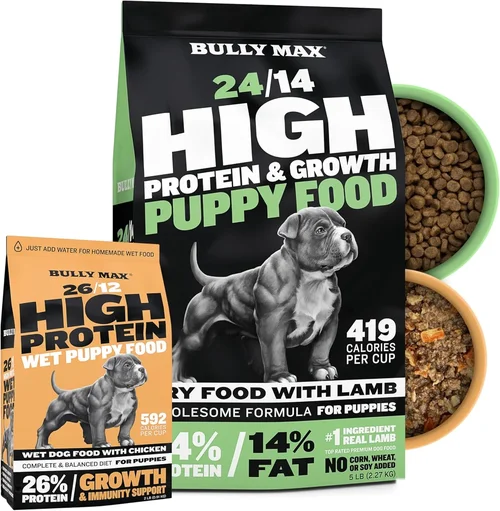
Bully breeds are naturally muscular and require a diet rich in high-quality animal protein to support muscle development, repair, and maintenance. Look for foods where real meat—such as chicken, beef, lamb, or fish—is listed as the very first ingredient. Avoid products that lead with vague terms like “meat meal” or “by-product meal,” which may contain low-quality or inconsistent protein sources. Ideally, the protein content should be between 26% and 32% for adult bully breeds, with higher levels (up to 35%) recommended for puppies or highly active dogs.
Animal-based proteins provide complete amino acid profiles, including taurine, L-carnitine, and branched-chain amino acids (BCAAs), which are essential for muscle synthesis and metabolic health. Plant-based proteins like pea protein or soy can supplement but should never replace animal protein as the primary source. A diet deficient in quality protein can lead to muscle wasting, lethargy, and weakened immunity—issues particularly concerning for a breed built for strength and endurance.
2. Balanced Fat Content for Energy and Coat Health
While protein builds muscle, fat fuels it. Bully breeds are energetic and require a moderate to high-fat diet to sustain their activity levels. Look for dog foods with fat content between 15% and 20%. The fat should come from named sources such as chicken fat, salmon oil, or flaxseed oil—not generic “animal fat.” These sources provide essential fatty acids like omega-3 and omega-6, which support skin health, reduce inflammation, and promote a shiny, resilient coat.
Omega-3 fatty acids, particularly EPA and DHA from fish oil, are especially beneficial for bully breeds prone to skin allergies, hot spots, and joint inflammation. A balanced omega-3 to omega-6 ratio (ideally between 1:5 and 1:10) helps regulate the immune system and reduce chronic inflammation. Avoid foods with excessive fat, as this can contribute to obesity—a common issue in less active bully breeds. Conversely, too little fat can result in dry skin, dull fur, and low energy.
3. Joint Support Ingredients (Glucosamine, Chondroitin, MSM)
Bully breeds are predisposed to joint problems such as hip dysplasia, elbow dysplasia, and arthritis due to their heavy build and rapid growth rates. Therefore, joint-supporting ingredients should be a non-negotiable component of their diet. Look for formulas that include glucosamine, chondroitin sulfate, and methylsulfonylmethane (MSM)—compounds proven to support cartilage health, reduce inflammation, and improve mobility.
These ingredients are especially important during puppyhood and senior years. Puppies benefit from early joint support to prevent developmental issues, while older dogs need ongoing maintenance to preserve mobility. Some premium brands also include green-lipped mussel extract or hyaluronic acid, which offer additional anti-inflammatory and lubricating benefits. If your bully shows signs of stiffness, limping, or reluctance to jump, a diet rich in joint support can make a significant difference in their comfort and quality of life.
4. Digestive Health and Probiotics
Bully breeds can be prone to digestive sensitivities, including gas, bloating, and irregular stools. A diet that supports gut health is essential for nutrient absorption and overall well-being. Look for dog foods that include prebiotics (like chicory root or beet pulp) and probiotics (live beneficial bacteria such as Lactobacillus or Bifidobacterium). These ingredients help maintain a healthy gut microbiome, improve digestion, and strengthen the immune system.
Highly digestible proteins and carbohydrates—such as deboned chicken, turkey, sweet potatoes, and brown rice—reduce the workload on the digestive system and minimize the risk of food intolerances. Avoid fillers like corn, wheat, and soy, which are common allergens and offer little nutritional value. Some bully owners report improved stool quality and reduced flatulence after switching to a probiotic-enriched formula, making this a worthwhile consideration for long-term digestive health.
5. Grain-Inclusive vs. Grain-Free: What’s Best?
The grain-free debate has been ongoing in the pet food industry, but recent research suggests that grain-free diets may not be necessary—and could even be harmful—for many dogs. The FDA has investigated a potential link between grain-free diets and dilated cardiomyopathy (DCM), a serious heart condition, particularly in breeds not genetically predisposed to the disease. While bully breeds aren’t at the top of the DCM risk list, the concern remains valid.
Unless your dog has a diagnosed grain allergy, a grain-inclusive diet is generally safer and more balanced. Whole grains like brown rice, oats, and barley provide valuable fiber, B vitamins, and slow-releasing energy. They also help regulate blood sugar and support digestive health. If you do opt for grain-free, ensure the carbohydrate sources are high-quality (e.g., sweet potatoes, peas, lentils) and that the food includes taurine and L-carnitine to support heart health. Always consult your veterinarian before making a major dietary switch.
6. Calorie Density and Portion Control
Bully breeds have a high metabolism but are also prone to weight gain if overfed or under-exercised. Their muscular build requires more calories than a similarly sized lean breed, but excess weight puts additional strain on joints and organs. Therefore, calorie density and portion control are critical factors in choosing the right food.
Look for formulas with moderate to high calorie density (around 350–450 kcal per cup) to meet energy needs without overfeeding. Avoid “filler-heavy” foods that require large portions to meet nutritional requirements—this often leads to obesity. Many premium brands provide feeding guidelines based on weight, age, and activity level, which can help you avoid under- or overfeeding. Using a measuring cup and monitoring your dog’s body condition score (BCS) monthly ensures they maintain an ideal weight. A BCS of 4–5 on a 9-point scale (where 1 is emaciated and 9 is obese) is ideal for most bully breeds.
7. Brand Transparency and Manufacturing Standards
Not all dog food brands are created equal when it comes to sourcing, manufacturing, and quality control. Choose brands that are transparent about their ingredient sourcing, manufacturing processes, and testing protocols. Look for companies that conduct AAFCO (Association of American Feed Control Officials) feeding trials or formulate their foods to meet AAFCO nutrient profiles for “all life stages” or “adult maintenance.”
Reputable brands often publish ingredient traceability reports, third-party lab test results, and recall histories on their websites. Avoid companies with vague labeling, frequent recalls, or a history of contamination issues. Brands that manufacture their own food (rather than outsourcing to third-party facilities) tend to have better quality control. Additionally, look for certifications like USDA Organic, Non-GMO Project Verified, or Global Animal Partnership (GAP) rated, which indicate higher standards in sourcing and ethics.
8. Life Stage and Activity Level Appropriateness
Bully breeds have different nutritional needs depending on their life stage and activity level. Puppies require higher protein and fat for growth, while seniors need fewer calories and more joint support. Highly active or working bully breeds (e.g., those in agility, protection sports, or frequent training) need more calories and protein than sedentary pets.
Choose a formula specifically designed for your dog’s life stage: puppy, adult, or senior. Some brands offer “performance” or “active” lines with increased protein and fat for working dogs. Avoid feeding adult food to puppies or vice versa, as this can lead to nutritional imbalances. If your bully is overweight or has health conditions like kidney disease or diabetes, consult your vet for a specialized diet. Many premium brands offer veterinary or prescription formulas tailored to specific health needs.
Different Types of Dog Food for Bully Breeds

Common Buying Mistakes to Avoid
❌ Mistake: Choosing Based on Price Alone
Why it’s bad: Opting for the cheapest dog food often means sacrificing quality. Low-cost brands frequently use fillers, by-products, and artificial preservatives that offer little nutritional value and may harm your dog’s health over time. Bully breeds, with their high energy and muscle mass, need nutrient-dense food—not empty calories.
What to do instead: Focus on value, not just price. Calculate cost per pound or per meal, and compare ingredient quality. A slightly more expensive food with better ingredients may actually be cheaper in the long run due to improved health and fewer vet bills.
❌ Mistake: Ignoring Life Stage and Activity Level
Why it’s bad: Feeding adult food to a growing puppy or high-protein food to a sedentary senior can lead to developmental issues, obesity, or organ strain. Each life stage has unique nutritional requirements that must be met.
What to do instead: Always select a formula designed for your dog’s age, size, and activity level. If your bully is highly active, consider a performance or active formula. For seniors, look for lower-calorie, joint-supportive options.
❌ Mistake: Overlooking Ingredient Transparency
Why it’s bad: Vague labels like “meat meal” or “animal digest” can hide low-quality or unsafe ingredients. Without transparency, you can’t be sure what you’re feeding your dog.
What to do instead: Choose brands that list specific protein sources (e.g., “deboned chicken” not “poultry”) and avoid those with artificial colors, flavors, or preservatives like BHA, BHT, or ethoxyquin.
❌ Mistake: Switching Foods Too Quickly
Why it’s bad: Sudden diet changes can cause digestive upset, including diarrhea, vomiting, and gas. Bully breeds with sensitive stomachs are especially vulnerable.
What to do instead: Transition gradually over 7–10 days, mixing increasing amounts of the new food with the old. Monitor your dog’s stool and energy levels during the switch.
❌ Mistake: Feeding Too Much or Too Little
Why it’s bad: Overfeeding leads to obesity, joint stress, and reduced lifespan. Underfeeding results in muscle loss, low energy, and weakened immunity.
What to do instead: Follow feeding guidelines on the package, adjust based on your dog’s body condition, and use a measuring cup—not a scoop or guesswork.
❌ Mistake: Ignoring Allergies and Sensitivities
Why it’s bad: Bully breeds are prone to food allergies, especially to common proteins like chicken or grains. Ignoring symptoms like itching, ear infections, or chronic gas can lead to long-term discomfort.
What to do instead: If you suspect an allergy, try an elimination diet or switch to a novel protein (e.g., duck, venison) or hydrolyzed formula under veterinary guidance.
❌ Mistake: Not Consulting a Veterinarian
Why it’s bad: Every dog is unique. What works for one bully may not suit another, especially if they have health conditions like kidney disease, diabetes, or heart issues.
What to do instead: Always consult your vet before making major dietary changes, especially for puppies, seniors, or dogs with medical conditions.
Budget Guidelines: How Much Should You Spend?
- Entry-Level ($1.50–$2.50/lb): These foods often contain fillers, by-products, and artificial additives. While they meet basic nutritional standards, they may not support optimal health for bully breeds. Best for temporary use or budget constraints, but not recommended long-term.
- Mid-Range ($2.50–$3.50/lb): This is the sweet spot for most bully owners. These brands offer quality ingredients, balanced nutrition, and good digestibility. Examples include Wellness CORE, Blue Buffalo Life Protection, and Nutro Ultra. Ideal for daily feeding with noticeable health benefits.
- Premium ($3.50–$5.00/lb): Designed for performance and longevity, these foods use human-grade ingredients, novel proteins, and advanced formulations. Brands like Orijen, Acana, and Taste of the Wild fall here. Excellent for active or health-conscious owners.
- Luxury ($5.00+/lb): Includes fresh, raw, or custom-formulated diets. Brands like The Farmer’s Dog, Nom Nom, and Stella & Chewy’s offer minimally processed, high-moisture options. Best for dogs with sensitivities or owners seeking the highest quality nutrition.

Expert Tips for Getting the Best Deal
- Buy in Bulk: Larger bags (25–40 lbs) often cost less per pound. Store in airtight containers to maintain freshness.
- Subscribe and Save: Many online retailers (Chewy, Amazon, brand websites) offer 5–15% off for recurring deliveries.
- Watch for Sales: Major holidays (Black Friday, Prime Day, Memorial Day) often feature discounts on premium dog food.
- Use Cashback and Rewards: Apps like Rakuten or credit cards with pet store rewards can add up over time.
- Check for Coupons: Sign up for brand newsletters or follow them on social media for exclusive promo codes.
- Compare Unit Prices: Always check price per pound or per cup, not just total cost.
- Read Return Policies: Ensure you can return unopened bags if your dog doesn’t like the food.
- Test Small Bags First: Before committing to a large purchase, buy a small bag to test palatability and digestibility.

Frequently Asked Questions
Q: Can bully breeds eat grain-free food?
A: Yes, but it’s not necessary unless your dog has a diagnosed grain allergy. Recent studies suggest grain-free diets may increase the risk of DCM in some dogs. If you choose grain-free, ensure it includes heart-healthy nutrients like taurine and L-carnitine.
Q: How often should I feed my bully breed?
A: Adult bully breeds should be fed twice daily—once in the morning and once in the evening. Puppies under 6 months may need 3–4 meals per day. Consistency in feeding times helps regulate digestion and energy levels.
Q: Is raw food safe for bully breeds?
A: Raw diets can be safe and beneficial when properly balanced and handled. However, they require careful preparation to avoid bacterial contamination and nutritional imbalances. Consult a veterinary nutritionist before starting a raw diet.
Q: How do I know if my bully is overweight?
A: You should be able to feel your dog’s ribs without pressing hard, and they should have a visible waist when viewed from above. If you can’t feel the ribs or see a rounded belly, your dog may be overweight.
Q: Can I mix wet and dry food?
A: Absolutely! Many owners mix wet food into kibble to increase palatability and moisture intake. Just adjust portions to avoid overfeeding.
Q: What’s the best protein for bully breeds?
A: High-quality animal proteins like deboned chicken, turkey, beef, or fish are ideal. Novel proteins (duck, venison, rabbit) are great for dogs with allergies.
Q: How long can I keep opened dog food?
A: Dry kibble should be used within 6 weeks of opening if stored in a cool, dry place in an airtight container. Wet food should be refrigerated and used within 3–5 days.
Q: Should I add supplements to my bully’s diet?
A: Only if recommended by your vet. Most premium foods are complete and balanced. Over-supplementing can cause imbalances or toxicity.
Q: What’s the difference between “meal” and “by-product”?
A: “Meal” refers to rendered animal tissue (e.g., chicken meal), which is concentrated protein. “By-product” includes parts like lungs, spleen, or feet, which are less desirable. Choose named meals over by-products.
Q: Can bully breeds be vegetarian?
A: No. Dogs are omnivores but require animal-based nutrients like taurine, arachidonic acid, and vitamin B12, which are difficult to obtain from plant sources alone. A vegetarian diet is not recommended for bully breeds.
Our Final Recommendations
- Best for Budget-Conscious Buyers: Blue Buffalo Life Protection Formula – Offers high-quality protein, real meat as the first ingredient, and added glucosamine for joint support at an affordable price.
- Best Overall Value: Wellness CORE Grain-Free Original – Packed with protein, omega fatty acids, and probiotics. Great for active bully breeds with sensitive stomachs.
- Best Premium Option: Orijen Original – Biologically appropriate with 85% animal ingredients, including fresh and raw meats. Ideal for performance and longevity.
- Best for Beginners: Purina Pro Plan Sport – Formulated for active dogs with high protein and fat. Easy to find in stores and vet-recommended.
- Best for Advanced Users: The Farmer’s Dog – Fresh, human-grade meals delivered to your door. Customized to your dog’s needs with full ingredient transparency.
Conclusion: Making the Right Choice
Choosing the best dog food for your bully breed is one of the most impactful decisions you’ll make as a pet owner. It affects everything from their energy levels and coat shine to their joint health and lifespan. By prioritizing high-quality animal protein, balanced fats, joint support, and digestive health, you’re setting your bully up for a vibrant, active life. Avoid common pitfalls like price-only decisions, sudden diet changes, and ignoring life stage needs. Instead, focus on transparency, consistency, and veterinary guidance.
Remember, no single food is perfect for every dog. What works for one bully may not suit another. Take the time to observe your dog’s response to different foods—watch their energy, coat, stool, and overall demeanor. With the right nutrition, your bully won’t just survive—they’ll thrive. Use this guide as your roadmap, and don’t hesitate to consult your veterinarian for personalized advice. Your bully deserves the best. Start feeding them like it.