
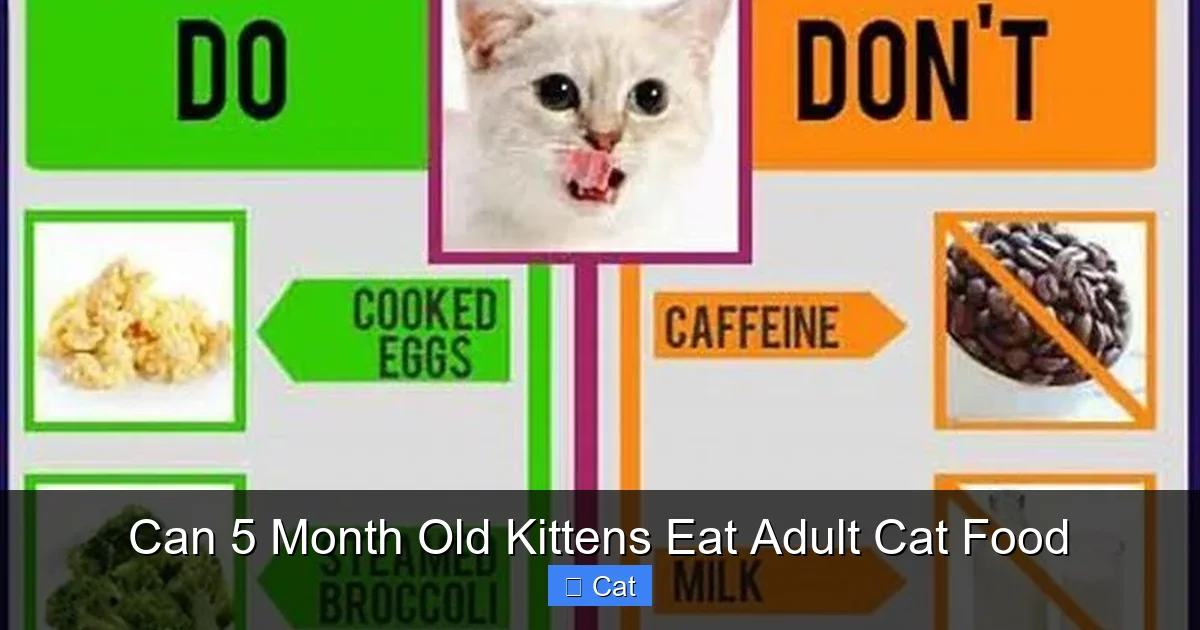
Five-month-old kittens should not regularly eat adult cat food, as it lacks the essential nutrients they need for healthy growth. While an occasional small bite won’t harm them, a steady diet of adult food can lead to developmental issues. Always choose high-quality kitten-specific food to support their rapid development.
Key Takeaways
- Kittens have unique nutritional needs: At 5 months old, kittens require more protein, fat, calories, and key vitamins than adult cats to support their rapid growth and development.
- Adult cat food is not formulated for growth: Adult formulas contain lower levels of essential nutrients like DHA, taurine, and calcium, which are critical for brain, vision, and bone development in kittens.
- Short-term exposure is low risk, long-term is harmful: A few accidental bites of adult food won’t hurt, but feeding it regularly can lead to malnutrition, stunted growth, or health problems.
- Look for AAFCO kitten guidelines: Always choose food labeled “for kittens” or “all life stages” that meets AAFCO standards for growth to ensure complete nutrition.
- Transition gradually if switching foods: If you need to change your kitten’s diet, do so over 7–10 days by mixing increasing amounts of the new food with the old to avoid digestive upset.
- Consult your vet for personalized advice: Every kitten is different—your veterinarian can recommend the best diet based on breed, size, and health status.
- Monitor weight and energy levels: A well-fed kitten should be playful, steadily gaining weight, and have a shiny coat—signs they’re getting the right nutrition.
📑 Table of Contents
- Can 5 Month Old Kittens Eat Adult Cat Food? A Complete Guide
- Why Nutrition Matters So Much for 5-Month-Old Kittens
- The Risks of Feeding Adult Cat Food to Kittens
- What Makes Kitten Food Different?
- How to Choose the Right Food for Your 5-Month-Old Kitten
- Tips for Managing Multi-Cat Households
- When to Talk to Your Veterinarian
- Conclusion: Prioritize Your Kitten’s Growth
Can 5 Month Old Kittens Eat Adult Cat Food? A Complete Guide
So, you’ve just welcomed a playful, curious 5-month-old kitten into your home—congratulations! At this age, your little furball is full of energy, constantly exploring, and growing at an astonishing rate. You’re probably doing everything you can to make sure they’re happy, healthy, and well-fed. But then you notice that your adult cat’s food bowl is looking tempting to your kitten. Maybe they’ve even snuck a few bites. Now you’re wondering: Can 5 month old kittens eat adult cat food?
It’s a common question, and one that many new kitten parents ask. After all, adult cat food is convenient, widely available, and your older cat seems to love it. But here’s the truth: while it might seem harmless, feeding adult cat food to a 5-month-old kitten on a regular basis can actually do more harm than good. Kittens aren’t just small adult cats—they have very specific nutritional needs that adult food simply doesn’t meet. Their bodies are building bones, developing brains, and forming strong immune systems, all at lightning speed. And to support that growth, they need a diet that’s specially formulated for their life stage.
In this guide, we’ll dive deep into why kitten food matters, what happens when kittens eat adult food, and how to make the best feeding choices for your growing companion. Whether you’re dealing with a food thief or just trying to understand your kitten’s dietary needs, we’ve got you covered with practical tips, expert insights, and real-world advice.
Why Nutrition Matters So Much for 5-Month-Old Kittens
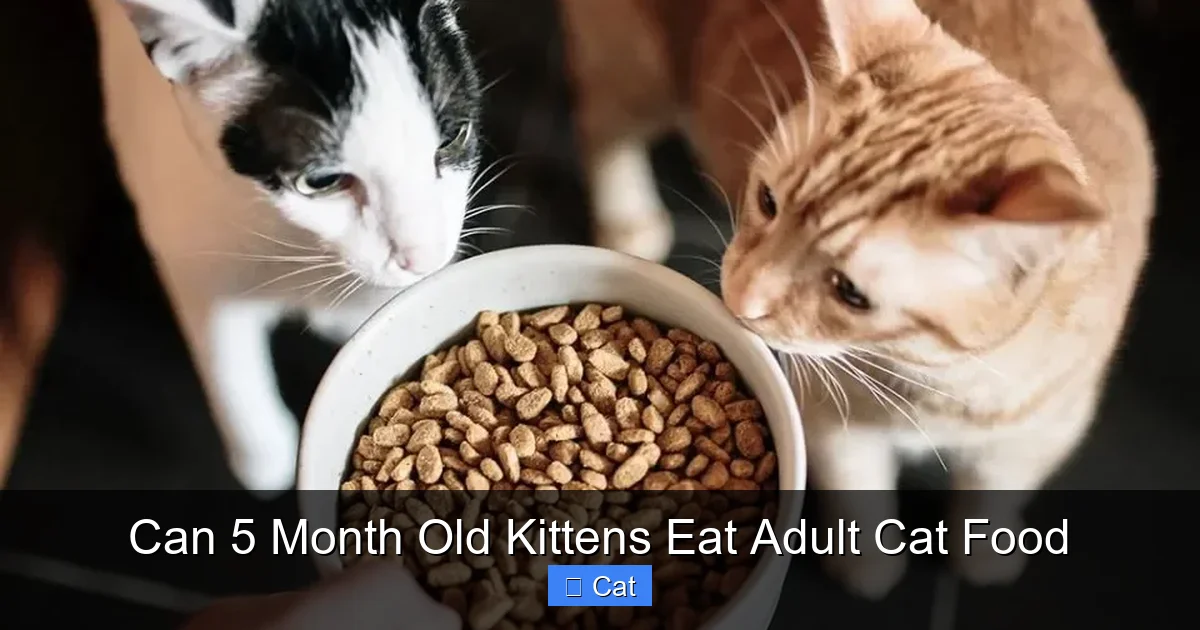
Visual guide about Can 5 Month Old Kittens Eat Adult Cat Food
Image source: celebzero.com
At 5 months old, your kitten is in the heart of their most critical growth phase. Think of it like human childhood—this is when the foundation for a healthy, strong adult life is being laid. During this time, kittens can double or even triple their birth weight, and their bodies are working overtime to develop everything from muscle mass to brain function.
This rapid development demands a lot from their diet. Unlike adult cats, who are mostly maintaining their current size and health, kittens are building new tissue, forming bones, and strengthening organs. That’s why their nutritional needs are so different—and so much more intense.
One of the biggest differences is in caloric density. Kittens need about two to three times more calories per pound of body weight than adult cats. Why? Because they’re burning energy like crazy—running, jumping, playing, and growing all at once. If they don’t get enough calories, they can quickly become underweight or lethargic.
But it’s not just about quantity—it’s about quality, too. Kittens need higher levels of certain key nutrients that adult food often lacks. For example, they require more protein to build muscle and support organ development. They also need more fat for energy and healthy skin and coat. And then there are the micronutrients—like taurine, DHA, and calcium—that play vital roles in vision, brain function, and bone strength.
Let’s break down a few of these essential nutrients and why they matter so much at this stage:
Protein: The Building Block of Growth
Protein is the cornerstone of a kitten’s diet. It provides the amino acids needed to build and repair tissues, produce enzymes, and support immune function. At 5 months old, kittens need significantly more protein than adult cats—often around 30–40% of their diet, compared to 26–30% for adults.
High-quality animal-based proteins (like chicken, turkey, or fish) are especially important because they contain all the essential amino acids kittens can’t make on their own. One of these is taurine, which is critical for heart health, vision, and reproduction. A deficiency in taurine can lead to serious problems like blindness or heart disease—conditions that are entirely preventable with proper nutrition.
Fat and Calories: Fuel for Play and Growth
Fat is another nutrient that kittens need in higher amounts. It’s a concentrated source of energy, helping fuel their endless activity and supporting brain development. Kittens typically need diets with at least 9–15% fat, compared to 5–9% for adult cats.
But not all fats are created equal. Look for foods that include healthy fats like omega-3 and omega-6 fatty acids, which support skin, coat, and cognitive function. DHA (docosahexaenoic acid), a type of omega-3 found in fish oil, is especially important for brain and eye development. Studies have shown that kittens fed diets rich in DHA perform better in learning and memory tasks.
Vitamins and Minerals: The Hidden Heroes
While protein and fat get a lot of attention, vitamins and minerals are just as crucial. Calcium and phosphorus, for example, are essential for strong bones and teeth. But the balance between them is key—too much calcium can lead to skeletal problems, while too little can cause weak bones.
Taurine, as mentioned, is vital for vision and heart health. Vitamin A supports immune function and skin health, while B vitamins help convert food into energy. And don’t forget about vitamin D, which helps the body absorb calcium.
Adult cat food often contains these nutrients, but usually at levels appropriate for maintenance, not growth. That means a kitten eating only adult food might not get enough of what they need to thrive.
The Risks of Feeding Adult Cat Food to Kittens
Now that we understand what kittens need, let’s talk about what happens when they don’t get it. Feeding adult cat food to a 5-month-old kitten—especially as their primary diet—can lead to a range of health and developmental issues.
The biggest risk is malnutrition. Even if the adult food is high-quality and nutritionally complete for adult cats, it’s not designed to meet the demands of a growing kitten. Over time, this can result in:
– **Stunted growth**: Without enough calories, protein, and key nutrients, kittens may fail to reach their full size or develop properly.
– **Weak bones and teeth**: Insufficient calcium, phosphorus, or vitamin D can lead to soft bones, dental problems, or skeletal deformities.
– **Poor coat and skin health**: Low fat or imbalanced fatty acids can cause dry, flaky skin and a dull, brittle coat.
– **Vision and cognitive issues**: A lack of taurine or DHA may impair vision or slow brain development.
– **Weakened immune system**: Kittens need strong immune support to fight off infections. Poor nutrition can leave them more vulnerable to illness.
Let’s look at a real-world example. Imagine two kittens: one eats a high-quality kitten food, and the other eats only adult cat food. After a few months, the kitten on adult food might seem okay at first—still playful, still eating. But over time, you might notice they’re not growing as quickly, they’re less energetic, or their coat looks dull. They might also be more prone to infections or digestive issues.
In severe cases, nutritional deficiencies can lead to irreversible damage. For instance, taurine deficiency can cause irreversible blindness. That’s why it’s so important to feed the right food from the start.
Can Kittens Eat Adult Food Occasionally?
Here’s a common follow-up question: What if my kitten just sneaks a bite or two? Is that okay?
The short answer is yes—occasional exposure to adult cat food is unlikely to cause harm. If your kitten steals a few kibbles from your adult cat’s bowl once in a while, don’t panic. It’s not ideal, but it’s not dangerous in small amounts.
However, if this becomes a regular habit—or if you’re intentionally feeding adult food because it’s convenient or cheaper—then you’re putting your kitten at risk. Consistency matters when it comes to nutrition. Just like a child needs a balanced diet every day, a kitten needs the right nutrients consistently to grow properly.
What Makes Kitten Food Different?
So, what exactly is in kitten food that makes it so special? Let’s take a closer look at how kitten formulas are designed to meet the unique needs of growing cats.
Higher Protein and Fat Content
As we’ve discussed, kitten food is formulated with higher levels of protein and fat to support rapid growth. This means more calories per serving, which helps fuel their active lifestyle and developmental needs.
For example, a typical high-quality kitten food might contain 35–40% protein and 15–20% fat, while adult food might have 26–30% protein and 9–15% fat. That difference might not seem huge, but over time, it adds up—especially when your kitten is growing several pounds in just a few months.
Added Nutrients for Development
Kitten food also includes higher levels of key nutrients like:
– **DHA**: For brain and eye development.
– **Taurine**: For heart and vision health.
– **Calcium and phosphorus**: For strong bones and teeth.
– **Vitamin E and antioxidants**: To support immune function.
These aren’t just “bonus” ingredients—they’re essential for healthy development. Many kitten foods also include prebiotics or probiotics to support digestive health, which is especially important during weaning and early growth.
AAFCO Standards and Life Stage Labeling
When shopping for kitten food, look for labels that say “formulated for growth” or “for kittens.” These products meet the standards set by the Association of American Feed Control Officials (AAFCO) for kitten nutrition.
You might also see “all life stages” on the label. This means the food meets the nutritional needs of kittens, adults, and even pregnant or nursing cats. While this can be convenient for multi-cat households, it’s still best to feed kittens a food specifically labeled for kittens when possible, as it’s optimized for their needs.
Avoid foods that only say “for maintenance” or “for adult cats”—these are not suitable as a primary diet for kittens.
How to Choose the Right Food for Your 5-Month-Old Kitten
Now that you know why kitten food matters, how do you pick the best one? With so many options on the market, it can feel overwhelming. But by focusing on a few key factors, you can make a confident choice.
Read the Ingredient List
Start by looking at the ingredient list. The first ingredient should be a high-quality animal protein—like chicken, turkey, or salmon. Avoid foods that list “meat by-products” or “animal digest” as the first ingredient, as these are lower-quality protein sources.
Also, watch out for fillers like corn, wheat, or soy. While small amounts are okay, they shouldn’t dominate the recipe. Kittens need real meat, not plant-based fillers.
Check the Guaranteed Analysis
The guaranteed analysis on the back of the bag shows the minimum levels of protein and fat, and the maximum levels of fiber and moisture. For kittens, look for:
– Protein: At least 30–35%
– Fat: At least 15–20%
– Fiber: Less than 4%
– Moisture: Around 10% for dry food (wet food will be higher)
These numbers ensure the food is nutrient-dense and appropriate for growth.
Consider Wet vs. Dry Food
Both wet and dry kitten foods can be healthy options. Wet food has higher moisture content, which helps with hydration—especially important for kittens who may not drink enough water. It’s also often more palatable, which can help picky eaters.
Dry food is convenient and can help with dental health by reducing plaque buildup. Many owners choose to feed a combination of both—wet food for hydration and taste, and dry food for convenience and dental benefits.
Transition Gradually
If you’re switching your kitten from one food to another, do it slowly. Sudden changes can upset their stomach and lead to diarrhea or vomiting.
Start by mixing 25% new food with 75% old food for a few days. Then increase to 50/50, then 75% new, and finally 100% new food over 7–10 days. This gives their digestive system time to adjust.
Tips for Managing Multi-Cat Households
If you have both kittens and adult cats, feeding time can be a challenge. Kittens are naturally curious and may try to eat from the adult cat’s bowl—or vice versa. Here are some tips to keep everyone happy and healthy:
Feed Separately
The easiest solution is to feed your kitten and adult cat in different rooms. This prevents food stealing and ensures your kitten gets the right nutrition.
You can also use baby gates or pet barriers to create separate feeding zones. Some pet owners even use microchip-activated feeders that only open for a specific cat.
Feed at Different Times
Another option is to feed your kitten first, then feed your adult cat once the kitten is done. This reduces the chance of food jealousy or competition.
Use Kitten-Safe Adult Food (Rarely)
In rare cases—like if your kitten has a medical condition that requires a special diet—your vet might recommend a specific adult food. But this should only be done under veterinary supervision.
Never switch your kitten to adult food just because it’s easier or cheaper. The long-term risks aren’t worth it.
When to Talk to Your Veterinarian
While this guide covers the basics, every kitten is unique. Factors like breed, size, activity level, and health status can all influence their nutritional needs.
If you’re unsure about what to feed your kitten, or if you notice any signs of poor health—like weight loss, lethargy, vomiting, or diarrhea—talk to your veterinarian. They can recommend a diet tailored to your kitten’s specific needs and help you monitor their growth.
Your vet can also help you determine when it’s time to transition to adult food. Most kittens can make the switch around 10–12 months of age, but larger breeds may need kitten food longer.
Conclusion: Prioritize Your Kitten’s Growth
So, can 5 month old kittens eat adult cat food? The answer is clear: not as their main diet. While an occasional bite won’t cause harm, regular consumption of adult food can lead to serious nutritional deficiencies and long-term health problems.
At 5 months old, your kitten is growing fast and needs a diet rich in protein, fat, calories, and essential nutrients like taurine, DHA, and calcium. Kitten-specific food is designed to meet these needs, supporting healthy development, strong bones, sharp vision, and a robust immune system.
By choosing high-quality kitten food, reading labels carefully, and feeding appropriately for their life stage, you’re giving your kitten the best possible start in life. And that’s something every pet parent can feel good about.
Remember, your kitten’s health today shapes their future. Invest in the right nutrition now, and you’ll enjoy a happy, vibrant cat for years to come.
Frequently Asked Questions
Can I mix kitten and adult cat food?
It’s not recommended to regularly mix kitten and adult cat food, as adult food lacks the higher nutrient levels kittens need for growth. Occasional mixing is low risk, but for optimal health, feed kittens a complete kitten formula.
What happens if my kitten eats only adult food for a week?
A short-term diet of adult food is unlikely to cause serious harm, but it may lead to mild digestive upset or reduced energy. However, prolonged feeding can result in malnutrition and developmental issues, so switch back to kitten food as soon as possible.
Is wet or dry kitten food better?
Both can be healthy options. Wet food provides hydration and is often more appealing, while dry food is convenient and can support dental health. Many owners use a combination of both for balanced nutrition.
How often should I feed my 5-month-old kitten?
Most 5-month-old kittens do well with 3–4 small meals per day. This helps maintain steady energy levels and supports their rapid growth. Always follow the feeding guidelines on the food package and adjust based on your kitten’s weight and activity.
Can I feed my kitten homemade food instead of commercial kitten food?
Homemade diets can be risky unless formulated by a veterinary nutritionist. Kittens have very specific needs, and even small imbalances in nutrients like calcium or taurine can cause serious health problems. If you’re interested in homemade food, consult your vet first.
When can my kitten start eating adult cat food?
Most kittens can transition to adult food around 10–12 months of age, when their growth slows. Larger breeds may need kitten food longer. Always consult your veterinarian before making the switch to ensure your cat is ready.