
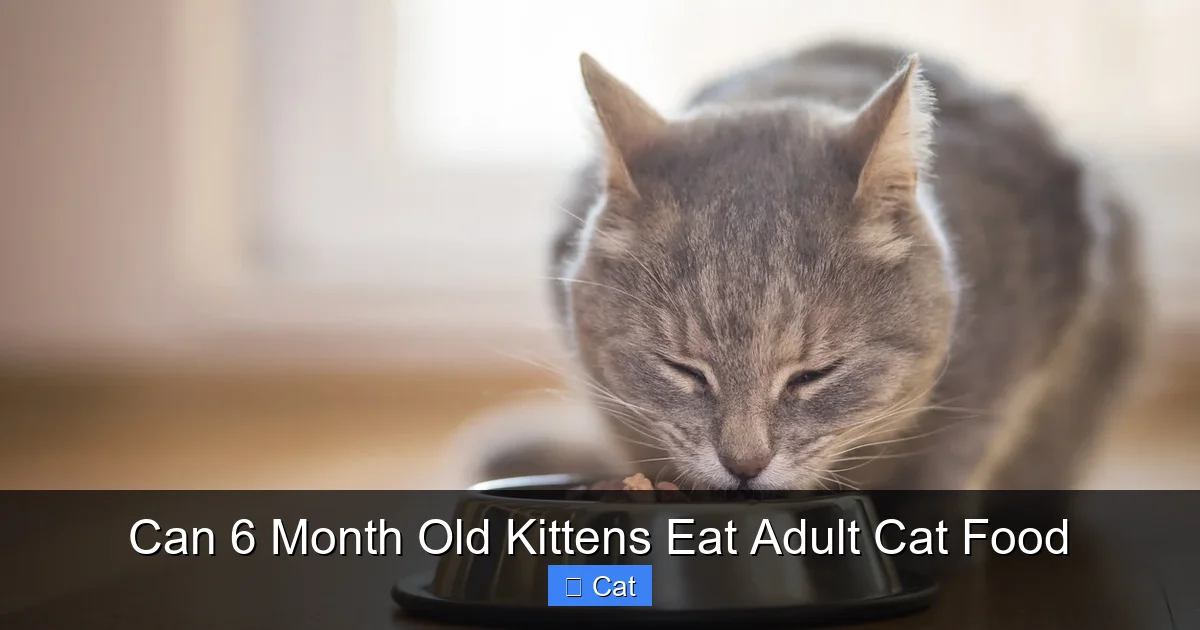
Six-month-old kittens should not regularly eat adult cat food because it lacks the essential nutrients they need for growth and development. While an occasional small amount won’t harm them, relying on adult food can lead to serious health issues over time.
Welcoming a six-month-old kitten into your home is an exciting adventure. These playful, curious little furballs are growing at an incredible rate—gaining weight, sharpening their senses, and developing the foundation for a healthy adult life. During this critical stage, nutrition plays a starring role. Just like human babies need infant formula instead of adult meals, kittens have unique dietary needs that differ significantly from those of grown cats.
You might wonder, “Can 6 month old kittens eat adult cat food?” After all, it’s convenient, already in the pantry, and your older cat seems to love it. But here’s the truth: while a nibble here and there won’t cause immediate harm, making adult cat food a regular part of your kitten’s diet can lead to serious long-term consequences. Kittens are not just small adult cats—they’re in a rapid growth phase that demands higher levels of protein, fat, calories, and specific vitamins and minerals. Adult cat food simply isn’t formulated to meet these intense nutritional demands.
In this guide, we’ll explore why kitten-specific food is essential, what happens when kittens eat adult food regularly, and how to make smart feeding choices that support your kitten’s health and happiness. Whether you’re a first-time pet parent or a seasoned cat lover, understanding your kitten’s dietary needs will help you raise a strong, vibrant, and thriving companion.
Key Takeaways
- Kittens need more calories and protein: Growing kittens require up to three times more energy than adult cats, which adult food doesn’t provide.
- Adult food lacks key nutrients: It’s often lower in taurine, DHA, calcium, and other vital nutrients critical for brain, bone, and eye development.
- Short-term vs. long-term risks: A single meal of adult food is harmless, but regular feeding can cause malnutrition and developmental problems.
- Look for “kitten formula” labels: Choose foods specifically labeled for kittens or “growth” stages to ensure balanced nutrition.
- Transition gradually when needed: If switching from kitten to adult food, do it slowly around 12 months of age to avoid digestive upset.
- Consult your vet for guidance: Every kitten is different—your veterinarian can recommend the best diet based on breed, size, and health.
📑 Table of Contents
Why Kittens Have Unique Nutritional Needs
Kittens are like tiny athletes in training—constantly running, jumping, exploring, and learning. This high-energy lifestyle requires fuel, and lots of it. From birth to about 12 months of age, kittens grow faster than at any other time in their lives. In fact, a healthy kitten can double its birth weight in just the first week and continue gaining weight steadily throughout the first year.
Because of this rapid growth, kittens need significantly more calories per pound of body weight than adult cats. According to veterinary nutritionists, kittens require up to three times more energy (calories) than adult cats. This energy comes primarily from high-quality proteins and fats, which support muscle development, organ function, and brain growth.
But it’s not just about quantity—it’s about quality. Kittens need specific nutrients in higher concentrations than adults. For example, they require more taurine, an amino acid essential for heart health, vision, and immune function. A deficiency in taurine can lead to blindness, heart disease, and developmental delays. Similarly, docosahexaenoic acid (DHA), an omega-3 fatty acid found in fish oil, is crucial for brain and retinal development. Kittens fed diets low in DHA may show signs of learning difficulties and poor vision.
Calcium and phosphorus are also vital for strong bones and teeth. Kittens need a precise balance of these minerals—too little can lead to weak bones, while too much can cause skeletal deformities. Adult cat food often doesn’t provide the right ratio or amount of these nutrients, making it unsuitable for growing kittens.
In short, kitten food is specially formulated to deliver the right balance of calories, protein, fats, vitamins, and minerals that support every stage of development. Adult cat food, while nutritionally complete for mature cats, simply doesn’t cut it for kittens.
The Risks of Feeding Adult Cat Food to Kittens
So, what happens if your six-month-old kitten eats adult cat food regularly? The short answer: it can lead to nutritional deficiencies, stunted growth, and long-term health problems. While one or two accidental meals won’t cause harm, consistent feeding of adult food during this critical growth period can have serious consequences.
One of the most immediate risks is calorie deficiency. Adult cat food is designed to maintain weight, not promote growth. Kittens eating adult food may not consume enough calories to support their rapid development, leading to weight loss, lethargy, and a weakened immune system. You might notice your kitten becoming less active, losing its playful spark, or failing to gain weight as expected.
Protein is another major concern. Kittens need about 30–40% protein in their diet, compared to 26–30% for adult cats. Adult food often contains lower levels of high-quality animal protein, which can impair muscle development and slow recovery from illness or injury. Over time, this can result in a smaller, weaker adult cat.
Taurine deficiency is a well-documented risk when kittens eat adult food. Since adult diets may contain lower levels of taurine, prolonged feeding can lead to irreversible damage. Symptoms include dilated cardiomyopathy (a heart condition), vision problems, and even reproductive issues later in life.
Another hidden danger is the imbalance of minerals like calcium and phosphorus. Kittens need a higher calcium-to-phosphorus ratio (around 1.2:1) to support bone growth. Adult cat food often has a lower ratio, which can disrupt skeletal development and lead to conditions like osteodystrophy or rickets.
Additionally, adult food may lack sufficient levels of vitamin A, arachidonic acid, and other essential nutrients that kittens need in greater amounts. These deficiencies can affect everything from skin and coat health to immune function and cognitive development.
In extreme cases, kittens fed only adult food may develop “nutritional secondary hyperparathyroidism,” a painful bone disease caused by calcium deficiency. This condition can lead to fractures, lameness, and permanent deformities.
While occasional exposure to adult food isn’t a crisis, making it a staple in your kitten’s diet is a recipe for trouble. Always prioritize kitten-specific formulas to ensure your little one gets the nutrition it needs to thrive.
What to Look for in Kitten Food
Choosing the right food for your six-month-old kitten can feel overwhelming with so many options on the market. But by knowing what to look for, you can make confident, informed decisions that support your kitten’s health.
First and foremost, check the label. Look for products that are labeled as “kitten food,” “growth formula,” or “all life stages.” These are formulated to meet the nutritional standards set by organizations like the Association of American Feed Control Officials (AAFCO). Avoid foods labeled only for “adult maintenance” or “senior cats.”
The ingredient list is your next clue. High-quality kitten food should list a named animal protein as the first ingredient—such as chicken, turkey, or salmon. Avoid foods that lead with grains, by-products, or vague terms like “meat meal.” Real meat provides the essential amino acids kittens need.
Protein content should be high—aim for at least 30% on a dry matter basis. Fat content should also be elevated, typically around 15–20%, to support energy needs and healthy skin and coat. Look for sources like chicken fat or fish oil, which provide beneficial fatty acids like DHA and EPA.
Taurine should be listed as an added ingredient, as it’s not always naturally present in sufficient amounts. Other important nutrients include vitamin E, vitamin A, calcium, phosphorus, and folic acid. Some premium kitten foods also include probiotics to support digestive health and immune function.
Wet vs. dry food is another consideration. Wet food has higher moisture content, which helps prevent urinary tract issues and keeps kittens hydrated. Dry food is convenient and can help with dental health, but it’s lower in moisture. Many veterinarians recommend a combination of both for balanced nutrition.
Brand reputation matters too. Stick to reputable brands that conduct feeding trials and have a history of producing high-quality pet food. Avoid generic or store-brand products that may cut corners on ingredients.
Finally, consider your kitten’s individual needs. Smaller breeds may mature faster and can transition to adult food earlier, while large breeds like Maine Coons may need kitten food for up to 18 months. If your kitten has special health conditions—like allergies or digestive issues—your vet may recommend a prescription or limited-ingredient diet.
By choosing a high-quality kitten food that meets AAFCO standards and matches your kitten’s needs, you’re setting the stage for a lifetime of good health.
Can Kittens Eat Adult Food Occasionally?
Let’s address a common scenario: your kitten sneaks a few bites of your adult cat’s food. Or maybe you’re out of kitten food and need a temporary solution. Is it okay for a six-month-old kitten to eat adult cat food once in a while?
The short answer is yes—occasional exposure is not harmful. A single meal or even a day or two of adult food won’t cause lasting damage. Kittens are resilient, and their bodies can handle minor dietary fluctuations. However, this doesn’t mean adult food should become a regular part of their diet.
Think of it like a child eating a fast-food meal. One burger won’t ruin their health, but eating it every day would. Similarly, adult cat food lacks the concentrated nutrients kittens need for growth, so relying on it can lead to cumulative deficiencies over time.
If you find your kitten eating adult food by accident, don’t panic. Just return to feeding kitten-specific food as soon as possible. Monitor your kitten for any changes in appetite, energy levels, or litter box habits. If everything seems normal, there’s likely no cause for concern.
However, if your kitten has been eating only adult food for several days or weeks, it’s a good idea to consult your veterinarian. They may recommend a blood test to check for nutrient deficiencies or suggest a gradual transition back to kitten food.
In emergency situations—like running out of kitten food while traveling—adult food can be used temporarily. But try to limit it to a day or two and return to kitten food as soon as possible. You can also look for “all life stages” formulas, which are suitable for both kittens and adult cats and can serve as a short-term alternative.
The key takeaway: occasional adult food is fine, but consistency with kitten-specific nutrition is essential for healthy development.
How to Transition from Kitten to Adult Food
As your kitten approaches its first birthday, you’ll eventually need to transition from kitten food to adult food. This shift usually happens between 10 and 12 months of age, though larger breeds may benefit from staying on kitten food a bit longer.
Switching too early can deprive your cat of essential nutrients, while delaying the transition unnecessarily may lead to weight gain, since adult cats need fewer calories than growing kittens.
When the time comes, make the change gradually over 7 to 10 days. Start by mixing a small amount of adult food with your kitten’s current food—about 25% new food and 75% old food for the first few days. Watch for any signs of digestive upset, such as diarrhea, vomiting, or loss of appetite.
If your kitten tolerates the mix well, increase the proportion of adult food to 50% for a few more days, then 75%, and finally 100%. This slow transition helps the digestive system adapt and reduces the risk of stomach issues.
Choose an adult food that’s appropriate for your cat’s size, activity level, and health status. Indoor cats, for example, may benefit from a formula designed to prevent hairballs and support weight management. Active outdoor cats might need higher protein and fat levels.
Remember, every cat is different. Some may transition smoothly, while others are picky eaters or have sensitive stomachs. If your cat refuses the new food or shows signs of discomfort, slow down the process or consult your vet for advice.
Once fully transitioned, continue to monitor your cat’s weight, coat condition, and energy levels. A high-quality adult food should keep your cat healthy, happy, and thriving for years to come.
When to Consult Your Veterinarian
While this guide covers the basics, every kitten is unique. Factors like breed, size, health history, and lifestyle can influence dietary needs. That’s why it’s always a good idea to consult your veterinarian when making decisions about your kitten’s nutrition.
Your vet can help you determine the best food for your kitten based on its individual needs. For example, kittens with food allergies may require a hypoallergenic diet, while those with kidney issues might benefit from a prescription formula.
Regular check-ups also allow your vet to monitor your kitten’s growth and development. They can spot early signs of nutritional deficiencies or health problems and adjust your feeding plan accordingly.
If you’re ever unsure whether your kitten is getting the right nutrition, don’t hesitate to ask for professional guidance. A few minutes with your vet can save you from costly health issues down the road.
Frequently Asked Questions
Can a 6 month old kitten eat adult cat food every day?
No, a six-month-old kitten should not eat adult cat food every day. Adult food lacks the higher levels of protein, calories, and essential nutrients that growing kittens need. Regular feeding can lead to malnutrition and developmental problems.
Is it safe for kittens to eat adult wet food?
Occasional adult wet food is not harmful, but it shouldn’t replace kitten-specific formulas. Wet food labeled for kittens or “all life stages” is a safer choice for daily feeding.
How long should kittens eat kitten food?
Most kittens should eat kitten food until they’re about 12 months old. Larger breeds like Maine Coons or Ragdolls may need kitten food for up to 18 months due to slower growth rates.
What happens if a kitten eats only adult food?
Long-term feeding of adult food can cause nutrient deficiencies, stunted growth, weak bones, heart problems, and vision issues. It’s important to return to kitten food and consult a vet if this occurs.
Can I mix kitten and adult food together?
Mixing is fine temporarily, but kitten food should remain the primary component until your kitten is ready to transition to adult food around 12 months of age.
Are there any adult foods safe for kittens?
Foods labeled “all life stages” are formulated to meet the nutritional needs of kittens and can be used safely. However, kitten-specific formulas are still the best choice for optimal growth.