

Yes, cats can absolutely develop food allergies at any age—even to foods they’ve eaten for years. These allergies aren’t the same as food intolerances and often cause skin irritation, digestive issues, or chronic ear infections. With proper diagnosis and diet management, most allergic cats live happy, healthy lives.
Key Takeaways
- Food allergies in cats are real and increasingly common: Unlike temporary sensitivities, true food allergies involve the immune system and can develop suddenly, even in older cats.
- Symptoms go beyond the stomach: While vomiting and diarrhea occur, many cats show skin problems like itching, hair loss, or ear infections as primary signs.
- Common culprits include proteins: Beef, dairy, fish, chicken, and eggs are frequent allergens—not grains, as many believe.
- Diagnosis requires an elimination diet: There’s no reliable blood or saliva test; the gold standard is an 8–12 week trial with a novel or hydrolyzed protein diet.
- Grain-free doesn’t mean allergy-free: Most cat food allergies are triggered by animal proteins, so switching to grain-free kibble often doesn’t solve the problem.
- Treatment focuses on avoidance: Once the allergen is identified, lifelong dietary management is key—no cure exists, but symptoms can be fully controlled.
- Work closely with your vet: Self-diagnosing or using over-the-counter “hypoallergenic” foods can delay proper treatment and worsen symptoms.
📑 Table of Contents
Can a Cat Develop a Food Allergy? Understanding the Basics
If you’ve ever noticed your cat scratching more than usual, dealing with recurring ear infections, or having upset stomachs after meals, you might wonder: *Can a cat develop a food allergy?* The short answer is yes—and it’s more common than many pet owners realize.
Unlike humans who often outgrow allergies, cats can develop food allergies at any point in their lives. In fact, it’s not unusual for a cat to eat the same food for years without issue, only to suddenly show signs of an allergic reaction. This delayed onset confuses many owners, who assume their cat’s diet has always been “safe.” But food allergies aren’t about freshness or quality—they’re about the immune system mistakenly identifying a harmless protein as a threat.
When that happens, the body launches an immune response, leading to inflammation and a range of uncomfortable symptoms. And here’s the kicker: these reactions aren’t always immediate. Some cats show symptoms within hours, while others may take days or even weeks to react. This makes pinpointing the cause incredibly tricky without professional guidance.
Understanding the difference between a food allergy and a food intolerance is also crucial. A food intolerance—like lactose intolerance—is a digestive issue. Your cat might get gas or diarrhea after eating milk, but their immune system isn’t involved. A food allergy, on the other hand, triggers the immune system and can affect multiple body systems, especially the skin and gastrointestinal tract.
So, while food intolerances are relatively common and often manageable with small dietary tweaks, food allergies require a more strategic approach. They’re not something your cat will “get over,” and they won’t improve with probiotics or digestive enzymes alone. Instead, managing a food allergy means identifying the specific ingredient causing the reaction and removing it from your cat’s diet for good.
What Causes Food Allergies in Cats?
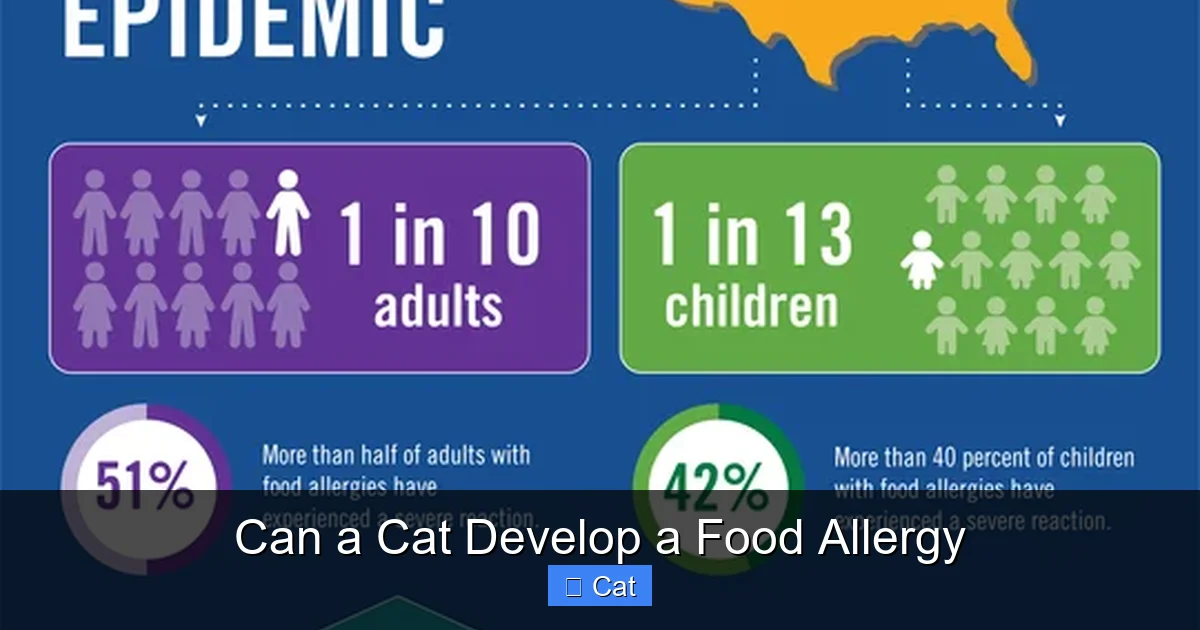
Visual guide about Can a Cat Develop a Food Allergy
Image source: foodallergy.org
You might be surprised to learn that food allergies in cats are almost always caused by proteins—not grains, fillers, or artificial additives. While marketing has led many to believe that corn, wheat, or soy are the main culprits, the reality is quite different. In fact, studies show that the most common allergens in cat food are animal-based proteins.
Beef tops the list, followed closely by dairy, fish, chicken, and eggs. These are all high-protein ingredients found in many commercial cat foods, which explains why allergies can develop even in cats eating “premium” or “natural” diets. The more exposure a cat has to a particular protein, the higher the chance their immune system might eventually react to it.
But why does this happen? Think of it like this: every time your cat eats a food containing beef, their immune system “meets” beef proteins. Most of the time, the system recognizes them as safe. But sometimes—due to genetics, gut health, or repeated exposure—the immune system becomes overly sensitive and starts tagging that protein as dangerous. The next time the cat eats beef, the immune system attacks, releasing histamines and other chemicals that cause inflammation and symptoms.
Environmental factors can also play a role. Cats with weakened immune systems, chronic stress, or other health issues (like inflammatory bowel disease) may be more prone to developing food allergies. Additionally, kittens fed a limited diet early in life might not develop the same tolerance to diverse proteins as those exposed to a variety of foods.
It’s also worth noting that food allergies are different from food sensitivities or intolerances. Sensitivities may cause mild digestive upset but don’t involve the immune system. Allergies, however, can lead to more severe and widespread symptoms, including skin infections, chronic itching, and even behavioral changes due to discomfort.
One common myth is that switching to a grain-free diet will prevent or cure food allergies. While grain-free foods are popular, they often still contain the same problematic proteins. In fact, some grain-free diets use novel proteins like duck or venison, which can be helpful during elimination trials—but they’re not inherently “allergy-proof.”
Another misconception is that raw diets are safer. While raw feeding has its advocates, it doesn’t eliminate the risk of food allergies. If your cat is allergic to chicken, feeding raw chicken will still trigger a reaction—no matter how “natural” it is.
Ultimately, the cause of a food allergy is complex and individual. It’s not about bad food or poor care—it’s about how your cat’s unique biology interacts with certain ingredients over time. And because symptoms can mimic other conditions (like flea allergies or infections), getting an accurate diagnosis is essential.
Common Symptoms of Food Allergies in Cats
Spotting a food allergy in your cat isn’t always straightforward. Unlike humans who might get hives or swelling, cats often show more subtle signs that can be mistaken for other health issues. That’s why it’s important to know what to look for—and to pay attention to patterns over time.
One of the most common symptoms is chronic itching, especially around the head, neck, and ears. Your cat may scratch, lick, or chew at their skin excessively, leading to hair loss, redness, or even open sores. This is often mistaken for flea allergies, but if you’ve ruled out fleas and your cat is still itching, food could be the culprit.
Skin infections are another red flag. Cats with food allergies are prone to recurrent ear infections, hot spots, or bacterial skin infections (pyoderma). These issues may come and go, responding temporarily to antibiotics or steroids, but they keep returning because the root cause—the allergic reaction—is still present.
Gastrointestinal symptoms are also common, though not always present. Some cats with food allergies experience vomiting, diarrhea, or increased gas. Others may have soft stools or need to go more frequently. Unlike food intolerances, which usually cause acute digestive upset, food allergy-related GI issues tend to be chronic and persistent.
Interestingly, not all cats show both skin and digestive symptoms. Some only itch. Others only have stomach problems. And a small percentage may show behavioral changes—like increased irritability, hiding, or overgrooming—due to the discomfort caused by their allergies.
Another clue is the timing of symptoms. If your cat’s itching or digestive issues started after a diet change—even years later—it could signal a developing allergy. Similarly, if symptoms improve when your cat eats a different food (like during a hospital stay or while visiting a friend), that’s a strong indicator.
It’s also important to note that food allergies rarely cause respiratory symptoms like sneezing or coughing in cats. If your cat has those issues, it’s more likely related to environmental allergens (like pollen or dust) or respiratory infections.
To help identify a food allergy, keep a symptom diary. Note when your cat scratches, vomits, or has loose stools, and what they ate in the past 24–48 hours. Over time, you might notice patterns—like symptoms flaring after meals containing chicken or fish.
Remember, these symptoms can also be caused by other conditions, such as:
– Flea allergy dermatitis
– Environmental allergies (atopy)
– Parasites (like giardia)
– Inflammatory bowel disease (IBD)
– Thyroid issues
That’s why self-diagnosis can be risky. What looks like a food allergy might actually be something else entirely. For example, cats with IBD may have similar GI symptoms but won’t improve on an elimination diet. Only a vet can help differentiate between these conditions.
How Are Food Allergies Diagnosed in Cats?
Diagnosing a food allergy in cats is a process—and it’s not as simple as running a blood test. Unfortunately, there’s no quick or reliable lab test that can definitively confirm a food allergy. Instead, veterinarians rely on a method called an elimination diet trial, which is considered the gold standard.
Here’s how it works: your vet will recommend feeding your cat a special diet containing a single protein and carbohydrate source that your cat has never eaten before. These are called “novel” ingredients. For example, if your cat has only ever eaten chicken, beef, and fish, the vet might suggest a diet with rabbit and potato or duck and pea.
The key is strict adherence. During the trial—which typically lasts 8 to 12 weeks—your cat must eat *only* the prescribed food. No treats, table scraps, flavored medications, or even toothpaste. Even a small amount of the allergen can trigger symptoms and ruin the trial.
Why so strict? Because food allergies involve the immune system, and even trace exposure can cause a reaction. For instance, if your cat is allergic to chicken and you give them a chicken-flavored dewormer, the trial results will be invalid.
Some vets may recommend a hydrolyzed protein diet instead of a novel protein diet. In these foods, the proteins are broken down into such small pieces that the immune system no longer recognizes them as allergens. Brands like Hill’s z/d or Royal Canin Hypoallergenic are commonly used.
Throughout the trial, you’ll monitor your cat’s symptoms. If the itching, vomiting, or diarrhea improves significantly—usually within 4 to 8 weeks—it’s a strong sign of a food allergy. If there’s no improvement, the vet may explore other causes, such as environmental allergies or infections.
Once symptoms resolve, the next step is a food challenge. Your vet will ask you to reintroduce your cat’s old food (or a suspected allergen) to see if symptoms return. If they do, the diagnosis is confirmed. If not, the allergy may not be food-related.
It’s important to work closely with your vet during this process. They can help choose the right diet, monitor your cat’s health, and rule out other conditions. They may also recommend skin or blood tests to check for environmental allergies, which can coexist with food allergies.
One common mistake owners make is starting an elimination diet on their own, using over-the-counter “limited ingredient” or “grain-free” foods. While these may seem helpful, many still contain common allergens or cross-contaminants. For example, a “salmon and sweet potato” diet might be processed in a facility that also handles chicken, leading to accidental exposure.
Another pitfall is giving up too soon. Some owners see minor improvements and assume the problem is solved, only to reintroduce the allergen and see symptoms return. The full 8–12 weeks are necessary to ensure accurate results.
Treatment and Management of Food Allergies in Cats
Once a food allergy is confirmed, the treatment is straightforward: avoid the allergen for life. There’s no cure for food allergies in cats, but with proper management, most cats live completely normal, comfortable lives.
The first step is identifying the specific ingredient causing the reaction. This is done through the food challenge phase of the elimination diet. For example, if your cat’s symptoms return after eating beef, you’ll know beef is the culprit. If they react to chicken, that’s the allergen. Sometimes, cats are allergic to more than one ingredient, so multiple challenges may be needed.
Once you know what to avoid, you’ll need to read every label carefully. Allergens can hide in unexpected places—like flavorings, broths, or supplements. For instance, “natural flavoring” might contain chicken extract, even in a fish-based food. Always choose foods with clear, simple ingredient lists.
Many owners find success with prescription hypoallergenic diets, which are formulated to minimize allergic reactions. These are available in both novel protein and hydrolyzed forms and are often more reliable than over-the-counter options.
If you prefer to feed homemade meals, work with a veterinary nutritionist to ensure the diet is balanced. Cats have specific nutritional needs (like taurine and arachidonic acid), and an unbalanced homemade diet can lead to serious health problems over time.
Treats are another consideration. Most commercial cat treats contain common allergens like chicken or fish. Instead, look for single-ingredient treats made from the safe protein in your cat’s diet—like freeze-dried rabbit or duck. You can also use small pieces of the novel protein food as treats during training.
Flavored medications can also be a problem. If your cat needs pills, ask your vet for unflavored versions or compounding options. Some pharmacies can make medications in alternative forms (like transdermal gels) to avoid oral exposure.
It’s also important to be vigilant about cross-contamination. If you have multiple pets, feed them separately to prevent your allergic cat from stealing food. Wash food bowls thoroughly, and store foods in sealed containers.
While food allergies require lifelong management, they don’t have to limit your cat’s quality of life. With the right diet and routine, most allergic cats remain happy, active, and symptom-free. Regular check-ups with your vet can help monitor their overall health and catch any new issues early.
Prevention and Long-Term Outlook
Can you prevent food allergies in cats? Unfortunately, there’s no guaranteed way. Unlike some health conditions, food allergies aren’t caused by a single factor you can control. Genetics, early diet, gut health, and environmental exposures all play a role—and many of these are beyond your influence.
That said, there are steps you can take to support your cat’s overall health and potentially reduce the risk. Feeding a varied diet early in life—especially during kittenhood—may help the immune system develop tolerance to a wider range of proteins. However, this doesn’t mean constantly switching brands or flavors, which can upset the stomach. Instead, consider rotating between a few high-quality, balanced diets with different protein sources.
Maintaining a healthy gut microbiome is also important. Probiotics designed for cats (like FortiFlora) may support digestive health, though they won’t prevent allergies. A diet rich in omega-3 fatty acids (from fish oil or algae) can help reduce inflammation and support skin health, which may lessen the severity of allergic reactions.
Regular veterinary care is essential. Routine check-ups can catch early signs of allergies or other conditions before they become severe. Your vet can also help you choose the best diet for your cat’s age, weight, and health status.
For cats already diagnosed with food allergies, the long-term outlook is excellent—as long as the allergen is avoided. Most cats adapt well to their new diet and experience complete resolution of symptoms. Some may need occasional vet visits to monitor for secondary issues, like skin infections, but with proper care, they can live full, happy lives.
It’s also worth noting that food allergies don’t typically worsen over time. Once managed, they remain stable. However, cats can develop new allergies later in life, so staying alert to changes in behavior or health is important.
Ultimately, while food allergies can be frustrating to diagnose and manage, they’re highly treatable. With patience, consistency, and support from your vet, your cat can thrive—even with dietary restrictions.
Frequently Asked Questions
Can a cat develop a food allergy suddenly?
Yes, cats can develop food allergies at any age—even to foods they’ve eaten for years. Allergies develop over time due to repeated exposure, so a sudden reaction doesn’t mean the food is bad—it means the immune system has become sensitized.
Are food allergies the same as food intolerances in cats?
No. Food intolerances affect the digestive system and cause issues like gas or diarrhea, but don’t involve the immune system. Food allergies trigger an immune response and can cause skin, digestive, or ear problems.
Can grain-free diets prevent food allergies in cats?
Not necessarily. Most cat food allergies are caused by animal proteins like beef, chicken, or fish—not grains. Switching to grain-free food won’t help if the allergen is a protein.
How long does it take to see improvement on an elimination diet?
Most cats show improvement within 4 to 8 weeks, but the full trial should last 8 to 12 weeks for accurate results. Some cats may take longer, especially if symptoms are severe.
Can I test my cat for food allergies at home?
No reliable at-home test exists. Blood or saliva tests sold online are not accurate for diagnosing food allergies in cats. An elimination diet under veterinary supervision is the only proven method.
Will my cat ever outgrow a food allergy?
Food allergies in cats are typically lifelong. Once diagnosed, the allergen must be avoided permanently. However, with proper management, symptoms can be completely controlled.