
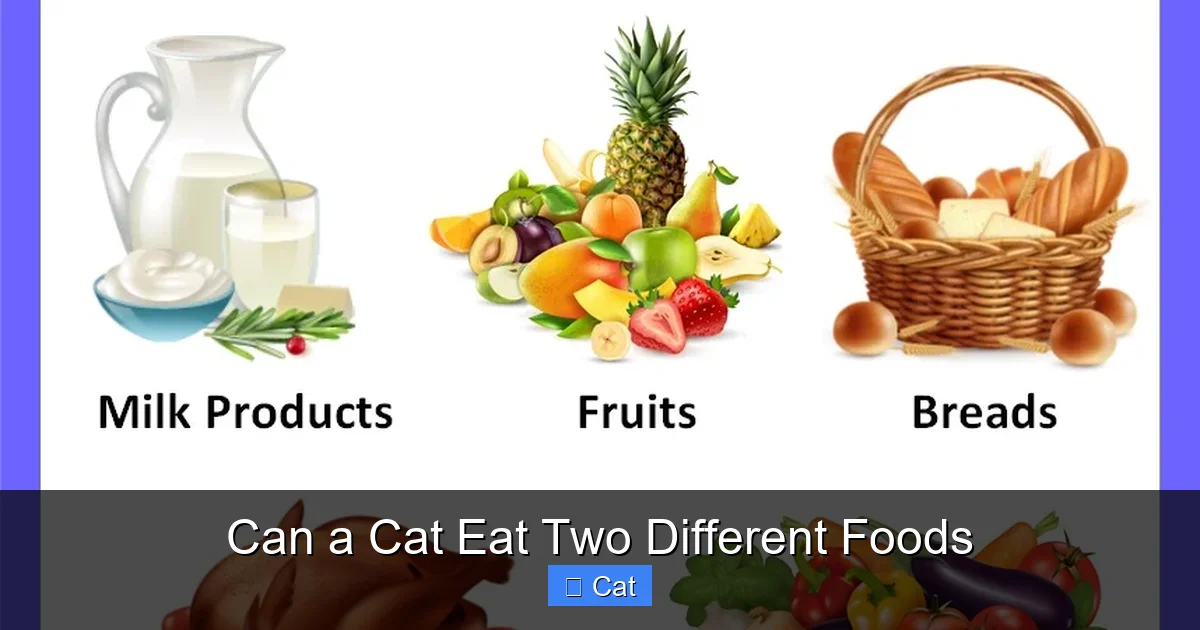
Yes, a cat can eat two different foods, but it must be done carefully to avoid digestive upset and ensure balanced nutrition. Mixing or rotating foods can provide variety and health benefits, but sudden changes or incompatible ingredients may harm your cat. Always consult your vet and transition slowly.
Key Takeaways
- Gradual transitions are essential: Sudden food changes can upset your cat’s stomach. Always mix old and new food over 7–10 days.
- Rotational feeding can boost nutrition: Switching between high-quality foods may expose your cat to a broader range of nutrients and reduce allergy risks.
- Not all foods are compatible: Avoid mixing wet and dry foods with drastically different ingredients, especially if one contains allergens or fillers.
- Monitor for digestive issues: Watch for vomiting, diarrhea, or lethargy when introducing new foods. These may signal intolerance.
- Consult your veterinarian: Especially for kittens, seniors, or cats with health conditions, professional guidance ensures safe dietary changes.
- Quality matters more than quantity: Choose premium, species-appropriate foods with real meat as the first ingredient, regardless of variety.
- Hydration is key with dry food: If mixing dry food into your cat’s diet, ensure they drink enough water to prevent urinary issues.
📑 Table of Contents
- Can a Cat Eat Two Different Foods? A Complete Guide for Pet Parents
- Why Variety Matters: The Benefits of Feeding Multiple Foods
- Types of Food Combinations: Wet, Dry, and Rotational Feeding
- How to Safely Introduce a Second Food
- Potential Risks and When to Avoid Mixing Foods
- Expert Tips for Success: Making the Most of a Varied Diet
- Conclusion: Yes, Your Cat Can Eat Two Different Foods—Safely
Can a Cat Eat Two Different Foods? A Complete Guide for Pet Parents
If you’ve ever stood in the pet food aisle wondering whether to stick with one brand or try something new, you’re not alone. Many cat owners ask: Can a cat eat two different foods? The short answer is yes—but it’s not as simple as pouring two kibbles into the same bowl and hoping for the best.
Cats are obligate carnivores, meaning their bodies are designed to thrive on a meat-based diet. Unlike dogs, they have specific nutritional needs that must be met consistently. However, that doesn’t mean they can’t enjoy variety. In fact, offering different high-quality foods can enrich their diet, prevent boredom, and even support long-term health. The key is doing it the right way.
This guide will walk you through everything you need to know about feeding your cat two different foods—whether you’re mixing wet and dry, rotating brands, or introducing a new recipe. We’ll cover the benefits, potential risks, and step-by-step strategies to keep your feline friend happy, healthy, and well-nourished.
Why Variety Matters: The Benefits of Feeding Multiple Foods
You might think sticking to one food is simpler—and in some ways, it is. But there are real advantages to offering your cat more than one type of food, as long as it’s done thoughtfully.
Broader Nutritional Profile
No single cat food contains every nutrient in perfect balance for every cat. By rotating between two or more high-quality foods, you can expose your cat to a wider range of proteins, fats, vitamins, and minerals. For example, one brand might use salmon as the primary protein, while another features chicken or duck. This variety can help ensure your cat gets a more complete amino acid profile, especially important for taurine, an essential nutrient for heart and eye health.
Reduced Risk of Food Sensitivities
Just like humans, cats can develop sensitivities or intolerances to certain ingredients over time—especially if they eat the same food every day for months or years. Rotating proteins (like rotating between beef, turkey, and fish) may help prevent the development of food allergies. If your cat starts showing signs of itching, ear infections, or digestive issues, a food sensitivity could be the culprit. A varied diet can reduce the likelihood of this happening.
Increased Palatability and Appetite
Some cats are picky eaters. Offering different textures and flavors—such as pâté, shreds, or gravy-based wet food—can make mealtime more exciting. This is especially helpful for senior cats or those with dental issues who may lose interest in food. Mixing a small amount of wet food into dry kibble can also enhance flavor and encourage eating.
Hydration Support
Wet food has a high moisture content—often 70–80%—which helps keep your cat hydrated. This is crucial because many cats don’t drink enough water on their own, putting them at risk for urinary tract issues like crystals or infections. If your cat primarily eats dry food, mixing in wet food can significantly boost their water intake and support kidney and bladder health.
Mimicking Natural Feeding Behavior
In the wild, cats eat multiple small meals throughout the day, often from different prey. This natural behavior supports a varied diet. While domestic cats don’t hunt, offering different foods can satisfy their instinctual desire for variety and mental stimulation.
Types of Food Combinations: Wet, Dry, and Rotational Feeding
Now that we know why variety can be beneficial, let’s explore the different ways you can feed your cat two different foods.
Mixing Wet and Dry Food
One of the most common combinations is feeding both wet and dry food. This approach gives you the best of both worlds: the hydration and palatability of wet food, plus the convenience and dental benefits (to some extent) of dry kibble.
For example, you might feed your cat a small portion of wet food in the morning and leave out a measured amount of dry food for grazing throughout the day. Or, you could mix a spoonful of wet food into their dry kibble to make it more appealing.
Tip: If you mix wet and dry food, serve it immediately. Wet food left out too long can spoil or become unappetizing, and dry food can absorb moisture and go stale.
Rotating Between Brands or Recipes
Rotational feeding means switching your cat’s food every few weeks or months. For instance, you might feed Brand A chicken formula for three weeks, then switch to Brand B salmon recipe for the next three weeks.
This method is great for preventing food boredom and reducing the risk of developing sensitivities. However, it’s important to rotate between foods that are nutritionally complete and balanced. Avoid switching between vastly different formulas—like a grain-free kibble and a raw diet—without veterinary guidance.
Combining Different Protein Sources
Another way to add variety is by offering different protein sources. For example, one week your cat might eat a turkey-based wet food, and the next week, a duck or rabbit formula. This is especially helpful if your cat has shown signs of sensitivity to common proteins like chicken or beef.
Just remember: always check the ingredient list. Some “novel” proteins (like venison or kangaroo) may still contain traces of common allergens if processed in the same facility.
Supplementing with Treats or Toppers
While not a full meal, adding food toppers—like freeze-dried meat bits, bone broth, or cat-safe broth—can count as a second food. These can be sprinkled over regular meals to boost flavor and nutrition.
For example, a small amount of freeze-dried salmon can turn a bland kibble into a gourmet feast. Just make sure treats and toppers don’t exceed 10% of your cat’s daily caloric intake.
How to Safely Introduce a Second Food
Even if two foods are healthy on their own, combining them incorrectly can cause problems. The biggest risk? Digestive upset.
Why Sudden Changes Are Dangerous
A cat’s digestive system is sensitive. Their gut microbiome—the community of good bacteria that helps digest food—adapts to a specific diet. When you suddenly switch or mix foods, especially those with different ingredients or textures, it can disrupt this balance.
Common signs of digestive upset include:
– Vomiting
– Diarrhea or soft stools
– Loss of appetite
– Lethargy or discomfort
These symptoms usually appear within 24–48 hours of a food change.
The 7–10 Day Transition Rule
To avoid stomach issues, always transition slowly. Here’s a simple guide:
- Days 1–2: Mix 25% new food with 75% old food.
- Days 3–4: Use 50% new and 50% old.
- Days 5–6: Try 75% new and 25% old.
- Day 7 and beyond: Serve 100% new food (or your desired mix).
If your cat shows any signs of discomfort, slow down the process or go back to the previous ratio for a few more days.
Tips for a Smooth Transition
– Warm wet food slightly to enhance aroma (cats rely heavily on smell).
– Feed at the same times each day to establish routine.
– Keep water fresh and accessible, especially when introducing wet food.
– Avoid mixing foods with drastically different ingredients (e.g., grain-free vs. grain-inclusive) unless advised by a vet.
Potential Risks and When to Avoid Mixing Foods
While variety has benefits, it’s not always the right choice for every cat. Here are some situations where caution is needed.
Cats with Medical Conditions
If your cat has a health issue—such as kidney disease, diabetes, or inflammatory bowel disease (IBD)—their diet must be carefully managed. These conditions often require prescription or therapeutic diets formulated for specific needs.
Mixing a regular food with a prescription diet can reduce its effectiveness. For example, a kidney-support food is designed to be low in phosphorus. Adding a high-phosphorus food could undermine treatment.
Always consult your veterinarian before changing the diet of a cat with a medical condition.
Kittens and Senior Cats
Kittens need nutrient-dense food to support growth, while senior cats may need fewer calories and more joint support. Mixing foods not formulated for their life stage can lead to nutritional imbalances.
For kittens, stick to kitten-specific formulas. For seniors, choose foods labeled for “mature” or “senior” cats. If you want to add variety, do so within the appropriate category.
Foods with Conflicting Ingredients
Not all cat foods are created equal. Some contain fillers, artificial preservatives, or low-quality proteins that can cause issues when mixed with higher-quality options.
For example, mixing a premium grain-free food with a budget brand that uses corn or soy as fillers may lead to digestive problems or nutrient deficiencies over time.
Always read labels and choose foods with:
– Real meat as the first ingredient
– No artificial colors, flavors, or preservatives
– AAFCO (Association of American Feed Control Officials) nutritional adequacy statement
Overfeeding and Weight Gain
When you feed two different foods, it’s easy to accidentally overfeed. For instance, if you give a full portion of wet food and also leave out dry food, your cat might consume more calories than needed.
Obesity is a serious issue in cats and can lead to diabetes, joint problems, and reduced lifespan. Use a measuring cup or kitchen scale to portion meals accurately, and adjust based on your cat’s weight and activity level.
Expert Tips for Success: Making the Most of a Varied Diet
Ready to try feeding your cat two different foods? Here are some practical tips to help you succeed.
Keep a Feeding Journal
Track what you feed, when, and how your cat responds. Note any changes in energy, coat condition, stool quality, or behavior. This can help you identify which foods your cat tolerates best.
Rotate, Don’t Randomize
Instead of switching foods every few days, rotate on a schedule—like every 4–6 weeks. This gives your cat’s system time to adjust and makes it easier to spot patterns.
Choose Complementary Foods
Look for foods that balance each other. For example, if one food is high in protein but low in fat, pair it with one that has a better fat balance. Avoid doubling up on ingredients like fish, which can lead to mercury exposure over time.
Watch for Allergic Reactions
Even with slow transitions, some cats may react to new ingredients. Signs of a food allergy include:
– Persistent itching or scratching
– Hair loss or skin sores
– Chronic ear infections
– Vomiting or diarrhea that doesn’t improve
If you suspect an allergy, work with your vet to identify the culprit and adjust the diet.
Don’t Forget Hydration
If you’re feeding more dry food, encourage drinking by:
– Using a cat water fountain
– Placing multiple water bowls around the house
– Adding water or broth to meals
Conclusion: Yes, Your Cat Can Eat Two Different Foods—Safely
So, can a cat eat two different foods? Absolutely—when done correctly. Variety in your cat’s diet can enhance nutrition, support hydration, reduce the risk of food sensitivities, and make mealtime more enjoyable. Whether you’re mixing wet and dry, rotating proteins, or adding tasty toppers, the key is to prioritize quality, transition slowly, and monitor your cat’s response.
Remember, every cat is unique. What works for one may not work for another. Always consult your veterinarian before making significant changes, especially if your cat has health concerns. With patience and care, you can create a balanced, varied diet that keeps your feline friend healthy, happy, and excited for dinner.
Frequently Asked Questions
Can I mix wet and dry cat food in the same bowl?
Yes, you can mix wet and dry food, but serve it right away. Wet food can spoil quickly, and dry kibble may absorb moisture and lose its crunch. Mixing can enhance flavor and hydration, making it a great option for picky eaters.
How often should I rotate my cat’s food?
Rotating every 4–6 weeks is a good rule of thumb. This allows your cat’s digestive system to adjust and helps prevent food sensitivities. Avoid switching too frequently, as it may cause stomach upset.
Is it safe to feed my cat raw and cooked food together?
It’s not recommended to mix raw and cooked foods without veterinary guidance. Raw diets require careful handling to avoid bacterial contamination, and combining them with cooked food can increase risks. Always consult your vet before introducing raw food.
Can mixing foods cause diarrhea in cats?
Yes, sudden changes or incompatible ingredients can lead to diarrhea. Always transition slowly over 7–10 days and monitor your cat’s stool. If diarrhea persists, stop the new food and contact your vet.
Should I feed different foods to my kitten and adult cat?
Yes, kittens and adult cats have different nutritional needs. Kittens require higher calories and specific nutrients for growth. Feed each cat a formula designed for their life stage, even if they live in the same household.
Can I use food toppers as a second food?
Yes, food toppers like freeze-dried meat or broth can count as a second food. They add flavor and nutrition, but should not exceed 10% of your cat’s daily caloric intake to avoid overfeeding.