

Food allergies in cats can cause itchy skin, digestive issues, and chronic discomfort. This guide walks you through identifying symptoms, diagnosing triggers, and managing your cat’s diet for long-term relief and better health.
Key Takeaways
- Recognize common symptoms: Itchy skin, ear infections, vomiting, or diarrhea may signal a food allergy, not just a sensitivity.
- Work with your vet: A proper diagnosis requires professional guidance—never self-diagnose or abruptly change your cat’s diet.
- Try an elimination diet: This gold-standard method helps pinpoint the exact ingredient causing the reaction.
- Choose hypoallergenic or limited-ingredient foods: These diets reduce exposure to common allergens like chicken, beef, or grains.
- Read labels carefully: Hidden ingredients or cross-contamination in treats and food can trigger reactions.
- Be patient and consistent: It can take 8–12 weeks to see improvement during an elimination trial.
- Monitor long-term: Even after identifying allergens, ongoing management is key to preventing flare-ups.
How to Address Food Allergies in Cats
If your cat is scratching constantly, has recurring ear infections, or suffers from an upset stomach, food allergies could be the culprit. Unlike food intolerances—which mainly affect digestion—food allergies trigger an immune response that can impact your cat’s skin, coat, and overall well-being. The good news? With the right approach, you can identify the problem and help your feline friend feel better.
In this comprehensive guide, you’ll learn how to recognize the signs of food allergies in cats, work with your veterinarian to confirm a diagnosis, and implement a safe and effective dietary plan. We’ll walk you through elimination diets, explain how to choose the best hypoallergenic foods, and share practical tips for managing your cat’s long-term health. Whether you’re a new cat parent or a seasoned pet owner, this step-by-step guide will give you the tools to tackle food allergies with confidence.
Understanding Food Allergies in Cats
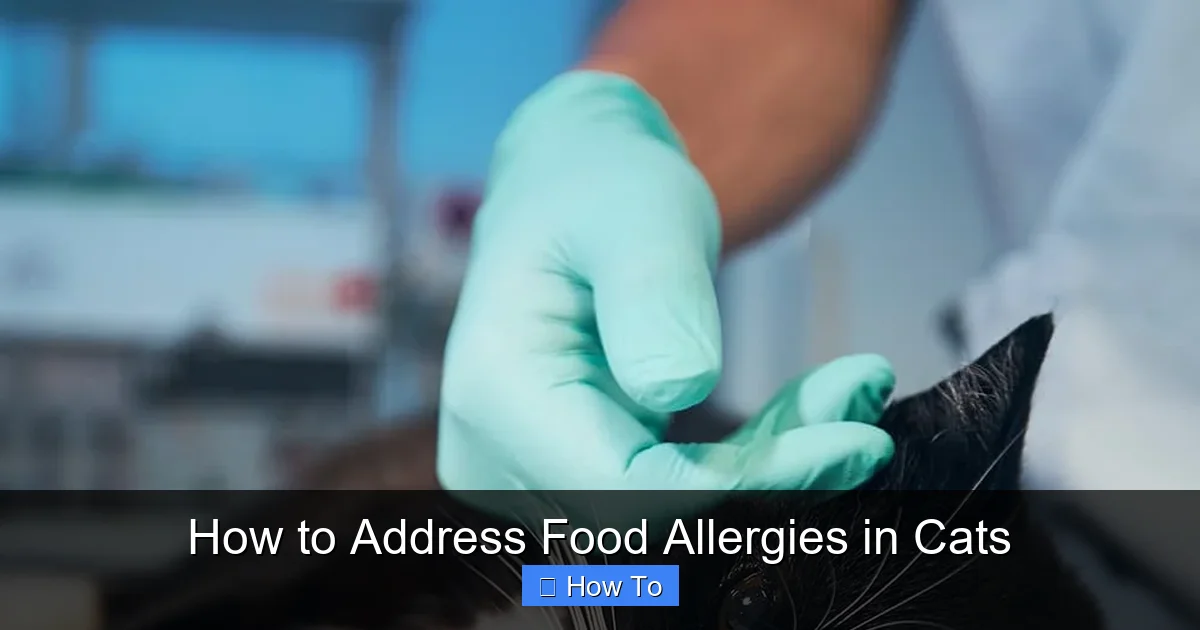
Visual guide about How to Address Food Allergies in Cats
Image source: kittycounty.com
Before diving into solutions, it’s important to understand what food allergies actually are—and what they’re not.
A food allergy occurs when your cat’s immune system mistakenly identifies a harmless food protein as a threat. In response, it produces antibodies that trigger inflammation and symptoms. Common allergens include proteins like chicken, beef, dairy, fish, and eggs, as well as grains like wheat and corn. Surprisingly, cats can develop allergies to foods they’ve eaten for years—so even a “safe” diet can become problematic over time.
It’s also easy to confuse food allergies with food intolerances. While both can cause digestive upset, only allergies involve the immune system and often lead to skin problems like itching, hair loss, or hot spots. Environmental allergies (like pollen or dust mites) can mimic food allergy symptoms, so accurate diagnosis is crucial.
Common Symptoms of Food Allergies in Cats
Food allergies in cats don’t always show up as vomiting or diarrhea. In fact, skin issues are the most common sign. Watch for:
- Persistent itching, especially around the head, neck, and ears
- Red, inflamed skin or rashes
- Excessive grooming leading to bald patches
- Recurrent ear infections
- Chronic vomiting or diarrhea
- Flatulence or soft stools
- Hair loss not related to parasites
These symptoms can develop gradually, so you might not notice them right away. If your cat has been dealing with any of these issues for more than a few weeks, it’s time to consider a food allergy.
Step 1: Consult Your Veterinarian
Never assume your cat has a food allergy without professional input. Many conditions—such as flea allergy dermatitis, bacterial infections, or inflammatory bowel disease—can cause similar symptoms.
Your vet will start with a thorough physical exam and may run tests to rule out other causes. This might include skin scrapings, blood work, or fecal exams. Only after other issues are ruled out should you begin investigating food allergies.
Why a Vet’s Role Is Essential
Your veterinarian can guide you through the diagnostic process and help you design a safe elimination diet. They’ll also monitor your cat’s health during the trial period, especially if your cat has other medical conditions.
For example, if your cat is underweight or has kidney disease, your vet may recommend a prescription diet rather than an over-the-counter option. They can also advise on how to transition foods safely to avoid digestive upset.
Step 2: Start an Elimination Diet
The most reliable way to diagnose a food allergy is through an elimination diet. This involves feeding your cat a novel protein and carbohydrate source they’ve never eaten before—or a hydrolyzed diet where proteins are broken down so the immune system doesn’t recognize them.
What Is a Novel Protein?
A novel protein is one your cat hasn’t been exposed to. Common examples include duck, rabbit, venison, or kangaroo. The idea is to remove all potential allergens and see if symptoms improve.
What Is a Hydrolyzed Diet?
Hydrolyzed diets use proteins that have been chemically broken into tiny pieces. Because the proteins are so small, the immune system doesn’t react to them. These diets are often prescription-only and formulated by veterinary nutritionists.
How to Implement the Elimination Diet
Follow these steps carefully:
- Choose the right food: Work with your vet to select a novel protein or hydrolyzed diet. Avoid “grain-free” or “limited-ingredient” foods that still contain common allergens like chicken or beef.
- Feed only the test diet: For 8–12 weeks, your cat must eat ONLY the elimination food. No treats, table scraps, flavored medications, or even toothpaste.
- Monitor symptoms: Keep a journal of your cat’s itching, vomiting, diarrhea, or skin condition. Improvement usually starts within 2–4 weeks, but full results may take up to 12 weeks.
- Be consistent: One slip-up—like giving a chicken-flavored treat—can ruin the entire trial and delay diagnosis.
Example of a Successful Elimination Diet
Let’s say your cat has been eating a chicken-and-rice kibble for years. You switch to a rabbit-and-pea formula. For 10 weeks, you feed only that food. After six weeks, you notice your cat’s itching has decreased by 80%, and the ear infections have stopped. This suggests a food allergy—likely to chicken.
Step 3: Reintroduce Suspected Allergens (Provocation Testing)
Once your cat’s symptoms have cleared, it’s time to confirm the allergy through provocation testing.
How It Works
After the elimination period, you’ll reintroduce one suspected allergen at a time—such as chicken, beef, or wheat—and monitor for a reaction. If symptoms return within days, that ingredient is likely the culprit.
Step-by-Step Provocation Process
- Wait until symptoms are fully resolved (usually 8–12 weeks on the elimination diet).
- Choose one ingredient to test (e.g., chicken).
- Feed a small amount of food containing that ingredient for 1–2 weeks.
- If symptoms return, stop immediately and return to the elimination diet.
- If no reaction occurs, try the next suspected ingredient.
This process helps you identify exactly which foods to avoid long-term.
Step 4: Choose the Right Long-Term Diet
Once you’ve identified the allergen, it’s time to find a safe, balanced diet your cat can thrive on.
Options for Managing Food Allergies
- Novel protein diets: Continue feeding a food with a protein your cat has never eaten. Rotate proteins occasionally to reduce the risk of developing new allergies.
- Hydrolyzed diets: Ideal for cats with multiple allergies or severe reactions. These are often prescription-only but highly effective.
- Homemade diets: Only under veterinary supervision. Homemade meals must be nutritionally complete to avoid deficiencies.
What to Look for on Pet Food Labels
Reading labels is crucial. Avoid vague terms like “meat by-products” or “animal digest.” Instead, look for:
- Named protein sources (e.g., “duck,” not “poultry”)
- Limited ingredients (fewer than 10 main components)
- No artificial colors, flavors, or preservatives
- Clear allergen statements (e.g., “made without chicken”)
Recommended Brands (Vet-Approved)
Some trusted brands for food-allergic cats include:
- Hill’s Prescription Diet z/d (hydrolyzed)
- Royal Canin Hypoallergenic Hydrolyzed Protein
- Purina Pro Plan Veterinary Diets HA Hydrolyzed
- Natural Balance L.I.D. Limited Ingredient Diets (novel proteins)
- Wellness Simple Limited Ingredient Diets
Always consult your vet before switching brands, especially with prescription diets.
Step 5: Manage Treats and Supplements
Even small amounts of allergens in treats can trigger a reaction. Be just as careful with snacks as you are with meals.
Safe Treat Options
- Single-ingredient treats made from the same novel protein (e.g., freeze-dried rabbit)
- Prescription hypoallergenic treats (available through your vet)
- Homemade treats using safe ingredients (e.g., cooked duck and sweet potato)
Avoid treats with meat meals, by-products, or “natural flavors” that may contain hidden allergens.
Medications and Supplements
Some medications, like flea preventatives or vitamins, come in flavored forms. Ask your vet for unflavored or hypoallergenic versions. Omega-3 fatty acids can help reduce inflammation and improve skin health, but choose fish-free options if your cat is allergic to fish.
Step 6: Prevent Cross-Contamination
Cross-contamination happens when allergens from one food mix with another—even in tiny amounts.
How to Avoid It
- Use separate bowls and utensils for your cat’s food.
- Wash food bowls daily with hot, soapy water.
- Store elimination diet food in a sealed container away from other pet foods.
- If you have multiple pets, feed them in separate areas to prevent food swapping.
Even residue from a chicken-based kibble in a food bowl can trigger a reaction in a sensitive cat.
Step 7: Monitor and Adjust Over Time
Food allergies aren’t a one-time fix. Your cat’s needs may change, and new allergies can develop.
Ongoing Care Tips
- Schedule regular vet check-ups to monitor skin and digestive health.
- Keep a symptom diary to track any changes.
- Rotate novel proteins every 6–12 months to reduce allergy risk.
- Reintroduce old foods cautiously—only if advised by your vet.
If symptoms return, go back to the elimination diet and reassess.
Troubleshooting Common Challenges
Even with the best plan, you might run into obstacles. Here’s how to handle them.
My Cat Won’t Eat the New Food
Some cats are picky eaters. Try:
- Warming the food slightly to enhance aroma
- Mixing a small amount of the old food initially (only if your vet approves)
- Offering the food at room temperature
- Using a different texture (wet vs. dry)
Never force a diet change that causes stress or refusal to eat.
Symptoms Aren’t Improving
If there’s no improvement after 8–12 weeks:
- Double-check for hidden allergens in treats, medications, or environment
- Ensure no other pets are sharing food
- Re-evaluate the diagnosis—could it be environmental allergies or parasites?
- Ask your vet about advanced testing or referral to a veterinary dermatologist
My Cat Has Multiple Allergies
Some cats react to more than one ingredient. In these cases, a hydrolyzed diet is often the best long-term solution. Work closely with your vet to manage complex cases.
Conclusion
Addressing food allergies in cats takes time, patience, and teamwork with your veterinarian. But the payoff—a happy, healthy, itch-free cat—is worth every effort.
Start by recognizing the symptoms, ruling out other conditions, and committing to a strict elimination diet. Once you’ve identified the trigger, choose a safe, balanced diet and stay vigilant about treats, labels, and cross-contamination. With consistent care, most cats with food allergies can live comfortably and enjoy a high quality of life.
Remember, every cat is unique. What works for one may not work for another. Stay observant, keep detailed notes, and don’t hesitate to seek professional help when needed. Your feline friend depends on you—and with the right approach, you can give them the relief they deserve.