
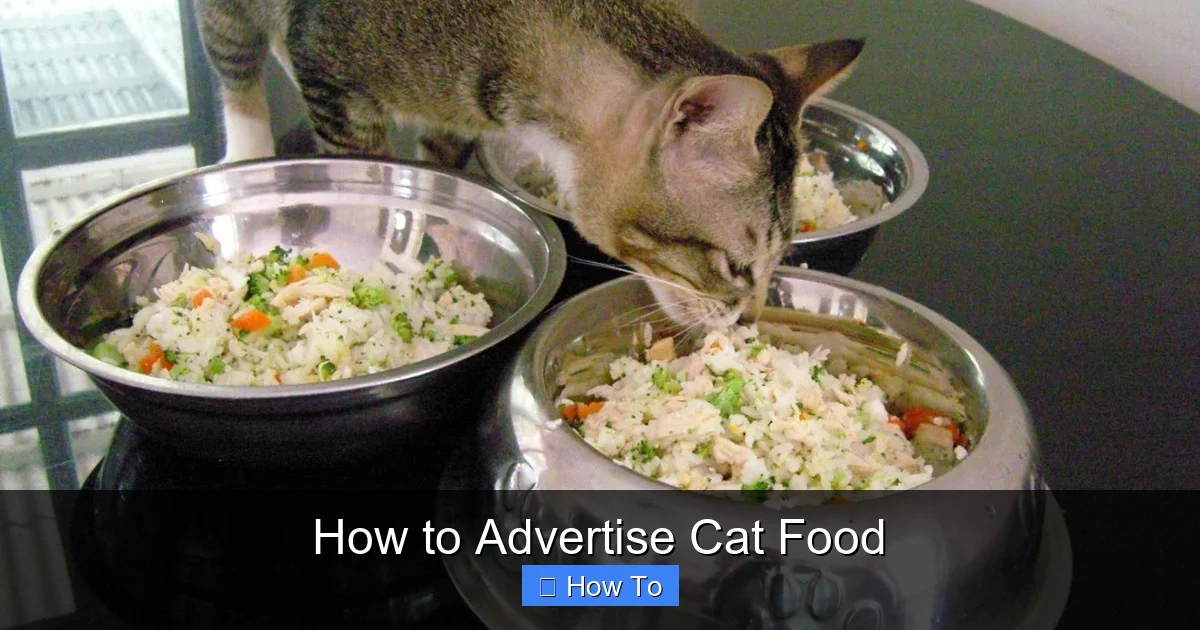
Discover how to advertise cat food with smart, budget-friendly strategies that connect with cat lovers. From social media to influencer partnerships, this guide covers everything you need to grow your brand and keep customers coming back.
Key Takeaways
- Know your audience: Understand what cat owners care about—nutrition, taste, price, and brand trust—to tailor your message.
- Use social media wisely: Platforms like Instagram and TikTok are perfect for sharing fun, engaging content like cat videos and feeding tips.
- Leverage influencer marketing: Partner with pet influencers to build credibility and reach thousands of loyal followers.
- Highlight unique selling points: Whether it’s grain-free, organic, or vet-recommended, make your product’s benefits clear and compelling.
- Run targeted ads: Use Facebook, Google, and Amazon ads to reach cat owners based on interests, location, and buying habits.
- Offer samples and promotions: Free samples and discounts encourage trial and help convert first-time buyers into loyal customers.
- Tell a story: Create emotional connections by sharing real stories about cats and their owners enjoying your food.
How to Advertise Cat Food: A Complete Step-by-Step Guide
If you’re in the pet food business—or thinking about launching a cat food brand—you know how competitive the market can be. With so many options on the shelf (and online), standing out is key. But don’t worry: advertising cat food doesn’t have to be complicated or expensive. With the right strategy, you can reach cat lovers, build trust, and grow your sales—even on a small budget.
In this guide, you’ll learn exactly how to advertise cat food effectively. We’ll cover everything from understanding your audience to launching digital campaigns, working with influencers, and measuring your success. Whether you’re selling premium kibble, wet food, or a niche product like hypoallergenic formulas, these tips will help you connect with pet parents and turn them into loyal customers.
Let’s dive in.
Step 1: Know Your Target Audience
Before you spend a single dollar on advertising, you need to know who you’re talking to. Not all cat owners are the same. Some prioritize organic ingredients, while others care more about price or convenience. Understanding your ideal customer will shape every part of your marketing plan.
Identify Your Ideal Customer
Ask yourself:
- Are they young professionals with busy schedules?
- Are they older adults with senior cats?
- Do they feed their cats raw or homemade diets?
- Are they budget-conscious or willing to pay more for premium food?
For example, if you sell high-end, grain-free cat food, your audience might be health-conscious pet owners who read ingredient labels and follow pet nutrition blogs. They’re likely active on Instagram and Facebook and trust recommendations from vets or influencers.
Create Customer Personas
Build a few detailed customer personas to guide your messaging. Here’s an example:
- Name: Sarah, 32
- Job: Marketing manager
- Cat: Luna, a 4-year-old Bengal mix
- Values: Natural ingredients, sustainability, convenience
- Buying habits: Shops online, reads reviews, follows pet influencers
Now, imagine Sarah scrolling through Instagram. What kind of ad would catch her eye? Maybe a short video showing Luna happily eating your food, with a caption like, “Grain-free. Vet-approved. Loved by picky eaters.” That’s the kind of message that speaks directly to her.
Research Competitors
Look at how other cat food brands advertise. Visit their websites, social media pages, and online stores. Ask:
- What tone do they use? (Playful? Scientific? Emotional?)
- What visuals do they use? (Cats playing? Close-ups of food?)
- What promotions do they run? (Free samples? Subscription discounts?)
This research helps you spot gaps and opportunities. Maybe most brands focus on kittens, but you can stand out by targeting senior cats. Or perhaps they use stock photos—so you can win with real customer photos.
Step 2: Define Your Unique Selling Proposition (USP)
Your USP is what makes your cat food different—and better—than the rest. It’s the reason someone should choose your brand over another.
Ask: What Makes Your Food Special?
Think about:
- Ingredients (e.g., real chicken, no fillers, organic)
- Benefits (e.g., supports digestion, shiny coat, weight control)
- Certifications (e.g., AAFCO-approved, vet-recommended)
- Packaging (e.g., eco-friendly, resealable)
- Price (e.g., affordable luxury, subscription savings)
For example:
- “Made with 100% human-grade chicken”
- “Formulated by veterinarians for sensitive stomachs”
- “Delivered fresh to your door every month”
Turn Your USP Into a Tagline
Your tagline should be short, memorable, and highlight your USP. Examples:
- “Taste they love. Nutrition they need.”
- “Real food for real cats.”
- “Feed the love. Feed the best.”
Use this tagline in your ads, website, packaging, and social media bios.
Step 3: Build a Strong Brand Identity
People don’t just buy cat food—they buy into a brand. A strong identity builds trust and loyalty.
Choose a Memorable Name and Logo
Your name should be easy to spell, pronounce, and remember. Avoid anything too similar to competitors. Your logo should reflect your brand personality—playful, elegant, scientific, or eco-friendly.
For example:
- A natural brand might use earthy colors and a leaf motif.
- A premium brand might use gold and sleek fonts.
- A fun brand might use bright colors and cartoon cats.
Develop a Consistent Voice
Your brand voice should match your audience. If you’re targeting young, fun-loving cat owners, your tone can be playful and witty. If you’re selling medical-grade food, be more professional and informative.
Example:
- Playful: “Your cat’s new favorite snack (and maybe yours too—we won’t tell!).”
- Professional: “Clinically proven to support urinary health in adult cats.”
Use this voice across all platforms—website, ads, emails, and packaging.
Step 4: Create Engaging Content
Great content grabs attention, builds trust, and encourages sharing. Here’s how to create content that works.
Use High-Quality Photos and Videos
Cats are photogenic—use that to your advantage! Post:
- Close-ups of your food (wet food glistening, kibble with visible pieces)
- Cats eating happily (real customers or models)
- Before-and-after shots (e.g., dull coat vs. shiny coat)
- Behind-the-scenes videos (e.g., how your food is made)
Tip: Use natural lighting and avoid filters that make food look fake.
Share Educational Content
Pet owners want to learn. Create content that helps them care for their cats:
- “5 Signs Your Cat Needs a Diet Change”
- “How to Transition Your Cat to New Food”
- “Why Protein Matters in Cat Food”
This positions your brand as helpful and trustworthy.
Tell Stories
Stories create emotional connections. Share:
- Customer testimonials (“Luna used to be picky—now she licks the bowl clean!”)
- Rescue cat success stories (“After adopting Max, we switched to [Brand]—his energy is back!”)
- Founder stories (“I started this brand after my cat got sick from cheap food.”)
People remember stories—not sales pitches.
Step 5: Use Social Media to Advertise Cat Food
Social media is one of the most powerful tools for advertising cat food. It’s visual, interactive, and perfect for reaching pet lovers.
Choose the Right Platforms
- Instagram: Great for photos, reels, and influencer collabs. Use hashtags like #CatFood, #PetLovers, #HealthyCats.
- TikTok: Perfect for short, fun videos. Try “A day in the life of a cat eating [Brand]” or “My cat’s reaction to new food.”
- Facebook: Ideal for longer posts, groups, and targeted ads. Join pet owner groups and share helpful tips.
- Pinterest: Use for infographics, feeding guides, and “cat care” boards.
Post Consistently
Aim for 3–5 posts per week. Mix it up:
- 2–3 educational or promotional posts
- 1–2 fun or user-generated content (UGC) posts
- 1–2 behind-the-scenes or story posts
Encourage User-Generated Content
Ask customers to share photos of their cats eating your food. Run a contest:
- “Post a photo with #MyCatLoves[Brand] and win a 3-month supply!”
UGC builds social proof and gives you free content.
Step 6: Run Targeted Online Ads
Paid ads let you reach specific audiences quickly. Here’s how to advertise cat food online.
Use Facebook and Instagram Ads
Facebook’s ad platform lets you target users based on:
- Interests (e.g., “cat lovers,” “pet owners,” “organic food”)
- Behaviors (e.g., “recently bought pet food online”)
- Location (e.g., urban areas with high pet ownership)
- Life events (e.g., “new pet owner”)
Create carousel ads showing different flavors, or video ads of cats enjoying your food.
Try Google Ads
When people search for “best cat food for sensitive stomachs” or “organic wet cat food,” your ad can appear at the top.
Use keywords like:
- “premium cat food”
- “grain-free cat food”
- “vet-recommended cat food”
Write compelling ad copy:
- “Vet-Approved Nutrition for Happy, Healthy Cats”
- “Real Chicken. No Fillers. Delivered Fresh.”
Advertise on Amazon
If you sell on Amazon, use Sponsored Products ads. These appear when users search for related items. Optimize your product title, images, and reviews to boost visibility.
Step 7: Partner with Pet Influencers
Influencer marketing is one of the most effective ways to advertise cat food. Pet influencers have loyal, engaged followers who trust their recommendations.
Find the Right Influencers
Look for micro-influencers (5K–50K followers) with high engagement. They’re often more affordable and authentic than big celebrities.
Use tools like:
- Instagram search (look for #CatInfluencer, #PetBlogger)
- Influencer platforms (e.g., AspireIQ, Upfluence)
- Google search (“top cat Instagram accounts”)
Reach Out with a Personal Pitch
Don’t send a generic email. Mention their content and explain why you’d be a good fit.
Example:
- “Hi [Name], I love your post about Luna’s food journey! We make grain-free wet food for sensitive cats—would you be open to a sample?”
Offer Value
Compensate influencers fairly. Options:
- Free product + payment
- Affiliate commission (they earn per sale)
- Long-term partnership (monthly posts)
Step 8: Offer Samples and Promotions
People won’t buy cat food they’ve never tried—especially if their cat is picky. Samples lower the barrier to entry.
Run a Free Sample Campaign
Offer free samples on your website:
- “Try before you buy! Get a free 3-oz sample.”
Promote it on social media and in ads. Use a simple form to collect emails—this builds your mailing list.
Launch Limited-Time Offers
Create urgency with promotions:
- “First box 50% off for new subscribers”
- “Buy 2, get 1 free—this week only!”
- “Free shipping on orders over $30”
Start a Subscription Service
Offer monthly deliveries with discounts. Subscriptions increase customer lifetime value and reduce churn.
Example:
- “Save 15% with auto-delivery. Skip or cancel anytime.”
Step 9: Get Featured in Pet Media
Earned media (free publicity) builds credibility.
Write Press Releases
Announce new products, partnerships, or milestones. Send to pet blogs, magazines, and news sites.
Example:
- “[Brand] Launches First-Ever Freeze-Dried Raw Cat Food”
Pitch Stories to Editors
Contact editors at:
- PetMD
- The Dodo
- Catster
- Modern Cat
Pitch unique angles:
- “How One Cat’s Health Improved on a New Diet”
- “The Rise of Sustainable Cat Food Brands”
Step 10: Measure and Improve
You can’t improve what you don’t measure. Track your results and adjust.
Use Analytics Tools
- Google Analytics: Track website traffic, bounce rate, and conversions.
- Facebook Ads Manager: See click-through rates, cost per click, and ROI.
- Email Marketing Software: Monitor open rates, click rates, and unsubscribe rates.
Test Different Approaches
Run A/B tests:
- Ad copy: “Grain-free” vs. “Vet-recommended”
- Images: Cat eating vs. close-up of food
- Offers: Free sample vs. 20% off
See what works best and double down on it.
Troubleshooting Common Problems
Problem: Low Engagement on Social Media
Solution: Post more interactive content—polls, quizzes, “caption this photo.” Ask questions like, “What’s your cat’s favorite treat?” and respond to every comment.
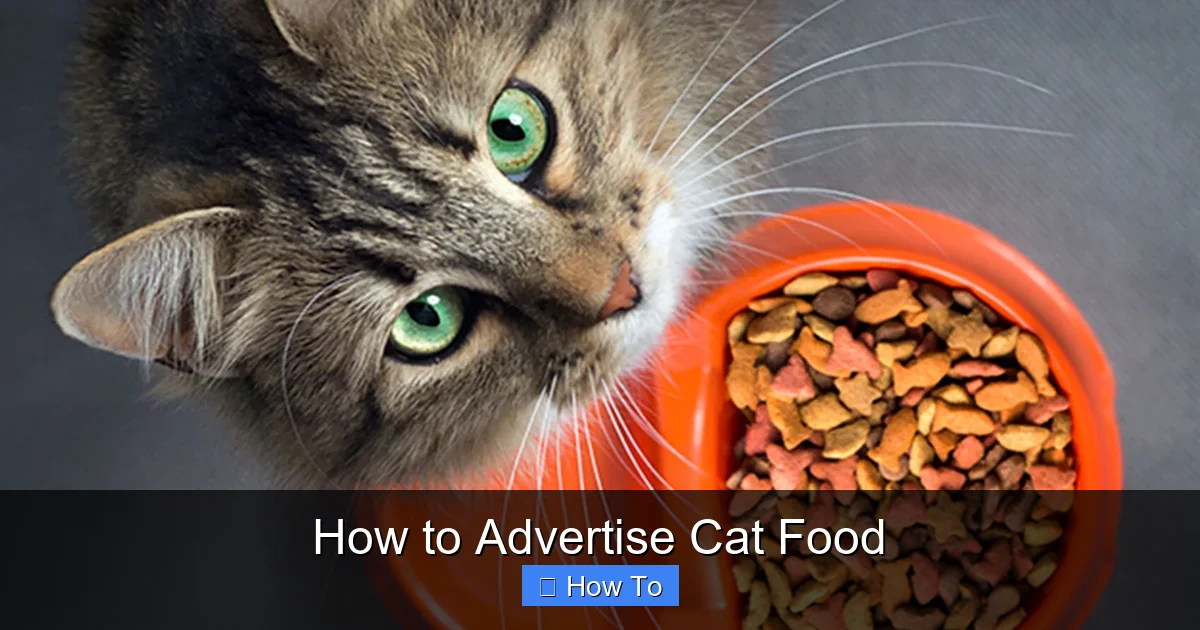
Visual guide about How to Advertise Cat Food
Image source: mypetguru.com
Problem: High Ad Costs, Low Conversions
Solution: Refine your targeting. Narrow your audience to people who’ve visited your website or engaged with your posts. Use retargeting ads to bring them back.
Problem: Negative Reviews
Solution: Respond professionally and offer help. “We’re sorry to hear that. Please DM us so we can make it right.” Turn critics into fans with great service.
Problem: Cats Won’t Eat the Food
Solution: Offer a money-back guarantee. Include feeding tips in your packaging: “Mix with current food for 7 days to ease transition.”
Conclusion
Advertising cat food doesn’t have to be overwhelming. Start by knowing your audience, highlighting what makes your product special, and using the right channels to reach pet owners. Whether you’re posting cute cat videos on TikTok, running targeted Facebook ads, or partnering with influencers, consistency and authenticity are key.
Remember: cat owners aren’t just buying food—they’re feeding their family. When you speak to their love, care, and concerns, you build lasting relationships. So be helpful, be honest, and always put the cat first.
With these strategies, you’ll not only advertise cat food—you’ll create a brand that cats love and owners trust.