
Discover how to aid cats reaction to food allergy through proper identification, dietary adjustments, and vet-guided treatment. This guide offers practical steps to ease symptoms and improve your cat’s quality of life.
Key Takeaways
- Recognize the signs: Vomiting, diarrhea, itchy skin, and ear infections can all signal a food allergy in cats. Early detection is key to effective management.
- Consult your veterinarian: Always get a professional diagnosis before assuming your cat has a food allergy. Other conditions can mimic similar symptoms.
- Try an elimination diet: This is the gold standard for identifying food allergens. Feed a novel protein and carbohydrate source for 8–12 weeks.
- Read labels carefully: Hidden ingredients like beef, dairy, or wheat in treats and supplements can trigger reactions even in small amounts.
- Use hypoallergenic or limited-ingredient diets: These specially formulated foods reduce the risk of allergic responses and support digestive health.
- Monitor and maintain consistency: Once you identify safe foods, stick to them. Sudden changes or treats with unknown ingredients can cause flare-ups.
- Support skin and coat health: Omega-3 fatty acids and regular grooming can help soothe irritated skin and reduce itching.
How to Aid Cats Reaction to Food Allergy
If your cat is scratching constantly, vomiting, or having digestive issues, they might be reacting to something in their food. Food allergies in cats are more common than many pet owners realize, and they can significantly impact your feline friend’s comfort and health. The good news? With the right approach, you can effectively manage and even eliminate these reactions.
This comprehensive guide will walk you through everything you need to know about how to aid cats reaction to food allergy. From recognizing the symptoms to working with your vet, implementing dietary changes, and maintaining long-term wellness, we’ll cover it all. Whether you’re dealing with a sudden onset of symptoms or managing a chronic condition, these practical steps will help you support your cat’s health and happiness.
Let’s dive in and learn how to give your cat the relief they deserve.
Understanding Food Allergies in Cats
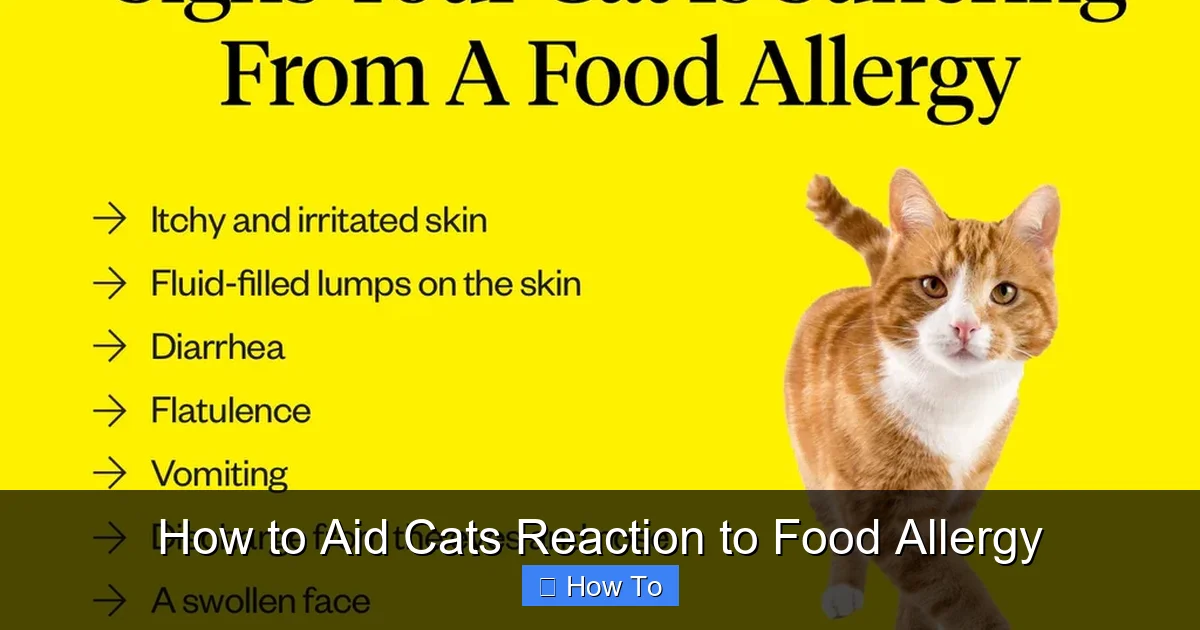
Visual guide about How to Aid Cats Reaction to Food Allergy
Image source: cdn.shopify.com
Before you can help your cat, it’s important to understand what a food allergy actually is. A food allergy occurs when your cat’s immune system mistakenly identifies a specific ingredient—usually a protein—as harmful. In response, it triggers an inflammatory reaction that can affect the skin, digestive system, or both.
It’s easy to confuse food allergies with food intolerances. While both can cause similar symptoms like vomiting or diarrhea, they’re not the same. A food intolerance is a digestive issue—your cat simply can’t process a certain ingredient well. A food allergy, on the other hand, involves the immune system and can be more severe.
Common allergens in cat food include:
- Beef
- Dairy products
- Chicken
- Fish
- Eggs
- Wheat
- Soy
- Corn
These ingredients are often found in commercial cat foods, even in small amounts. Over time, repeated exposure can lead to sensitization, meaning your cat’s body becomes increasingly reactive to the allergen.
Recognizing the Symptoms of Food Allergies
One of the biggest challenges in managing food allergies is that the symptoms can be subtle or easily mistaken for other conditions. Unlike humans who might break out in hives or have breathing difficulties, cats typically show gastrointestinal or dermatological signs.
Common Skin-Related Symptoms
- Excessive scratching, especially around the head and neck
- Hair loss or bald patches
- Red, inflamed skin
- Scabs or sores from over-grooming
- Chronic ear infections
- Hot spots (localized areas of irritated skin)
These symptoms often appear year-round, unlike seasonal allergies which come and go with pollen counts.
Digestive Symptoms
- Chronic vomiting (not just the occasional hairball)
- Diarrhea or soft stools
- Increased gas or bloating
- Lethargy or loss of appetite
- Weight loss despite normal eating habits
Some cats may only show one type of symptom—either skin or digestive—while others experience both. It’s also possible for symptoms to develop gradually over months or even years, making it harder to pinpoint the cause.
When to See a Vet
If you notice any of these signs, it’s important to schedule a vet visit. While food allergies are a common cause, other conditions like parasites, bacterial infections, hormonal imbalances, or inflammatory bowel disease can mimic similar symptoms. Your vet can rule out these possibilities through physical exams, blood tests, fecal analysis, or skin tests.
Never assume your cat has a food allergy without professional confirmation. Misdiagnosis can lead to unnecessary dietary restrictions or delayed treatment for a more serious issue.
Step-by-Step Guide to Diagnosing a Food Allergy
Once your vet suspects a food allergy, the next step is to confirm it. The most reliable method is an elimination diet trial. This process removes all potential allergens from your cat’s diet and then reintroduces them one by one to identify the culprit.
Step 1: Choose a Novel Protein and Carbohydrate
An elimination diet involves feeding your cat a food made with ingredients they’ve never eaten before. These are called “novel” ingredients. For example, if your cat has only eaten chicken and beef, you might try a diet with rabbit, duck, or venison as the protein source.
The carbohydrate should also be new—options include sweet potato, green peas, or quinoa. Avoid common fillers like corn, wheat, and soy.
Step 2: Use a Limited-Ingredient or Hydrolyzed Diet
There are two main types of elimination diets:
- Limited-ingredient diets: These contain one novel protein and one carbohydrate, with minimal additives.
- Hydrolyzed protein diets: In these foods, proteins are broken down into tiny molecules that the immune system doesn’t recognize as allergens. These are often prescription-only and highly effective.
Your vet can recommend a suitable option based on your cat’s history and needs.
Step 3: Feed the Diet Exclusively for 8–12 Weeks
This is the most critical part of the process. During the trial period, your cat must eat ONLY the elimination diet. No treats, table scraps, flavored medications, or even toothpaste with chicken or fish flavors.
Even small amounts of the allergen can trigger a reaction and skew results. Be strict—consistency is key.
Step 4: Monitor for Improvement
Keep a journal to track your cat’s symptoms. Note any changes in:
- Itching or scratching
- Vomiting or diarrhea
- Coat condition
- Energy levels
If symptoms improve significantly during the trial, it’s a strong indication of a food allergy.
Step 5: Reintroduce Suspect Ingredients (Provocation Testing)
After 8–12 weeks of improvement, your vet may recommend a provocation test. This involves slowly reintroducing one suspected allergen at a time—such as chicken or wheat—and watching for a reaction.
If symptoms return within a few days, you’ve likely identified the culprit. If not, try another ingredient. This step should always be done under veterinary supervision.
Choosing the Right Food for Allergic Cats
Once you’ve identified the allergen, the next step is finding a safe, nutritious diet that your cat will enjoy. There are several options to consider.
Hypoallergenic Diets
These are specially formulated to minimize allergic reactions. They often use hydrolyzed proteins or novel ingredients. Brands like Hill’s Prescription Diet z/d, Royal Canin Hypoallergenic, and Purina Pro Plan Veterinary Diets HA are popular choices.
Limited-Ingredient Diets
These contain fewer ingredients than standard cat foods, reducing the chance of exposure to allergens. Look for brands that clearly list all ingredients and avoid artificial additives.
Examples include:
- Blue Buffalo Basics Limited Ingredient Diet
- Natural Balance L.I.D. Limited Ingredient Diets
- Merrick Limited Ingredient Diet
Always check the ingredient list. Even “limited” diets can contain hidden allergens like chicken fat or fish oil.
Homemade Diets
Some owners choose to prepare homemade meals using novel proteins and carbohydrates. While this gives you full control over ingredients, it requires careful planning to ensure nutritional balance.
Work with a veterinary nutritionist to create a recipe that meets your cat’s needs. Deficiencies in taurine, calcium, or essential fatty acids can lead to serious health problems.
Raw or Fresh Food Diets
Raw diets are gaining popularity, but they come with risks—especially for allergic cats. Cross-contamination with common allergens (like chicken in a beef-based mix) is common. Additionally, raw diets may not be nutritionally complete without supplementation.
If you choose this route, source high-quality, single-protein products and maintain strict hygiene to avoid bacterial contamination.
Managing Symptoms and Supporting Recovery
Even with the right diet, your cat may still experience discomfort during the transition period. Here’s how to support their recovery and ease symptoms.
Soothing Itchy Skin
Chronic itching can lead to skin damage and infections. To help:
- Use a vet-recommended anti-itch spray or shampoo.
- Apply omega-3 fatty acid supplements (fish oil) to reduce inflammation.
- Consider antihistamines or corticosteroids—only under veterinary guidance.
- Use an Elizabethan collar (cone) if your cat is over-grooming.
Regular grooming can also help remove allergens from the coat and prevent matting.
Supporting Digestive Health
If your cat has ongoing digestive issues:
- Probiotics can help restore healthy gut bacteria.
- Prebiotics (like inulin) support probiotic growth.
- Avoid sudden diet changes—transition slowly over 7–10 days.
- Ensure fresh water is always available to prevent dehydration.
Your vet may prescribe medications like metronidazole or steroids for severe inflammation.
Environmental Allergens
Sometimes, food allergies and environmental allergies (like pollen or dust mites) occur together. If your cat’s symptoms don’t fully resolve with diet changes, consider environmental triggers.
Use air purifiers, wash bedding regularly, and limit exposure to known irritants.
Long-Term Management and Prevention
Once you’ve identified and removed the allergen, the goal is to maintain a stable, allergen-free diet for life. Here’s how to keep your cat healthy long-term.
Stick to the Safe Diet
Avoid switching brands or flavors frequently. Even “natural” or “grain-free” labels don’t guarantee safety. Always read labels carefully.
Be Cautious with Treats and Supplements
Many cat treats contain common allergens. Choose single-ingredient treats made from the same novel protein in your cat’s diet. For example, if your cat eats rabbit-based food, look for rabbit treats.
Avoid flavored medications or supplements unless approved by your vet.
Monitor for New Allergies
Cats can develop new allergies over time. If symptoms return, revisit the elimination diet process or consult your vet.
Regular Vet Checkups
Schedule annual (or biannual) checkups to monitor your cat’s overall health. Early detection of any new issues can prevent complications.
Troubleshooting Common Challenges
Even with the best intentions, managing a food allergy can be tricky. Here are some common problems and solutions.
My Cat Won’t Eat the New Food
Some cats are picky eaters. Try:
- Warming the food slightly to enhance aroma.
- Mixing a small amount of the old food with the new (during transition only).
- Offering different textures (wet vs. dry).
- Hand-feeding or using food puzzles to encourage interest.
Never force-feed or starve your cat. If refusal continues, consult your vet.
Symptoms Aren’t Improving
If there’s no improvement after 8–12 weeks:
- Double-check that no allergens are sneaking in (treats, medications, etc.).
- Consider environmental allergies or other medical conditions.
- Ask your vet about advanced testing or referral to a veterinary dermatologist.
My Cat Has Multiple Allergies
Some cats react to more than one ingredient. In these cases, a hydrolyzed diet may be the best option, as it minimizes immune recognition.
Cost Concerns
Prescription and hypoallergenic diets can be expensive. Ask your vet about generic alternatives or financial assistance programs. Some pet insurance plans may cover allergy testing and treatment.
Conclusion
Helping your cat recover from a food allergy takes time, patience, and teamwork with your veterinarian. But the effort is worth it—your cat will feel better, look healthier, and enjoy a higher quality of life.
Remember, the key steps are:
- Recognize the symptoms early
- Get a proper diagnosis
- Follow an elimination diet
- Choose a safe, balanced diet
- Support your cat’s skin and digestive health
- Maintain consistency and monitor for changes
With the right approach, you can successfully manage your cat’s food allergy and give them the comfort and care they deserve. Always consult your vet before making major changes, and never give up—relief is possible.