
Choosing the right cat food for your kitten is essential for healthy growth, strong immunity, and lifelong well-being. This guide walks you through key factors like nutrition, ingredients, life stages, and feeding routines to help you make the best choice for your furry friend.
Key Takeaways
- Kittens need nutrient-dense food: High protein, fat, and essential vitamins support rapid growth and development during the first year.
- Look for AAFCO certification: This ensures the food meets minimum nutritional standards for kitten growth and maintenance.
- Wet vs. dry food both have benefits: Wet food supports hydration, while dry food can help with dental health—many owners use a combination.
- Avoid fillers and artificial additives: Ingredients like corn syrup, artificial colors, and unnamed meat by-products offer little nutritional value.
- Transition foods gradually: Sudden diet changes can upset your kitten’s stomach—mix old and new food over 7–10 days.
- Monitor your kitten’s response: Watch for healthy weight gain, shiny coat, and good energy levels as signs of proper nutrition.
- Consult your vet for personalized advice: Health conditions, breed, and activity level may influence the best food choice.
How to Choose the Right Cat Food for My Kitten
Bringing a kitten into your home is an exciting and joyful experience. These tiny, playful bundles of fur grow quickly, and their nutritional needs are very different from adult cats. One of the most important decisions you’ll make as a new kitten parent is choosing the right food. The right diet fuels their growth, supports their immune system, and sets the foundation for a long, healthy life.
But with so many options on the market—dry kibble, wet pouches, grain-free, organic, raw—it’s easy to feel overwhelmed. How do you know which food is truly best for your kitten? This comprehensive guide will walk you through every step of the process, from understanding nutritional needs to reading labels and making the switch. By the end, you’ll feel confident choosing a high-quality cat food that meets your kitten’s unique needs.
Step 1: Understand Your Kitten’s Nutritional Needs
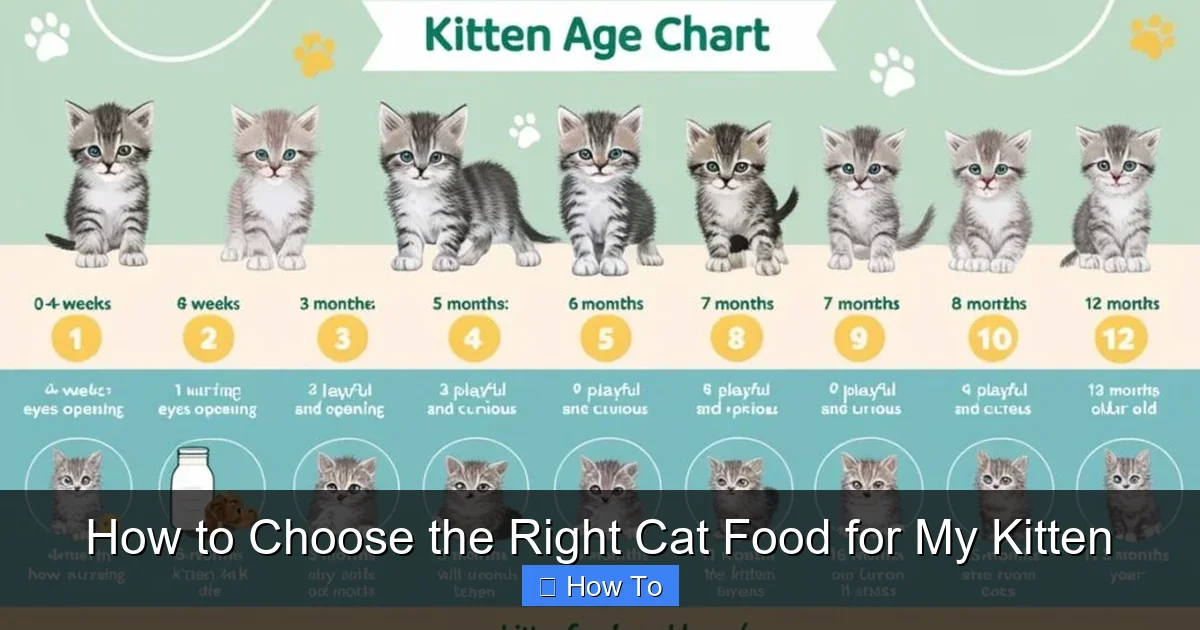
Visual guide about How to Choose the Right Cat Food for My Kitten
Image source: kittenfoodworld.com
Kittens are in a phase of rapid growth and development. From birth to about 12 months of age, they need significantly more calories, protein, and fat than adult cats. Their tiny bodies are building bones, muscles, organs, and a strong immune system—all of which require high-quality nutrition.
High Protein is Essential
Protein is the building block of life, especially for growing kittens. Look for cat foods where a named animal protein—like chicken, turkey, or salmon—is the first ingredient. Kittens need at least 30% protein in their diet, but many high-quality kitten foods contain 35–45%. This supports muscle development and overall energy.
Healthy Fats for Brain and Coat
Fats provide concentrated energy and are crucial for brain development, especially in the first few months. Omega-3 and omega-6 fatty acids help promote a shiny coat, healthy skin, and cognitive function. Aim for foods with at least 15–20% fat content, ideally from sources like chicken fat, fish oil, or flaxseed.
Essential Vitamins and Minerals
Kittens need a balanced mix of vitamins and minerals, including:
- Taurine: An amino acid vital for heart health, vision, and immune function. Cats cannot produce enough on their own, so it must come from food.
- Calcium and phosphorus: Important for strong bones and teeth. The ideal calcium-to-phosphorus ratio is around 1:1 to 1.2:1.
- Vitamin A, D, and E: Support vision, bone growth, and antioxidant protection.
- Folic acid and B vitamins: Aid in metabolism and red blood cell production.
Calorie Density Matters
Kittens burn energy quickly. They need calorie-dense food to fuel their play, growth, and metabolism. Most kitten foods provide 400–500 kcal per cup (dry) or 150–200 kcal per 5.5 oz can (wet). Feeding too little can lead to underweight kittens, while overfeeding may cause obesity later.
Step 2: Look for AAFCO Certification
Not all cat foods are created equal. The Association of American Feed Control Officials (AAFCO) sets nutritional standards for pet food in the U.S. When choosing kitten food, always check the label for an AAFCO statement.
What Does AAFCO Mean?
An AAFCO statement confirms that the food meets the minimum nutritional requirements for a specific life stage—in this case, “growth” or “kitten.” It may say something like:
“This product is formulated to meet the nutritional levels established by the AAFCO Cat Food Nutrient Profiles for growth.”
This doesn’t mean the food is perfect, but it does mean it has been tested or formulated to support healthy development.
Beware of “For All Life Stages”
Some foods are labeled “for all life stages,” which means they meet the needs of kittens, adults, and seniors. While convenient, these may not always provide the optimal balance for growing kittens. If you choose an “all life stages” food, make sure it’s still high in protein and fat and specifically supports growth.
Step 3: Choose Between Wet, Dry, or a Combination
One of the biggest decisions is whether to feed wet food, dry food, or a mix of both. Each has pros and cons.
Wet Food: Hydration and Palatability
Wet food typically contains 70–80% water, which helps keep kittens hydrated—especially important since cats naturally have a low thirst drive. It’s also highly palatable, making it ideal for picky eaters or kittens transitioning from mother’s milk.
Pros:
- High moisture content supports kidney and urinary health
- Easier to chew for young kittens
- Often higher in protein and lower in carbohydrates
Cons:
- More expensive per serving
- Spoils quickly once opened
- Can contribute to dental plaque if not balanced with dry food
Dry Food: Convenience and Dental Benefits
Dry kibble is convenient, cost-effective, and can be left out for free-feeding (though portion control is still important). The crunchy texture may help reduce tartar buildup, though it’s not a substitute for dental care.
Pros:
- Long shelf life and easy storage
- Generally more affordable
- Can help with dental health when designed for it
Cons:
- Low moisture content—can contribute to dehydration
- Often higher in carbohydrates and fillers
- Some kittens may not drink enough water to compensate
Combination Feeding: Best of Both Worlds
Many veterinarians and pet nutritionists recommend a combination of wet and dry food. For example, feed wet food in the morning and evening for hydration and nutrition, and leave a measured amount of dry food out during the day.
This approach supports hydration, provides variety, and can help prevent picky eating habits.
Step 4: Read the Ingredient List Carefully
The ingredient list tells you exactly what’s in the food—listed in order by weight. Here’s what to look for and what to avoid.
Top Ingredients Should Be Real Meat
The first ingredient should be a high-quality, named animal protein like:
- Chicken
- Turkey
- Salmon
- Lamb
Avoid vague terms like “meat meal” or “poultry by-product meal” unless they specify the source (e.g., “chicken meal”).
Avoid Fillers and Artificial Additives
Common fillers like corn, wheat, soy, and rice offer little nutritional value and can be hard for kittens to digest. While small amounts of grains or vegetables aren’t harmful, they shouldn’t dominate the ingredient list.
Also avoid:
- Artificial colors (e.g., Red 40, Blue 2)
- Artificial preservatives (e.g., BHA, BHT, ethoxyquin)
- Corn syrup or sugar
- Unnamed “meat by-products”
Natural preservatives like mixed tocopherols (vitamin E) or rosemary extract are safer alternatives.
Watch for Carbohydrate Content
Cats are obligate carnivores, meaning their bodies are designed to thrive on animal-based proteins and fats—not carbohydrates. While some carbs are okay (especially from vegetables like peas or sweet potatoes), high-carb diets can lead to obesity and diabetes.
A good kitten food should have less than 10–15% carbohydrates.
Step 5: Consider Special Dietary Needs
Not all kittens are the same. Some may have health conditions, allergies, or sensitivities that require special diets.
Food Allergies and Sensitivities
Common allergens in cat food include beef, dairy, fish, and grains. If your kitten shows signs of allergies—itching, ear infections, vomiting, or diarrhea—talk to your vet about a limited-ingredient or hypoallergenic diet.
These foods use novel proteins (like duck or rabbit) and single carbohydrate sources to reduce the risk of reactions.
Grain-Free vs. Grain-Inclusive
Grain-free diets have become popular, but they’re not always necessary. Most cats can digest grains like rice or oats without issues. The key is quality—whole grains are better than refined flours.
Grain-free foods often replace grains with legumes (like peas or lentils), which can be high in carbohydrates. Unless your kitten has a diagnosed grain allergy, grain-inclusive foods are perfectly fine.
Breed-Specific Needs
Some breeds, like Maine Coons or Persians, may have unique nutritional needs. Large breeds grow more slowly and may benefit from controlled-calorie diets to prevent joint stress. Talk to your vet or breeder for breed-specific recommendations.
Step 6: Transition to New Food Gradually
Switching your kitten’s food too quickly can cause digestive upset, including diarrhea, vomiting, or refusal to eat. Always transition over 7–10 days.
How to Transition Safely
- Days 1–2: Mix 25% new food with 75% old food.
- Days 3–4: Use 50% new and 50% old.
- Days 5–6: Increase to 75% new food.
- Day 7+: Feed 100% new food.
If your kitten shows signs of digestive distress, slow down the transition or consult your vet.
Tips for Picky Eaters
Some kittens are hesitant to try new food. Try warming wet food slightly (to room temperature or slightly warmer) to enhance aroma. You can also mix in a small amount of warm water or low-sodium chicken broth (make sure it’s onion- and garlic-free).
Avoid feeding table scraps or human food, as this can encourage picky behavior and lead to nutritional imbalances.
Step 7: Monitor Your Kitten’s Health and Adjust as Needed
After choosing a food, keep a close eye on your kitten’s health. The best food will support:
- Healthy weight gain (about 1 pound per month)
- Bright eyes and a shiny coat
- Good energy and playfulness
- Regular, firm stools
- No vomiting or excessive gas
When to Switch Foods
You may need to change foods if:
- Your kitten isn’t gaining weight
- They have persistent digestive issues
- They lose interest in eating
- Your vet recommends a special diet
Always consult your veterinarian before making major dietary changes.
Troubleshooting Common Feeding Issues
My Kitten Won’t Eat the New Food
Try mixing in a small amount of their favorite food or adding a topper like freeze-dried chicken. Ensure the food is fresh and served at the right temperature. If refusal continues for more than 24 hours, contact your vet—loss of appetite can signal illness.
My Kitten Is Gaining Too Much Weight
Overfeeding is a common cause of kitten obesity. Follow feeding guidelines on the package, but adjust based on your kitten’s body condition. Use a measuring cup—don’t free-feed unlimited dry food. Increase playtime to boost activity.
My Kitten Has Diarrhea or Vomiting
This could be due to a sudden diet change, food intolerance, or illness. If symptoms last more than a day, or if your kitten seems lethargic or dehydrated, see your vet immediately.
My Kitten Drinks Very Little Water
Cats often don’t drink enough. Encourage hydration by:
- Feeding more wet food
- Using a pet water fountain
- Placing multiple water bowls around the house
- Adding water or broth to dry food
Conclusion
Choosing the right cat food for your kitten doesn’t have to be overwhelming. By focusing on high-quality ingredients, AAFCO certification, and your kitten’s individual needs, you can make a confident decision that supports their growth and long-term health.
Remember, the best food is one that your kitten enjoys, digests well, and thrives on. Pay attention to their body condition, energy levels, and overall happiness. And when in doubt, your veterinarian is your best resource for personalized advice.
With the right nutrition, your kitten will grow into a strong, healthy, and happy adult cat—ready to bring you joy for many years to come.