
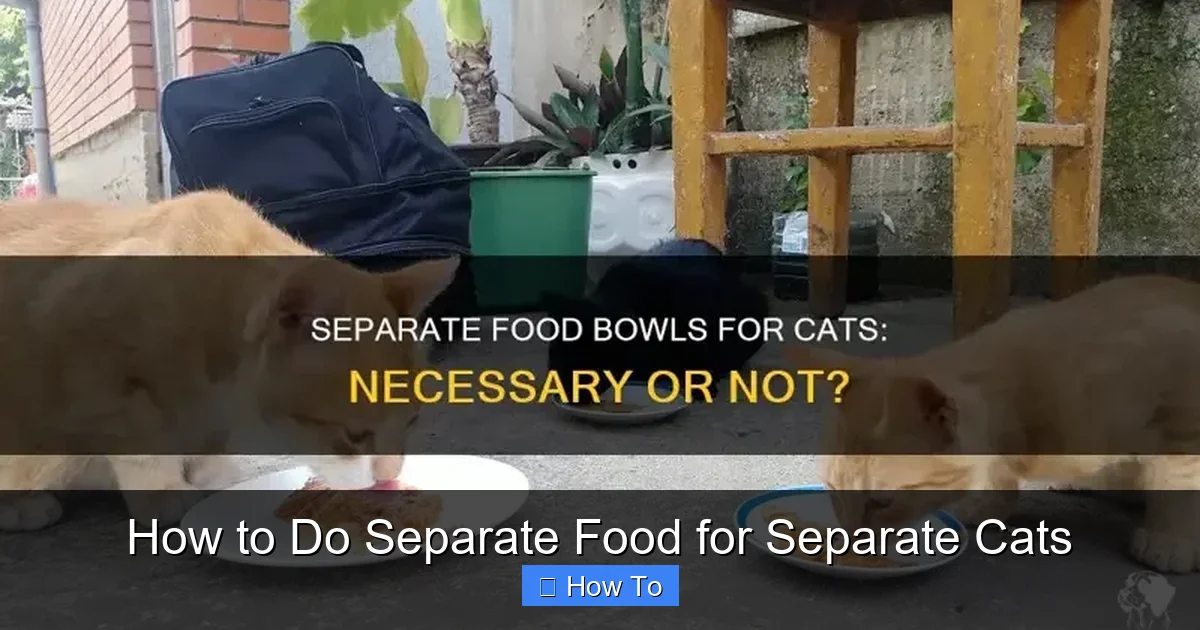
Feeding multiple cats doesn’t have to be chaotic. This guide shows you how to do separate food for separate cats using smart strategies, feeding tools, and behavioral techniques. Keep your feline family happy, healthy, and stress-free at mealtime.
Key Takeaways
- Understand why separate feeding matters: Prevents food aggression, ensures proper nutrition, and supports individual health needs like weight management or medical diets.
- Use physical barriers and timed feeders: Create safe zones with baby gates or use automated feeders to control access and timing.
- Feed cats in different rooms or elevated spaces: Reduce competition by placing food bowls in separate, quiet areas where each cat feels secure.
- Monitor eating habits closely: Track how much each cat eats daily to catch health issues early and adjust portions as needed.
- Train cats to associate feeding with positive routines: Use consistent schedules, clicker training, or puzzle feeders to build calm, independent eating behaviors.
- Choose the right bowls and feeding stations: Opt for non-slip, easy-to-clean bowls and consider elevated or enclosed feeders for shy or senior cats.
- Troubleshoot common issues: Address food stealing, anxiety, or refusal to eat with gradual changes and veterinary guidance if needed.
How to Do Separate Food for Separate Cats: A Complete 2026 Guide
If you’re a proud parent to more than one cat, you know that mealtime can quickly turn into a furry free-for-all. One cat gobbles up their food in seconds, while another hides under the couch, too anxious to eat. Some cats have special diets due to allergies, weight issues, or medical conditions—while others just love to steal snacks from their siblings. That’s why learning how to do separate food for separate cats isn’t just helpful—it’s essential for their health, happiness, and harmony at home.
In this comprehensive guide, updated for 2026, we’ll walk you through everything you need to know about feeding multiple cats safely and effectively. Whether you have two cats or five, whether they’re best friends or sworn rivals, you’ll discover practical strategies, smart tools, and behavioral tips to make mealtime peaceful and personalized. From setting up feeding zones to using high-tech feeders, we’ve got you covered.
By the end of this guide, you’ll be able to:
– Create individualized feeding plans for each cat
– Prevent food aggression and stress
– Use technology to automate and monitor meals
– Train your cats to eat calmly and independently
– Troubleshoot common feeding challenges
Let’s dive in and turn mealtime from a battleground into a breeze.
Why Separate Feeding Is Essential for Multi-Cat Homes
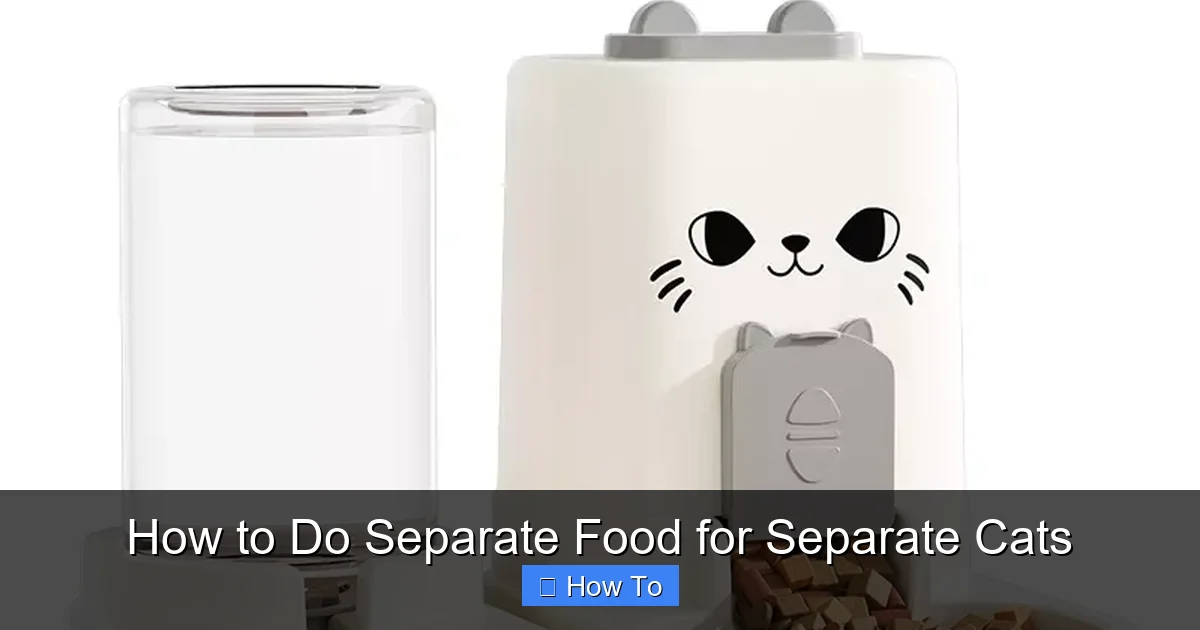
Visual guide about How to Do Separate Food for Separate Cats
Image source: ikrorwxhmjiqlk5p.leadongcdn.com
Before we get into the “how,” let’s talk about the “why.” Why is it so important to do separate food for separate cats? The answer lies in their natural instincts, health needs, and social dynamics.
Cats are solitary hunters by nature. In the wild, they eat alone, often hiding their food to avoid competition. When multiple cats share a single bowl or feeding area, it can trigger stress, anxiety, and even aggression—even among cats who normally get along. This is especially true in homes with dominant or territorial cats.
Beyond behavior, there are serious health reasons to feed cats separately. Some cats need prescription diets for kidney disease, diabetes, or food allergies. Others are on strict weight-loss plans. If one cat eats another’s food, it can undermine treatment, cause digestive upset, or lead to obesity.
Additionally, monitoring individual intake is crucial. If one cat stops eating, it could be an early sign of illness. But if all food disappears quickly, you might not notice who’s eating and who’s not. Separate feeding lets you track each cat’s appetite and adjust portions accordingly.
Finally, separate feeding promotes mental well-being. Cats feel safer and more in control when they can eat without fear of being chased or bullied. This reduces stress-related issues like overgrooming, litter box problems, or hiding.
In short, doing separate food for separate cats isn’t just about fairness—it’s about health, safety, and peace of mind.
Step 1: Assess Your Cats’ Individual Needs
The first step in creating a successful separate feeding plan is understanding each cat’s unique requirements. No two cats are alike, and their diets should reflect that.
Check with Your Veterinarian
Start by consulting your vet. Ask about each cat’s ideal weight, activity level, and any medical conditions that affect their diet. For example:
– A senior cat may need joint-support food with glucosamine.
– An overweight cat might benefit from a high-protein, low-carb formula.
– A cat with urinary issues may require a specialized wet food diet.
Your vet can also help you determine the correct portion sizes and feeding frequency (e.g., twice daily vs. free-feeding).
Identify Behavioral Patterns
Observe your cats during mealtime. Note:
– Who eats first?
– Who guards the food bowl?
– Who hides or refuses to eat when others are around?
– Who steals food from others?
These behaviors will help you design a feeding strategy that minimizes stress and competition.
Consider Age, Size, and Activity Level
Kittens need more calories and frequent meals. Senior cats may eat slower and prefer softer food. Active cats burn more energy, while indoor cats may need portion control. Tailor each cat’s food type, amount, and schedule to their lifestyle.
For example:
– Feed kittens 3–4 small meals a day.
– Offer senior cats elevated bowls to reduce neck strain.
– Use slow-feed bowls for fast eaters to prevent vomiting.
By assessing each cat’s needs, you lay the foundation for a personalized and effective feeding plan.
Step 2: Choose the Right Feeding Tools and Equipment
The right tools can make separate feeding easier, safer, and more efficient. In 2026, pet technology has advanced significantly, offering smart solutions for multi-cat households.
Automated Feeders with RFID or Microchip Recognition
One of the best innovations for separate feeding is the smart feeder. These devices use RFID tags or microchip scanners to recognize individual cats and dispense food only to the right pet.
For example, the PetSafe Smart Feed 2026 allows you to program custom meal sizes and times for each cat. When your cat approaches wearing a compatible collar tag, the feeder opens just for them. This prevents food stealing and ensures each cat gets their prescribed diet.
Other models, like the SureFeed Microchip Pet Feeder, work with your cat’s existing microchip. No collar needed—just walk up, and the lid opens.
These feeders are ideal for cats on medical diets or weight-loss plans. They also allow you to monitor eating habits via a mobile app, so you can see who ate, when, and how much.
Timed Feeders for Scheduled Meals
If your cats don’t have microchips or RFID tags, timed feeders are a great alternative. These devices release food at preset times, so you can stagger meals or feed cats in different rooms.
Look for models with multiple compartments (like the Cat Mate C500) that can hold up to 5 meals. You can program breakfast for Cat A at 7 a.m., lunch for Cat B at 12 p.m., and dinner for both at 6 p.m.
Timed feeders are especially useful for busy pet parents who can’t be home for every meal.
Elevated and Enclosed Feeding Stations
Some cats feel safer eating in elevated or enclosed spaces. Consider:
– Elevated feeders: Reduce strain on joints and improve digestion. Great for senior or arthritic cats.
– Enclosed feeders: Create a cozy, cave-like space that blocks visual access to other cats. Ideal for shy or anxious eaters.
Brands like PetFusion and IRIS USA offer stylish, functional feeding stations that blend into your home decor.
Non-Slip, Easy-to-Clean Bowls
Choose bowls made of stainless steel or ceramic—they’re durable, non-porous, and easy to sanitize. Avoid plastic, which can harbor bacteria and cause chin acne in cats.
Look for bowls with wide bases to prevent tipping and silicone mats to keep them in place. Some bowls even have built-in water fountains for hydration.
Puzzle Feeders and Slow Feeders
These interactive feeders encourage mental stimulation and slow down eating. They’re perfect for fast eaters or cats who need to lose weight.
Examples include:
– Nina Ottosson puzzle toys
– Outward Hound slow-feed bowls
They turn mealtime into a game, reducing boredom and overeating.
Step 3: Create Safe and Separate Feeding Zones
Even with the best tools, location matters. To do separate food for separate cats effectively, you need to design feeding zones that minimize stress and competition.
Feed in Different Rooms
The simplest way to separate feeding is to place food bowls in separate rooms. Close the doors during meals so each cat can eat in peace.
For example:
– Feed Cat A in the kitchen.
– Feed Cat B in the living room.
– Feed Cat C in a quiet bedroom.
Use baby gates or pet doors with locks to control access if needed.
Use Vertical Space
Cats love high perches. Install cat shelves, window perches, or cat trees with feeding stations. This gives dominant cats a choice—they can eat on the ground or up high—while shy cats can retreat to elevated spots.
Just make sure the area is stable and safe, with non-slip surfaces.
Create Visual Barriers
If you can’t use separate rooms, use furniture or screens to block line of sight between feeding areas. A bookshelf, room divider, or even a tall plant can create a sense of privacy.
This reduces the “watchful eye” effect, where cats feel pressured to eat quickly because they’re being watched.
Choose Quiet, Low-Traffic Areas
Avoid placing food bowls near loud appliances (like washing machines), high-traffic hallways, or litter boxes. Cats prefer calm, quiet spots where they won’t be disturbed.
A corner of a spare room or a quiet nook under a window works well.
Rotate Feeding Locations (Optional)
Some experts recommend rotating feeding spots to prevent territorial behavior. For example, switch which room each cat eats in every few days. This can reduce fixation on a specific area and promote flexibility.
However, only do this if your cats are adaptable. Anxious cats may prefer consistency.
Step 4: Establish a Consistent Feeding Routine
Cats thrive on routine. A predictable schedule reduces anxiety and helps them feel secure.
Set Fixed Meal Times
Instead of free-feeding (leaving food out all day), feed at the same times each day. Most cats do well with two meals—morning and evening.
Use a timer or smart feeder to maintain consistency, even on weekends.
Use Cues to Signal Mealtime
Create a routine that signals it’s time to eat. For example:
– Shake the treat bag.
– Say a specific phrase like “Dinner time!”
– Turn on a soft light.
Over time, your cats will associate these cues with food and come running—calmly and on schedule.
Feed in the Same Order (If Needed)
If one cat is particularly anxious, feed them first in a quiet room. Once they’re eating, feed the others. This prevents the anxious cat from feeling rushed or chased.
Alternatively, feed the dominant cat last so they don’t feel the need to guard the food.
Allow Adequate Time to Eat
Give each cat at least 15–20 minutes to finish their meal. Remove uneaten food after that to prevent spoilage and overeating.
If a cat hasn’t eaten after 30 minutes, check for signs of illness or stress.
Step 5: Train Your Cats to Eat Calmly and Independently
Behavioral training can make separate feeding smoother and more effective. With patience and positive reinforcement, you can teach your cats to eat without stress or competition.
Use Clicker Training
Clicker training helps cats associate good behavior with rewards. Here’s how:
1. Click and treat when a cat approaches their feeding area calmly.
2. Click and treat when they eat without rushing or looking around.
3. Gradually increase the time between clicks to build focus.
Over time, your cat will learn to eat independently and confidently.
Desensitize to Feeding Triggers
If your cats get anxious when they hear the food bag or see another cat eating, desensitize them gradually.
For example:
– Shake the food bag from another room while playing calming music.
– Let them see another cat eating from a distance, then reward calm behavior.
Slowly decrease the distance over several days.
Use Puzzle Feeders for Mental Stimulation
Puzzle feeders not only slow eating but also distract cats from others. If one cat finishes quickly, they’ll be busy solving a puzzle instead of eyeing their sibling’s bowl.
Start with easy puzzles and increase difficulty as your cat improves.
Reward Calm Behavior
Praise and reward cats who eat quietly and don’t chase others. Use treats, pets, or playtime as positive reinforcement.
Avoid scolding or punishment—it increases stress and worsens behavior.
Step 6: Monitor and Adjust Your Feeding Plan
Once your separate feeding system is in place, don’t set it and forget it. Regular monitoring ensures it continues to work for your cats’ changing needs.
Track Eating Habits
Keep a simple log or use a smart feeder app to record:
– Who ate
– How much they ate
– When they ate
– Any changes in behavior
Look for patterns. For example, if one cat consistently leaves food, they may be full, stressed, or unwell.
Weigh Your Cats Monthly
Use a pet scale or visit your vet to check weight. Sudden weight loss or gain can signal health issues.
Adjust portions as needed—especially if your cat is on a weight-loss plan.
Reassess Every 6 Months
Cats’ needs change with age, health, and lifestyle. Reevaluate your feeding plan every six months or after any major life event (e.g., moving, new pet, illness).
Ask yourself:
– Are all cats eating well?
– Is there still food stealing or aggression?
– Do the feeding tools still work?
Make adjustments as needed.
Involve Your Vet
If you notice changes in appetite, vomiting, diarrhea, or behavior, consult your vet. They can rule out medical causes and recommend dietary changes.
Troubleshooting Common Feeding Challenges
Even with the best plan, issues can arise. Here’s how to handle common problems.
One Cat Steals Food
If a dominant cat keeps stealing, try:
– Feeding the victim cat in a locked room or high perch.
– Using a microchip feeder that only opens for the right cat.
– Feeding the thief last, after others are done.
A Cat Refuses to Eat
Possible causes:
– Stress from other cats
– Unfamiliar food
– Medical issue
Solutions:
– Feed in a quiet, private space.
– Warm the food slightly to enhance smell.
– Offer a favorite treat or topper.
– See your vet if it continues.
Food Aggression or Chasing
This is a sign of high stress. Try:
– Increasing distance between feeding areas.
– Using visual barriers.
– Consulting a feline behaviorist.
Never punish aggressive behavior—it makes it worse.
Smart Feeder Malfunctions
If your automated feeder stops working:
– Check batteries or power source.
– Clean sensors and food compartments.
– Contact customer support.
– Have a backup plan (e.g., manual feeding).
Cats Eat Too Fast
Use slow-feed bowls or puzzle toys. Divide meals into smaller, more frequent portions.
Conclusion: Peace at Mealtime Starts with Planning
Learning how to do separate food for separate cats isn’t just about avoiding food fights—it’s about creating a safe, healthy, and stress-free environment for every member of your feline family. By understanding each cat’s needs, using the right tools, designing peaceful feeding zones, and maintaining a consistent routine, you can turn mealtime from a challenge into a calm, positive experience.
In 2026, with smart feeders, behavioral training, and a little creativity, separate feeding is easier than ever. Whether you have two cats or a whole clowder, the key is patience, observation, and love.
Remember: every cat is unique. What works for one may not work for another. Stay flexible, keep learning, and don’t hesitate to seek help from your vet or a cat behavior expert.
With the right approach, you’ll not only feed your cats—you’ll nourish their well-being, one meal at a time.