

Leaving your cat behind doesn’t mean compromising their meals. This guide walks you through safe, reliable methods to feed your cat while you’re away, including tech-savvy feeders, trusted caregivers, and meal prep tips for 2026.
Key Takeaways
- Choose the right automatic feeder: Look for Wi-Fi-enabled models with portion control, freshness locks, and backup power to ensure consistent feeding.
- Test feeders before you leave: Run trial runs to confirm timing, portion accuracy, and your cat’s comfort with the device.
- Consider a pet sitter or trusted neighbor: A human touch reduces stress and allows for health monitoring, especially for senior or medicated cats.
- Pre-portion meals in advance: Use vacuum-sealed bags or labeled containers to simplify feeding for caregivers or timed dispensers.
- Prioritize fresh water access: Pair feeding solutions with a reliable water fountain or multiple bowls to prevent dehydration.
- Monitor remotely when possible: Use smart cameras with two-way audio to check in and reassure your cat during your absence.
- Plan for emergencies: Leave detailed instructions and vet contact info with a backup person in case of feeder malfunctions or health issues.
How to Feed Cat Food While Away: A 2026 Guide for Stress-Free Travel
Whether you’re heading out for a weekend getaway, a business trip, or a longer vacation, one of the biggest concerns for cat parents is ensuring their furry friend gets fed on time—and stays happy and healthy. In 2026, feeding your cat while you’re away is easier than ever, thanks to smart technology, reliable pet services, and thoughtful planning. But with so many options, it’s important to choose the right method for your cat’s needs, your travel duration, and your peace of mind.
This comprehensive guide will walk you through every step of feeding your cat while you’re away. You’ll learn how to choose the best automatic feeder, how to prepare meals in advance, when to hire a pet sitter, and how to use modern tools like smart cameras and apps to stay connected. By the end, you’ll feel confident leaving your cat knowing they’re well-fed, safe, and loved—even when you’re not home.
Step 1: Assess Your Cat’s Needs and Your Travel Plans
Before picking a feeding method, take a moment to evaluate your cat’s unique needs and the length of your trip.
Consider Your Cat’s Age and Health
Kittens, senior cats, or cats with medical conditions (like diabetes or kidney disease) often require strict feeding schedules or special diets. If your cat needs medication with meals or has a sensitive stomach, an automatic feeder might not be enough. In these cases, a trusted human caregiver is usually the safest choice.
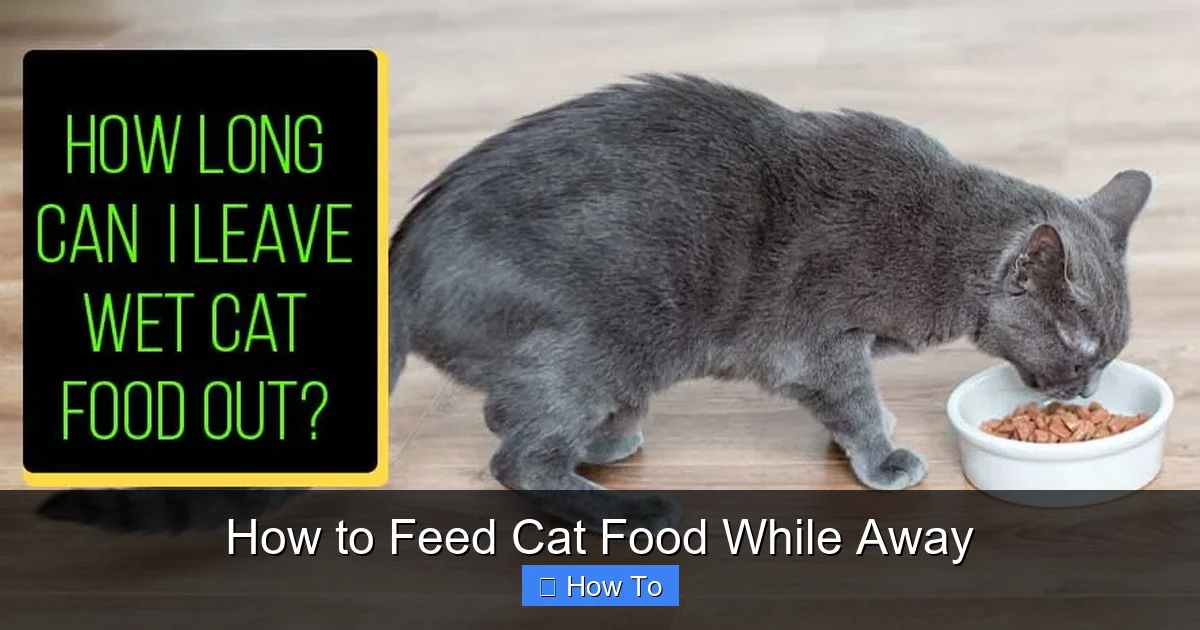
Visual guide about How to Feed Cat Food While Away
Image source: dogcattalk.com
Evaluate Your Travel Duration
- Short trips (1–3 days): An automatic feeder or pre-portioned meals left with a neighbor may work well.
- Medium trips (4–7 days): A combination of a smart feeder and a pet sitter visit every 2–3 days is ideal.
- Long trips (over a week): Hire a professional pet sitter or consider boarding at a trusted facility with excellent reviews.
Think About Your Cat’s Personality
Some cats are independent and adapt well to automated systems. Others are anxious, clingy, or prone to stress when left alone. If your cat hides when guests come over or gets upset when routines change, they’ll benefit more from regular human interaction.
Step 2: Choose the Right Feeding Method
There’s no one-size-fits-all solution. The best approach depends on your cat, your trip, and your comfort level with technology. Here are the top options available in 2026.
Option 1: Automatic Pet Feeders
Automatic feeders are the most popular choice for short to medium trips. In 2026, these devices are smarter, safer, and more reliable than ever.
Types of Automatic Feeders
- Gravity Feeders: Simple and affordable, these slowly release dry food as your cat eats. Best for very short trips (1–2 days) and cats who don’t overeat.
- Timed Mechanical Feeders: Use a rotating tray or timer to dispense food at set times. Great for dry food, but lack remote control or monitoring.
- Smart Wi-Fi Feeders: The gold standard in 2026. These connect to your phone via an app, allow portion control, send feeding alerts, and some even have built-in cameras.
Top Features to Look For in 2026
- Wi-Fi Connectivity: Lets you schedule meals, adjust portions, and receive notifications from anywhere.
- Freshness Lock Technology: Seals food in airtight compartments to prevent spoilage and keep kibble crunchy.
- Backup Power: Battery or USB-C power ensures feeding continues during outages.
- Portion Control: Set exact amounts (e.g., 1/4 cup at 8 a.m. and 6 p.m.) to prevent overeating.
- Two-Way Audio & Camera: Some models let you see and talk to your cat during feeding—great for reassurance.
Recommended Models for 2026
- Pawbo Life 3.0: Wi-Fi enabled, 4-liter capacity, HD camera, and app control. Ideal for dry food.
- PetSafe Smart Feed 2: Reliable, easy to clean, and works with both dry and semi-moist food.
- Catit Pixi Smart Feeder: Sleek design, voice recording feature, and real-time feeding logs.
Option 2: Hire a Pet Sitter or Ask a Trusted Neighbor
For cats who need medication, have anxiety, or simply thrive on human interaction, a pet sitter is the best option.
Benefits of a Human Caregiver
- Can monitor your cat’s health (eating, drinking, litter box habits).
- Provides companionship and reduces stress.
- Can handle emergencies (e.g., vomiting, feeder malfunction).
- Can administer medication or special diets.
How to Find a Reliable Pet Sitter in 2026
- Use trusted platforms like Rover, Care.com, or local pet-sitting co-ops.
- Read reviews and request references.
- Schedule a meet-and-greet before your trip.
- Use apps with GPS check-ins and photo updates for peace of mind.
What to Provide Your Sitter
- Detailed feeding instructions (times, amounts, food type).
- Emergency contact info (vet, backup person, your number).
- Keys or access codes.
- A list of your cat’s routines and quirks (e.g., “loves chin scratches at 7 p.m.”).
Option 3: Boarding at a Reputable Facility
If you’re gone for more than a week or your cat needs extra care, boarding might be the way to go.
What to Look For in a 2026 Cat Boarding Facility
- Separate, quiet spaces for cats (no dog noise).
- Climate-controlled environments.
- Staff trained in feline behavior and health.
- Daily photo or video updates via app.
- Option to bring your own food and bedding.
Tips for a Smooth Boarding Experience
- Visit the facility beforehand.
- Vaccinate your cat as required (e.g., FVRCP, rabies).
- Pack a familiar toy or blanket to reduce stress.
- Provide detailed care instructions and emergency contacts.
Step 3: Prepare Meals in Advance
No matter which feeding method you choose, prepping meals ahead of time ensures consistency and reduces stress for both you and your cat.
Pre-Portion Dry Food
Use a kitchen scale to measure exact portions based on your vet’s recommendations. Store each meal in a labeled, airtight container or vacuum-sealed bag. Include the date and feeding time (e.g., “Day 2 – 6 p.m.”).
Freeze Wet Food Portions
For wet food, use silicone ice cube trays to freeze single servings. Transfer frozen cubes to labeled freezer bags. Thaw in the fridge the night before use. This keeps food fresh and prevents spoilage.
Use Meal Prep Containers
In 2026, smart meal prep containers with QR codes are available. Scan the code with your phone to see feeding instructions, expiration dates, and even video messages for your sitter.
Label Everything Clearly
Use waterproof labels with large text. Include:
- Cat’s name
- Food type (dry/wet)
- Amount per meal
- Feeding times
- Special instructions (e.g., “Mix with medication”)
Step 4: Set Up and Test Your Feeding System
Never rely on a new feeder or method without testing it first.
Run a 3–5 Day Trial
Set up your automatic feeder or ask your sitter to do a practice run. Observe:
- Does the feeder dispense the correct amount?
- Does your cat eat from it without hesitation?
- Are there any mechanical issues (jamming, noise)?
- Does the app send accurate notifications?
Check for Power and Connectivity
Ensure your Wi-Fi feeder has a strong signal. Test backup power by unplugging it briefly. If using a smart camera, confirm night vision and audio quality.
Introduce Your Cat Gradually
If your cat is wary of the feeder, place it near their regular bowl. Let them explore it while it’s off. Reward them with treats when they approach. Turn it on for short periods during meals to build positive associations.
Step 5: Ensure Fresh Water Access
Feeding is only half the battle—hydration is just as important.
Use a Cat Water Fountain
Running water encourages cats to drink more. In 2026, smart fountains like the Petlibro Smart Fountain track water intake and send alerts if your cat stops drinking.
Place Multiple Water Bowls
Set up bowls in different rooms. Use wide, shallow dishes to prevent whisker fatigue. Add ice cubes in summer to keep water cool.
Consider a Water Dispenser with Filter
Some automatic feeders now include water dispensers. Look for models with carbon filters to keep water fresh and clean.
Step 6: Monitor Your Cat Remotely
Stay connected with smart tech designed for pet parents.
Install a Pet Camera
Cameras like the Furbo 360 or Petcube Bento allow you to:
- Watch live video
- Talk to your cat
- Dispense treats remotely
- Receive motion and sound alerts
Use Feeder Apps with Alerts
Many smart feeders send push notifications when a meal is dispensed or if the food bin is low. Some even detect if your cat hasn’t eaten and alert you.
Check In Daily
Even if you’re on a beach in Bali, take two minutes each day to check your app. Seeing your cat eat and play can ease your mind and help you spot issues early.
Step 7: Prepare for Emergencies
No plan is perfect. Be ready for the unexpected.
Leave Detailed Instructions
Create a one-page care sheet with:
- Feeding schedule and amounts
- Medication instructions (if any)
- Vet name and phone number
- Emergency backup contact
- Your travel itinerary and return date
Choose a Backup Person
Ask a friend or family member to check in if your primary sitter is unavailable. Give them a key and a copy of the care instructions.
Know the Signs of Trouble
Teach your sitter to watch for:
- Not eating or drinking for 24+ hours
- Vomiting, diarrhea, or lethargy
- Hiding or unusual behavior
- Feeder malfunction (e.g., no food dispensing)
Have a Vet on Speed Dial
Choose a 24/7 emergency vet clinic near your home. Save the number in your sitter’s phone and yours.
Troubleshooting Common Issues
Even with the best planning, problems can arise. Here’s how to handle them.
Feeder Jams or Doesn’t Dispense Food
Check for kibble clumps, low battery, or Wi-Fi outage. Keep a manual scoop and extra food nearby. If using a smart feeder, reboot the app and device.
Cat Refuses to Eat from the Feeder
Some cats are wary of noise or movement. Try placing the feeder in a quiet corner. Use a model with a slow-release mechanism. Offer treats near the feeder to build trust.
Water Bowl Is Empty or Dirty
Use a large-capacity fountain or set reminders for your sitter to refill water daily. Clean bowls every 2–3 days to prevent bacteria.
App Notifications Stop Working
Check your phone’s battery saver mode. Ensure the app has permission to send alerts. Reconnect the feeder to Wi-Fi if needed.
Pet Sitter Cancels Last Minute
Have a backup list of 2–3 trusted people. Consider a local pet-sitting app with on-demand services. In a pinch, ask a neighbor to stop by once a day.
Conclusion
Feeding your cat while you’re away doesn’t have to be stressful. With the right tools, preparation, and support, you can ensure your feline friend stays happy, healthy, and well-fed—no matter where your travels take you in 2026.
Whether you opt for a high-tech smart feeder, a caring pet sitter, or a combination of both, the key is planning ahead and knowing your cat’s needs. Test your system, prepare meals in advance, and stay connected with remote monitoring. And always have a backup plan.
Remember, your cat doesn’t need you to be there 24/7—they need consistency, love, and a full food bowl. By following this guide, you’re giving them exactly that. So pack your bags, kiss your kitty goodbye, and travel with confidence. Your cat’s got this—and so do you.