
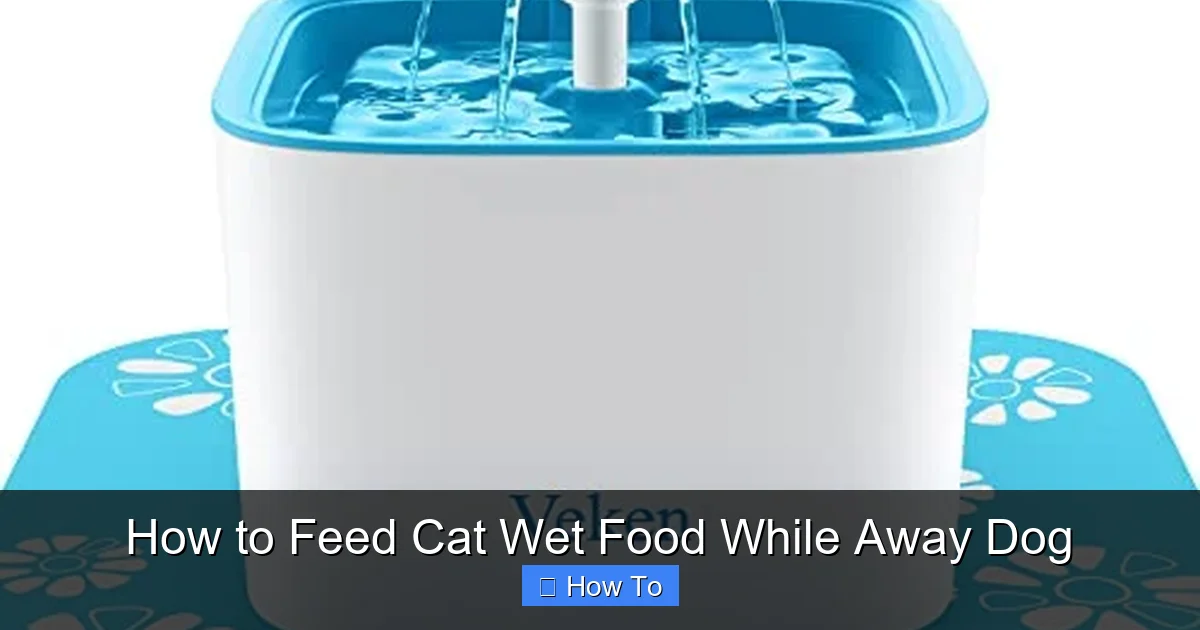
Discover practical, vet-approved strategies to safely feed your cat wet food while keeping your dog away—even when you’re not home. This guide covers smart feeders, timing tricks, and pet-proof setups to ensure your cat eats in peace and your dog stays out of trouble.
Key Takeaways
- Use a timed automatic feeder: Modern smart feeders can dispense wet food at set times, reducing the need for manual feeding and minimizing dog interference.
- Create a safe feeding zone: Designate a dog-free room or elevated space where your cat can eat undisturbed, using baby gates or pet doors with microchip access.
- Choose the right wet food packaging: Opt for single-serve pouches or trays that are easy to open and less likely to attract dogs than open cans.
- Train your dog to respect boundaries: Consistent training using positive reinforcement helps dogs learn to stay away from the cat’s feeding area.
- Monitor with pet cameras: Use 2026’s advanced AI-powered pet cameras to watch feeding sessions remotely and intervene if needed.
- Plan for longer absences: For trips over 24 hours, combine automatic feeders with trusted pet sitters or smart systems that alert you to issues.
- Prioritize food safety: Never leave wet food out for more than 2 hours at room temperature to prevent spoilage and bacterial growth.
How to Feed Cat Wet Food While Away from Your Dog
If you’re a pet parent to both a cat and a dog, you know the daily dance of mealtime can be tricky—especially when it comes to feeding your cat wet food. Dogs are naturally curious (and often food-motivated), and the rich aroma of wet cat food can be irresistible. But cats need their wet food served fresh, in a calm environment, and without canine competition. The challenge? Doing this safely and effectively—even when you’re not home.
In 2026, smart pet technology, improved training methods, and creative home setups make it easier than ever to feed your cat wet food while keeping your dog at bay. Whether you’re stepping out for a few hours or heading off on a weekend trip, this guide will walk you through proven, practical steps to ensure your cat gets their meal in peace—and your dog stays out of trouble.
You’ll learn how to use automatic feeders, create safe feeding zones, train your dog, and leverage the latest pet tech to monitor and manage mealtime from afar. By the end, you’ll have a reliable system that works for your household, reduces stress for both pets, and keeps your cat healthy and happy.
Why Wet Food Matters for Cats
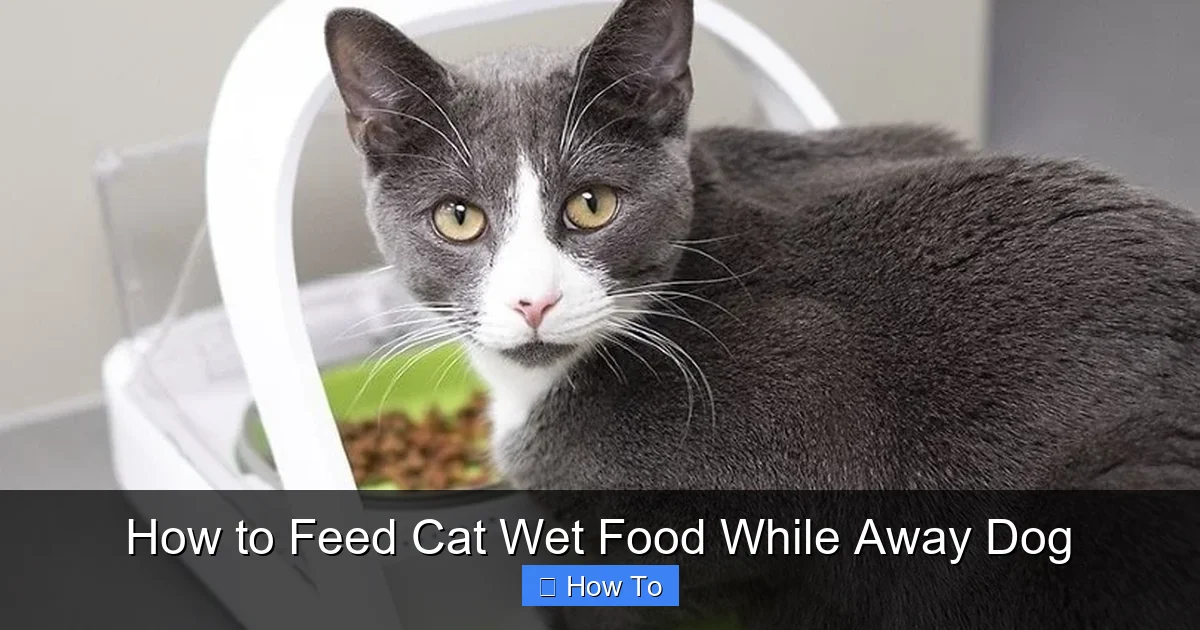
Visual guide about How to Feed Cat Wet Food While Away Dog
Image source: hepper.com
Before diving into the logistics, it’s important to understand why wet food is essential for many cats. Unlike dogs, cats are obligate carnivores, meaning their bodies are designed to thrive on a meat-based diet with high moisture content. Wet food provides vital hydration, supports urinary tract health, and helps prevent common issues like kidney disease and obesity.
In 2026, veterinarians continue to recommend wet food as a core part of a balanced feline diet—especially for indoor cats who may not drink enough water on their own. However, wet food spoils quickly once opened and must be served fresh. This makes timing and environment crucial.
Dogs, on the other hand, are opportunistic eaters. The smell of wet cat food—often packed with fish, liver, or poultry—can trigger their scavenging instincts. If left unchecked, dogs may steal your cat’s meal, leading to digestive upset, territorial stress, or even food aggression between pets.
That’s why a smart feeding strategy isn’t just convenient—it’s a health necessity.
Step 1: Choose the Right Wet Food Format
Not all wet food is created equal when it comes to dog-proofing your cat’s meals. The packaging and serving style can make a big difference in how easily your dog can access it.
Opt for Single-Serve Pouches or Trays
In 2026, most premium cat food brands offer wet food in single-serve pouches or sealed trays. These are ideal because they’re easy to open, reduce mess, and are harder for dogs to chew through compared to cans. Once opened, the food is exposed for a short time only—minimizing the window for dog interference.
Look for brands that use resealable pouches or trays with peel-back lids. These allow you to portion out food in advance and store leftovers safely in the fridge.
Avoid Open Cans When Possible
Traditional metal cans can be problematic. Once opened, the strong smell lingers, and dogs may try to lick or chew the can. If you must use cans, transfer any unused portion to an airtight container immediately and store it in the refrigerator. Never leave an open can sitting out.
Consider Freeze-Dried or Dehydrated Wet Food Alternatives
Some 2026 pet food innovations include rehydratable freeze-dried meals that mimic wet food texture and nutrition. These can be stored dry and mixed with water just before serving. Because they’re not aromatic until prepared, they’re less likely to attract dogs during storage.
While not a full replacement for traditional wet food, these options can be useful for travel or backup meals.
Step 2: Use a Timed Automatic Feeder
One of the most effective ways to feed your cat wet food while away is to use a timed automatic feeder. These devices dispense food at preset times, ensuring your cat eats on schedule—even if you’re at work or running errands.
Choose a Smart Feeder with Wet Food Compatibility
Not all automatic feeders are designed for wet food. Look for models specifically built to handle refrigerated or chilled meals. In 2026, top-rated feeders like the PetSafe SmartServe 2026 or the Whisker Feeder Pro feature:
– Built-in cooling compartments to keep wet food fresh
– Portion-controlled dispensing for single meals
– App-based scheduling and remote feeding
– Tamper-resistant lids to deter dogs
These feeders often connect to Wi-Fi, allowing you to monitor feeding times and receive alerts if a meal isn’t dispensed.
Prep Meals in Advance
To use a wet food-compatible feeder, you’ll need to portion out meals ahead of time. Here’s how:
1. Divide your cat’s daily wet food into individual servings.
2. Place each serving in a feeder-compatible tray or compartment.
3. Store trays in the refrigerator until ready to load.
4. Load the feeder the night before or early in the morning.
Some feeders allow you to load up to 5 days’ worth of meals, making them ideal for short trips.
Test the Feeder Before You Leave
Always do a trial run. Set the feeder to dispense a small amount of food while you’re home. Watch to ensure your cat can access it easily and that your dog doesn’t try to break in. Adjust the timing or placement if needed.
Step 3: Create a Dog-Free Feeding Zone
Even with a smart feeder, your dog may still try to sneak in during mealtime. Creating a safe, dog-free space for your cat to eat is essential.
Use a Baby Gate or Pet Barrier
Install a baby gate at the entrance to a room where your cat eats. Choose a gate tall enough that your dog can’t jump over it. For extra security, use a gate with a small pet door at the bottom—just big enough for your cat.
In 2026, many gates come with microchip-activated pet doors. These only open when your cat approaches, keeping dogs completely out. Brands like SureFlap and PetSafe offer models that sync with your cat’s existing microchip or RFID collar tag.
Feed on a High Surface
Cats feel safer eating in elevated spaces. Use a cat tree, shelf, or countertop (if safe and accessible) as a feeding station. Dogs can’t reach high places, so this naturally keeps them away.
Make sure the surface is stable and easy for your cat to climb. Add a non-slip mat to prevent spills.
Choose a Quiet, Low-Traffic Room
Select a room where your dog rarely goes—like a spare bedroom, bathroom, or laundry room. Close the door during feeding times. If your dog tends to scratch or bark at doors, consider using a white noise machine or calming spray to reduce anxiety.
Step 4: Train Your Dog to Respect Boundaries
No system works perfectly without some training. Teaching your dog to stay away from the cat’s food is a long-term solution that benefits both pets.
Use Positive Reinforcement
Start by feeding your cat in a controlled environment with your dog nearby—but on a leash or behind a gate. Reward your dog with treats and praise when they remain calm and don’t approach the food.
Gradually increase the distance and duration. Over time, your dog will learn that staying away equals rewards.
Teach the “Leave It” Command
The “leave it” command is one of the most useful tools for dog owners. Practice it during regular training sessions:
1. Hold a treat in your closed hand.
2. When your dog sniffs or tries to lick it, say “leave it.”
3. Wait until they back away, then reward with a different treat.
4. Repeat with more tempting items, like cat food.
Once mastered, use “leave it” during mealtime to redirect your dog’s attention.
Use Distractions During Feeding
Give your dog a long-lasting chew toy or puzzle feeder filled with their own food during your cat’s mealtime. This keeps them occupied and less likely to wander over.
Frozen Kong toys stuffed with peanut butter or wet dog food are especially effective.
Step 5: Monitor with Pet Cameras and Alerts
In 2026, pet cameras have evolved far beyond simple video feeds. Many now include AI-powered behavior tracking, two-way audio, and real-time alerts.
Choose a Camera with AI Detection
Look for cameras that can distinguish between pets and send alerts based on behavior. For example, the Furbo 2026 Pro can detect when your dog approaches the cat’s feeding area and send a push notification to your phone.
Some models even allow you to dispense a treat remotely to distract your dog or reward calm behavior.
Set Up Motion Zones
Most smart cameras let you define “motion zones”—specific areas you want to monitor. Set a zone around your cat’s feeding station. If your dog enters the zone during mealtime, you’ll get an instant alert.
Use Two-Way Audio to Intervene
If you receive an alert, use the camera’s speaker to calmly say your dog’s name or the “leave it” command. Many dogs respond to their owner’s voice, even when you’re not physically present.
Step 6: Plan for Longer Absences
If you’re going to be away for more than 24 hours, a smart feeder alone may not be enough. Wet food can’t be left out for more than 2 hours at room temperature, and feeders have limited capacity.
Combine Feeders with a Pet Sitter
For trips lasting 2–5 days, hire a trusted pet sitter or ask a friend to stop by once or twice a day. Their job: check on both pets, refill the feeder if needed, and ensure your dog isn’t causing trouble.
Provide clear instructions, including feeding times, portion sizes, and emergency contacts.
Use a Hybrid Feeding System
Some 2026 systems combine automatic dry food dispensers with manual wet food delivery. For example, your cat gets dry food from an auto-feeder all day, but wet food is delivered via a refrigerated smart tray that opens only at mealtime.
This reduces the need for frequent refills while still providing the benefits of wet food.
Consider a Pet Boarding Alternative
If your dog is highly food-driven or anxious, consider boarding your cat in a quiet, dog-free environment—like a cat-only cattery or a pet sitter’s home. This ensures your cat eats in peace without stress.
Troubleshooting Common Issues
Even with the best plan, problems can arise. Here’s how to handle common challenges.
Dog Still Gets to the Food
If your dog is persistent, reassess your setup. Is the gate too low? Is the feeder accessible? Try adding a second barrier or switching to a microchip-activated pet door.
Reinforce training and consider consulting a professional dog trainer.
Cat Won’t Eat from the Feeder
Some cats are wary of new devices. Introduce the feeder gradually. Start by placing it near their regular bowl, then move the food into the feeder while it’s open. Reward them with treats when they approach.
Never force a cat to use a feeder—patience is key.
Wet Food Spoils Before Being Eaten
If your cat is a picky eater or eats slowly, use smaller portions or switch to a feeder with better cooling. Never leave wet food out for more than 2 hours.
Consider feeding smaller, more frequent meals to reduce waste.
Feeder Malfunctions
Technology isn’t perfect. Always have a backup plan—like a manual feeding schedule or a pet sitter—on days you’re away.
Keep the feeder clean and update its software regularly to prevent glitches.
Conclusion
Feeding your cat wet food while keeping your dog away doesn’t have to be a daily battle. With the right tools, training, and planning, you can create a peaceful mealtime routine that works for both pets—even when you’re not home.
In 2026, smart feeders, microchip pet doors, and AI-powered cameras make it easier than ever to manage feeding schedules remotely. Combine these with consistent dog training and a safe feeding zone, and you’ll reduce stress, prevent food theft, and support your cat’s health.
Remember: every pet is different. What works for one household may need tweaking for another. Stay flexible, observe your pets’ behavior, and adjust your approach as needed.
By following this guide, you’re not just solving a mealtime problem—you’re building a happier, healthier home for both your cat and your dog.