
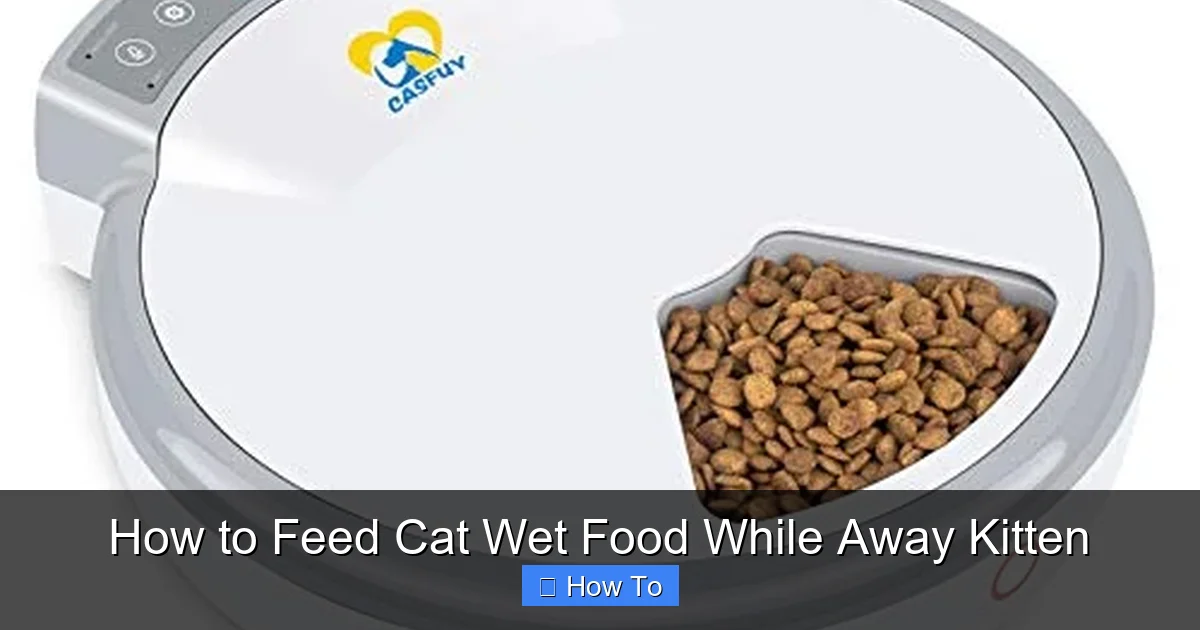
Leaving your kitten alone doesn’t mean sacrificing their wet food diet. This guide covers modern solutions—from smart feeders to meal prep hacks—so your kitten eats fresh, nutritious meals even when you’re not home. Keep them healthy, happy, and well-fed with 2026’s best practices.
Key Takeaways
- Kittens need frequent, small meals: Unlike adult cats, kittens require 3–4 small meals daily for proper growth and energy. Skipping meals can lead to low blood sugar and developmental issues.
- Wet food spoils quickly at room temperature: Bacteria grow fast in opened wet food after 1–2 hours, so timing and storage are critical when you’re away.
- Automated smart feeders are a game-changer in 2026: New models with cooling compartments, portion control, and app alerts let you serve fresh wet food remotely.
- Meal prepping saves time and reduces waste: Portioning wet food into single servings and freezing them ensures freshness and easy thawing.
- Backup plans are essential: Always have a trusted pet sitter or neighbor on standby in case of feeder malfunctions or power outages.
- Monitor your kitten’s health remotely: Use pet cameras with two-way audio and treat dispensers to check in and comfort your kitten during your absence.
- Transition slowly to automated feeding: Introduce new feeders gradually to avoid stress and ensure your kitten accepts the change.
How to Feed Cat Wet Food While Away Kitten: A 2026 Guide for Busy Pet Parents
If you’re a kitten parent with a busy schedule, you know how hard it can be to balance work, travel, or personal time with your furry friend’s feeding needs. Kittens, especially those under six months old, thrive on frequent, nutrient-rich meals—and wet food is often the best choice for hydration and digestion. But what happens when you’re not home to serve that next meal?
In 2026, technology and pet care have evolved to make remote feeding easier, safer, and more reliable than ever. From smart feeders with built-in cooling to clever meal-prep strategies, there are now practical, vet-approved ways to ensure your kitten gets their wet food on time—even when you’re miles away.
This guide will walk you through everything you need to know: how to choose the right tools, prepare meals in advance, set up automated systems, and troubleshoot common issues. Whether you’re going out for a few hours or traveling overnight, you’ll learn how to keep your kitten happy, healthy, and well-fed.
Why Wet Food Matters for Kittens
Before diving into the “how,” let’s talk about the “why.” Wet food isn’t just a treat—it’s a vital part of a kitten’s diet. Here’s why:
- High moisture content: Kittens are prone to dehydration, and wet food provides up to 78% water, supporting kidney and urinary health.
- Easier to digest: The soft texture and high protein content help growing kittens absorb nutrients more efficiently.
- Encourages eating: Many kittens prefer the smell and taste of wet food, which can be crucial for picky eaters or those recovering from illness.
- Supports healthy weight gain: Wet food is calorie-dense but not overly filling, helping kittens gain weight steadily without overeating.
According to the American Association of Feline Practitioners (AAFP), kittens should eat 3–4 small meals per day until they’re about six months old. Skipping meals can lead to hypoglycemia (low blood sugar), lethargy, and even seizures in extreme cases. So, consistency is key.
But here’s the challenge: wet food can’t sit out for long. Once opened, it begins to spoil within 1–2 hours at room temperature. That means traditional timed dry food dispensers won’t cut it. You need a smarter solution—especially if you’re away for more than a few hours.
Step 1: Choose the Right Automated Feeder for Wet Food
In 2026, smart pet feeders have advanced significantly. No longer just for dry kibble, many models now support wet food with features like refrigeration, portion control, and remote monitoring. Here’s how to pick the best one for your kitten.
Look for a Cooling Compartment
The biggest hurdle with wet food is spoilage. The best feeders in 2026 come with built-in cooling systems—similar to mini refrigerators—that keep food fresh for up to 24 hours. Brands like PetTech Pro and WhiskerSmart 360 offer models with dual-zone cooling, so you can store multiple meals at once.
When shopping, check the temperature range. Ideal cooling is between 35°F and 40°F (1.7°C to 4.4°C)—cold enough to prevent bacterial growth but not so cold that the food freezes and loses texture.
Check Portion Control and Meal Scheduling
Kittens need precise portions based on age and weight. A good feeder should let you program 3–4 meals per day with customizable serving sizes. For example, a 12-week-old kitten might need 1/4 cup of wet food per meal, while a 20-week-old may need 1/3 cup.
Look for feeders with mobile apps that allow you to adjust schedules on the go. If your meeting runs late, you can delay the next meal with a tap on your phone.
Ensure Easy Cleaning and Maintenance
Wet food leaves residue, so choose a feeder with dishwasher-safe trays and removable parts. Some 2026 models even have self-cleaning modes that use UV light or steam to sanitize after each use.
Avoid feeders with hard-to-reach crevices—bacteria love to hide there. Stainless steel or BPA-free plastic trays are best for hygiene.
Test Reliability and Backup Power
Power outages happen. Make sure your feeder has a battery backup (at least 12 hours) or a manual release option. Some high-end models even connect to home solar systems or smart outlets for added reliability.
Before relying on it full-time, test the feeder for a few days. Make sure it dispenses the correct amount and doesn’t jam.
Step 2: Prep Wet Food Meals in Advance
Even the best feeder won’t work if the food inside spoils. That’s why meal prepping is a crucial step. Here’s how to do it safely and efficiently.
Portion and Freeze Individual Meals
The easiest way to keep wet food fresh is to portion it into single servings and freeze them. Use silicone ice cube trays or small reusable containers. Each cube or portion should match your kitten’s daily meal size.
For example, if your kitten eats 1/4 cup per meal, fill each compartment with exactly that amount. Label the trays with the date and flavor to avoid mix-ups.
Freezing stops bacterial growth and preserves nutrients. When it’s time to feed, simply transfer a portion to the feeder’s cooling compartment the night before. It will thaw safely by morning.
Use Airtight, Pet-Safe Containers
Never store wet food in regular plastic bags or non-food-grade containers. Use BPA-free, airtight containers designed for pet food. Some brands, like FreshPaws Storage, offer stackable, freezer-safe containers with portion markings.
Avoid overfilling containers—wet food expands when frozen. Leave a little space at the top to prevent cracking.
Rotate Stock to Avoid Waste
Follow the “first in, first out” rule. Use the oldest portions first to ensure nothing expires. Most wet food is good for up to 12 months frozen, but check the label for specifics.
If you’re using homemade or raw wet food, freeze it within 2 hours of preparation to maintain safety.
Step 3: Set Up Your Smart Feeder for Success
Once you’ve chosen your feeder and prepped the meals, it’s time to set it up. Follow these steps to ensure smooth operation.
Install the Feeder in a Safe, Accessible Location
Place the feeder on a flat, stable surface away from direct sunlight, heat sources, or drafts. Kittens are curious and may knock over unstable feeders.
Choose a spot where your kitten can easily access it but where other pets (or kids) won’t interfere. A quiet corner of the kitchen or living room works well.
Connect to Wi-Fi and Download the App
Most 2026 smart feeders connect via Wi-Fi or Bluetooth. Download the manufacturer’s app and follow the setup instructions. You’ll typically need to create an account, scan a QR code, and connect to your home network.
Test the connection by sending a remote feed command. Make sure the food dispenses correctly and the app confirms the action.
Program Feeding Schedules
Set up your kitten’s ideal meal times. For example:
- 7:00 AM – Breakfast
- 12:00 PM – Lunch
- 5:00 PM – Dinner
- 9:00 PM – Evening snack
Adjust based on your kitten’s age and appetite. Younger kittens may need more frequent meals.
Enable notifications so you’re alerted if a meal is dispensed—or if the feeder runs low on food.
Introduce the Feeder Gradually
Don’t expect your kitten to adapt overnight. Start by placing the feeder near their usual eating spot with the door open. Let them sniff and explore it.
Next, dispense a small amount of food manually while they watch. Praise and reward them with a treat to create positive associations.
Over 3–5 days, increase the amount dispensed automatically. By the end of the week, your kitten should be comfortable eating from the feeder—even when you’re not home.
Step 4: Monitor Your Kitten Remotely
Just because you’re away doesn’t mean you can’t keep an eye on your kitten. In 2026, pet cameras and monitoring systems are more advanced than ever.
Use a Pet Camera with Two-Way Audio
Cameras like the Furbo 360 or PetChatz Ultra let you see, hear, and even talk to your kitten in real time. If they seem anxious or hesitant to eat, you can soothe them with your voice.
Some models include treat dispensers, so you can reward good behavior remotely. This is especially helpful during the transition to automated feeding.
Check Feeder Status and Food Levels
Many smart feeders send alerts when food is running low or if a meal wasn’t eaten. Use these notifications to adjust portions or check in with a pet sitter.
If your kitten skips a meal, don’t panic—sometimes they’re just not hungry. But if it happens repeatedly, consult your vet.
Review Feeding Logs
Most apps keep a log of when meals were dispensed and eaten. Use this data to track your kitten’s eating habits and spot any changes early.
For example, if your kitten suddenly stops eating lunch, it could signal stress, illness, or a problem with the feeder.
Step 5: Have a Backup Plan
Technology fails. Power goes out. Feeders jam. That’s why every responsible pet parent needs a backup plan.
Arrange for a Pet Sitter or Trusted Neighbor
Even with the best tech, it’s wise to have a human backup. Ask a friend, family member, or professional pet sitter to check in once a day—especially if you’re away overnight.
Provide clear instructions: how to operate the feeder, where the backup food is stored, and what to do in an emergency.
Keep Emergency Supplies Handy
Store extra wet food, a manual can opener, and a backup bowl near the feeder. In case of a malfunction, your sitter can hand-feed your kitten without delay.
Include your vet’s contact info and any medical notes (like allergies or medications) in a visible place.
Test Your System Before Travel
Never leave your kitten alone with a new feeder for the first time. Test it for at least 3–5 days while you’re home. Watch how your kitten reacts and ensure everything works smoothly.
If you’re traveling, do a trial run with a short overnight trip. Monitor remotely and have your sitter confirm everything is okay.
Troubleshooting Common Issues
Even with the best planning, problems can arise. Here’s how to handle the most common issues.
Feeder Jams or Doesn’t Dispense Food
This often happens if food is too thick or frozen solid. To prevent jams:
- Thaw food completely before loading.
- Avoid overfilling the tray.
- Use high-quality wet food with consistent texture.
If a jam occurs, turn off the feeder, remove the tray, and clean it thoroughly. Most apps will alert you to a jam, so check the notification promptly.
Kitten Won’t Eat from the Feeder
Some kittens are wary of new devices. Try these tips:
- Place a dab of tuna juice or broth on the food to entice them.
- Feed them manually near the feeder to build trust.
- Use a familiar bowl alongside the feeder during the transition.
If they still refuse after a week, consult your vet to rule out health issues.
Food Spoils Before Being Eaten
If the cooling system isn’t working, food can spoil quickly. Check the temperature settings and ensure the feeder is plugged in. Clean the cooling coils regularly—dust buildup reduces efficiency.
If the problem persists, contact customer support. Many 2026 models come with warranties and remote diagnostics.
Power Outage or Wi-Fi Failure
Always have a battery-powered backup feeder or a manual feeding plan. Keep a list of emergency contacts and a printed copy of feeding instructions.
Some smart homes now integrate with backup generators or solar panels—consider upgrading if you live in an area with frequent outages.
Conclusion: Peace of Mind for You, Perfect Meals for Your Kitten
Feeding your kitten wet food while you’re away doesn’t have to be stressful. With the right tools, preparation, and planning, you can ensure they get the nutrition they need—exactly on time.
In 2026, smart feeders, meal prepping, and remote monitoring make it easier than ever to be a present, caring pet parent—even when you’re not physically home. By following this guide, you’ll not only keep your kitten healthy and happy but also enjoy greater freedom and peace of mind.
Remember: consistency, safety, and love are the foundations of great pet care. Whether you’re at work, traveling, or just running errands, your kitten will thrive knowing they’re well-fed and well-loved.