

Switching your cat to a raw food diet can boost energy, coat health, and digestion—but it must be done safely. This guide walks you through every step, from choosing quality ingredients to proper storage and portion control, ensuring your feline thrives on raw nutrition in 2026.
Key Takeaways
- Raw diets mimic a cat’s natural eating habits: Cats are obligate carnivores, meaning they thrive on meat-based diets rich in animal protein and low in carbohydrates.
- Transition gradually to avoid digestive upset: Introduce raw food slowly over 7–10 days, mixing it with your cat’s current food to ease the switch.
- Balance is critical for long-term health: A complete raw diet includes muscle meat, organ meat, bone, and essential supplements like taurine and omega-3s.
- Safe handling prevents bacterial contamination: Always wash hands, utensils, and surfaces after preparing raw meals to protect both you and your pet.
- Portion based on weight and activity level: Most adult cats need 2–3% of their body weight in raw food daily, adjusted for age, metabolism, and lifestyle.
- Freeze meat before use to reduce pathogens: Freezing raw meat at -4°F (-20°C) for at least 72 hours helps kill parasites like Toxoplasma.
- Monitor your cat’s health closely: Watch for changes in energy, coat quality, stool consistency, and weight to ensure the diet is working well.
How to Feed Raw Cat Food: A Complete 2026 Guide
If you’re considering switching your cat to a raw food diet, you’re not alone. In 2026, more pet owners than ever are turning to raw feeding as a way to support their cats’ natural biology and improve overall health. Raw diets—made from fresh, uncooked meat, organs, and bones—can lead to shinier coats, healthier teeth, better digestion, and increased energy. But while the benefits are compelling, raw feeding requires knowledge, planning, and careful execution to be safe and effective.
This comprehensive guide will walk you through everything you need to know about how to feed raw cat food in 2026. From understanding why raw diets work to step-by-step feeding instructions, safety tips, and troubleshooting common issues, you’ll learn how to confidently provide your cat with a nutritious, species-appropriate meal plan. Whether you’re a first-time raw feeder or looking to refine your current approach, this guide has you covered.
Why Feed Raw Food to Cats?
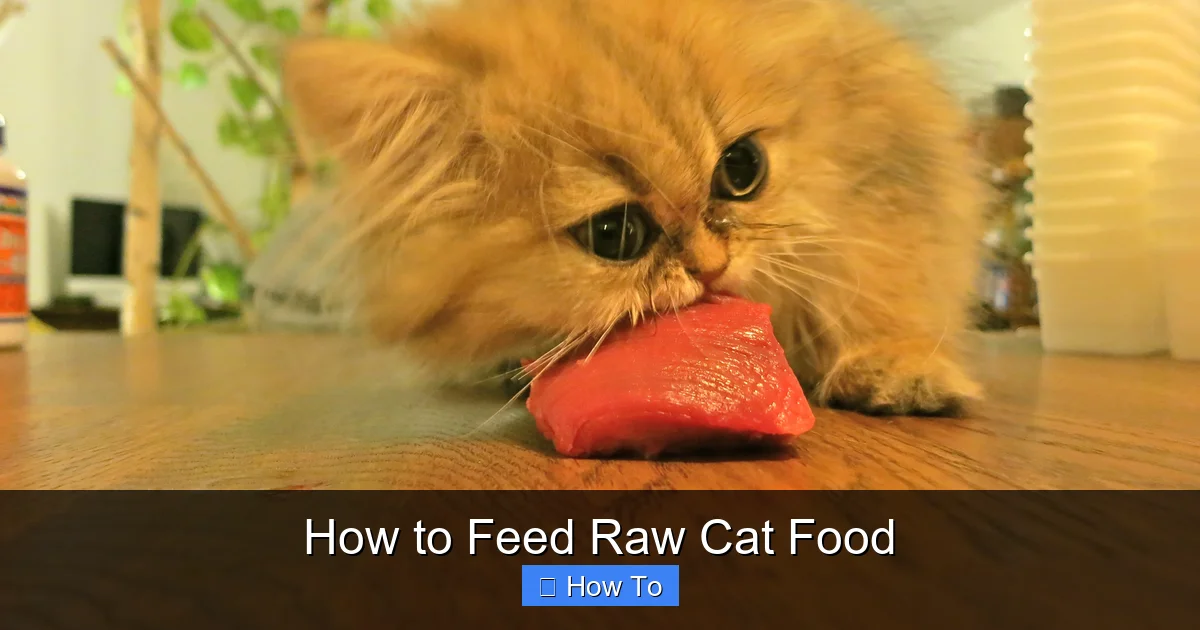
Visual guide about How to Feed Raw Cat Food
Image source: meowlifestyle.com
Cats are obligate carnivores, which means their bodies are designed to thrive on a diet primarily composed of animal-based proteins and fats. Unlike dogs or humans, cats cannot synthesize certain essential nutrients—like taurine, arachidonic acid, and vitamin A—from plant sources. They must obtain these directly from meat.
In the wild, cats consume prey animals whole, including muscle meat, organs, and bones. This natural diet is high in moisture, low in carbohydrates, and rich in amino acids. Commercial dry kibble, by contrast, often contains fillers, grains, and synthetic additives that don’t align with a cat’s biological needs.
Feeding raw food aims to replicate this ancestral diet. Studies and anecdotal evidence from 2026 suggest that cats on raw diets often experience:
– Improved digestion and smaller, less odorous stools
– Healthier skin and a shinier coat
– Reduced risk of urinary tract issues due to higher moisture intake
– Better weight management
– Increased energy and mental alertness
Of course, raw feeding isn’t without risks—improperly balanced meals or poor hygiene can lead to nutritional deficiencies or bacterial infections. That’s why it’s essential to follow best practices and consult your veterinarian before making the switch.
Types of Raw Cat Food Diets
Before you start, it’s important to understand the different approaches to raw feeding. Each has its pros and cons, and the right choice depends on your lifestyle, budget, and your cat’s needs.
Homemade Raw Diets
Homemade raw diets are prepared from scratch using fresh ingredients you source and measure yourself. This gives you full control over quality and balance.
Pros:
– Complete control over ingredients and sourcing
– Can be tailored to your cat’s specific health needs
– Often more cost-effective in the long run
Cons:
– Time-consuming to prepare and balance correctly
– Requires knowledge of feline nutrition
– Risk of imbalance if not properly formulated
If you choose this route, use a trusted recipe from a veterinary nutritionist or a reputable raw feeding guide. Common models include the BARH (Biologically Appropriate Raw Food) diet, which typically follows an 80% muscle meat, 10% bone, and 10% organ meat ratio (with half being liver).
Commercial Raw Diets
These are pre-packaged raw meals available frozen or freeze-dried from pet stores or online retailers. Many are formulated to meet AAFCO (Association of American Feed Control Officials) standards.
Pros:
– Convenient and time-saving
– Nutritionally balanced (when from reputable brands)
– Often tested for pathogens and safety
Cons:
– Can be expensive
– Limited customization
– Quality varies by brand—research is essential
Look for brands that use human-grade ingredients, avoid artificial preservatives, and provide feeding guidelines based on weight and age.
Freeze-Dried Raw Diets
These are raw meals that have been freeze-dried to remove moisture while preserving nutrients. They’re rehydrated with water before serving.
Pros:
– Long shelf life
– No refrigeration needed until opened
– Retains most nutritional value
Cons:
– Higher cost per serving
– Some cats prefer the texture of fresh or frozen raw
Freeze-dried options are great for travel or as a supplement to fresh raw feeding.
Step-by-Step Guide to Feeding Raw Cat Food
Now that you understand the options, let’s walk through the process of safely and effectively feeding raw food to your cat.
Step 1: Consult Your Veterinarian
Before making any dietary changes, talk to your vet—especially if your cat has pre-existing health conditions like kidney disease, diabetes, or a weakened immune system. While many vets support raw feeding in 2026, others may have concerns about bacterial risks or nutritional balance.
Ask for a full health checkup, including blood work, to establish a baseline. Your vet can also help you determine the right portion size and monitor your cat’s progress.
Step 2: Choose High-Quality Ingredients
The foundation of a healthy raw diet is high-quality, fresh ingredients. Here’s what to look for:
– Muscle Meat: Chicken, turkey, rabbit, duck, or beef. Choose human-grade, preferably organic or pasture-raised.
– Organ Meat: Liver (chicken or beef) and secreting organs like kidney or spleen. Liver should make up about 5% of the total diet.
– Bone: Raw, meaty bones like chicken necks, wings, or turkey necks. These provide calcium and phosphorus. Never feed cooked bones—they can splinter.
– Supplements: Taurine, omega-3 fatty acids (from fish oil), and vitamin E may be needed, especially in homemade diets.
Avoid pork and wild game unless you’re certain they’re free of parasites. Also, never feed onions, garlic, grapes, or chocolate—these are toxic to cats.
Step 3: Prepare the Meals
Whether you’re making homemade meals or thawing commercial raw food, proper preparation is key.
For homemade diets:
– Use a food processor or meat grinder to blend ingredients into a uniform consistency.
– Weigh each component to ensure accurate ratios.
– Add supplements as directed by your recipe.
For commercial raw:
– Thaw frozen meals in the refrigerator—never at room temperature.
– Serve at room temperature or slightly warmed (not hot) to enhance aroma and appeal.
Always use clean utensils and surfaces. Wash everything with hot, soapy water after use.
Step 4: Transition Gradually
Sudden dietary changes can cause vomiting, diarrhea, or refusal to eat. To avoid this, transition over 7–10 days:
– Days 1–3: Mix 25% raw food with 75% current food.
– Days 4–6: Increase to 50% raw, 50% current.
– Days 7–10: Use 75% raw, 25% current.
– Day 11 onward: Feed 100% raw.
Monitor your cat closely. If they show signs of digestive upset, slow the transition or consult your vet.
Step 5: Determine Portion Sizes
Most adult cats need 2–3% of their body weight in raw food per day. For example:
– A 10-pound cat needs about 3–4.5 ounces (85–125 grams) daily.
– Active or underweight cats may need more; older or less active cats may need less.
Divide the daily amount into 2–3 meals. Kittens, pregnant, or nursing cats require more—up to 5–8% of body weight.
Use a kitchen scale for accuracy. Eyeballing portions can lead to overfeeding or underfeeding.
Step 6: Serve and Monitor
Serve raw food in a clean bowl. Some cats prefer shallow dishes to avoid whisker fatigue.
Observe your cat’s eating habits:
– Do they eat eagerly?
– Is there leftover food? (Remove uneaten raw food after 30–60 minutes to prevent spoilage.)
– Are they drinking enough water?
Note changes in energy, coat, stool, and weight. A healthy raw-fed cat should have firm, small stools and a glossy coat.
Step 7: Store Raw Food Safely
Proper storage prevents bacterial growth and maintains freshness.
– Freezing: Store raw meat in airtight containers or vacuum-sealed bags. Label with date and contents. Freeze for at least 72 hours before use to reduce parasites.
– Thawing: Thaw in the refrigerator, not on the counter. Use within 24–48 hours.
– Leftovers: Discard any raw food left out for more than an hour at room temperature.
Never refreeze thawed raw food unless it’s been cooked.
Safety and Hygiene Tips
Raw meat can carry bacteria like Salmonella, E. coli, and Listeria. While healthy cats are generally resilient, these pathogens can affect humans—especially children, elderly, or immunocompromised individuals.
Follow these safety practices:
– Wash hands thoroughly with soap and water before and after handling raw food.
– Use separate cutting boards and utensils for pet food.
– Clean bowls, counters, and surfaces with hot, soapy water or a pet-safe disinfectant.
– Store raw food away from human food in the fridge or freezer.
– Consider using gloves when preparing meals.
If someone in your household is at higher risk, discuss alternatives with your vet, such as lightly cooked or commercially processed raw diets.
Troubleshooting Common Issues
Even with the best planning, you may encounter challenges. Here’s how to handle them:
My Cat Won’t Eat Raw Food
Some cats are picky or hesitant at first. Try:
– Warming the food slightly to enhance smell.
– Adding a small amount of tuna juice or bone broth (unsalted).
– Offering different textures—minced, ground, or chunked.
– Hand-feeding or using food puzzles to make it fun.
Patience is key. It can take weeks for a cat to accept raw food.
Digestive Upset (Vomiting or Diarrhea)
This is common during the transition. Solutions include:
– Slowing the transition process.
– Ensuring the diet is balanced—especially taurine levels.
– Checking for food intolerances (e.g., chicken allergy).
– Consulting your vet to rule out infections or parasites.
Excessive Weight Gain or Loss
Adjust portion sizes based on your cat’s body condition. Use a body condition score (BCS) chart—your cat should have a visible waist and palpable ribs.
If weight changes persist, review the diet’s calorie content and consult your vet.
Bad Breath or Dental Issues
Raw diets can improve dental health over time, but some cats may need additional care. Offer raw meaty bones (under supervision) or use dental chews designed for raw-fed cats.
Long-Term Success with Raw Feeding
Feeding raw isn’t just a short-term experiment—it’s a long-term commitment to your cat’s health. In 2026, many raw feeders report lasting benefits, including fewer vet visits and improved quality of life.
To maintain success:
– Keep detailed records of meals, supplements, and your cat’s health.
– Rotate protein sources to prevent allergies and ensure variety.
– Reassess the diet annually or after major life changes (e.g., aging, pregnancy).
– Stay informed about new research and feeding guidelines.
Join online raw feeding communities or local pet groups to share tips and get support.
Conclusion
Feeding raw cat food in 2026 is a rewarding way to support your feline’s natural biology and long-term wellness. When done correctly, a raw diet can lead to a healthier, happier cat with more energy, better digestion, and a shinier coat.
Remember, the key to success is balance, safety, and consistency. Start with a vet consultation, choose quality ingredients, transition slowly, and monitor your cat’s response. Whether you go homemade, commercial, or freeze-dried, your cat will benefit from a diet that honors their carnivorous nature.
With the right knowledge and care, raw feeding can be a safe, effective, and deeply satisfying choice for you and your pet.