
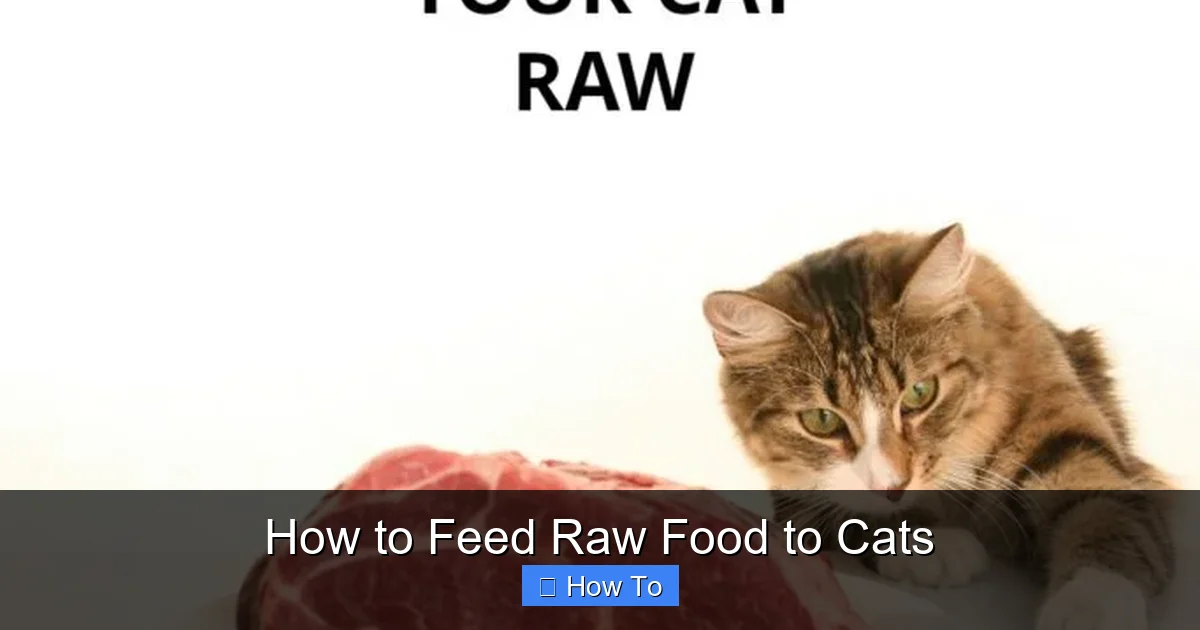
Switching your cat to a raw food diet can boost energy, coat health, and digestion—but it must be done safely. This guide walks you through choosing ingredients, balancing meals, handling raw food, and avoiding common mistakes. Perfect for pet parents ready to embrace natural nutrition in 2026.
Key Takeaways
- Raw diets mimic cats’ natural eating habits: Cats are obligate carnivores, meaning they thrive on meat-based diets. A raw food diet supports their biological needs better than many processed kibbles.
- Balance is critical: Simply feeding raw meat isn’t enough. You must include organs, bones (or bone substitutes), and supplements to prevent nutritional deficiencies.
- Safety first: Proper handling, storage, and hygiene are essential to avoid bacterial contamination like Salmonella or E. coli for both your cat and your household.
- Start slow and monitor: Transition gradually over 7–10 days and watch for changes in stool, energy, and coat. Adjust as needed based on your cat’s response.
- Consult your vet: Especially if your cat has health conditions like kidney disease or diabetes. A vet can help tailor the diet to your cat’s specific needs.
- Pre-made vs. homemade: Commercial raw diets are convenient and balanced, while homemade offers control—but requires careful planning and supplementation.
- Cost and time matter: Raw feeding can be more expensive and time-consuming than kibble. Plan your budget and schedule accordingly.
How to Feed Raw Food to Cats: A Complete 2026 Guide
If you’re reading this, you probably care deeply about your cat’s health—and you’re not alone. In 2026, more pet owners than ever are turning to raw food diets for their feline companions. Why? Because a growing body of research and real-world results suggest that feeding cats a species-appropriate, raw diet can lead to shinier coats, healthier skin, better digestion, fewer allergies, and even improved dental health.
But here’s the catch: feeding raw isn’t as simple as tossing some chicken in a bowl. Done wrong, it can lead to nutritional imbalances, bacterial infections, or even serious illness. That’s why this guide exists—to walk you through every step of safely and effectively feeding raw food to your cat in 2026.
Whether you’re a first-time raw feeder or looking to refine your current approach, you’ll learn how to choose the right ingredients, balance meals, handle raw food safely, and monitor your cat’s health. Let’s dive in.
Why Feed Raw Food to Cats?

Visual guide about How to Feed Raw Food to Cats
Image source: petmd.com
Cats are obligate carnivores. That means their bodies are designed to thrive on a diet made almost entirely of animal-based proteins and fats. Unlike dogs or humans, cats can’t efficiently process plant matter, and they require specific nutrients—like taurine, arachidonic acid, and vitamin A—that are only found in animal tissue.
Commercial dry kibble, while convenient, often contains fillers like corn, wheat, and soy, along with high levels of carbohydrates. Over time, this can contribute to obesity, diabetes, urinary tract issues, and chronic inflammation.
A raw food diet, on the other hand, closely mimics what cats would eat in the wild—whole prey like mice, birds, and small animals. This includes muscle meat, organs, and bones. When properly balanced, raw feeding can:
– Improve coat and skin health
– Reduce shedding and hairballs
– Support healthy weight
– Enhance energy and vitality
– Promote better dental health (chewing on raw bones can reduce plaque)
– Aid digestion and reduce stool odor
In 2026, veterinary nutritionists are increasingly open to raw diets—especially when they’re well-formulated and safely handled. The key is doing it right.
Types of Raw Diets for Cats
Before you start, it’s important to understand the different approaches to raw feeding. Each has pros and cons, so choose the one that fits your lifestyle, budget, and comfort level.
1. Prey Model Raw (PMR)
This diet aims to replicate the whole prey a cat would eat in the wild. It typically includes:
– 80% muscle meat (chicken, turkey, rabbit, duck)
– 10% raw edible bone (chicken necks, wings, or turkey necks)
– 5% liver (chicken or beef liver)
– 5% other secreting organs (kidney, spleen, pancreas)
PMR is popular because it’s simple and biologically appropriate. However, it requires sourcing whole carcasses or specific cuts, and some cats may resist chewing on bones.
2. Biologically Appropriate Raw Food (BARF)
Developed by Dr. Ian Billinghurst, BARF includes raw meat, bones, organs, and added supplements like eggs, fish oil, and vegetables (though cats don’t need veggies, some owners add small amounts for fiber).
A typical BARF ratio is:
– 70% muscle meat
– 10% raw edible bone
– 10% organs (5% liver, 5% other)
– 5% vegetables (optional)
– 5% supplements (omega-3s, taurine, etc.)
BARF offers more flexibility but requires careful supplementation to avoid deficiencies.
3. Commercial Raw Diets
These are pre-made, frozen or freeze-dried raw meals from reputable brands (like Stella & Chewy’s, Primal, or Northwest Naturals). They’re convenient, balanced, and often vet-approved.
Pros:
– No meal prep
– Nutritionally complete
– Reduced risk of contamination (if handled properly)
Cons:
– More expensive
– Less control over ingredients
– Some cats may not like the texture
4. Homemade Raw Diets
You prepare meals from scratch using fresh ingredients. This gives you full control over quality and sourcing but requires strict adherence to nutritional guidelines.
Tip: Use a recipe from a certified veterinary nutritionist or a trusted resource like the American College of Veterinary Nutrition (ACVN).
Step-by-Step: How to Start Feeding Raw Food to Your Cat
Ready to begin? Follow these steps to ensure a smooth and safe transition.
Step 1: Consult Your Veterinarian
Before making any dietary changes, talk to your vet—especially if your cat has chronic health issues like kidney disease, diabetes, or inflammatory bowel disease (IBD). Some conditions require special dietary management, and raw feeding may not be suitable.
Ask your vet:
– Is my cat healthy enough for a raw diet?
– Are there any nutrients I should monitor?
– Can you recommend a balanced recipe or brand?
In 2026, many vets are more open to raw feeding, but it’s still important to have professional guidance.
Step 2: Choose Your Diet Type
Decide whether you’ll go with PMR, BARF, commercial, or homemade. Consider:
– Your time and budget
– Your cat’s preferences
– Your comfort with handling raw meat
If you’re new to raw feeding, starting with a commercial raw diet is often the safest and easiest option.
Step 3: Source High-Quality Ingredients
Not all meat is created equal. For raw feeding, prioritize:
– Human-grade meat from reputable sources
– Organic or pasture-raised when possible
– Fresh or properly frozen (to kill parasites)
Avoid:
– Meat with added hormones or antibiotics
– Ground meat with fillers or preservatives
– Wild-caught game (risk of parasites)
Good sources include:
– Local butcher shops
– Online raw pet food suppliers (like Darwin’s or Rad Cat)
– Farmers’ markets (ask about sourcing and handling)
Tip: Freeze meat for at least 72 hours before feeding to reduce the risk of parasites like Toxoplasma.
Step 4: Balance the Diet
This is the most important step. An unbalanced raw diet can lead to serious health problems.
Key nutrients to include:
– Taurine: Essential for heart and eye health. Found in muscle meat, but supplement if using low-taurine meats like rabbit.
– Calcium: Needed for bone health. Provided by raw edible bones or calcium supplements (like eggshell powder).
– Vitamin E: An antioxidant that supports skin and immune function. Add a small amount of fish oil or supplement.
– Omega-3 fatty acids: Reduce inflammation. Use wild-caught salmon oil or sardine oil.
– Vitamin A: Pre-formed vitamin A (retinol) from liver. Don’t overdo it—too much liver can cause vitamin A toxicity.
Use a recipe from a trusted source. For example, a basic PMR recipe might look like:
– 80g chicken thigh (muscle meat)
– 10g chicken neck (raw edible bone)
– 5g chicken liver
– 5g beef kidney
– 1/4 tsp fish oil
– 100 IU vitamin E (if not using fish oil regularly)
Tip: Rotate proteins weekly (chicken, turkey, rabbit, duck) to ensure variety and reduce the risk of sensitivities.
Step 5: Prepare Meals Safely
Raw meat can carry bacteria like Salmonella, Listeria, and E. coli. Protect your cat and your household with proper hygiene.
Follow these rules:
– Wash hands, utensils, and surfaces with hot, soapy water after handling raw meat.
– Use separate cutting boards and bowls for raw pet food.
– Thaw frozen meat in the refrigerator—never on the counter.
– Feed immediately or store in the fridge for up to 24 hours.
– Freeze unused portions for up to 6 months.
Tip: Use stainless steel or ceramic bowls—they’re easier to clean and less likely to harbor bacteria than plastic.
Step 6: Transition Gradually
Don’t switch cold turkey. Sudden diet changes can upset your cat’s stomach.
Over 7–10 days, slowly increase the amount of raw food while decreasing kibble:
– Days 1–2: 25% raw, 75% kibble
– Days 3–4: 50% raw, 50% kibble
– Days 5–6: 75% raw, 25% kibble
– Day 7+: 100% raw
Watch for signs of digestive upset: vomiting, diarrhea, or refusal to eat. If symptoms persist, slow the transition or consult your vet.
Step 7: Feed the Right Amount
Cats need about 20–30 calories per pound of body weight per day. A 10-pound cat needs roughly 200–300 calories daily.
Portion sizes depend on:
– Your cat’s weight and activity level
– The calorie density of the food
– Whether you’re feeding whole prey or ground meals
As a general guide:
– Feed 2–4% of your cat’s body weight daily
– Example: A 10-pound cat = 3.2–6.4 ounces of raw food per day
Split into 2–3 meals to mimic natural feeding behavior.
Tip: Weigh your cat weekly for the first month. Adjust portions if they’re gaining or losing weight.
Step 8: Monitor and Adjust
Keep an eye on your cat’s health and behavior. Look for:
– Shiny, soft coat
– Clear eyes and healthy skin
– Regular, firm stools
– High energy and playfulness
– Clean teeth and fresh breath
If you notice:
– Diarrhea or vomiting
– Weight loss or gain
– Lethargy or refusal to eat
– Bad breath or dental issues
…it may be a sign of imbalance or intolerance. Revisit your recipe, check ingredient quality, or consult your vet.
Troubleshooting Common Raw Feeding Issues
Even with the best planning, challenges can arise. Here’s how to handle the most common problems.
My Cat Won’t Eat Raw Food
Some cats are picky, especially if they’ve eaten kibble their whole life.
Try:
– Warming the food slightly (to body temperature) to enhance smell
– Adding a small amount of tuna juice or bone broth
– Hand-feeding or using a spoon to mimic hunting
– Mixing raw with a favorite wet food, then gradually reducing the wet portion
Be patient. It can take weeks for some cats to accept raw food.
My Cat Is Constipated
Raw diets are typically high in moisture and low in fiber, which can cause constipation in some cats.
Solutions:
– Add a teaspoon of canned pumpkin (plain, no spices)
– Increase hydration with bone broth or water fountains
– Ensure adequate fat in the diet (helps lubricate the intestines)
My Cat Is Getting Too Thin or Too Heavy
Adjust portion sizes based on weight trends. Underweight cats may need more calories; overweight cats may need less.
Also consider:
– Protein quality and fat content
– Activity level
– Medical conditions (like hyperthyroidism)
I’m Worried About Bacteria
While raw meat can carry pathogens, the risk to healthy cats is low. Cats have highly acidic stomachs that kill most bacteria.
To reduce risk:
– Source high-quality, human-grade meat
– Freeze meat before feeding
– Practice strict hygiene
– Avoid feeding raw meat to immunocompromised people or pets
Note: In 2026, some pet owners use high-pressure processing (HPP) raw foods, which kill bacteria without cooking.
My Cat Isn’t Chewing the Bones
Some cats swallow small bones whole, which is usually safe. But if they’re not chewing, they may not get the dental benefits.
Try:
– Offering softer bones (chicken wings instead of necks)
– Grinding bones and mixing into meat (use a meat grinder)
– Using bone meal or calcium supplements as an alternative
Never feed cooked bones—they can splinter and cause injury.
Cost and Time Considerations
Raw feeding isn’t cheap or quick. Here’s what to expect in 2026:
Cost
– Commercial raw: $3–$6 per day
– Homemade raw: $2–$4 per day (depending on sourcing)
– Supplements: $10–$30 per month
Compare to high-quality kibble ($1–$2 per day), and you’ll see the difference.
Tip: Buy in bulk, freeze portions, and rotate sales to save money.
Time
– Meal prep: 10–15 minutes per batch (if making weekly meals)
– Thawing: 12–24 hours in the fridge
– Cleaning: 5–10 minutes after each feeding
If you’re short on time, commercial raw or freeze-dried options are worth the extra cost.
Final Thoughts: Is Raw Feeding Right for You?
Feeding raw food to cats can be one of the most rewarding decisions you make for your pet’s health. In 2026, with better education, safer sourcing, and more vet support, it’s easier than ever to do it right.
But it’s not for everyone. It requires commitment, knowledge, and attention to detail. If you’re willing to invest the time and care, your cat may enjoy a longer, healthier, and more vibrant life.
Remember: every cat is different. What works for one may not work for another. Stay observant, stay informed, and always prioritize safety and balance.
With the right approach, raw feeding isn’t just a trend—it’s a return to what cats were meant to eat.