

Switching your cat to a raw food diet can boost energy, improve coat health, and support digestion—but it must be done safely. This guide walks you through everything you need to know, from choosing ingredients to avoiding common mistakes, so your feline thrives on raw in 2026.
Key Takeaways
- Balance is critical: A proper raw diet includes muscle meat, organ meat, bone, and supplements to meet all nutritional needs.
- Start slow: Gradually introduce raw food over 7–10 days to avoid digestive upset.
- Use high-quality, human-grade ingredients: Choose fresh, antibiotic-free, and preferably locally sourced meats.
- Practice strict hygiene: Wash hands, bowls, and surfaces thoroughly to prevent bacterial contamination.
- Consult your vet: Especially if your cat has health conditions, get professional guidance before starting.
- Monitor your cat’s response: Watch for changes in energy, coat, stool, and weight to adjust the diet as needed.
- Freeze meat before use: Freezing at -4°F (-20°C) for at least 72 hours reduces parasite risk.
How to Feed Your Cat a Raw Food Diet
If you’ve been curious about feeding your cat a raw food diet, you’re not alone. In 2026, more cat owners are turning to raw feeding as a way to mimic what cats would eat in the wild—fresh, uncooked meat, bones, and organs. Advocates say it leads to shinier coats, better digestion, cleaner teeth, and higher energy levels. But raw feeding isn’t as simple as tossing your cat a piece of chicken. It requires planning, knowledge, and careful execution to keep your feline friend safe and healthy.
This guide will walk you through every step of transitioning your cat to a raw food diet—from understanding the basics to preparing meals, storing food safely, and troubleshooting common issues. Whether you’re a first-time raw feeder or looking to refine your current routine, you’ll find practical, science-backed advice to help your cat thrive.
Why Consider a Raw Food Diet for Your Cat?
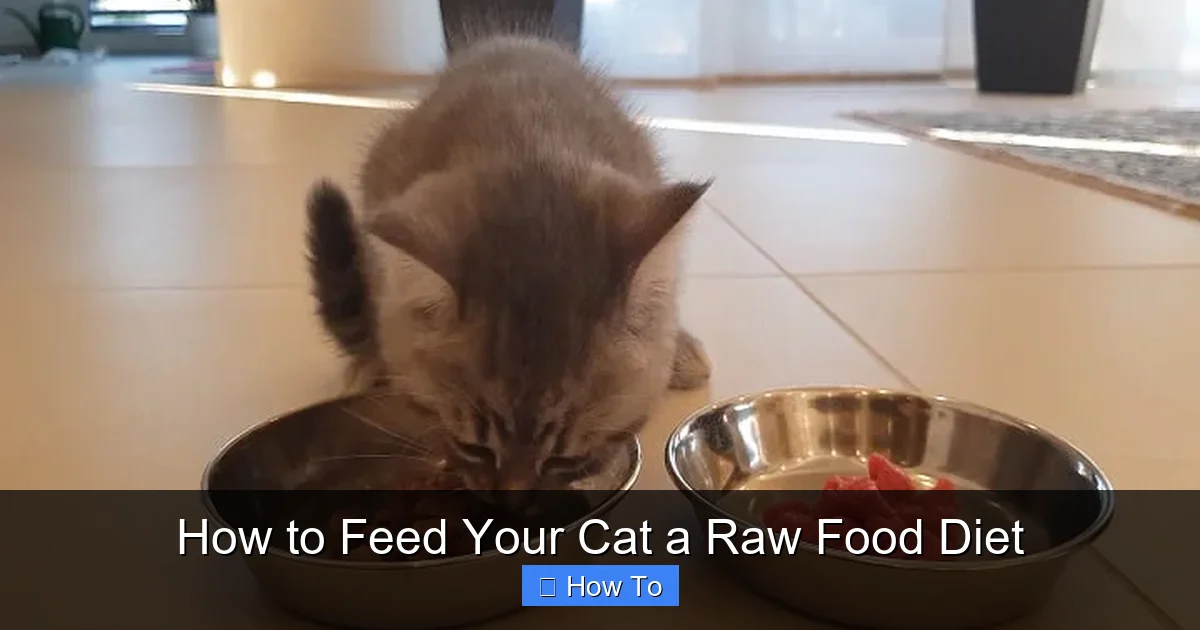
Visual guide about How to Feed Your Cat a Raw Food Diet
Image source: crazycatslady.com
Cats are obligate carnivores, which means their bodies are built to thrive on animal-based proteins and fats. In the wild, they eat small prey like mice and birds—whole animals that provide meat, bones, organs, and even stomach contents (which act as a source of fiber and moisture). Commercial dry kibble, while convenient, often contains fillers, carbohydrates, and preservatives that don’t align with a cat’s natural diet.
A raw food diet aims to replicate this natural eating pattern. When done correctly, it can offer several benefits:
- Improved digestion: Many cats experience less vomiting and firmer stools on raw food.
- Healthier skin and coat: The high moisture and healthy fats in raw meat can reduce shedding and itching.
- Better dental health: Chewing on raw bones (safely prepared) can help reduce plaque and tartar.
- Increased energy and vitality: Owners often report their cats are more playful and alert.
- Weight management: Raw diets are typically lower in carbohydrates, which can help overweight cats shed pounds.
That said, raw feeding isn’t for every cat or every owner. It takes time, effort, and a commitment to safety. But with the right approach, it can be a rewarding way to support your cat’s long-term health.
Is a Raw Diet Right for Your Cat?
Before you start, ask yourself: Is this the best choice for my cat?
Not all cats are good candidates for raw feeding. Consider your cat’s age, health, and lifestyle.
Good candidates for raw feeding:
- Healthy adult cats with no underlying medical conditions
- Cats with food sensitivities or allergies to commercial kibble
- Overweight cats needing a low-carb diet
- Kittens (with proper calcium balance)
Cats who may need caution or vet approval:
- Cats with kidney disease, liver issues, or compromised immune systems
- Senior cats with dental problems or difficulty chewing
- Cats on certain medications that interact with diet
- Indoor-only cats with low activity levels (portion control is key)
Always consult your veterinarian before making the switch—especially if your cat has health concerns. Your vet can help you assess risks and ensure the diet meets your cat’s nutritional needs.
Understanding the Basics of a Balanced Raw Diet
A complete raw diet isn’t just meat. It’s a carefully balanced mix of ingredients that provides all the nutrients your cat needs. The goal is to mimic the composition of whole prey.
The general rule for a balanced raw diet is:
- 80% muscle meat: This is the main protein source. Examples include chicken breast, turkey thigh, beef heart, and lamb.
- 10% raw edible bone: Provides calcium and phosphorus. Examples: chicken necks, wings, or turkey necks (never cooked—cooked bones can splinter).
- 5% liver: Essential for vitamin A. Use only liver—chicken or beef liver is common.
- 5% other secreting organs: Like kidney, spleen, or pancreas. These provide taurine, B vitamins, and other nutrients.
Some recipes also include small amounts of supplements, such as:
- Taurine (critical for heart and eye health)
- Omega-3 fatty acids (from fish oil or sardines)
- Vitamin E (to balance fish oil)
- Egg yolk (for biotin and healthy fats)
Avoid grains, dairy, and vegetables—cats don’t digest them well and don’t need them.
Choosing the Right Ingredients
The quality of your ingredients matters. In 2026, more pet owners are sourcing human-grade, ethically raised meats. Here’s what to look for:
Meat sources:
- Chicken: A popular choice. Use thighs, breasts, necks, and wings. Avoid skin if your cat is overweight.
- Turkey: Lean and rich in protein. Great for variety.
- Duck: High in fat—good for active cats or those needing weight gain.
- Rabbit: Lean and easy to digest. Often used in commercial raw diets.
- Beef: Use heart and lean cuts. Avoid fatty cuts unless your cat needs calories.
- Fish: Use sparingly (no more than 10% of the diet). Sardines and mackerel are good—avoid tuna due to mercury and thiaminase.
Where to buy:
- Local butcher shops (ask for pet-safe cuts)
- Farmers markets (look for pasture-raised, antibiotic-free options)
- Online raw pet food suppliers (ensure they follow safety standards)
- Grocery stores (choose human-grade, fresh, not processed)
Avoid meats with added salt, spices, or preservatives. Never use deli meats, sausages, or seasoned cuts.
Preparing Raw Meals: Step-by-Step
Now that you know what to feed, let’s talk about how to prepare it.
Step 1: Plan Your Recipes
Start with a simple recipe. A basic chicken-based meal might include:
- 80g chicken thigh (muscle meat)
- 10g chicken neck (raw edible bone)
- 5g chicken liver
- 5g beef kidney
- 1/4 tsp fish oil (optional)
- 100 mg taurine supplement (if not using enough heart)
Use a kitchen scale for accuracy. Portion sizes depend on your cat’s weight, age, and activity level.
Step 2: Thaw Safely
If using frozen meat, thaw it in the refrigerator—never at room temperature. This prevents bacterial growth. Plan ahead: move meat from the freezer to the fridge 12–24 hours before use.
Step 3: Chop and Grind (Optional)
Some owners feed whole pieces (like chicken necks), while others grind everything into a patty or mince. Grinding makes it easier for kittens or cats with dental issues.
Use a meat grinder or food processor. Clean equipment thoroughly after each use.
Step 4: Mix and Portion
Combine all ingredients in a bowl. Mix well to ensure even distribution. Divide into meal-sized portions (usually 1–2 oz per meal for an average cat).
Step 5: Serve or Store
You can serve immediately or store for later.
- Refrigerator: Store for up to 2 days in airtight containers.
- Freezer: Portion into freezer-safe bags or containers. Label with date and contents. Use within 3–6 months.
Transitioning Your Cat to Raw Food
Don’t switch cold turkey. A sudden change can upset your cat’s stomach.
Gradual transition (7–10 days):
- Days 1–3: Mix 25% raw with 75% current food.
- Days 4–6: 50% raw, 50% current.
- Days 7–9: 75% raw, 25% current.
- Day 10+: 100% raw.
Watch for signs of digestive upset: vomiting, diarrhea, or refusal to eat. If symptoms persist, slow the transition or consult your vet.
Some cats adapt quickly. Others take weeks. Be patient.
Feeding Tips and Best Practices
Serve at room temperature:
Cold food can be unappetizing. Let frozen portions thaw completely before serving.
Use clean bowls:
Wash food and water bowls daily with hot, soapy water. Bacteria grow quickly on raw residue.
Feed twice a day:
Most adult cats do well with two meals. Kittens may need 3–4 smaller meals.
Monitor portion sizes:
Overfeeding can lead to obesity. Underfeeding can cause weight loss. Adjust based on your cat’s body condition.
Provide fresh water:
Raw food has high moisture content, but always offer clean water.
Rotate proteins:
Offer different meats weekly to ensure a broad nutrient profile and prevent sensitivities.
Safety and Hygiene: Preventing Illness
Raw food carries a risk of bacteria like Salmonella and E. coli. But with proper handling, you can keep your cat—and your household—safe.
Handwashing:
Wash hands with soap and water before and after handling raw meat.
Surface cleaning:
Use separate cutting boards and utensils for raw pet food. Sanitize counters, bowls, and sinks with a pet-safe disinfectant.
Freezing for safety:
Freeze meat at -4°F (-20°C) for at least 72 hours before use. This kills most parasites (like Toxoplasma).
Avoid cross-contamination:
Store raw pet food away from human food. Thaw in sealed containers on the bottom shelf of the fridge.
Dispose of leftovers:
Don’t leave raw food out for more than 2 hours. Discard uneaten portions.
Troubleshooting Common Issues
Even with the best planning, problems can arise. Here’s how to handle them.
My cat won’t eat raw food.
Some cats are picky. Try:
- Warming the food slightly (not hot)
- Adding a small amount of bone broth or sardine juice
- Hand-feeding or using a favorite toy to encourage eating
- Offering different proteins (some cats prefer duck or rabbit)
Never force-feed. If refusal lasts more than 24–48 hours, consult your vet.
My cat is vomiting or has diarrhea.
This is common during transition. Try:
- Slowing the transition process
- Reducing portion size
- Adding a probiotic (vet-approved)
- Ensuring bones are soft and appropriate (e.g., chicken necks, not beef marrow bones)
If symptoms last more than 2–3 days, see your vet.
My cat is gaining or losing weight.
Adjust portion sizes. Use a body condition score chart to assess if your cat is under, over, or at ideal weight.
My cat is chewing bones aggressively.
Some cats gulp bones. Offer smaller pieces or switch to ground bone. Never give large, weight-bearing bones (like beef femur)—they can crack teeth.
I’m worried about nutritional balance.
Consider using a pre-mixed raw diet from a reputable brand, or consult a veterinary nutritionist to formulate a balanced recipe.
Commercial Raw Diets: A Convenient Option
If preparing raw meals feels overwhelming, commercial raw diets are a great alternative. In 2026, many brands offer frozen, freeze-dried, or fresh raw food that’s nutritionally complete.
Look for:
- AAFCO-compliant formulas
- Human-grade ingredients
- Transparent sourcing and testing
- No artificial additives
Popular brands include Stella & Chewy’s, Primal, and Northwest Naturals. Always thaw frozen raw food safely and follow storage instructions.
Cost and Time Considerations
Raw feeding can be more expensive than kibble, but costs vary.
- Homemade raw: $2–$5 per day, depending on meat quality and sourcing.
- Commercial raw: $3–$7 per day.
- Supplements: $10–$30 per month.
Time investment:
- Planning and shopping: 1–2 hours per week
- Preparing meals: 15–30 minutes per batch
- Cleaning: 10 minutes per day
Many owners find the health benefits worth the extra cost and effort.
Long-Term Success: Monitoring and Adjusting
Once your cat is on raw, stay observant.
Watch for:
- Shiny coat and healthy skin
- Firm, small stools
- Good energy and playfulness
- Stable weight
- Clean teeth and fresh breath
Schedule regular vet checkups:
Even on raw, your cat needs annual exams and blood work. This helps catch any deficiencies or imbalances early.
Adjust as needed:
Life changes—age, activity level, health—can affect dietary needs. Be ready to tweak portions, proteins, or supplements.
Final Thoughts
Feeding your cat a raw food diet in 2026 is more accessible and safer than ever, thanks to better sourcing, education, and veterinary support. When done correctly, it can lead to a happier, healthier cat with fewer vet visits and a longer, more vibrant life.
But raw feeding isn’t a one-size-fits-all solution. It requires commitment, knowledge, and attention to detail. Start slow, prioritize safety, and always listen to your cat’s needs.
With the right approach, you can give your feline companion the diet nature intended—fresh, whole, and full of life.