
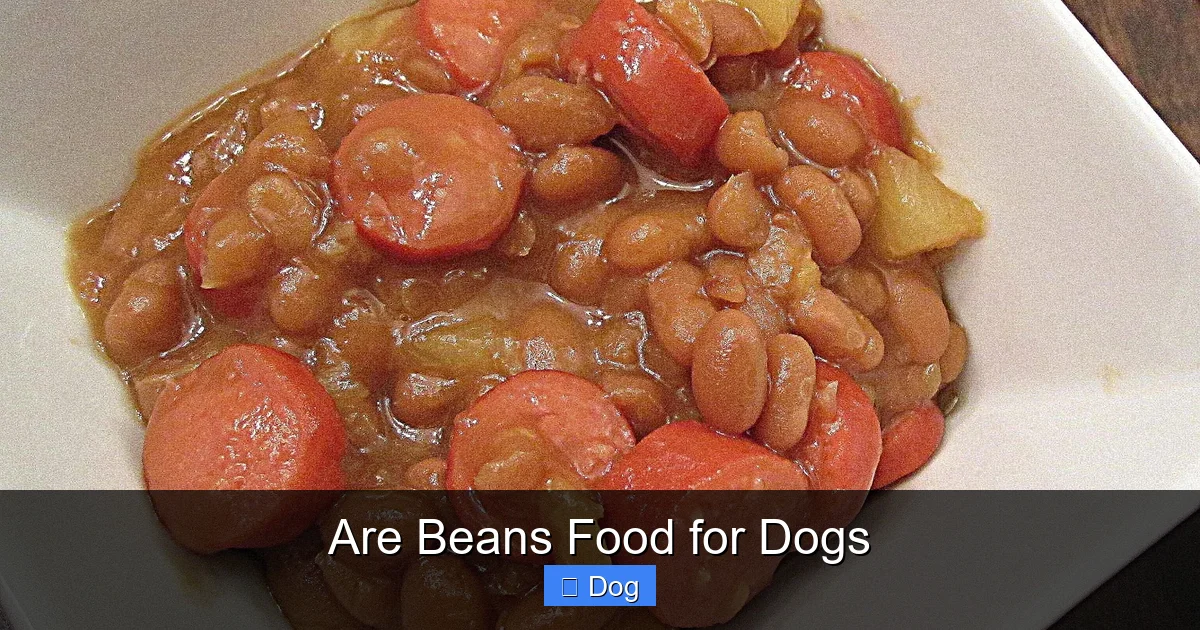
Beans can be a healthy addition to your dog’s diet when prepared properly and served in moderation. While many common beans offer protein, fiber, and essential nutrients, some types are toxic and must be avoided. Always cook beans thoroughly and avoid seasonings to keep your pup safe.
Key Takeaways
- Some beans are safe for dogs: Green beans, black beans, and kidney beans (cooked) can provide fiber, protein, and vitamins when served plain and in small amounts.
- Raw or undercooked beans are dangerous: Raw kidney beans contain lectins that are toxic to dogs and can cause vomiting, diarrhea, and abdominal pain.
- Avoid canned beans with additives: Many canned beans contain salt, sugar, or preservatives that are harmful to dogs. Always rinse or choose low-sodium, no-additive options.
- Seasonings and spices are a no-go: Onions, garlic, salt, and other common seasonings can be toxic or irritate your dog’s digestive system.
- Introduce beans slowly: Start with a small amount to monitor for digestive upset or allergies before making beans a regular part of your dog’s diet.
- Not all beans are created equal: While green beans are generally safe, avoid feeding dogs raw lima beans, baked beans (often sugary), or refried beans with lard and spices.
- Consult your vet first: Always talk to your veterinarian before adding new foods like beans, especially if your dog has health conditions like diabetes or kidney issues.
📑 Table of Contents
- Are Beans Food for Dogs? A Complete Guide to Feeding Beans Safely
- Why Consider Beans for Dogs?
- Which Beans Are Safe for Dogs?
- Beans to Avoid: The Dangerous Types
- How to Safely Prepare and Serve Beans to Dogs
- Potential Risks and Side Effects
- When to Avoid Beans Altogether
- Conclusion: Beans Can Be a Healthy Addition—When Done Right
Are Beans Food for Dogs? A Complete Guide to Feeding Beans Safely
If you’ve ever looked into your dog’s big, curious eyes while eating a bowl of chili or a side of green beans, you’ve probably wondered: “Can my dog eat this?” It’s a common question among pet parents who want to share healthy human foods with their furry companions. Beans, in particular, are a staple in many kitchens—packed with protein, fiber, and essential nutrients. But are beans food for dogs? The short answer is: yes, but with important caveats.
Dogs are omnivores, which means they can digest both animal and plant-based foods. While their primary nutrition should come from high-quality dog food, many vegetables and legumes can be healthy supplements. Beans, when prepared correctly, can offer benefits like improved digestion, sustained energy, and even weight management support. However, not all beans are safe, and improper preparation can lead to serious health risks. Understanding which beans are safe, how to prepare them, and how much to feed is key to keeping your dog happy and healthy.
In this guide, we’ll explore the world of beans and dogs—covering the types of beans that are safe, the nutritional benefits they offer, potential dangers to avoid, and practical tips for introducing beans into your dog’s diet. Whether you’re looking for low-calorie treats or ways to add fiber to your pup’s meals, this article will help you make informed decisions.
Why Consider Beans for Dogs?
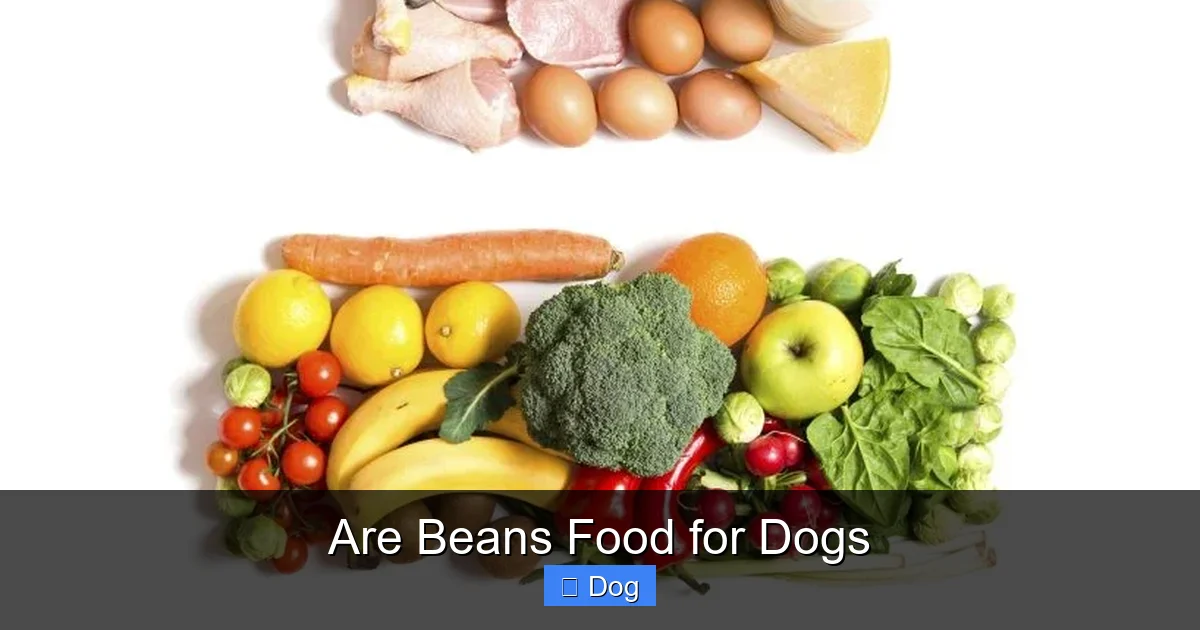
Visual guide about Are Beans Food for Dogs
Image source: randallbeans.com
You might be surprised to learn that beans aren’t just for humans. In fact, many veterinarians and pet nutritionists recognize that certain beans can be a valuable addition to a dog’s diet—especially when used as a supplement rather than a staple. But why would you even consider feeding beans to your dog in the first place?
One of the biggest reasons is fiber. Dogs, like humans, benefit from dietary fiber, which supports healthy digestion and can help regulate bowel movements. If your dog struggles with constipation or irregular stools, adding a small amount of cooked beans to their meal might help. Fiber also promotes a feeling of fullness, which can be useful for overweight dogs on a calorie-controlled diet.
Another benefit is plant-based protein. While dogs need animal protein as their primary source of amino acids, plant proteins from beans can complement their diet. Black beans, for example, are rich in protein and contain essential nutrients like iron, magnesium, and folate. These nutrients support muscle function, energy production, and overall cellular health.
Beans are also low in fat and calories compared to many commercial dog treats. A few plain green beans can be a great low-calorie snack for dogs who love to chew or need to lose a few pounds. Plus, they’re crunchy and satisfying, which many dogs enjoy.
But perhaps the most compelling reason to consider beans is their versatility. You can mash them, mix them into meals, or even freeze them into homemade dog treats. They’re easy to store, widely available, and budget-friendly—making them a practical choice for pet owners looking to add variety to their dog’s diet.
Nutritional Benefits of Safe Beans
Let’s take a closer look at the nutritional profile of some dog-safe beans. Green beans, for instance, are low in calories but high in vitamins A, C, and K, as well as fiber and manganese. These nutrients support vision, immune function, and bone health. Green beans are also rich in antioxidants, which help combat oxidative stress and may reduce inflammation.
Black beans are another excellent option. They’re packed with protein—about 7.5 grams per half-cup—and contain significant amounts of fiber, folate, and potassium. The fiber in black beans helps regulate blood sugar levels, which is especially beneficial for diabetic dogs. The potassium supports heart and muscle function, while folate aids in cell repair and growth.
Kidney beans, when cooked thoroughly, offer similar benefits. They’re high in protein and fiber, and they contain iron, which helps prevent anemia. Iron is crucial for oxygen transport in the blood, and a deficiency can lead to fatigue and weakness in dogs.
Even pinto beans can be a healthy choice in moderation. They’re rich in complex carbohydrates, which provide sustained energy, and they contain essential minerals like magnesium and phosphorus. These support nerve function, bone health, and metabolism.
It’s important to note that while beans offer these benefits, they should never replace a balanced dog food diet. Dogs have specific nutritional needs that are best met through high-quality commercial or vet-approved homemade meals. Beans should only be used as occasional supplements or treats.
Which Beans Are Safe for Dogs?
Not all beans are created equal when it comes to canine consumption. Some are perfectly safe and nutritious, while others can be dangerous or even toxic. Knowing the difference is essential for your dog’s health.
Green Beans: A Top Choice
Green beans are one of the safest and most recommended beans for dogs. Whether they’re fresh, frozen, or canned (without added salt), green beans are low in calories and high in fiber. They’re easy to digest and can be served whole, chopped, or mashed. Many dog owners use green beans as a healthy alternative to high-calorie treats, especially for dogs on a diet.
You can feed your dog green beans raw or cooked, but avoid adding butter, salt, or seasonings. Plain is always best. If using canned green beans, rinse them thoroughly to remove excess sodium.
Black Beans: Protein-Packed and Nutritious
Black beans are another excellent option. They’re rich in protein, fiber, and antioxidants, making them a great addition to your dog’s meal. Like green beans, they should be cooked thoroughly and served plain. Avoid black beans from cans with added sugar, salt, or spices.
You can mash black beans and mix them into your dog’s food, or offer them as a soft treat. Just remember to introduce them slowly to avoid digestive upset.
Kidney Beans: Only When Cooked
Kidney beans are safe for dogs—but only when fully cooked. Raw or undercooked kidney beans contain a toxin called phytohemagglutinin, which can cause severe gastrointestinal distress in dogs. Symptoms include vomiting, diarrhea, and abdominal pain.
To safely feed kidney beans, always cook them thoroughly. Avoid using canned kidney beans unless they’re labeled as low-sodium and free of additives. If you’re cooking dried kidney beans, soak them overnight and boil them for at least 10 minutes to destroy the toxins.
Pinto Beans: A Moderate Option
Pinto beans are similar to kidney beans in nutritional content and preparation. They’re safe for dogs when cooked and served plain. Like other beans, they should be introduced gradually and in small amounts.
Avoid feeding your dog pinto beans from chili or refried beans, as these often contain onions, garlic, and other harmful ingredients.
Other Safe Beans (in Moderation)
Other beans that can be safe for dogs include:
– Lima beans (cooked only—raw lima beans contain linamarin, which can be toxic)
– Navy beans (cooked and plain)
– Chickpeas (cooked, not from hummus, which contains garlic and oil)
Always ensure these beans are fully cooked and free of seasonings before offering them to your dog.
Beans to Avoid: The Dangerous Types
While many beans are safe, some should never be fed to dogs—even in small amounts. These beans can cause serious health problems, including toxicity, digestive issues, or choking hazards.
Raw Kidney Beans: Highly Toxic
As mentioned earlier, raw kidney beans are extremely dangerous for dogs. The toxin phytohemagglutinin is not destroyed by soaking alone—it requires boiling at high temperatures. Even a few raw kidney beans can cause severe vomiting and diarrhea. If you suspect your dog has eaten raw kidney beans, contact your veterinarian immediately.
Baked Beans: Often Loaded with Sugar and Spices
Baked beans may seem harmless, but they’re typically high in sugar, salt, and artificial ingredients. Many commercial baked bean recipes include molasses, brown sugar, and bacon, all of which are unhealthy for dogs. The high sugar content can lead to weight gain, dental issues, and even diabetes. The salt can cause sodium ion poisoning, especially in small dogs.
Avoid feeding baked beans to your dog, even as a rare treat.
Refried Beans: Lard and Spices Are a No-Go
Refried beans are usually made with lard (pork fat), onions, and garlic—all of which are harmful to dogs. Onions and garlic contain compounds that can damage red blood cells, leading to anemia. Lard is high in fat and can cause pancreatitis, a painful and potentially life-threatening condition.
Even if a brand claims to be “vegetarian” or “low-fat,” refried beans often still contain harmful seasonings. It’s best to avoid them entirely.
Canned Beans with Additives
Many canned beans contain high levels of sodium, preservatives, or artificial flavors. While a quick rinse can reduce sodium, it’s still safer to choose low-sodium or no-salt-added varieties. Always read the label carefully.
Raw Lima Beans
Raw lima beans contain linamarin, a compound that can release cyanide when digested. While cooking destroys this toxin, it’s not worth the risk. Only feed cooked lima beans, and even then, in very small amounts.
How to Safely Prepare and Serve Beans to Dogs
Feeding beans to your dog isn’t as simple as tossing a few into their bowl. Proper preparation is key to ensuring safety and digestibility.
Cook Beans Thoroughly
Never feed raw beans to your dog. Cooking destroys natural toxins and makes beans easier to digest. Boil dried beans according to package instructions, or use canned beans that are already cooked—just rinse them well to remove excess sodium.
Serve Plain—No Seasonings
Avoid adding salt, pepper, garlic, onions, butter, or oil. These ingredients can irritate your dog’s stomach or cause toxicity. Plain, unseasoned beans are the safest option.
Introduce Slowly
Start with a small amount—about a teaspoon for small dogs or a tablespoon for larger breeds. Watch for signs of digestive upset, such as gas, bloating, or diarrhea. If your dog tolerates the beans well, you can gradually increase the amount.
Mix with Food or Use as Treats
You can mix cooked beans into your dog’s regular meals or offer them as low-calorie treats. For a fun twist, try freezing mashed beans in ice cube trays for a refreshing summer snack.
Portion Control Is Key
Beans should never make up more than 10% of your dog’s daily caloric intake. Overfeeding can lead to digestive issues or nutrient imbalances. Stick to small portions and use beans as a supplement, not a meal replacement.
Potential Risks and Side Effects
While beans can be healthy, they’re not without risks. Understanding these potential side effects can help you make safer choices.
Digestive Upset
Beans are high in fiber, which can cause gas, bloating, or diarrhea if introduced too quickly. Always start with a small amount and monitor your dog’s reaction.
Choking Hazard
Whole beans, especially large ones like kidney beans, can pose a choking risk for small dogs. Chop or mash them before serving.
Allergic Reactions
Though rare, some dogs may be allergic to certain beans. Signs include itching, swelling, or gastrointestinal distress. If you notice any unusual symptoms, stop feeding beans and consult your vet.
Kidney and Bladder Stones
Beans contain oxalates, which in large amounts may contribute to the formation of kidney or bladder stones in susceptible dogs. Dogs with a history of urinary issues should avoid high-oxalate foods, including some beans.
Pancreatitis Risk
While beans are low in fat, combining them with fatty foods (like bacon or lard) can increase the risk of pancreatitis. Always serve beans plain and avoid high-fat combinations.
When to Avoid Beans Altogether
There are certain situations where beans may not be suitable for your dog.
Dogs with Diabetes
While beans have a low glycemic index and can help regulate blood sugar, they still contain carbohydrates. Diabetic dogs should only eat beans under veterinary supervision to avoid blood sugar spikes.
Dogs with Kidney Disease
Beans are high in phosphorus and protein, which can be hard on dogs with kidney disease. These dogs often require a low-phosphorus, low-protein diet, so beans may not be appropriate.
Puppies and Senior Dogs
Puppies have sensitive digestive systems and need nutrient-dense food for growth. Senior dogs may have reduced kidney or digestive function. In both cases, beans should be introduced with caution and only after consulting a vet.
Dogs with Food Allergies or Sensitivities
If your dog has known food allergies, especially to legumes, avoid beans altogether. Even safe beans can trigger reactions in sensitive dogs.
Conclusion: Beans Can Be a Healthy Addition—When Done Right
So, are beans food for dogs? The answer is a cautious yes. When prepared correctly and served in moderation, certain beans can offer valuable nutrients and health benefits. Green beans, black beans, and properly cooked kidney beans are excellent choices for most dogs, providing fiber, protein, and essential vitamins.
However, it’s crucial to avoid raw beans, seasoned beans, and high-sodium canned varieties. Always introduce new foods slowly and watch for any signs of digestive upset. And most importantly, consult your veterinarian before making any significant changes to your dog’s diet—especially if your dog has underlying health conditions.
Feeding your dog isn’t just about filling their bowl—it’s about nourishing their body and supporting their long-term health. Beans, when used wisely, can be a tasty and nutritious part of that journey. Just remember: plain, cooked, and in small amounts is the golden rule. With a little care and knowledge, you can safely share the benefits of beans with your four-legged friend.
Frequently Asked Questions
Can dogs eat canned green beans?
Yes, dogs can eat canned green beans as long as they are low-sodium and free of added seasonings. Always rinse them thoroughly before serving to remove excess salt.
Are raw kidney beans safe for dogs?
No, raw kidney beans are toxic to dogs due to a compound called phytohemagglutinin. They must be cooked thoroughly to destroy the toxin before feeding.
Can I feed my dog baked beans?
It’s best to avoid baked beans. They often contain high levels of sugar, salt, and harmful ingredients like onions and garlic, which can be dangerous for dogs.
How many beans can I give my dog?
Beans should not exceed 10% of your dog’s daily caloric intake. Start with a small amount—like a teaspoon for small dogs or a tablespoon for larger breeds—and adjust based on tolerance.
Can puppies eat beans?
Puppies can eat beans in very small amounts, but it’s best to consult your vet first. Their digestive systems are sensitive, and beans should not replace nutrient-rich puppy food.
What should I do if my dog eats raw beans?
If your dog eats raw kidney beans or other toxic beans, contact your veterinarian immediately. Symptoms like vomiting, diarrhea, or lethargy require prompt medical attention.