
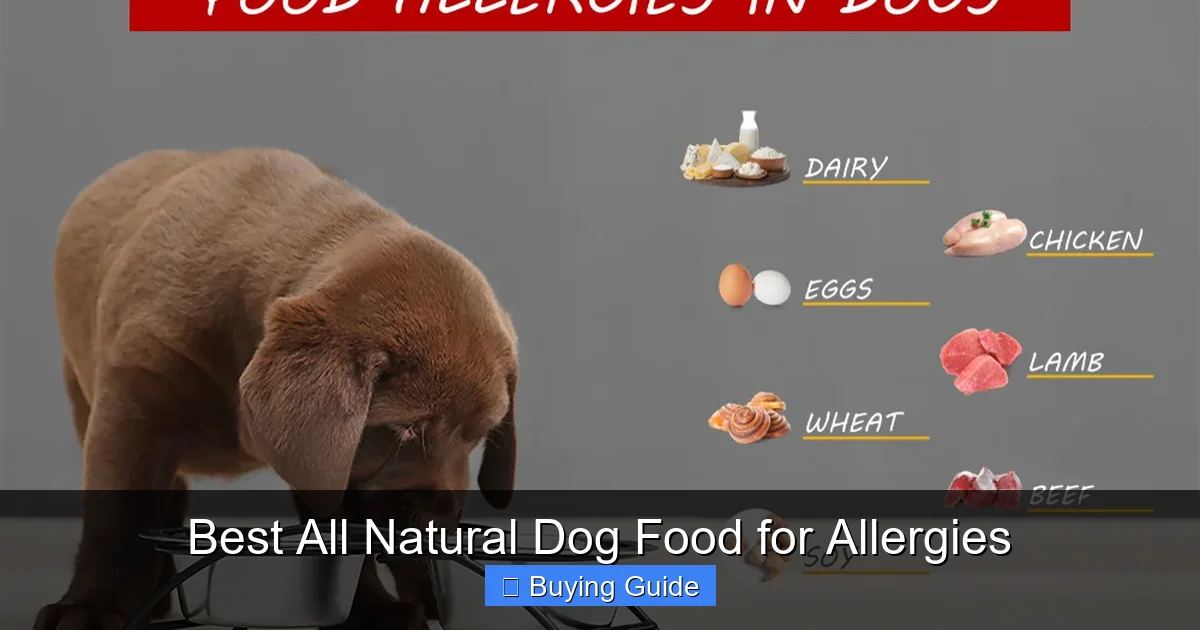
Finding the right all natural dog food for allergies can transform your dog’s health, reducing itching, digestive issues, and ear infections. In 2026, top brands focus on limited ingredients, novel proteins, and clean sourcing to support sensitive pups—without fillers or artificial additives.
Key Takeaways
- Identify allergy triggers first: Common culprits include beef, chicken, wheat, soy, and dairy—switching to novel proteins like duck or kangaroo can help.
- Look for limited ingredient formulas: Fewer ingredients mean fewer chances for allergic reactions, making it easier to pinpoint sensitivities.
- Choose whole food, minimally processed options: Cold-pressed or gently cooked foods retain nutrients and are easier on sensitive stomachs.
- Grain-free isn’t always necessary: Unless your dog has a confirmed grain allergy, some grains like oats or quinoa can be healthy and non-irritating.
- Omega-3 fatty acids support skin health: Look for foods with added fish oil or flaxseed to reduce inflammation and improve coat quality.
- Always consult your vet before switching: A proper diagnosis ensures you’re treating the root cause, not just symptoms.
- Rotate proteins occasionally: This prevents new allergies from developing and supports long-term digestive balance.
📑 Table of Contents
- Why All Natural Dog Food Matters for Dogs with Allergies
- Understanding Dog Food Allergies vs. Intolerances
- What to Look for in the Best All Natural Dog Food for Allergies
- Top 5 All Natural Dog Foods for Allergies in 2026
- How to Transition Your Dog to a New All Natural Diet
- Homemade vs. Commercial All Natural Dog Food
- Final Thoughts: Choosing What’s Best for Your Dog
Why All Natural Dog Food Matters for Dogs with Allergies
If your dog is constantly scratching, licking their paws, or dealing with upset stomachs, you’re not alone. In 2026, more pet parents than ever are discovering that food allergies or intolerances could be the hidden culprit behind their dog’s discomfort. Unlike seasonal allergies triggered by pollen or dust, food allergies develop over time and often stem from repeated exposure to common ingredients like chicken, beef, or wheat. The good news? Switching to the best all natural dog food for allergies can make a world of difference.
All natural dog food is crafted without artificial preservatives, colors, or flavors—ingredients that can irritate sensitive systems. These diets prioritize real, recognizable ingredients: whole meats, vegetables, and healthy fats. For dogs with allergies, this simplicity is key. When you eliminate fillers and by-products, you reduce the risk of triggering an immune response. Plus, natural ingredients are typically more bioavailable, meaning your dog’s body can absorb and use the nutrients more efficiently.
But not all “natural” labels are created equal. In 2026, the pet food industry has become more transparent, but it’s still important to read labels carefully. Look for brands that disclose sourcing practices, avoid vague terms like “meat meal,” and prioritize human-grade ingredients. The best all natural dog food for allergies doesn’t just avoid allergens—it actively supports your dog’s immune system, skin health, and digestion.
Understanding Dog Food Allergies vs. Intolerances
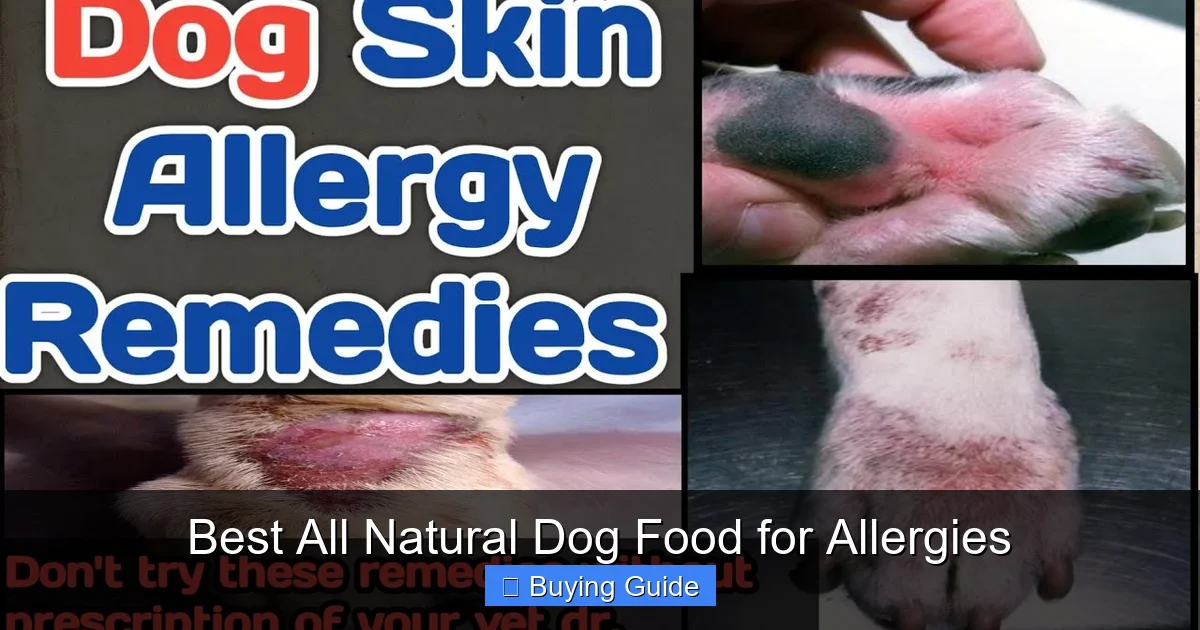
Visual guide about Best All Natural Dog Food for Allergies
Image source: i.ytimg.com
Before you start shopping, it’s important to understand the difference between a food allergy and a food intolerance. While the symptoms can look similar, the underlying causes are not the same—and that affects how you treat them.
A food allergy is an immune system response. When your dog eats something they’re allergic to, their body mistakes it for a harmful invader and launches an attack. This can lead to itchy skin, ear infections, hot spots, and even respiratory issues. Common allergens include proteins like chicken, beef, and eggs, as well as grains like wheat and corn.
On the other hand, a food intolerance is a digestive issue. Your dog’s system simply can’t break down certain ingredients properly, leading to gas, diarrhea, or vomiting. Lactose intolerance is a classic example—many dogs lose the ability to digest milk as they age. Unlike allergies, intolerances don’t involve the immune system, so they’re usually less severe but can still be uncomfortable.
The tricky part? Symptoms often overlap. A dog with a chicken allergy might have itchy paws and ear infections, while a dog with a chicken intolerance might just have loose stools. That’s why a proper diagnosis is crucial. Your vet may recommend an elimination diet—removing common allergens for 8–12 weeks, then reintroducing them one by one to see what causes a reaction.
Common Signs Your Dog Might Have a Food Allergy
– Chronic itching, especially around the face, paws, or ears
– Recurrent ear infections
– Red, inflamed skin or hot spots
– Excessive licking or chewing of paws
– Gastrointestinal issues like vomiting or diarrhea
– Flatulence or gurgling stomach sounds
– Poor coat quality or hair loss
If you notice any of these signs, don’t assume it’s just “normal” dog behavior. Keep a symptom journal and share it with your vet. Early intervention can prevent long-term discomfort and even secondary infections.
What to Look for in the Best All Natural Dog Food for Allergies
Not all dog foods labeled “natural” are suitable for dogs with allergies. In 2026, the best options go beyond basic claims and focus on ingredient quality, sourcing, and formulation. Here’s what to prioritize when choosing the best all natural dog food for allergies.
1. Limited Ingredient Diets (LIDs)
One of the most effective strategies for managing food allergies is feeding a limited ingredient diet. These formulas contain a single protein source and a minimal number of carbohydrates and fats. By reducing the number of ingredients, you minimize the chances of triggering an allergic reaction.
For example, a LID might feature duck and sweet potato—both novel ingredients for many dogs. Duck is a less common protein, so it’s less likely to have caused a previous immune response. Sweet potatoes are easily digestible and provide fiber without the risk of gluten.
Look for brands that clearly list every ingredient and avoid vague terms like “meat by-products” or “animal digest.” Transparency is a hallmark of high-quality natural dog food.
2. Novel Proteins
Novel proteins are ingredients your dog has never eaten before. Since allergies develop from repeated exposure, switching to a new protein can break the cycle. In 2026, popular novel proteins include:
– Kangaroo: Lean, rich in iron, and rarely used in commercial dog food
– Rabbit: Highly digestible and gentle on sensitive stomachs
– Venison: A red meat alternative that’s less allergenic than beef
– Salmon or whitefish: Great for dogs who tolerate fish but not poultry
Some brands even offer insect-based proteins like black soldier fly larvae, which are sustainable, hypoallergenic, and packed with nutrients.
3. Grain-Free vs. Grain-Inclusive
There’s a lot of confusion around grains and allergies. The truth? Most dogs aren’t allergic to grains at all. True grain allergies are rare—most reactions are to proteins like chicken or beef.
That said, some dogs do have sensitivities to wheat, corn, or soy. If your dog reacts to these, a grain-free formula might help. But don’t assume grain-free is automatically better. In fact, some grain-free diets have been linked to heart issues in dogs due to high legume content (like peas and lentils).
Instead, consider grain-inclusive options with easily digestible grains like oats, quinoa, or brown rice. These provide fiber, B vitamins, and energy without the inflammatory risk. Always check with your vet before making the switch.
4. No Artificial Additives
Artificial preservatives like BHA, BHT, and ethoxyquin can trigger allergic reactions or worsen existing symptoms. Similarly, synthetic colors and flavors offer no nutritional benefit and may irritate sensitive systems.
The best all natural dog food for allergies uses natural preservatives like mixed tocopherols (vitamin E) or rosemary extract. These keep food fresh without the health risks.
5. Added Omega-3 Fatty Acids
Omega-3s, especially EPA and DHA from fish oil, are powerful anti-inflammatories. They help soothe itchy skin, reduce redness, and improve coat shine. Look for foods that include salmon oil, anchovy oil, or flaxseed.
In 2026, some premium brands are also adding algae oil—a plant-based source of DHA that’s great for dogs with fish allergies.
Top 5 All Natural Dog Foods for Allergies in 2026
After extensive research and vet consultations, here are five standout options for dogs with food sensitivities. Each brand prioritizes clean ingredients, novel proteins, and digestive support.
1. Open Farm Homestead Turkey & Chicken Recipe (Grain-Inclusive)
While turkey and chicken might sound risky for allergic dogs, Open Farm uses humanely raised, antibiotic-free poultry and pairs it with easily digestible oats and pumpkin. This formula is ideal for dogs with mild sensitivities or those transitioning from a standard diet.
What sets it apart? Open Farm is one of the few brands with full ingredient traceability—you can scan a code on the bag to see where every ingredient came from. It’s also free from artificial preservatives and includes prebiotic fiber for gut health.
2. The Honest Kitchen Human Grade Dehydrated Dog Food – Turkey & Barley
This dehydrated food is made with 100% human-grade ingredients and gently prepared to retain nutrients. The turkey and barley recipe is gentle on digestion and includes anti-inflammatory turmeric and coconut oil.
Simply add water to rehydrate—no cooking required. It’s perfect for picky eaters or dogs with sensitive stomachs. Plus, the minimal processing reduces the risk of allergen cross-contamination.
3. Zignature Kangaroo Formula Grain-Free Dry Dog Food
Zignature is a favorite among vets for dogs with severe allergies. Their kangaroo formula uses a single novel protein and avoids common allergens like chicken, beef, and grains.
Kangaroo is rich in protein and low in fat, making it ideal for active dogs. The recipe also includes peas and chickpeas for fiber, but in moderation to support heart health.
4. Wellness Simple Limited Ingredient Diet – Salmon & Potato
Wellness Simple focuses on one protein and one carbohydrate, making it easy to identify triggers. The salmon and potato recipe is rich in omega-3s and includes probiotics for digestive balance.
It’s also free from dairy, eggs, and soy—common allergens that many dogs react to. The kibble is small and easy to chew, great for senior dogs or those with dental issues.
5. Jiminy’s Cricket Protein Dog Food – Original Recipe
In 2026, insect-based dog food is gaining traction—and for good reason. Jiminy’s uses cricket protein, which is hypoallergenic, sustainable, and packed with iron and B12.
The recipe includes oats, pumpkin, and flaxseed for a balanced, grain-inclusive diet. It’s also free from common allergens and has a low environmental footprint. Perfect for eco-conscious pet parents.
How to Transition Your Dog to a New All Natural Diet
Switching your dog’s food too quickly can cause digestive upset—even if the new food is better for them. A gradual transition over 7–10 days helps their system adjust and reduces the risk of vomiting or diarrhea.
Step-by-Step Transition Plan
- Days 1–2: Mix 25% new food with 75% old food
- Days 3–4: Use 50% new and 50% old
- Days 5–6: Increase to 75% new and 25% old
- Day 7+: Feed 100% new food
Watch your dog closely during this time. If they show signs of discomfort—like loose stools or excessive gas—slow down the transition. Some dogs need up to two weeks to adapt.
Tips for Success
– Stick to one new food at a time: Don’t introduce treats or supplements during the transition.
– Monitor symptoms: Keep a journal of itching, energy levels, and stool quality.
– Be patient: It can take 4–6 weeks to see full improvement in allergy symptoms.
– Hydrate: Ensure your dog drinks plenty of water, especially with dry kibble.
If your dog has a severe allergy, your vet may recommend a hydrolyzed protein diet—where proteins are broken down so small the immune system doesn’t recognize them. These are prescription-only and highly effective for extreme cases.
Homemade vs. Commercial All Natural Dog Food
Some pet parents consider homemade meals to have full control over ingredients. While this can work, it’s not without risks.
Pros of Homemade Dog Food
– Complete ingredient control
– Fresh, unprocessed ingredients
– Customizable for specific allergies
Cons of Homemade Dog Food
– Risk of nutritional imbalances (e.g., calcium deficiency)
– Time-consuming to prepare and store
– Requires vet or canine nutritionist guidance
If you choose homemade, work with a professional to ensure the recipe meets AAFCO standards. In 2026, services like Balance IT or Pet Nutrition Alliance offer customized meal plans based on your dog’s age, weight, and health needs.
For most pet parents, high-quality commercial all natural dog food offers the best balance of safety, convenience, and nutrition.
Final Thoughts: Choosing What’s Best for Your Dog
Every dog is unique, and what works for one may not work for another. The best all natural dog food for allergies is the one that resolves your dog’s symptoms while supporting their overall health. In 2026, the market offers more options than ever—from novel proteins to sustainable insect-based formulas.
Start by identifying potential triggers with your vet, then choose a limited ingredient, minimally processed food with high-quality proteins and healthy fats. Monitor your dog’s response closely, and don’t hesitate to switch if needed.
Remember, food allergies don’t have to mean a lifetime of discomfort. With the right diet, your dog can enjoy a happy, itch-free life—full of tail wags, belly rubs, and long walks in the park.
Frequently Asked Questions
What is the most common food allergen in dogs?
The most common food allergens in dogs are proteins—especially beef, chicken, and dairy. Grains like wheat and corn are also frequent culprits, though true grain allergies are less common than protein sensitivities.
Can dogs outgrow food allergies?
Unlike humans, dogs rarely outgrow food allergies. Once a dog develops an allergy to an ingredient, they usually remain sensitive to it for life. However, proper diet management can keep symptoms under control.
Is grain-free dog food better for allergies?
Not necessarily. Grain-free diets are only beneficial if your dog has a confirmed grain allergy. Many dogs do fine with healthy grains like oats or quinoa, which provide fiber and nutrients without triggering reactions.
How long does it take to see improvement after switching dog food?
Most dogs show improvement within 4–6 weeks of starting a new diet. Skin issues may take longer to resolve, while digestive symptoms often improve within days.
Can I feed my allergic dog raw food?
Raw diets can be risky due to bacterial contamination and nutritional imbalances. If you choose raw, consult a vet or canine nutritionist to ensure it’s safe and complete. Many prefer gently cooked or dehydrated options for better safety.
Are there natural supplements that help with dog allergies?
Yes. Omega-3 fatty acids (from fish oil), probiotics, and supplements like quercetin or colostrum can support immune function and reduce inflammation. Always talk to your vet before adding supplements.