

Finding the right baby food for dogs with sensitive stomachs can be a game-changer for their digestion and overall health. In this guide, we’ll explore vet-recommended options, key ingredients to look for, and how to safely introduce baby food into your dog’s diet—ensuring comfort, nutrition, and peace of mind in 2026.
Key Takeaways
- Choose plain, additive-free baby food: Opt for single-ingredient or simple blends without onion, garlic, salt, sugar, or artificial preservatives.
- Chicken and rice is a top pick: This classic combo is gentle on the stomach and easily digestible for most dogs.
- Introduce slowly and monitor reactions: Start with small amounts and watch for signs of improvement or adverse effects.
- Consult your vet first: Always check with a veterinarian before making dietary changes, especially for dogs with chronic conditions.
- Use as a supplement, not a meal replacement: Baby food should support, not replace, a balanced dog food diet.
- Look for organic and non-GMO labels: These options reduce exposure to pesticides and fillers that may irritate sensitive systems.
- Store-bought vs. homemade matters: While convenient, commercial baby food may contain hidden ingredients—homemade versions offer full control.
📑 Table of Contents
- Why Baby Food Can Help Dogs with Sensitive Stomachs
- What to Look for in Baby Food for Sensitive Dogs
- Top Baby Food Flavors for Dogs with Sensitive Stomachs
- How to Safely Introduce Baby Food to Your Dog’s Diet
- Homemade vs. Store-Bought Baby Food: Which Is Better?
- Top Vet-Recommended Baby Food Brands for Dogs in 2026
- When to Use Baby Food and When to Avoid It
- Final Thoughts: Making the Best Choice for Your Dog
Why Baby Food Can Help Dogs with Sensitive Stomachs
If your dog has been dealing with upset tummies, diarrhea, vomiting, or gas, you’re not alone. Digestive issues are one of the most common reasons pet parents visit the vet. In 2026, more dog owners are turning to baby food as a gentle, temporary solution to soothe their pup’s sensitive digestive system. But why does it work?
Baby food is designed for human infants—tiny humans with delicate stomachs. That means it’s typically made with simple, pure ingredients, minimal processing, and no harsh additives. For dogs with sensitive stomachs, this simplicity is a major advantage. Unlike some commercial dog foods packed with fillers, artificial flavors, and hard-to-digest proteins, baby food offers a bland, easily absorbed alternative.
Think of it like this: when you’re sick and can’t keep down solid food, you might eat plain toast or broth. Baby food acts the same way for dogs—it’s a soft, palatable bridge during digestive distress. It’s especially helpful during transitions between dog foods, after antibiotic use, or when recovering from illness.
But not all baby food is created equal. While it can be a lifesaver, choosing the wrong kind—say, one with onion powder or high sugar content—can actually make things worse. That’s why knowing what to look for is crucial. In this guide, we’ll walk you through everything you need to know to pick the best baby food for your sensitive dog, from ingredient labels to feeding tips and vet-approved brands.
What to Look for in Baby Food for Sensitive Dogs
When shopping for baby food for your dog, it’s easy to get overwhelmed by the options. But the key is simplicity. The fewer ingredients, the better—especially for dogs with sensitive stomachs. Here’s what to focus on:
1. Single-Ingredient or Simple Blends
Look for baby food with one or two main ingredients. For example, “chicken” or “sweet potato” on the label is ideal. Avoid anything with long lists of additives. A good rule of thumb: if you can’t pronounce it, don’t feed it to your dog.
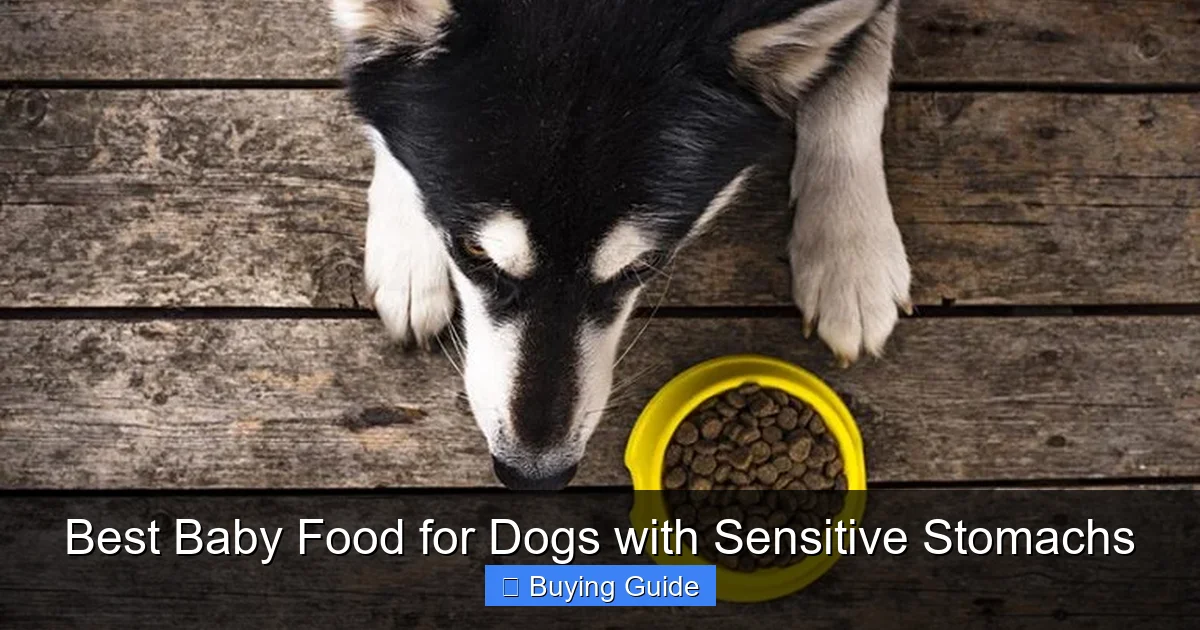
Visual guide about Best Baby Food for Dogs with Sensitive Stomachs
Image source: goodledog.com
2. No Harmful Additives
Onion, garlic, chives, salt, sugar, and artificial preservatives like BHA or BHT are toxic or irritating to dogs. Even small amounts of onion or garlic can cause anemia in dogs. Always double-check the label—sometimes these ingredients are hidden under names like “natural flavors” or “spice extracts.”
3. Low or No Sodium
High sodium can lead to dehydration and worsen digestive issues. Choose baby food labeled “low sodium” or “no salt added.” Most infant foods are naturally low in salt, but it’s still worth confirming.
4. No Dairy (Unless Specifically Tolerated)
Many dogs are lactose intolerant, and dairy can trigger gas, bloating, or diarrhea. Avoid baby food with milk, cheese, or yogurt unless your vet has confirmed your dog can handle it.
5. Organic and Non-GMO Options
In 2026, more parents are choosing organic baby food for their dogs to reduce exposure to pesticides, hormones, and genetically modified ingredients. Brands like Earth’s Best and Beech-Nut offer organic lines that are safe and gentle.
6. Texture Matters
Pureed or smooth textures are best for dogs with sensitive stomachs. Chunky or lumpy foods can be harder to digest. If your dog has dental issues or difficulty chewing, smooth baby food is especially helpful.
7. Age-Appropriate Stages
Use Stage 1 or Stage 2 baby food. Stage 1 is single-ingredient and thinnest, perfect for puppies or dogs with severe sensitivities. Stage 2 may include blends like chicken and rice, which are still gentle but offer more variety.
By sticking to these guidelines, you’ll drastically reduce the risk of upsetting your dog’s stomach further. Remember: the goal is to support healing, not complicate it.
Top Baby Food Flavors for Dogs with Sensitive Stomachs
Not all baby food flavors are safe or suitable for dogs. Some human foods are toxic, while others are simply too rich. Here are the best—and safest—flavors to consider:
Chicken (Plain, No Seasoning)
Plain chicken baby food is one of the most popular and effective options. It’s lean, high in protein, and easy to digest. Look for brands that use real chicken with no added salt, broth, or spices. Chicken is also a common ingredient in many dog foods, so most dogs tolerate it well.
Turkey
Like chicken, turkey is a lean, digestible protein. It’s a great alternative if your dog doesn’t respond well to chicken. Just make sure it’s pure turkey—no gravy, onions, or herbs.
Sweet Potato
Sweet potatoes are rich in fiber, vitamin A, and antioxidants. They’re naturally sweet and gentle on the stomach. Pureed sweet potato baby food can help firm up loose stools and provide sustained energy. Avoid any with added cinnamon or sugar.
Carrots
Carrots are low in calories and high in beta-carotene. Pureed carrot baby food is soothing and can aid digestion. It’s also a good source of vitamins for dogs recovering from illness.
Pumpkin (Plain, Not Pie Filling)
Pumpkin is a superstar for digestive health. It’s high in soluble fiber, which helps regulate bowel movements—whether your dog is constipated or has diarrhea. Make sure it’s 100% pure pumpkin, not pumpkin pie filling, which contains sugar and spices like nutmeg (toxic to dogs).
Green Beans
Green beans are low in fat and high in fiber. They’re great for dogs who need a light, hydrating snack. Choose plain, pureed green beans with no added salt or butter.
Rice (White or Brown)
Rice is a classic binder for upset stomachs. White rice is easier to digest than brown, but both can be helpful. Look for baby food labeled “rice cereal” or “rice with chicken.” Avoid instant rice mixes with added flavors.
Blends: Chicken & Rice, Turkey & Sweet Potato
These combinations are especially effective because they combine protein and carbohydrates in a balanced, easy-to-digest way. Chicken and rice is the gold standard for bland diets. Many vets recommend it for dogs with gastroenteritis or food sensitivities.
Avoid flavors like apple with cinnamon, peach with added sugar, or any fruit with pits (like cherry or apricot), as these can be harmful. Also steer clear of beef-based baby food unless recommended by your vet—beef can be harder to digest and is more likely to cause allergies.
How to Safely Introduce Baby Food to Your Dog’s Diet
Adding baby food to your dog’s diet isn’t as simple as opening a jar and spooning it in. To avoid digestive upset or nutritional imbalances, follow these steps:
Step 1: Consult Your Veterinarian
Before making any dietary changes, talk to your vet—especially if your dog has a chronic condition like IBD, pancreatitis, or food allergies. Your vet can confirm whether baby food is appropriate and recommend specific types or brands.
Step 2: Start Small
Begin with a teaspoon of baby food mixed into your dog’s regular food. This allows their system to adjust gradually. Watch for signs of improvement (softer stools, less gas) or adverse reactions (vomiting, diarrhea, lethargy).
Step 3: Monitor for Allergic Reactions
Even “safe” ingredients can trigger allergies. Symptoms include itching, ear infections, or digestive upset. If you notice any of these, stop the baby food and contact your vet.
Step 4: Use as a Topper or Supplement
Baby food should not replace your dog’s regular meals long-term. Instead, use it as a topper to encourage eating during illness, a mixer for medication, or a temporary bland diet for 2–3 days during digestive flare-ups.
Step 5: Transition Back to Regular Food Slowly
Once your dog’s stomach settles, gradually reduce the amount of baby food over several days while increasing their normal food. A sudden switch can cause another upset.
Step 6: Store Properly
Once opened, baby food should be refrigerated and used within 2–3 days. Don’t leave it out at room temperature for more than an hour. If you’re using homemade baby food, freeze portions in ice cube trays for easy serving.
Step 7: Avoid Overfeeding
Baby food is calorie-dense. A little goes a long way. Overfeeding can lead to weight gain or diarrhea. Stick to 1–2 tablespoons per 10 pounds of body weight per day, unless directed otherwise by your vet.
By following these steps, you’ll give your dog the best chance at a smooth transition and lasting digestive relief.
Homemade vs. Store-Bought Baby Food: Which Is Better?
In 2026, the debate between homemade and store-bought baby food continues—even for dogs. Both have pros and cons, and the best choice depends on your lifestyle, your dog’s needs, and your comfort level in the kitchen.
Store-Bought Baby Food: Convenience and Consistency
Commercial baby food is convenient, shelf-stable, and widely available. Brands like Gerber, Beech-Nut, and Earth’s Best offer single-ingredient options that are easy to find in most grocery stores. They’re also rigorously tested for safety and purity.
However, not all store-bought baby food is created equal. Some brands use fillers, thickeners, or “natural flavors” that may contain hidden ingredients. Always read labels carefully. Also, once opened, jars must be refrigerated and used quickly.
Homemade Baby Food: Control and Freshness
Making baby food at home gives you complete control over ingredients. You can choose organic, locally sourced produce and meats, and avoid any additives. It’s also cost-effective if you’re feeding multiple dogs or using it regularly.
To make homemade baby food, simply cook plain chicken, sweet potato, or carrots until soft, then puree with a little water or low-sodium broth until smooth. No salt, spices, or oils. Store in airtight containers in the fridge for up to 3 days or freeze for up to 3 months.
Which Is Better for Sensitive Dogs?
For dogs with severe sensitivities or allergies, homemade baby food is often the safer choice. You know exactly what’s in it. But for occasional use or busy pet parents, store-bought is a reliable backup—just choose trusted brands and read labels.
Many dog owners use a hybrid approach: homemade for daily support and store-bought for travel or emergencies. The key is consistency and safety, no matter which route you take.
Top Vet-Recommended Baby Food Brands for Dogs in 2026
With so many options on the market, it helps to know which brands veterinarians trust. Here are the top baby food brands recommended for dogs with sensitive stomachs in 2026:
1. Earth’s Best Organic
This brand offers a range of organic, non-GMO baby foods with simple ingredients. Their “Chicken & Brown Rice” and “Sweet Potato” purees are popular among pet parents. No added sugar, salt, or preservatives.
2. Beech-Nut Naturals
Beech-Nut uses real, recognizable ingredients and avoids artificial additives. Their “Just Chicken” and “Just Sweet Potato” jars are excellent for dogs. They also have a “No Sugar Added” line, which is ideal for sensitive pups.
3. Gerber Purees
A household name, Gerber offers affordable, widely available options. Look for their “Single Grain” rice cereal or “Chicken” puree. Avoid any with added fruits or spices.
4. Plum Organics
Known for their eco-friendly packaging and clean ingredients, Plum Organics offers blends like “Chicken, Apple & Quinoa” (check for apple safety) and “Sweet Potato & Chicken.” Always verify ingredients, as some blends include fruits.
5. Homemade (DIY)
While not a brand, homemade baby food is often the top recommendation from holistic vets. It’s customizable, fresh, and free from preservatives. Many pet parents use slow cookers to batch-cook chicken and veggies for easy pureeing.
Always check the ingredient list, even on trusted brands. Formulas can change, and new products may contain unexpected additives. When in doubt, stick to single-ingredient options.
When to Use Baby Food and When to Avoid It
Baby food can be a helpful tool, but it’s not a cure-all. Knowing when to use it—and when to avoid it—is essential for your dog’s health.
When to Use Baby Food:
- Your dog is recovering from vomiting or diarrhea
- They’re refusing to eat their regular food due to illness
- You’re transitioning between dog foods
- They need a bland diet after surgery or antibiotic treatment
- They have a mild food sensitivity and need a temporary reset
When to Avoid Baby Food:
- Your dog has diabetes (many baby foods contain natural sugars)
- They’re overweight and need a low-calorie diet
- They have a known allergy to an ingredient in the baby food
- They’re on a prescription diet for kidney or liver disease
- They’re showing signs of severe illness (e.g., blood in stool, persistent vomiting, lethargy)
If your dog’s symptoms last more than 48 hours or worsen, stop the baby food and contact your vet immediately. Baby food is a supportive measure, not a treatment for serious conditions.
Final Thoughts: Making the Best Choice for Your Dog
Choosing the best baby food for dogs with sensitive stomachs doesn’t have to be stressful. With the right knowledge, you can make informed decisions that support your dog’s digestive health and overall well-being. In 2026, more pet parents are embracing simple, natural solutions—and baby food fits perfectly into that trend.
Remember, the goal isn’t to replace your dog’s diet, but to support it during times of need. Whether you choose store-bought or homemade, always prioritize clean ingredients, vet guidance, and gradual introduction. Your dog’s comfort and health are worth the extra care.
And don’t forget: every dog is different. What works for one pup may not work for another. Pay attention to your dog’s reactions, keep a food diary if needed, and stay in touch with your veterinarian. With patience and the right approach, you’ll find the perfect solution for your sensitive stomach pup.
Frequently Asked Questions
Can I feed my dog baby food every day?
Baby food should not be a daily staple. It lacks the complete nutrition dogs need long-term. Use it as a temporary supplement during illness or transitions, not as a replacement for balanced dog food.
Is Gerber baby food safe for dogs?
Yes, but only certain varieties. Choose plain, single-ingredient options like “Just Chicken” or “Sweet Potato” with no added salt, sugar, or spices. Avoid any with onion, garlic, or artificial flavors.
Can puppies eat baby food?
Yes, puppies can eat baby food in small amounts. Stage 1 purees are ideal for young dogs with sensitive stomachs. Always consult your vet first, especially for puppies under 12 weeks.
How much baby food should I give my dog?
Start with 1 teaspoon per 10 pounds of body weight, once or twice a day. Adjust based on your dog’s response and your vet’s advice. Never exceed 2 tablespoons per 10 pounds daily.
Can baby food help with diarrhea in dogs?
Yes, bland baby food like plain chicken or pumpkin can help firm stools and soothe the digestive tract. Use it for 1–3 days, and consult your vet if symptoms persist.
Is homemade baby food better than store-bought for dogs?
Homemade gives you full control over ingredients and avoids preservatives, making it ideal for sensitive dogs. However, store-bought is convenient and safe if you choose trusted, simple brands.