
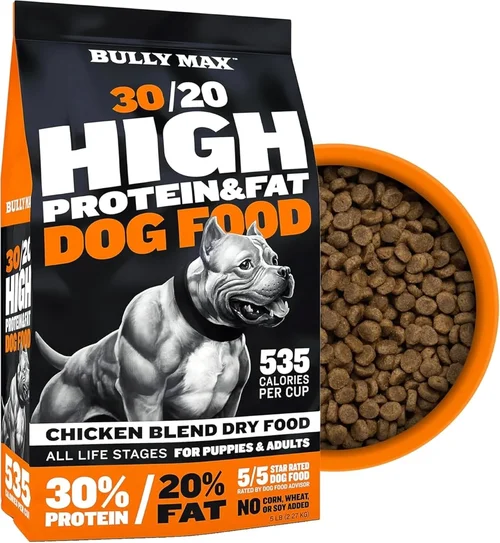
Pitbulls are more than just muscular, loyal companions—they’re high-energy athletes with unique nutritional needs that demand careful attention. Whether you’re raising an American Pit Bull Terrier, an American Staffordshire Terrier, or a Staffordshire Bull Terrier, choosing the right dog food isn’t just about filling their bowl. It’s about fueling their health, supporting their joint strength, maintaining a glossy coat, and ensuring long-term vitality. With countless brands flooding the market—each claiming to be “the best”—it’s easy for even experienced owners to feel overwhelmed.
This comprehensive guide is designed to cut through the noise and help you make an informed, confident decision when selecting dog food for your Pitbull in 2026. We’ll walk you through everything from protein requirements and ingredient quality to budget considerations and common pitfalls. You’ll learn how to decode labels, understand what truly matters in a kibble or wet food formula, and identify which brands consistently deliver results for strong, active breeds like Pitbulls. Whether you’re a first-time owner or a seasoned enthusiast, this guide equips you with expert-level knowledge to prioritize your dog’s well-being without overspending or falling for marketing gimmicks.
The dog food market has evolved dramatically over the past decade, with premium brands embracing science-backed formulations, transparency in sourcing, and breed-specific nutrition. Yet, misinformation still runs rampant—especially around high-protein diets, grain-free controversies, and the role of supplements. Our goal is to give you clarity, not confusion. By the end of this article, you’ll know exactly what to look for, what to avoid, and how to match your Pitbull’s lifestyle, age, and health status to the ideal food. Let’s dive into the essentials that separate truly great dog food from the rest.

What to Look for When Buying Buying Guide
1. High-Quality Animal Protein as the First Ingredient
Pitbulls are naturally muscular and energetic, requiring diets rich in animal-based protein to support lean muscle mass, repair tissues, and sustain their active metabolism. Look for named meats—like “chicken,” “beef,” or “salmon”—listed as the very first ingredient on the label. Avoid vague terms like “meat meal” or “animal by-product meal,” which can include low-quality or inconsistent sources. Ideally, the protein should come from whole, deboned meat or named meat meals (e.g., “chicken meal”), which are concentrated forms of muscle meat with moisture removed.
Aim for a minimum of 25–30% crude protein content for adult Pitbulls, and up to 32% for puppies or working dogs. However, higher isn’t always better—excess protein without adequate exercise can strain kidneys over time. The key is balance: pair high-quality protein with healthy fats and digestible carbohydrates. Brands like Orijen, Wellness CORE, and Taste of the Wild consistently prioritize real meat as the foundation of their formulas, making them top contenders for Pitbull owners.
2. Healthy Fats for Energy and Coat Health
Fats are a concentrated energy source for Pitbulls, who burn calories quickly due to their high metabolism and muscular build. Look for named fat sources such as chicken fat, salmon oil, or flaxseed oil—these provide essential fatty acids like omega-3 and omega-6, which support skin health, reduce inflammation, and give your dog a shiny, soft coat. Avoid generic “animal fat” or unspecified oils, as these may come from low-quality or rancid sources.
The ideal fat content for an adult Pitbull ranges from 12% to 18%. Puppies and highly active dogs may benefit from the higher end of that range. Omega-3 fatty acids, particularly EPA and DHA found in fish oils, are especially beneficial for joint health—a critical consideration for large, muscular breeds prone to hip dysplasia and arthritis. Brands like Blue Buffalo Life Protection Formula and Nutro Ultra include balanced fat profiles with added fish oil or flaxseed to support overall wellness.
3. Digestible Carbohydrates and Fiber
While Pitbulls don’t need as many carbs as some other breeds, they still benefit from moderate amounts of digestible carbohydrates for sustained energy. Look for whole grains like brown rice, oatmeal, or barley, or grain-free alternatives like sweet potatoes, peas, and lentils. These provide fiber, which supports healthy digestion and helps maintain stable blood sugar levels.
Avoid fillers like corn, soy, and wheat—these are often used as cheap bulking agents and can trigger allergies or digestive upset in sensitive dogs. Some Pitbulls may do well on grain-free diets, but recent FDA investigations have raised concerns about a potential link between certain grain-free formulas and dilated cardiomyopathy (DCM). If you choose grain-free, ensure the food includes taurine and L-carnitine, and consult your vet regularly. Brands like Merrick and Canidae offer balanced grain-inclusive and grain-free options with high digestibility.
4. Life Stage and Activity Level Appropriateness
Not all dog food is created equal—your Pitbull’s age, weight, and activity level should directly influence your choice. Puppies need higher protein and fat to support rapid growth, while seniors benefit from lower-calorie formulas with joint-supporting ingredients like glucosamine and chondroitin. Active or working Pitbulls (e.g., those in agility, protection sports, or frequent training) require calorie-dense food with extra protein and fat.
Always select a formula labeled for your dog’s life stage: “puppy,” “adult,” or “senior.” Some brands, like Royal Canin and Hill’s Science Diet, offer breed-specific lines tailored to large, muscular dogs. These often include targeted nutrients for joint health, muscle maintenance, and immune support. Avoid feeding adult food to puppies or vice versa—nutritional imbalances can lead to developmental issues or obesity.
5. Ingredient Transparency and Sourcing
In an industry rife with vague labeling and hidden additives, transparency is non-negotiable. Reputable brands clearly list all ingredients, including the source of proteins, fats, and supplements. They also disclose where ingredients are sourced and manufactured. Look for companies that avoid artificial preservatives (like BHA, BHT, or ethoxyquin), colors, and flavors. Instead, opt for natural preservatives such as mixed tocopherols (vitamin E) or rosemary extract.
Brands like The Honest Kitchen and Open Farm go a step further by offering traceable sourcing—some even provide QR codes on packaging that show the farm origin of key ingredients. This level of accountability builds trust and ensures you’re feeding your Pitbull food made with integrity. Avoid brands that use “mystery meats” or list ingredients in vague categories like “meat derivatives.”
6. Joint and Bone Support Ingredients
Pitbulls are prone to joint issues due to their size, weight, and high activity levels. Look for foods that include glucosamine, chondroitin, and MSM (methylsulfonylmethane)—natural compounds that support cartilage health and reduce inflammation. Some formulas also include green-lipped mussel, a rich source of omega-3s and glycosaminoglycans, which have been shown to improve mobility in dogs with arthritis.
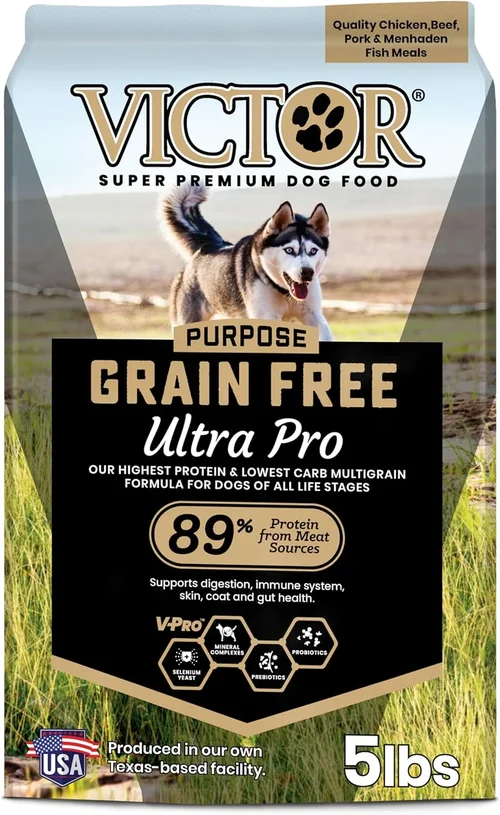
Additionally, calcium and phosphorus levels should be balanced to support strong bones without causing excessive growth in puppies. Avoid foods with excessive calcium, which can lead to skeletal abnormalities. Brands like Purina Pro Plan Sport and Victor Super Premium include joint-supportive ingredients in their performance lines, making them excellent choices for active Pitbulls.
7. Brand Reputation and Veterinary Endorsements
Not all dog food brands are created equal when it comes to research, testing, and quality control. Look for companies with a proven track record of nutritional science, AAFCO (Association of American Feed Control Officials) compliance, and third-party testing. Brands that employ board-certified veterinary nutritionists or partner with research institutions are more likely to produce safe, effective formulas.
Veterinary-recommended brands like Hill’s Science Diet, Royal Canin, and Purina Pro Plan have decades of clinical research backing their products. While they may not always be the most “natural” or “premium” in terms of ingredient sourcing, their consistency and safety record make them reliable choices—especially for dogs with health conditions. Always check for recalls or controversies; a brand with a history of safety issues should raise red flags.
8. Price vs. Value: Avoiding the Premium Trap
It’s easy to assume that the most expensive dog food is the best, but that’s not always true. While premium brands often use higher-quality ingredients, some mid-range options offer excellent value without compromising nutrition. The key is to evaluate cost per pound and cost per feeding—not just the sticker price.
For example, a $70 bag of kibble may seem expensive, but if it’s highly digestible and your dog eats less due to better nutrient absorption, it could actually be more economical than a $40 bag that leads to larger portions and digestive waste. Compare brands based on protein content, ingredient quality, and feeding guidelines. Brands like Iams, Nutro, and Diamond Naturals offer solid nutrition at accessible price points, making them great options for budget-conscious owners who still want quality.
Different Types of Buying Guide

Common Buying Mistakes to Avoid

❌ Mistake: Prioritizing “Grain-Free” Over Nutrition
Why it’s bad: The grain-free trend has led many owners to choose foods based on marketing rather than science. While some dogs benefit from grain-free diets, most Pitbulls do not require them. In fact, certain grain-free formulas have been linked to DCM due to legume-heavy formulations that may interfere with taurine absorption.
What to do instead: Focus on overall ingredient quality and AAFCO compliance. If your dog has a diagnosed grain allergy, work with your vet to find a safe, balanced grain-free option. Otherwise, whole grains like oats and brown rice can be healthy, digestible sources of energy.
❌ Mistake: Ignoring Feeding Guidelines and Overfeeding
Why it’s bad: Pitbulls are prone to obesity, which can exacerbate joint problems and shorten lifespan. Overfeeding—even high-quality food—leads to weight gain, lethargy, and increased strain on the heart and joints.
What to do instead: Follow the feeding guidelines on the bag based on your dog’s weight and activity level. Use a measuring cup, not a scoop, and adjust portions based on body condition. Regularly assess your dog’s weight and consult your vet if unsure.
❌ Mistake: Switching Foods Too Quickly
Why it’s bad: Sudden diet changes can cause digestive upset, including diarrhea, vomiting, and gas. Pitbulls with sensitive stomachs are especially vulnerable.
What to do instead: Transition gradually over 7–10 days. Start with 25% new food and 75% old, increasing the ratio every few days until fully switched. This allows the gut microbiome to adapt.
❌ Mistake: Falling for “Natural” or “Organic” Labels Without Verification
Why it’s bad: Terms like “natural” and “organic” are not strictly regulated in pet food. A product can be labeled “natural” even if it contains synthetic preservatives or low-quality ingredients.
What to do instead: Look for third-party certifications like USDA Organic or AAFCO statements. Read the full ingredient list and guaranteed analysis to verify quality.
❌ Mistake: Neglecting Hydration
Why it’s bad: Kibble contains only 10% moisture, which can lead to chronic low-grade dehydration—especially in active dogs. This increases the risk of urinary tract issues and kidney strain.
What to do instead: Always provide fresh water and consider adding wet food, bone broth, or water to kibble to boost hydration. Fresh or raw diets naturally have higher moisture content.
❌ Mistake: Not Considering Individual Health Needs
Why it’s bad: A food that works for one Pitbull may not suit another. Dogs with allergies, kidney issues, or food sensitivities need specialized formulas.
What to do instead: Work with your veterinarian to assess your dog’s health. Consider allergy testing or elimination diets if symptoms like itching, ear infections, or digestive issues persist.
Budget Guidelines: How Much Should You Spend?
– Entry-Level ($25–$45 per 30-lb bag): What to expect…
These brands, such as Iams, Purina ONE, and Pedigree, offer AAFCO-compliant nutrition at an affordable price. While they may use more by-products and fillers, many formulas provide adequate protein and essential nutrients for healthy adult Pitbulls. Best for owners on a tight budget or multi-dog households. Look for options with real meat as the first ingredient and avoid those with excessive corn or soy.
– Mid-Range ($45–$70 per 30-lb bag): Sweet spot for most buyers…
This tier includes brands like Nutro, Diamond Naturals, and Blue Buffalo Life Protection. They typically feature named meat proteins, healthy fats, and added supplements like glucosamine and probiotics. These foods strike a balance between quality and cost, making them ideal for the average Pitbull owner who wants reliable nutrition without breaking the bank.
– Premium ($70–$100 per 30-lb bag): For enthusiasts and professionals…
Brands like Orijen, Acana, Wellness CORE, and Taste of the Wild dominate this category. They use high percentages of fresh or raw meat, limited carbohydrates, and superfood ingredients like blueberries, kale, and coconut oil. These foods are ideal for active, performance-oriented Pitbulls or those with specific dietary needs. The higher price reflects superior sourcing and formulation.
– Luxury ($100+ per bag or subscription-based): Top-tier features…
This includes fresh, raw, or human-grade options like The Farmer’s Dog, Nom Nom, and Stella & Chewy’s. These diets are minimally processed, often customized to your dog’s profile, and delivered fresh to your door. While expensive, they offer maximum bioavailability and are excellent for dogs with severe allergies or digestive issues. Best for owners willing to invest in long-term health.
Expert Tips for Getting the Best Deal
– Buy in bulk during seasonal sales: Major retailers like Chewy, Petco, and Amazon often run discounts in January (post-holiday), July (summer sales), and November (Black Friday). Stock up on 3–6 months’ worth when prices drop.
– Subscribe and save: Most online pet stores offer 5–15% off for recurring deliveries. This also ensures you never run out and avoids last-minute trips to the store.
– Compare cost per feeding, not per bag: A cheaper bag may require larger portions, making it more expensive in the long run. Calculate based on your dog’s daily intake.
– Check for rebates and loyalty programs: Brands like Purina and Hill’s offer mail-in rebates or points-based rewards. Petco’s Pals program gives 5% back on every purchase.
– Read return policies: If your dog refuses the food or has a reaction, you’ll want a hassle-free return. Chewy and Petco typically allow returns within 30 days, even if the bag is opened.
– Test small bags first: Before committing to a 30-lb bag, buy a 4–6 lb trial size to see how your dog reacts. This prevents waste and ensures palatability.
– Ask your vet for samples: Many veterinary clinics receive samples from premium brands. These can be a great way to test high-end food at no cost.
– Watch for recalls: Follow the FDA’s pet food recall database and sign up for alerts. Even top brands can have issues, so staying informed protects your dog.

Frequently Asked Questions
Q: Can Pitbulls eat grain-free dog food?
A: Yes, but it’s not necessary for most. Grain-free diets can benefit dogs with diagnosed grain allergies, but recent studies suggest a potential link between certain grain-free formulas (especially those high in peas, lentils, or potatoes) and dilated cardiomyopathy (DCM). If you choose grain-free, ensure the food includes taurine and consult your vet regularly.
Q: How much should I feed my Pitbull?
A: Feeding amounts vary by weight, age, and activity level. On average, an adult Pitbull weighing 50–70 lbs needs 2.5 to 4 cups of high-quality kibble per day, split into two meals. Always follow the guidelines on the bag and adjust based on body condition.
Q: Is raw food safe for Pitbulls?
A: Raw diets can be safe and beneficial when properly balanced, but they carry risks like bacterial contamination (Salmonella, E. coli) and nutritional imbalances if not formulated correctly. If considering raw, opt for commercially prepared, AAFCO-compliant options or work with a veterinary nutritionist.
Q: Should I add supplements to my Pitbull’s food?
A: Not necessarily. High-quality commercial dog foods are formulated to meet all nutritional needs. However, supplements like fish oil (for coat and joints), probiotics (for digestion), or glucosamine (for joint health) can be beneficial—especially for active or aging dogs. Always consult your vet before adding supplements.
Q: How often should I change my Pitbull’s food?
A: There’s no need to change food unless your dog has allergies, digestive issues, or you’re upgrading quality. Frequent changes can upset the stomach. If you do switch, do so gradually over 7–10 days.
Q: Can Pitbulls be vegetarian or vegan?
A: No. Dogs are omnivores but require animal-based protein for essential amino acids like taurine and L-carnitine. Vegetarian or vegan diets can lead to serious health issues, including heart disease and muscle wasting.
Q: What’s the best food for a Pitbull puppy?
A: Choose a large-breed puppy formula with 26–32% protein and 12–16% fat. Avoid excessive calcium. Brands like Royal Canin Large Puppy, Hill’s Science Diet Large Breed Puppy, and Purina Pro Plan Puppy Large Breed are excellent choices.
Q: How do I know if my Pitbull is allergic to their food?
A: Symptoms include chronic itching, ear infections, hot spots, diarrhea, or vomiting. Food allergies are often caused by proteins like chicken, beef, or dairy. An elimination diet under veterinary supervision can help identify triggers.
Q: Is it okay to mix wet and dry food?
A: Yes! Many owners mix wet food with kibble to increase palatability and hydration. Just adjust portions to avoid overfeeding. Wet food is especially helpful for picky eaters or dogs with dental issues.
Our Final Recommendations
– Best for Budget-Conscious Buyers: Nutro Wholesome Essentials Adult
Offers real chicken as the first ingredient, no artificial preservatives, and added glucosamine. Priced under $50 for a 30-lb bag, it delivers solid nutrition without the premium markup.
– Best Overall Value: Blue Buffalo Life Protection Formula
Features deboned chicken, brown rice, and LifeSource Bits with antioxidants. Balanced for adult Pitbulls, widely available, and consistently rated highly by owners and vets alike.
– Best Premium Option: Orijen Original
Packed with 85% animal ingredients, including fresh chicken, turkey, and fish. Biologically appropriate and ideal for active, muscular dogs. Expensive but unmatched in quality.
– Best for Beginners: Purina Pro Plan Sport 30/20
Formulated for high-performance dogs, with 30% protein and 20% fat. Includes glucosamine and probiotics. Easy to find, vet-recommended, and great for first-time Pitbull owners.
– Best for Advanced Users: The Farmer’s Dog (Fresh Food Subscription)
Customized, human-grade meals delivered fresh. Perfect for owners who want maximum control over ingredients and are willing to invest in long-term health. Requires commitment but offers unparalleled transparency.
Conclusion: Making the Right Choice
Choosing the best dog food for your Pitbull isn’t about chasing trends or buying the most expensive bag on the shelf. It’s about understanding your dog’s unique needs—their age, activity level, health status, and dietary sensitivities—and matching them to a food that delivers real, science-backed nutrition. From high-quality protein and healthy fats to joint support and ingredient transparency, every factor we’ve covered plays a role in your Pitbull’s long-term well-being.
Remember, the best food is one your dog thrives on—not just survives. Watch for signs of good health: a shiny coat, consistent energy, firm stools, and a happy demeanor. If your current food isn’t delivering those results, it’s time to reassess. Use this guide as your roadmap, but stay flexible. What works today may need adjustment tomorrow as your dog ages or their lifestyle changes.
Ultimately, your Pitbull depends on you to make informed choices. By prioritizing quality over marketing, consulting your vet when needed, and staying attentive to your dog’s individual needs, you’re not just feeding them—you’re investing in a longer, healthier, and more vibrant life together. Start with the recommendations above, apply the expert tips, and never stop learning. Your loyal companion deserves nothing less.