
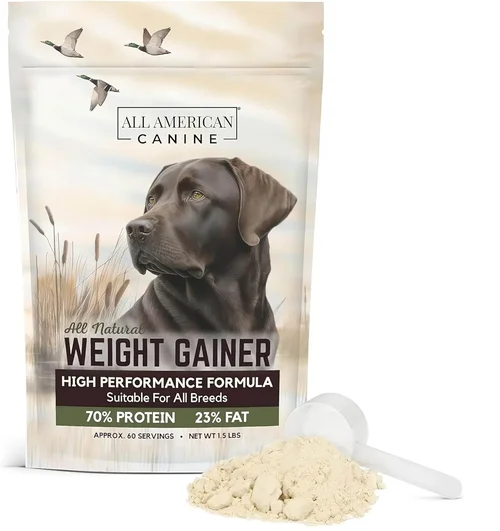
Pitbulls are powerful, muscular dogs with high energy needs and a natural drive to build lean mass. Whether you’re training a performance dog, rehabilitating a rescue, or simply aiming to support your Pitbull’s healthy growth and strength, choosing the right bulking dog food is critical. Unlike standard kibble, bulking formulas are specifically designed to promote weight gain, muscle development, and sustained energy—without compromising digestive health or long-term wellness.
This comprehensive buying guide is crafted for dog owners who want to make informed, science-backed decisions about their Pitbull’s nutrition. We’ll walk you through everything you need to know: from understanding macronutrient balance and ingredient quality to avoiding common pitfalls and maximizing value for your budget. With so many dog foods on the market claiming to “bulk up” your dog, it’s easy to get overwhelmed by marketing hype. Our goal is to cut through the noise and give you the tools to choose a food that truly supports your dog’s physical goals and overall health.
The market for high-calorie, muscle-building dog food has expanded significantly in recent years, driven by the growing popularity of athletic breeds like Pitbulls in sports such as weight pulling, agility, and obedience. Brands now offer specialized formulas with higher protein, healthy fats, and targeted supplements. However, not all “bulking” foods are created equal. Some rely on fillers and artificial additives, while others may overemphasize calories at the expense of nutrient balance. This guide will help you navigate those differences and find a product that aligns with your dog’s unique needs, lifestyle, and health profile.

What to Look for When Buying Buying Guide
1. Protein Content and Source
Protein is the cornerstone of muscle development, especially for active breeds like Pitbulls. When evaluating bulking dog food, look for a minimum of 28–35% crude protein on a dry matter basis. This ensures your dog has enough amino acids—particularly leucine, lysine, and methionine—to repair and build muscle tissue after exercise or growth spurts.
But it’s not just about quantity—quality matters more. The first ingredient should be a named animal protein source such as deboned chicken, turkey meal, or lamb. Avoid vague terms like “meat meal” or “animal by-product meal,” which can include low-quality or inconsistent sources. Whole meats provide highly digestible protein, while meat meals are concentrated and often more cost-effective without sacrificing quality.
2. Fat Content and Fatty Acid Profile
Fats are the most calorie-dense macronutrient, making them essential for weight gain and sustained energy. For bulking Pitbulls, aim for a fat content between 16% and 22%. This provides the caloric surplus needed for growth without overwhelming the digestive system.
Look for healthy fat sources like chicken fat, salmon oil, flaxseed, and coconut oil. These not only boost calories but also supply essential fatty acids such as omega-3 and omega-6, which support skin health, coat shine, and anti-inflammatory processes. Omega-3s, in particular, are crucial for joint health—especially important for muscular dogs prone to hip dysplasia or arthritis.
Avoid foods with excessive plant-based oils like corn or soybean oil, which offer less bioavailable fatty acids and may contribute to inflammation if overused.
3. Caloric Density
Bulking requires a caloric surplus—your dog must consume more calories than it burns. High-calorie dog foods typically range from 400 to 550 kcal per cup, depending on kibble size and formulation. For a 60-pound active Pitbull, this might mean feeding 3–4 cups daily instead of the standard 2–2.5 cups.
However, calorie needs vary based on age, activity level, metabolism, and current weight. A growing puppy or a performance dog in training will need significantly more than a moderately active adult. Use your dog’s body condition score (BCS) as a guide: ribs should be palpable but not visible, and the waist should be discernible when viewed from above.
4. Carbohydrate Quality and Fiber Balance
While protein and fat drive muscle and energy, carbohydrates play a supporting role by providing quick fuel and aiding in nutrient absorption. However, not all carbs are equal. Look for complex carbohydrates like sweet potatoes, brown rice, oats, and peas—these digest slowly, preventing blood sugar spikes and supporting sustained energy.
Avoid foods heavy in corn, wheat, or soy, which can cause allergies, bloat, or digestive upset in sensitive dogs. Fiber content should be moderate (3–6%) to support gut health without interfering with nutrient absorption. Too much fiber can reduce calorie availability, which is counterproductive for bulking.
5. Digestibility and Gut Health
Even the best ingredients won’t help if your dog can’t digest them. High digestibility means more nutrients are absorbed, leading to better muscle synthesis and less waste. Premium bulking foods often include probiotics, prebiotics, and digestive enzymes to support a healthy microbiome.
Look for ingredients like dried chicory root (a prebiotic), lactobacillus cultures (probiotics), and easily digestible proteins. You’ll notice the difference in firmer stools, reduced gas, and improved coat condition.
6. Added Supplements and Functional Ingredients
Beyond macronutrients, top-tier bulking foods include targeted supplements to support joint health, recovery, and immune function. Key additives to look for include:
– Glucosamine and chondroitin: For joint support
– L-carnitine: Helps convert fat into energy and may support lean mass
– Taurine: Essential for heart health, especially in large breeds
– Vitamin E and selenium: Antioxidants that reduce oxidative stress from intense exercise
– DHA: Supports brain development in puppies and cognitive function in adults
These ingredients are often found in performance or working dog formulas and can make a significant difference in long-term health and performance.
7. Brand Transparency and Manufacturing Standards
Not all dog food companies disclose where and how their food is made. Reputable brands provide detailed sourcing information, conduct AAFCO feeding trials, and manufacture in FDA- or USDA-inspected facilities. Look for certifications like AAFCO compliance, GMP (Good Manufacturing Practices), or third-party testing.
Avoid brands that use vague labeling, have frequent recalls, or lack transparency about ingredient sourcing. A trustworthy company will answer your questions and provide batch-specific nutritional analysis upon request.
8. Palatability and Feeding Response
No matter how nutritious a food is, it’s useless if your dog won’t eat it. Pitbulls can be picky eaters, especially when transitioning from a familiar diet. High palatability often comes from real meat, natural flavorings, and fat content—but avoid artificial preservatives like BHA, BHT, or ethoxyquin.
If your dog turns up its nose at a new food, try mixing it gradually with the old diet over 7–10 days. You can also enhance appeal by adding warm water, bone broth (low-sodium, no onions/garlic), or a small amount of cooked meat.
Different Types of Buying Guide

Common Buying Mistakes to Avoid
❌ Mistake: Prioritizing Price Over Ingredient Quality
Why it’s bad: Cheap dog foods often use fillers like corn, wheat, and soy, which provide calories but little nutritional value. They may also contain artificial preservatives, colors, and by-products that can harm long-term health.
What to do instead: Invest in a mid-to-premium brand with transparent sourcing and high-quality proteins. Think of dog food as preventive healthcare—saving money now may lead to higher vet bills later.
❌ Mistake: Overfeeding to Speed Up Weight Gain
Why it’s bad: Rapid weight gain can lead to obesity, joint stress, and metabolic issues. It also makes it hard to distinguish between muscle and fat gain.
What to do instead: Follow feeding guidelines and adjust based on weekly weigh-ins. Aim for steady, controlled growth. Consult your vet if your dog isn’t gaining as expected.
❌ Mistake: Ignoring Life Stage and Activity Level
Why it’s bad: A puppy formula has different nutrient ratios than an adult maintenance food. Feeding the wrong type can lead to deficiencies or excesses.
What to do instead: Choose a food labeled for your dog’s life stage (puppy, adult, senior) and activity level (active, working, performance). Some brands offer “all life stages” formulas, which can be convenient but may not be optimal for bulking.
❌ Mistake: Switching Foods Too Quickly
Why it’s bad: Sudden diet changes can cause diarrhea, vomiting, or refusal to eat. The gut microbiome needs time to adapt.
What to do instead: Transition over 7–10 days, gradually increasing the new food while decreasing the old. Monitor stool quality and energy levels.
❌ Mistake: Relying Solely on Marketing Claims
Why it’s bad: Terms like “premium,” “natural,” or “high-energy” are not regulated. A food can claim to be “grain-free” but still be low in protein and high in potatoes.
What to do instead: Read the ingredient list and guaranteed analysis. Focus on what’s actually in the food, not the packaging.
❌ Mistake: Neglecting Hydration
Why it’s bad: High-protein diets increase water needs. Dehydration can lead to kidney strain, especially in active dogs.
What to do instead: Always provide fresh water. Consider adding wet food or bone broth to increase moisture intake.
❌ Mistake: Not Monitoring Health Changes
Why it’s bad: Weight gain should be accompanied by improved energy, coat quality, and muscle tone. If your dog becomes lethargic, develops skin issues, or gains fat instead of muscle, the food may not be right.
What to do instead: Keep a journal of weight, energy, stool quality, and behavior. Schedule regular vet checkups during the bulking phase.
Budget Guidelines: How Much Should You Spend?
– Entry-Level ($1.50–$2.50/lb): These foods often meet basic nutritional standards but may use lower-quality proteins and fillers. Suitable for short-term use or supplemental feeding, but not ideal for long-term bulking. Examples include some store-brand “high-energy” formulas.
– Mid-Range ($2.50–$4.00/lb): This is the sweet spot for most Pitbull owners. Brands in this range offer high meat content, digestible carbs, and added supplements without breaking the bank. Look for AAFCO-compliant foods with named meat sources and no artificial additives.
– Premium ($4.00–$6.00/lb): These foods use human-grade ingredients, novel proteins (like duck or venison), and advanced formulations. Ideal for performance dogs, puppies, or dogs with sensitivities. Often include probiotics, joint support, and antioxidant blends.
– Luxury ($6.00+/lb): Top-tier options include raw, freeze-dried, or custom-formulated diets. These are best for competitive athletes, show dogs, or dogs with complex health needs. While expensive, they offer maximum bioavailability and customization.

Expert Tips for Getting the Best Deal
– Buy During Seasonal Sales: Major retailers like Chewy, Petco, and Amazon often run discounts in January (post-holiday), July (summer clearance), and November (Black Friday). Sign up for newsletters to get early access.
– Use Subscription Services: Chewy and Amazon Subscribe & Save offer 5–15% off recurring orders. You can pause or cancel anytime, and it ensures you never run out.
– Compare Unit Prices: Don’t just look at the total cost—check the price per pound or per 100 kcal. A larger bag may seem expensive but offer better value.
– Look for Rebates and Loyalty Programs: Brands like Victor, Eagle Pack, and NutriSource offer rebates or points programs. Some vets also provide discounts on prescription or performance diets.
– Test Before Committing: Buy a small bag first to see how your dog responds. Many retailers allow returns on unopened bags.
– Check Return Policies: Ensure the seller accepts returns if your dog doesn’t tolerate the food. This is especially important for dogs with allergies or sensitivities.
– Ask Your Vet: Some clinics carry high-quality foods at wholesale prices. They may also recommend therapeutic diets if your dog has underlying health issues.
– Consider Homemade Supplements: If budget is tight, enhance a mid-range kibble with cooked eggs, plain yogurt, or sardines to boost protein and fat.

Frequently Asked Questions
Q: How long does it take to see results from bulking dog food?
A: Most owners notice improved muscle tone and energy within 2–4 weeks. Visible weight gain typically begins after 3–6 weeks, depending on metabolism and activity level. Consistency is key—stick with the food for at least 8 weeks before evaluating.
Q: Can I feed bulking food to a puppy Pitbull?
A: Yes, but only if it’s labeled for “growth” or “all life stages.” Puppies have higher needs for DHA, calcium, and calories. Avoid adult maintenance formulas, which may lack essential nutrients for development.
Q: My Pitbull is gaining fat, not muscle. What’s wrong?
A: This usually means the caloric surplus is too high or exercise is insufficient. Reduce portion size slightly and increase physical activity. Focus on resistance training like flirt poles or weighted walks to stimulate muscle growth.
Q: Is grain-free food better for bulking?
A: Not necessarily. Grain-free diets replace grains with legumes or potatoes, which can be high in starch. Unless your dog has a grain allergy, whole grains like oats and brown rice are excellent energy sources. The FDA has also raised concerns about grain-free diets and dilated cardiomyopathy (DCM) in some breeds.
Q: Can I mix two different dog foods?
A: Yes, as long as both are high-quality and compatible. Mixing can improve palatability and nutrient diversity. Just ensure the combined diet meets your dog’s protein and fat needs.
Q: How much should I feed my 50-pound Pitbull for bulking?
A: Start with the feeding guidelines on the bag, then adjust based on weight gain. A general rule is 30–35 kcal per pound of ideal body weight. For a 50-pound dog, that’s 1,500–1,750 kcal/day. High-calorie foods may require only 3–3.5 cups.
Q: Are raw diets safe for bulking?
A: Raw diets can be effective but require careful planning to ensure nutritional balance. They carry a risk of bacterial contamination (Salmonella, E. coli) and may lack essential vitamins if not formulated properly. Consult a veterinary nutritionist before switching.
Q: What if my dog has food allergies?
A: Look for limited-ingredient diets with novel proteins (e.g., duck, rabbit, or fish) and single carbohydrate sources. Common allergens include chicken, beef, wheat, and soy. Elimination trials under vet supervision may be needed.
Q: Can senior Pitbulls benefit from bulking food?
A: Yes, especially if they’ve lost muscle mass due to age or illness. Senior bulking formulas often include joint support and easier-to-digest proteins. Avoid high-phosphorus foods if kidney issues are present.
Our Final Recommendations
– Best for Budget-Conscious Buyers: Victor Purpose Nutra Pro – Offers 30% protein, 20% fat, and probiotics at under $3.00/lb. Ideal for active adults and performance dogs.
– Best Overall Value: Taste of the Wild High Prairie – Features real roasted bison and beef, 32% protein, and added vitamins. Great palatability and digestibility.
– Best Premium Option: Wellness CORE Grain-Free Original – 34% protein, 18% fat, and rich in omega fatty acids. Includes glucosamine and taurine for joint and heart health.
– Best for Beginners: Blue Buffalo Wilderness High Protein – Easy to find, widely available, and formulated with real chicken and sweet potatoes. Good transition food.
– Best for Advanced Users: Primal Freeze-Dried Raw Nuggets – For owners willing to invest in raw nutrition. High bioavailability, minimal processing, and customizable feeding.
Conclusion: Making the Right Choice
Choosing the best bulking dog food for your Pitbull is about more than just calories—it’s about supporting long-term health, performance, and vitality. By focusing on high-quality proteins, healthy fats, digestibility, and transparency, you can fuel your dog’s growth without compromising well-being. Remember, every dog is unique. What works for one Pitbull may not suit another, so monitor your dog closely and adjust as needed.
Prioritize your dog’s individual needs over trends or marketing claims. Whether you’re training for competition, rehabilitating a rescue, or simply helping your dog reach a healthy weight, the right nutrition is the foundation of success. Use this guide as your roadmap, consult your veterinarian when in doubt, and never stop learning about your dog’s dietary requirements.
Your Pitbull deserves the best—start with the best food, and you’ll see the results in their strength, energy, and happiness.