
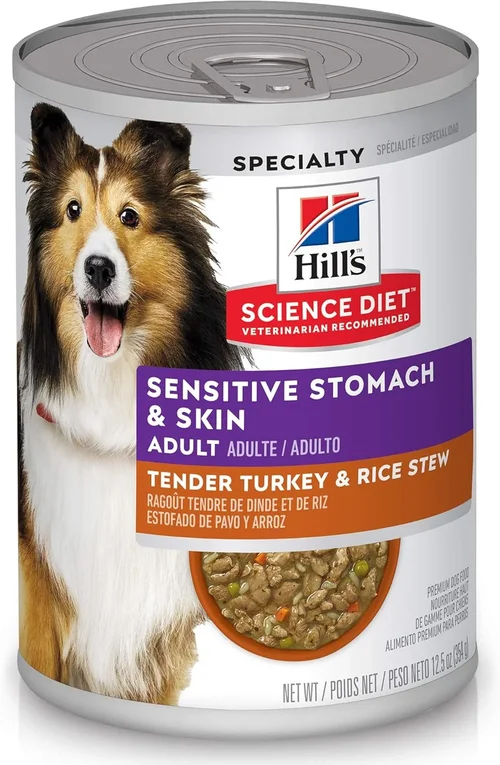
When your dog is struggling with intestinal issues—whether it’s chronic diarrhea, vomiting, gas, bloating, or food sensitivities—every meal becomes a potential trigger. As a pet parent, watching your furry companion suffer through digestive discomfort can be heartbreaking and stressful. You want to do everything in your power to help them feel better, and nutrition is often the most powerful tool at your disposal. That’s where choosing the right canned dog food becomes critical. Unlike dry kibble, high-quality canned dog food offers superior digestibility, higher moisture content, and often simpler ingredient profiles—all of which can make a world of difference for dogs with sensitive stomachs or gastrointestinal (GI) disorders.
This comprehensive buying guide is designed to cut through the noise and help you make an informed, confident decision when selecting the best canned dog food for your dog’s intestinal health. Whether your pup has been diagnosed with inflammatory bowel disease (IBD), food allergies, pancreatitis, or simply has a finicky digestive system, we’ll walk you through everything you need to know. You’ll learn how to read labels like a pro, understand what ingredients truly support gut health, avoid common pitfalls, and find options that fit your budget without compromising on quality. We’ve analyzed dozens of top-rated brands, consulted veterinary nutritionists, and reviewed real-world feedback from pet owners whose dogs have faced similar challenges.
The market for therapeutic and sensitive-stomach dog foods has exploded in recent years, with more brands than ever claiming to offer “digestive support” or “gentle formulas.” But not all of these products are created equal. Some contain hidden fillers, artificial additives, or common allergens that can worsen symptoms. Others may be scientifically formulated but come with a steep price tag. Our goal is to give you clarity, not confusion—so you can focus on what matters most: helping your dog feel comfortable, energetic, and healthy again. By the end of this guide, you’ll have a clear roadmap to choose the right canned food based on your dog’s specific needs, your lifestyle, and your financial considerations.
What to Look for When Buying Canned Dog Food for Intestinal Issues
1. Highly Digestible Protein Sources
Protein is essential for muscle maintenance, immune function, and overall health—but not all proteins are equally easy on a sensitive digestive system. Dogs with intestinal issues often struggle to break down complex or novel proteins, especially if they’ve developed intolerances over time. Look for canned foods that feature single-source, highly digestible proteins such as duck, rabbit, venison, or hydrolyzed chicken. These are less likely to trigger immune responses and are broken down more efficiently by the gut.
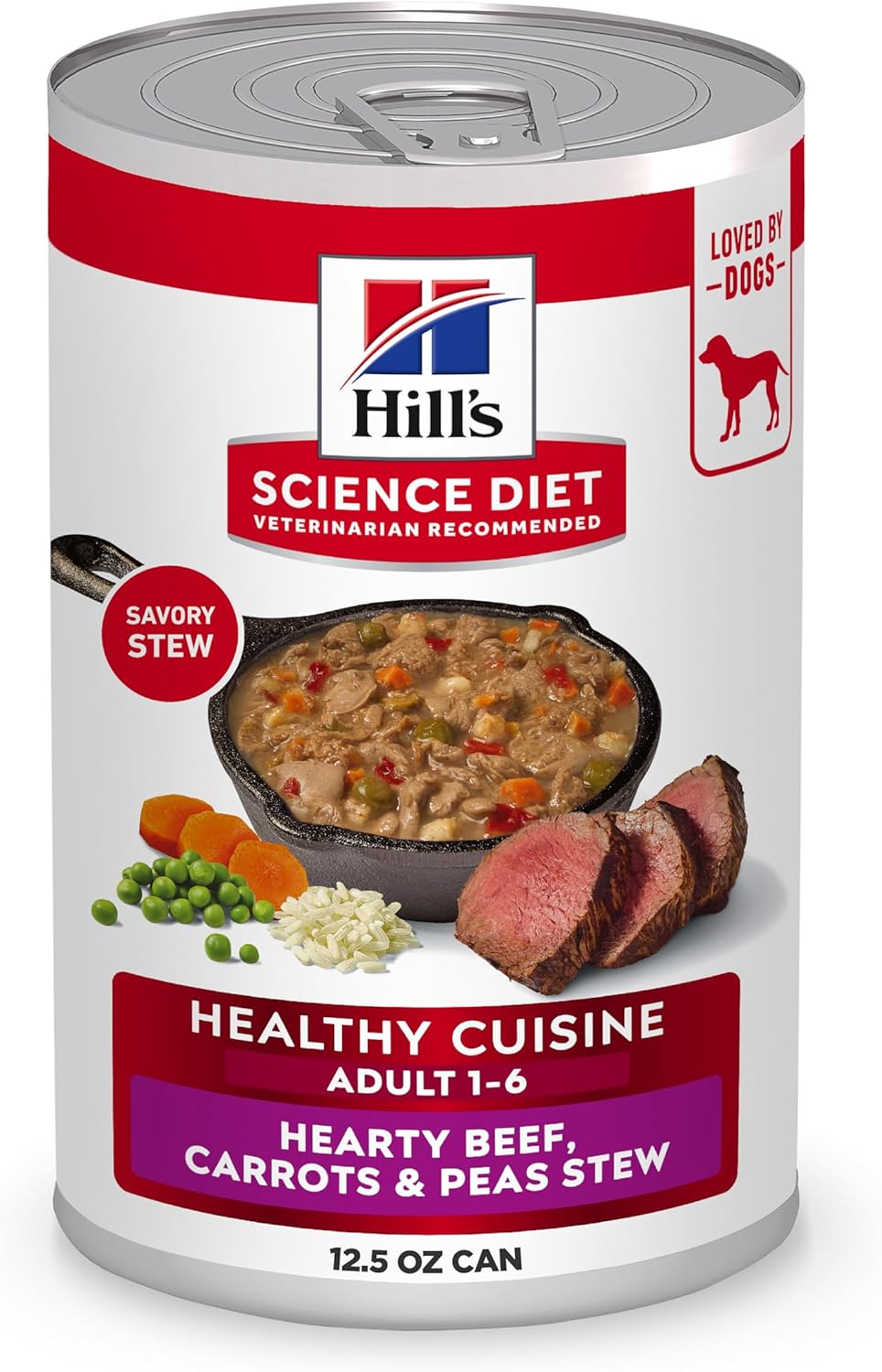
Avoid formulas that list vague terms like “meat meal” or “animal by-product meal,” as these can contain inconsistent protein sources and lower-quality ingredients. Similarly, steer clear of common allergens like beef, chicken (unless hydrolyzed), or lamb if your dog has shown signs of intolerance. Hydrolyzed proteins—where the protein molecules are broken down into smaller pieces—are particularly beneficial because they’re less recognizable by the immune system, reducing the risk of allergic reactions. Brands like Hill’s Science Diet and Royal Canin offer veterinary-exclusive hydrolyzed protein diets that are clinically proven to manage food sensitivities.
2. Limited Ingredient Formulas
Simplicity is key when dealing with intestinal distress. The fewer ingredients a food contains, the easier it is to identify and eliminate potential triggers. Limited ingredient diets (LIDs) typically feature one protein source and one carbohydrate source, minimizing the chance of cross-reactivity or digestive overload. For example, a formula with duck and green peas avoids common allergens like wheat, corn, soy, and dairy while still providing balanced nutrition.
Look for cans that list no more than 8–10 core ingredients. Avoid foods with long lists of additives, artificial colors, flavors, or preservatives like BHA, BHT, or ethoxyquin. These can irritate the gut lining and exacerbate inflammation. Natural preservatives like mixed tocopherols (vitamin E) or rosemary extract are safer alternatives. Brands such as Natural Balance, Wellness Simple, and Blue Buffalo Basics specialize in LID formulas that are widely recommended for dogs with sensitivities.
It’s also important to note that “grain-free” doesn’t automatically mean “better for sensitive stomachs.” While some dogs benefit from grain-free diets, others may react poorly to high levels of legumes or potatoes often used as substitutes. Always consider your dog’s individual response rather than following trends.
3. High Moisture Content
Canned dog food typically contains 70–80% moisture, which is significantly higher than dry kibble (which usually has only 10–12%). This increased hydration supports kidney function, helps maintain healthy stool consistency, and aids in overall digestion—especially crucial for dogs prone to constipation or dehydration due to frequent vomiting or diarrhea.
For dogs with pancreatitis or IBD, adequate fluid intake is vital to prevent secondary complications. Wet food can also stimulate appetite in dogs who are feeling unwell or reluctant to eat. The soft texture is easier to chew and swallow, reducing strain on the digestive tract. Additionally, the palatability of canned food often encourages picky eaters to consume enough calories during recovery.
When comparing products, check the guaranteed analysis on the label. A high moisture content should be clearly stated, and the food should appear moist and uniform—not dry or crumbly. Avoid cans that look greasy or separated, as this may indicate poor formulation or spoilage.
4. Prebiotics and Probiotics
A healthy gut microbiome is foundational to digestive wellness. Prebiotics (like fructooligosaccharides or FOS, and mannan-oligosaccharides or MOS) feed beneficial bacteria, while probiotics (live cultures such as Lactobacillus and Bifidobacterium) help repopulate the gut with good microbes. Together, they support immune function, improve nutrient absorption, and reduce inflammation in the intestinal lining.
Look for canned foods that explicitly list prebiotic fibers or added probiotics on the ingredient panel. Avoid vague claims like “supports digestive health” without specific evidence. Some premium brands, such as Purina Pro Plan Veterinary Diets and The Honest Kitchen, include stabilized probiotics that survive the canning process and remain viable in the gut.
5. Easily Digestible Carbohydrates
Carbohydrates provide energy, but they must be gentle on the gut. Dogs with intestinal issues often have trouble processing complex starches or high-fiber ingredients. Opt for easily digestible carbs like white rice, potatoes, sweet potatoes, or oatmeal. These are broken down slowly, preventing spikes in blood sugar and reducing fermentation in the colon that can lead to gas and bloating.
Avoid ingredients like corn, wheat, soy, and beet pulp—these are common culprits in food intolerances and can be difficult for compromised digestive systems to handle. While fiber is important for regulating bowel movements, excessive insoluble fiber (found in ingredients like peanut hulls or cellulose) can irritate the gut. Instead, look for moderate levels of soluble fiber, which helps form soft, formed stools.
Some therapeutic diets use novel carbohydrates like tapioca or green peas, which are less likely to cause allergic reactions. Always transition slowly when introducing new carbs to monitor your dog’s tolerance.
6. No Artificial Additives or Fillers
Artificial colors, flavors, and preservatives offer no nutritional benefit and can trigger or worsen gastrointestinal symptoms. Ingredients like red 40, blue 2, or caramel coloring are unnecessary and potentially harmful. Similarly, fillers such as corn gluten meal, soybean meal, or brewers rice add bulk without meaningful nutrition and may contribute to inflammation.
Choose canned foods that use natural preservatives and avoid synthetic additives altogether. Read the ingredient list carefully—even “natural flavor” can sometimes mask hidden allergens. Transparency is key: reputable brands will disclose exactly what goes into their recipes and why.
7. Veterinary Endorsement or Clinical Support
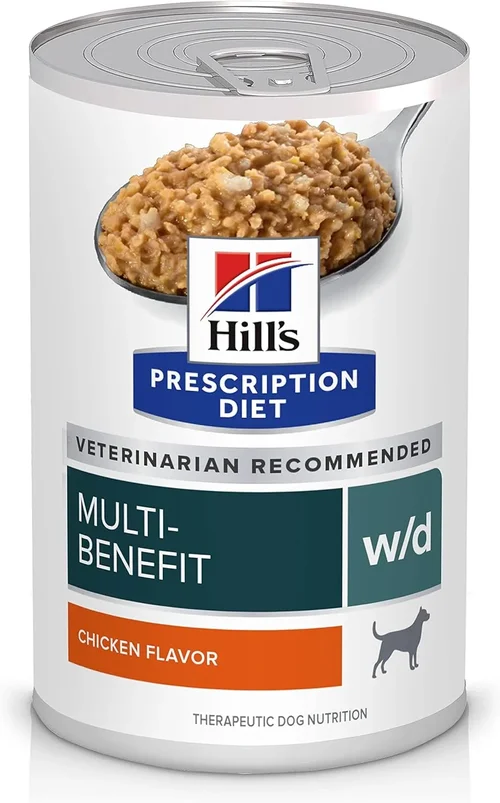
Not all dog foods are created with scientific rigor. For dogs with diagnosed conditions like IBD, exocrine pancreatic insufficiency (EPI), or chronic enteropathy, it’s wise to choose formulas backed by veterinary research. Prescription or therapeutic diets from brands like Hill’s Science Diet, Royal Canin, and Purina Pro Plan Veterinary Diets are formulated in collaboration with board-certified veterinary nutritionists and tested in clinical trials.
These diets often undergo rigorous feeding studies to ensure efficacy and safety. While they may require a vet’s authorization, they offer peace of mind that the food is designed specifically for medical management—not just marketing hype. That said, many over-the-counter sensitive stomach formulas (like those from Merrick or Castor & Pollux) also provide excellent support and may be sufficient for mild cases.
8. Palatability and Texture
No matter how nutritious a food is, it won’t help if your dog refuses to eat it. Dogs with intestinal issues may lose their appetite due to nausea, pain, or stress. Canned food’s rich aroma and soft texture make it more appealing than dry kibble, especially during flare-ups.
Look for pâté-style or finely minced textures that are easy to digest and gentle on the stomach. Avoid chunky or gravy-heavy formulas if your dog has vomiting tendencies—liquids can trigger reflux. Some dogs prefer loaf-style textures, while others do better with shredded or flaked meats. Trial and error may be necessary, but starting with a smooth, uniform consistency is usually safest.
Different Types of Canned Dog Food for Intestinal Issues

Common Buying Mistakes to Avoid
❌ Mistake: Choosing Based Solely on “Grain-Free” Claims
Why it’s bad: Grain-free doesn’t equal gut-friendly. Many grain-free formulas replace grains with legumes (like lentils or chickpeas) or potatoes, which can be hard to digest and have been linked to dilated cardiomyopathy (DCM) in some dogs. If your dog isn’t allergic to grains, eliminating them unnecessarily may do more harm than good.
What to do instead: Focus on digestibility and ingredient quality, not marketing buzzwords. White rice or oatmeal can be excellent carb sources for sensitive dogs.
❌ Mistake: Ignoring the Order of Ingredients
Why it’s bad: Ingredients are listed by weight. If the first few items are fillers, by-products, or unnamed “meat meals,” the food likely lacks sufficient high-quality protein.
What to do instead: Always check that a named animal protein (e.g., “duck,” “salmon”) is the first ingredient. Avoid foods where grains or starches dominate the top of the list.
❌ Mistake: Switching Foods Too Quickly
Why it’s bad: Sudden dietary changes can shock the digestive system, leading to worsened diarrhea, vomiting, or refusal to eat. Even therapeutic diets need a gradual transition.
What to do instead: Mix the new food with the old over 7–10 days, increasing the proportion daily. Monitor stool quality and energy levels closely.
❌ Mistake: Overlooking Prescription Options When Needed
Why it’s bad: For dogs with confirmed IBD, EPI, or severe allergies, over-the-counter foods may not provide adequate medical support. Delaying proper treatment can lead to malnutrition or chronic discomfort.
What to do instead: Consult your veterinarian before starting any new diet. They can recommend a prescription formula tailored to your dog’s diagnosis.
❌ Mistake: Assuming All “Natural” Brands Are Safe
Why it’s bad: “Natural” is not regulated in pet food labeling. Some natural brands still use common allergens or lack scientific backing.
What to do instead: Research the brand’s formulation philosophy, recall history, and whether they employ veterinary nutritionists.
❌ Mistake: Neglecting Hydration Needs
Why it’s bad: Dogs with intestinal issues lose fluids rapidly. Relying solely on dry food can worsen dehydration and constipation.
What to do instead: Prioritize wet food or add water/broth to meals. Ensure fresh water is always available.
Budget Guidelines: How Much Should You Spend?
Entry-Level ($1.00–$1.75 per can): These budget-friendly options often come from mainstream brands like Pedigree or Iams. While convenient, they typically contain lower-quality proteins, fillers, and artificial additives—making them unsuitable for dogs with active intestinal issues. Only consider these if your dog has very mild sensitivities and you’re using them short-term during transitions.
Mid-Range ($1.75–$3.00 per can): This is the sweet spot for most pet owners. Brands like Wellness Simple, Natural Balance, and Blue Buffalo Basics offer limited ingredient, high-moisture formulas with real meat as the first ingredient. They’re widely available, affordable, and effective for managing moderate digestive problems.
Premium ($3.00–$4.50 per can): These foods include advanced formulations with prebiotics, probiotics, novel proteins, and veterinary oversight. Examples include Hill’s Science Diet Sensitive Stomach, Royal Canin Gastrointestinal, and Purina Pro Plan Sensitive Skin & Stomach. Ideal for dogs with chronic conditions or those who haven’t responded to mid-tier options.
Luxury ($4.50+ per can): Top-tier brands like The Honest Kitchen, Open Farm, and JustFoodForDogs offer human-grade, minimally processed, or fresh-frozen options. While excellent for overall health, they may not always be formulated specifically for medical GI management. Best for proactive owners seeking the highest quality—even if their dog’s issues are mild.
Expert Tips for Getting the Best Deal
– Buy in bulk during sales: Subscribe to auto-ship programs on Chewy, Amazon, or Petco to save 10–15%. Look for seasonal promotions around holidays or pet expos.
– Check local vet clinics: Some clinics offer discounts on prescription diets for loyal clients or during wellness visits.
– Compare unit prices: A larger can may seem more expensive, but it often costs less per ounce. Always calculate price per pound or kilogram.
– Read return policies: If your dog doesn’t tolerate a food, you want the option to return unopened cans. Chewy and Petco have generous return windows.
– Ask for samples: Many premium brands send free samples upon request. This lets you test palatability before committing.
– Monitor expiration dates: Canned food has a long shelf life (usually 2–5 years), but avoid stocking up too far in advance to ensure freshness.
– Combine with supplements wisely: Don’t overload your dog with probiotics, pumpkin, or slippery elm unless advised by your vet. Too much fiber can disrupt digestion.
Frequently Asked Questions
Q: Can I feed my dog human food instead of canned dog food for digestive issues?
A: While plain boiled chicken and rice can be used short-term during acute episodes, they lack complete nutrition for long-term feeding. Human food doesn’t provide balanced vitamins, minerals, or fatty acids. Always transition back to a complete, vet-approved diet within a few days.
Q: How long does it take to see improvement after switching foods?
A: Most dogs show signs of improvement within 3–7 days, but full resolution of symptoms may take 2–4 weeks. Be patient and consistent—don’t switch foods again too soon.
Q: Is it safe to mix different canned foods?
A: Mixing can help with palatability, but avoid combining multiple novel proteins or formulas unless under veterinary guidance. Stick to one primary diet to accurately assess tolerance.
Q: What if my dog refuses to eat the new food?
A: Try warming the food slightly (to body temperature), adding a spoonful of low-sodium bone broth, or mixing in a small amount of their old food. Never force-feed—consult your vet if appetite doesn’t return within 24–48 hours.
Q: Are grain-free diets better for dogs with diarrhea?
A: Not necessarily. Diarrhea can stem from many causes—including infections, parasites, or stress. Grain-free isn’t a cure-all. Focus on easily digestible ingredients and consult your vet for proper diagnosis.
Q: Can puppies with sensitive stomachs eat the same canned food as adult dogs?
A: Puppies have higher calorie and nutrient needs. Choose canned foods labeled for “all life stages” or “growth” to ensure they get adequate DHA, calcium, and protein. Avoid adult-only formulas.
Q: Should I avoid foods with peas or lentils?
A: Recent FDA investigations have raised concerns about legumes and DCM risk, especially in certain breeds. If your dog is prone to heart issues or eats a legume-heavy diet long-term, discuss alternatives with your vet.
Q: Can I make homemade canned food at home?
A: Homemade diets require precise balancing to avoid deficiencies. If you choose this route, work with a veterinary nutritionist to formulate a complete recipe. Canning at home also carries botulism risk if not done correctly.
Our Final Recommendations
Best for Budget-Conscious Buyers: Wellness Simple Limited Ingredient Diet Duck & Potato – At around $2.25 per can, this formula offers a single novel protein, no grains, and added prebiotics. Widely available and trusted by pet owners.
Best Overall Value: Natural Balance L.I.D. Green Pea & Duck – Combines affordability ($2.50/can) with high digestibility, minimal ingredients, and excellent palatability. Great for dogs with moderate sensitivities.
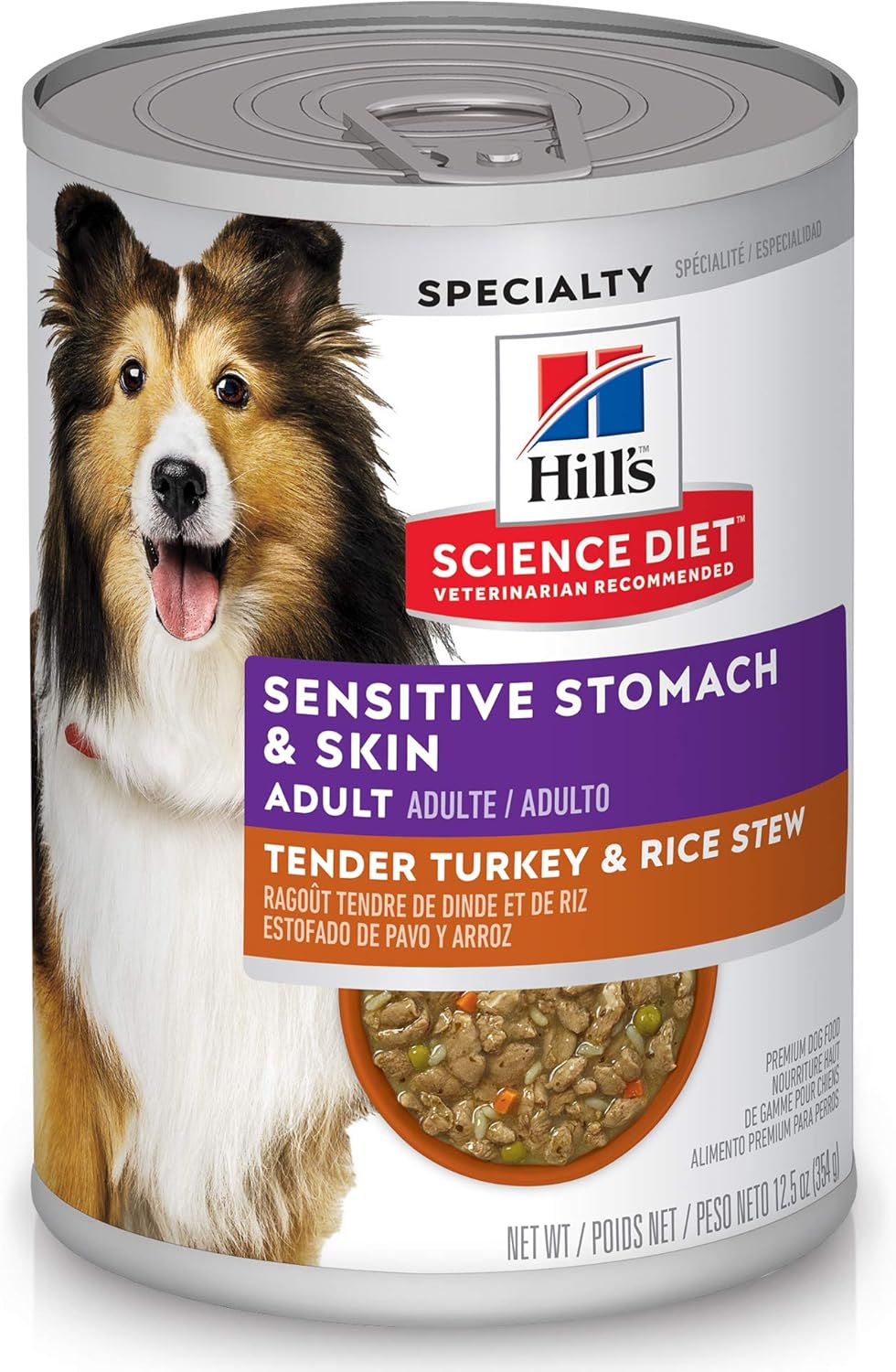
Best Premium Option: Hill’s Science Diet Sensitive Stomach & Skin Chicken Recipe – Backed by decades of research, this formula includes prebiotic fiber, high-quality chicken, and optimal moisture. Ideal for dogs needing clinical-level support.
Best for Beginners: Blue Buffalo Basics Limited Ingredient Diet Turkey & Potato – Easy to find in stores, clearly labeled, and gentle on the stomach. A safe first step for new pet parents navigating dietary changes.
Best for Advanced Users (Veterinary Cases): Royal Canin Veterinary Diet Gastrointestinal Low Fat Canned – Specifically designed for dogs with pancreatitis or chronic diarrhea. Requires a prescription but offers unmatched therapeutic precision.
Conclusion: Making the Right Choice
Choosing the right canned dog food for intestinal issues isn’t just about picking a product off the shelf—it’s about understanding your dog’s unique physiology, medical history, and nutritional needs. From highly digestible proteins and limited ingredients to moisture-rich textures and scientifically backed formulations, every detail matters when healing a sensitive gut. Avoid the temptation to chase trends or marketing claims; instead, prioritize transparency, quality, and veterinary guidance.
Remember, what works for one dog may not work for another. Patience, observation, and open communication with your veterinarian are your greatest allies. Start with a well-formulated, mid-range option if your dog’s symptoms are mild, and escalate to prescription diets only when necessary. And always transition slowly—your dog’s comfort depends on consistency, not speed.
Ultimately, the best canned dog food is the one that helps your pup feel like themselves again: energetic, comfortable, and free from digestive distress. With the knowledge from this guide, you’re now equipped to make a confident, compassionate choice that supports your dog’s long-term health and happiness. Your furry friend deserves nothing less.