
When your dog suffers from a sensitive stomach or frequent gas, mealtime can quickly become a source of stress—for both you and your furry companion. You’ve likely tried switching foods, adjusting portion sizes, or even eliminating treats, only to be met with more digestive discomfort. The truth is, not all dog food is created equal, especially when it comes to supporting gastrointestinal health. That’s why choosing the right canned dog food isn’t just about nutrition—it’s about comfort, consistency, and long-term well-being. This guide exists to cut through the noise, misinformation, and overwhelming number of options on the market so you can make a confident, informed decision that actually helps your dog feel better.
In this comprehensive buying guide, you’ll learn exactly what to look for in a high-quality canned dog food designed specifically for dogs with sensitive stomachs and gas issues. We’ll break down the key ingredients that soothe digestion, explain how to read labels like a pro, compare different types of formulas, and highlight common pitfalls that even experienced pet parents fall into. Whether you’re dealing with chronic flatulence, occasional vomiting, soft stools, or just want to prevent future digestive flare-ups, this guide will equip you with expert-level knowledge to choose a food that supports your dog’s unique needs. By the end, you’ll know how to balance nutritional value, ingredient quality, palatability, and budget—without sacrificing your dog’s comfort.
The market for specialized dog food has exploded in recent years, with hundreds of brands now offering “sensitive stomach,” “limited ingredient,” or “digestive care” formulas. While this variety is a good thing, it also means more confusion. Some products are genuinely helpful; others are little more than marketing gimmicks with fillers and artificial additives that can worsen symptoms. Canned dog food, in particular, offers advantages like higher moisture content (which aids digestion), softer texture (easier on sensitive systems), and often fewer preservatives than kibble. But not all wet foods are equally beneficial. This guide will help you navigate the crowded landscape, identify truly effective options, and avoid the traps that lead to wasted money and continued discomfort for your pup.
What to Look for When Buying Canned Dog Food for Sensitive Stomachs and Gas
1. High-Quality, Easily Digestible Protein Sources
Protein is the cornerstone of any dog’s diet, but for dogs with sensitive stomachs, not all proteins are created equal. Look for named, single-source animal proteins as the first ingredient—such as “deboned chicken,” “turkey meal,” or “salmon.” Avoid vague terms like “meat meal,” “animal by-products,” or “poultry by-product meal,” which can contain inconsistent or hard-to-digest components. Novel proteins (like duck, venison, or rabbit) are excellent choices if your dog has developed sensitivities to common meats like chicken or beef. These less-familiar proteins are less likely to trigger an immune response or digestive upset.
Equally important is the digestibility of the protein. Highly digestible proteins are broken down more efficiently in the gut, reducing the workload on your dog’s digestive system and minimizing the risk of undigested food fermenting in the intestines—a major cause of gas. Studies show that proteins like hydrolyzed chicken or lamb are among the most digestible, with absorption rates exceeding 90%. If your dog has a history of food intolerances, consider a hydrolyzed protein formula, where proteins are broken down into smaller molecules that are less likely to provoke an allergic reaction.
2. Limited, Simple Ingredient Lists
The fewer ingredients in a dog food, the easier it is to identify and eliminate potential triggers. Dogs with sensitive stomachs benefit most from limited-ingredient diets (LIDs), which typically contain one protein source, one carbohydrate source, and minimal additives. A short ingredient list reduces the chance of hidden irritants like artificial flavors, colors, or preservatives. Aim for foods with fewer than 10–12 primary ingredients, and avoid those with long lists of “mystery” components.
Be especially cautious of fillers like corn, wheat, soy, and brewer’s rice. These are not only low in nutritional value but are also common allergens and can contribute to gas and bloating. Instead, look for easily digestible carbohydrates such as sweet potatoes, pumpkin, or oats. These provide energy and fiber without overwhelming the digestive system. Fiber is particularly important—it helps regulate bowel movements and feeds beneficial gut bacteria, but too much or the wrong kind (like insoluble fiber from beet pulp) can exacerbate gas.
3. Added Digestive Enzymes and Probiotics
One of the most overlooked yet powerful features in sensitive stomach formulas is the inclusion of digestive enzymes and probiotics. Digestive enzymes—such as amylase, protease, and lipase—help break down starches, proteins, and fats more efficiently, reducing the burden on your dog’s pancreas and improving nutrient absorption. Probiotics, like Lactobacillus and Bifidobacterium strains, support a healthy gut microbiome, which plays a critical role in digestion, immunity, and even mood.
Look for brands that specify the type and quantity of probiotics (measured in CFUs—colony-forming units). A good probiotic supplement in dog food should contain at least 1 billion CFUs per serving. Some premium brands even use shelf-stable, microencapsulated probiotics that survive the canning process and remain active until consumption. These live cultures can significantly reduce gas, improve stool quality, and decrease episodes of diarrhea or constipation.
4. Grain-Free vs. Grain-Inclusive: What’s Best?
The grain-free debate has raged for years, but the answer isn’t black and white—especially for dogs with sensitive stomachs. While grain-free diets were once hailed as the solution for all digestive woes, recent research from the FDA has raised concerns about a potential link between certain grain-free diets and dilated cardiomyopathy (DCM) in dogs, particularly those containing high levels of legumes like peas, lentils, and chickpeas.
For dogs with true grain sensitivities (which are actually quite rare), grain-free may be appropriate. However, many dogs with sensitive stomachs tolerate grains like oats, barley, or rice just fine—and these can actually be beneficial. Oats, for example, are rich in soluble fiber, which helps regulate digestion and reduce gas. Rice is gentle on the stomach and often recommended by veterinarians for dogs recovering from gastrointestinal upset.
The key is to choose a formula that matches your dog’s specific needs. If your dog has been diagnosed with a grain allergy (confirmed through elimination trials), go grain-free. Otherwise, a grain-inclusive diet with easily digestible grains may be safer and more balanced. Always consult your vet before making major dietary changes, especially if your dog has a history of heart issues.
5. Moisture Content and Hydration Benefits
Canned dog food typically contains 70–80% moisture, compared to just 10% in dry kibble. This high water content is a major advantage for dogs with sensitive stomachs. Proper hydration supports kidney function, helps prevent urinary tract issues, and keeps the digestive tract moving smoothly. Dogs who don’t drink enough water—especially those on kibble-only diets—are more prone to constipation and hard stools, which can exacerbate gas and discomfort.
The soft, moist texture of canned food is also easier to chew and digest, particularly for senior dogs or those with dental issues. It reduces the need for excessive chewing, which can lead to swallowing air—a common cause of bloating and gas. Additionally, the aroma and flavor of wet food are often more appealing, encouraging picky eaters to consume adequate calories and nutrients.
When comparing brands, check the guaranteed analysis on the label. Look for a moisture content of at least 75%. Avoid foods with added water or broth as a primary ingredient—this can dilute nutritional value and increase cost without benefit.
6. Absence of Common Irritants and Additives
Artificial preservatives, colors, and flavors are not just unnecessary—they can actively harm dogs with sensitive systems. Ingredients like BHA, BHT, ethoxyquin, and propylene glycol have been linked to allergic reactions, digestive upset, and even long-term health issues. Similarly, artificial colors (like Red 40 or Yellow 5) serve no nutritional purpose and may trigger behavioral or gastrointestinal symptoms in sensitive dogs.
Instead, opt for foods preserved with natural alternatives like mixed tocopherols (vitamin E), rosemary extract, or ascorbic acid (vitamin C). These are safer and less likely to cause adverse reactions. Also avoid foods with added sugars, corn syrup, or molasses—these can feed harmful gut bacteria and contribute to gas and bloating.
Even “natural” flavors can be problematic if they’re derived from allergenic sources. Whenever possible, choose brands that disclose the source of their flavoring or use minimal, whole-food ingredients for taste.
7. Veterinarian-Recommended or Prescription-Grade Options
For dogs with chronic or severe digestive issues, over-the-counter sensitive stomach formulas may not be enough. In these cases, veterinarian-recommended or prescription diets can make a significant difference. Brands like Hill’s Science Diet, Royal Canin, and Purina Pro Plan Veterinary Diets offer clinically tested formulas designed to manage specific conditions like inflammatory bowel disease (IBD), exocrine pancreatic insufficiency (EPI), or chronic pancreatitis.
These diets often contain highly digestible proteins, prebiotics, and targeted nutrients that support gut healing. Some are even formulated with hydrolyzed proteins or novel carbohydrates to minimize immune responses. While they tend to be more expensive, the investment can be worthwhile if your dog’s quality of life improves.
That said, not all vet diets are created equal. Some contain fillers or lower-quality ingredients to reduce cost. Always ask your veterinarian for a detailed ingredient breakdown and consider whether a therapeutic diet is truly necessary—or if a high-quality over-the-counter option might suffice.
8. Palatability and Transition Ease
Even the most nutritious food is useless if your dog won’t eat it. Palatability is crucial, especially for dogs who’ve experienced nausea or discomfort after eating. Look for canned foods with strong, meaty aromas and rich gravies or broths that entice appetite. Many sensitive stomach formulas use real bone broth or meat juices to enhance flavor without adding irritants.
Equally important is how easily your dog can transition to the new food. Sudden diet changes are a leading cause of digestive upset. Always introduce new food gradually over 7–10 days, mixing increasing amounts of the new food with the old. Start with 25% new food and 75% old, then move to 50/50, then 75/25, before fully switching. This slow transition allows the gut microbiome to adapt and reduces the risk of gas, diarrhea, or refusal to eat.
Different Types of Canned Dog Food for Sensitive Stomachs
Common Buying Mistakes to Avoid

❌ Mistake: Choosing Based Solely on “Sensitive Stomach” Labeling
Why it’s bad: The term “sensitive stomach” is not regulated by the FDA or AAFCO, meaning any brand can use it regardless of actual formulation. Some products labeled as such contain fillers, artificial additives, or multiple protein sources that can worsen symptoms.
What to do instead: Always read the full ingredient list and guaranteed analysis. Look for specific features like single protein sources, added probiotics, and absence of common irritants—not just marketing claims.
❌ Mistake: Switching Foods Too Quickly
Why it’s bad: Rapid diet changes disrupt the gut microbiome, leading to gas, diarrhea, and refusal to eat. Even high-quality foods can cause upset if introduced too fast.
What to do instead: Transition over 7–10 days, gradually increasing the proportion of new food. Monitor stool quality and appetite daily.
❌ Mistake: Ignoring Portion Size and Feeding Frequency
Why it’s bad: Overfeeding or feeding large meals once a day can overwhelm a sensitive digestive system, leading to bloating and gas.
What to do instead: Feed smaller, more frequent meals (2–3 times daily) and follow the feeding guidelines on the label based on your dog’s weight and activity level.
❌ Mistake: Overlooking Treats and Table Scraps
Why it’s bad: Even small amounts of inappropriate treats or human food can trigger digestive upset, undoing the benefits of a specialized diet.
What to do instead: Use treats made from the same limited ingredients as your dog’s food, or choose vet-approved options. Avoid dairy, fatty foods, and artificial additives.
❌ Mistake: Assuming All “Natural” or “Organic” Foods Are Better
Why it’s bad: Natural and organic labels don’t guarantee digestibility or suitability for sensitive stomachs. Some organic foods contain high-fiber ingredients or multiple proteins that can cause gas.
What to do instead: Focus on ingredient quality and simplicity, not certifications. A short, clean ingredient list is more important than organic status.
❌ Mistake: Not Consulting a Veterinarian for Chronic Issues
Why it’s bad: Persistent gas, vomiting, or diarrhea may signal an underlying condition like IBD, parasites, or pancreatic insufficiency. Diet alone may not resolve these issues.
What to do instead: Seek veterinary advice if symptoms last more than a few days or worsen. A proper diagnosis ensures you’re treating the root cause, not just the symptoms.
❌ Mistake: Sticking to One Brand Indefinitely Without Reassessment
Why it’s bad: Dogs’ digestive needs can change with age, health status, or environment. What worked at 2 years old may not suit them at 8.
What to do instead: Reevaluate your dog’s diet annually or whenever you notice changes in stool, energy, or appetite. Be open to adjusting protein sources or fiber levels.
Budget Guidelines: How Much Should You Spend?
– Entry-Level ($1.00–$1.75 per can): These budget-friendly options may work for dogs with mild sensitivities. Look for brands like Purina ONE or Iams that offer limited-ingredient wet formulas. However, expect shorter ingredient lists with potential fillers like rice or corn. Best for short-term use or dogs with very minor issues.
– Mid-Range ($1.75–$2.75 per can): This is the sweet spot for most pet parents. Brands like Wellness Simple, Blue Buffalo Basics, and Merrick Limited Ingredient offer high-quality proteins, probiotics, and minimal additives. These foods balance cost and effectiveness, making them ideal for long-term use.
– Premium ($2.75–$4.00 per can): For dogs with moderate to severe sensitivities, premium brands like Royal Canin Veterinary Diet, Hill’s Science Diet Sensitive Stomach, or The Honest Kitchen offer clinically backed formulas with hydrolyzed proteins, targeted nutrients, and guaranteed probiotic strains. Worth the investment if your dog has ongoing issues.
– Luxury ($4.00+ per can): Top-tier options include fresh-cooked, human-grade foods like Nom Nom or Ollie, which are gently cooked and delivered fresh. These are excellent for dogs with extreme sensitivities or those who refuse conventional foods. However, they require refrigeration and have a shorter shelf life.

Expert Tips for Getting the Best Deal
– Buy during seasonal sales: Major retailers like Chewy, Petco, and Amazon often run promotions in January (New Year, new diet resolutions) and September (back-to-school pet care). Sign up for newsletters to get early access.
– Compare unit prices: Don’t just look at the total cost—check the price per ounce or per can. Larger cans may seem cheaper but could lead to waste if your dog doesn’t finish them.
– Use loyalty programs: Chewy’s Autoship, Petco’s Pals Rewards, and Amazon Subscribe & Save offer discounts and free shipping. Stack these with manufacturer coupons when available.
– Read verified buyer reviews: Look for reviews from pet parents whose dogs have similar issues. Pay attention to comments about stool quality, gas reduction, and palatability.
– Ask your vet for samples: Many veterinary offices provide free samples of therapeutic diets. This lets you test the food before committing to a full case.
– Check return policies: Some retailers allow returns of unopened cans if your dog doesn’t like the food. This reduces financial risk when trying new brands.
– Consider mixing wet and dry: If cost is a concern, mix a high-quality canned food with a sensitive stomach kibble. This boosts moisture and flavor while keeping expenses down.
– Monitor your dog’s response: Keep a food journal noting stool quality, energy levels, and gas frequency. This helps you determine if the food is truly working—or if it’s time to switch.

Frequently Asked Questions
Q: How long does it take to see improvement after switching to a sensitive stomach formula?
A: Most dogs show improvement within 3–7 days, with full benefits seen by 2–4 weeks. Digestive enzymes and probiotics need time to rebalance the gut microbiome. If no improvement occurs after 4 weeks, consult your veterinarian.
Q: Can I feed my dog both wet and dry food for sensitive stomachs?
A: Yes, as long as both are formulated for sensitive digestion. Mixing can increase palatability and hydration. Just ensure the total daily intake meets your dog’s caloric needs and avoid overfeeding.
Q: Is it safe to switch between different protein sources in canned food?
A: Yes, but do so gradually. Rotating proteins can reduce the risk of developing new sensitivities. However, always transition over 7–10 days to avoid digestive upset.
Q: My dog still has gas on a sensitive stomach diet. What could be the cause?
A: Possible causes include eating too quickly, swallowing air, food intolerances not addressed by the current diet, or underlying medical conditions. Try a slow feeder bowl, rule out treats, and consult your vet if gas persists.
Q: Are grain-free diets always better for dogs with gas?
A: Not necessarily. While some dogs benefit from grain-free formulas, others tolerate grains like oats or rice well. The key is identifying your dog’s specific triggers through elimination trials.
Q: Can probiotics in dog food replace supplements?
A: In many cases, yes—especially if the food contains guaranteed live cultures. However, for dogs with severe dysbiosis, a standalone probiotic supplement may provide higher CFU counts and broader strain diversity.
Q: Is it okay to warm canned dog food?
A: Yes, warming to room temperature or slightly above enhances aroma and palatability. Never microwave in the can—transfer to a bowl and heat gently to avoid hot spots.
Q: How do I know if my dog has a food allergy vs. intolerance?
A: Food allergies typically cause skin issues (itching, ear infections) along with digestive symptoms. Intolerances mainly affect the gut. A vet can help differentiate through elimination diets or blood tests.
Q: Can puppies eat sensitive stomach canned food?
A: Only if the formula is labeled for all life stages or growth. Puppies have higher protein and calorie needs. Choose a sensitive stomach formula specifically designed for puppies or consult your vet.
Q: What should I do if my dog refuses to eat the new food?
A: Try mixing in a small amount of warm water or low-sodium broth to enhance smell. Gradually increase the proportion over 10–14 days. If refusal persists, consider a different protein or texture (pâté vs. chunks).
Our Final Recommendations
– Best for Budget-Conscious Buyers: Purina ONE Sensitive Stomach & Skin Wet Dog Food – Offers a balanced blend of real turkey, rice, and probiotics at an affordable price. Great for mild sensitivities and easy to find in stores.
– Best Overall Value: Wellness Simple Limited Ingredient Diet Grain-Free Duck & Potato – Features a single novel protein, easily digestible carbs, and added probiotics. Consistently praised for reducing gas and improving stool quality.
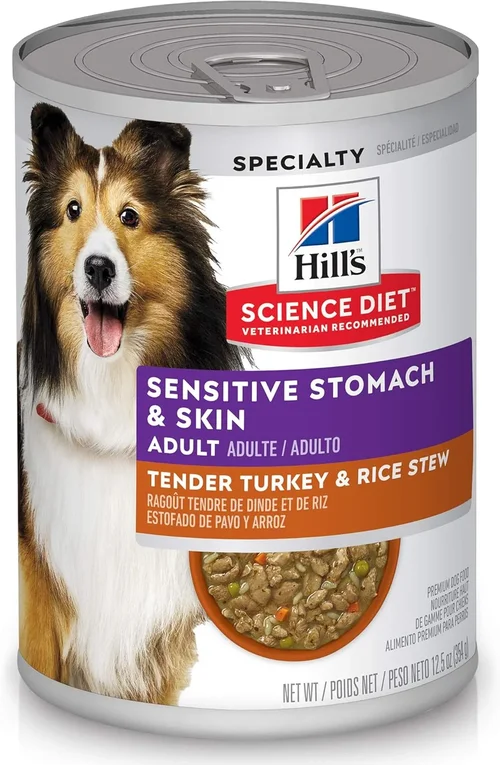
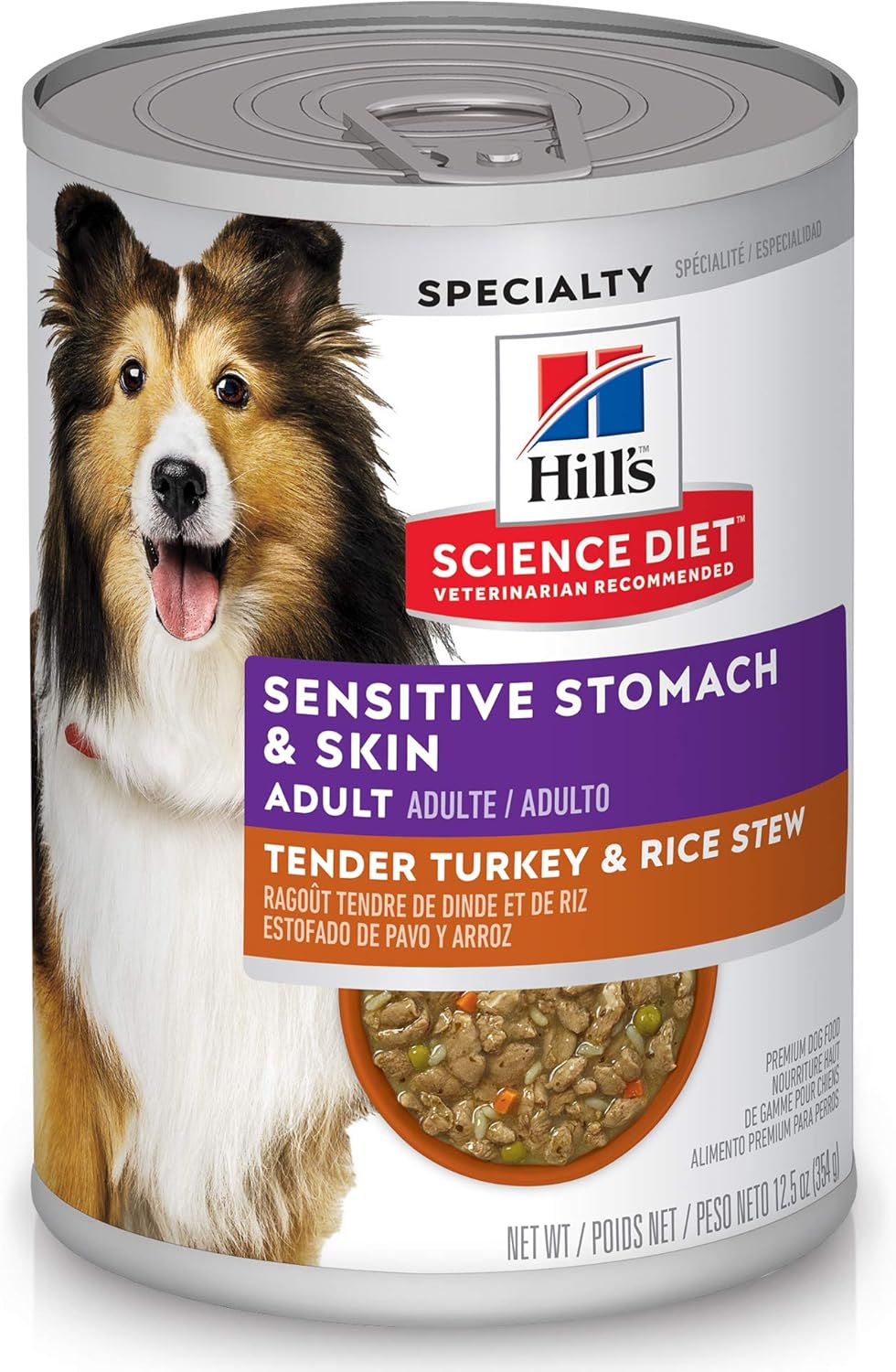
– Best Premium Option: Hill’s Science Diet Sensitive Stomach & Skin Wet Dog Food – Veterinarian-recommended with highly digestible ingredients, prebiotic fiber, and no artificial additives. Ideal for dogs with chronic digestive issues.
– Best for Beginners: Blue Buffalo Basics Limited Ingredient Diet Turkey & Potato – Simple ingredient list, gentle on the stomach, and widely available. A safe starting point for first-time sensitive stomach food users.
– Best for Advanced Users: Royal Canin Veterinary Diet Gastrointestinal Low Fat Canned Dog Food – Designed for dogs with severe pancreatitis or IBD. Contains hydrolyzed proteins and medium-chain triglycerides for optimal digestion. Requires a vet’s authorization.
Conclusion: Making the Right Choice
Choosing the best canned dog food for a sensitive stomach and gas isn’t about finding the most expensive or most heavily marketed option—it’s about understanding your dog’s unique digestive needs and matching them with a food that supports healing, comfort, and long-term health. From prioritizing high-quality proteins and limited ingredients to leveraging the benefits of probiotics and proper hydration, every decision you make contributes to your dog’s well-being.
Remember, no single food works for every dog. What helps one pup may not suit another. Be patient, observant, and willing to adjust. Keep a food journal, track symptoms, and don’t hesitate to involve your veterinarian when needed. With the right knowledge and a thoughtful approach, you can transform mealtime from a source of stress into a moment of joy and nourishment.
Your dog relies on you to make the best choices for their health. By using this guide as your roadmap, you’re not just buying food—you’re investing in a happier, healthier life for your furry friend. Start today, trust the process, and watch as your dog’s digestion—and overall vitality—improves with every bite.