
When it comes to raising a healthy, happy German Shepherd, few decisions are as impactful as choosing the right food. These intelligent, athletic, and loyal dogs have unique nutritional needs that evolve throughout their lives—from rambunctious puppies to mature adults and eventually senior companions. Unfortunately, the pet food market is flooded with options, many of which make bold claims but fall short on actual nutritional value. With so many brands, formulas, and price points available, it’s easy for even the most well-intentioned pet owners to feel overwhelmed.
This comprehensive buying guide is designed to cut through the noise and help you make an informed, confident decision about your German Shepherd’s diet in 2026. Whether you’re a first-time owner or a seasoned handler, you’ll learn exactly what to look for in high-quality dog food, how to avoid common pitfalls, and which products truly deliver on their promises. We’ll break down the science behind canine nutrition, explain how life stage, activity level, and health conditions affect dietary needs, and provide practical tips for transitioning your dog to a new food without digestive upset.
The dog food industry has seen significant advancements in recent years, with a growing emphasis on transparency, ingredient sourcing, and species-appropriate nutrition. Premium brands now offer grain-free, limited-ingredient, and even fresh or freeze-dried options tailored to large breeds like the German Shepherd. However, higher price tags don’t always equate to better quality. Our goal is to equip you with the knowledge to evaluate dog food like a pro—so you can choose a formula that supports your dog’s joint health, coat condition, energy levels, and overall longevity. By the end of this guide, you’ll know exactly what to prioritize, where to spend your money wisely, and how to keep your German Shepherd thriving at every stage of life.
What to Look for When Buying Buying Guide
1. Life Stage and Size-Specific Formulation
German Shepherds are classified as large breed dogs, and their nutritional requirements differ significantly from smaller breeds. Puppies, in particular, need a carefully balanced ratio of calcium to phosphorus to support proper bone development without accelerating growth too rapidly—a common cause of hip and elbow dysplasia. Look for foods labeled “Large Breed Puppy” or “All Life Stages” that meet AAFCO (Association of American Feed Control Officials) standards for growth or maintenance. Adult German Shepherds benefit from formulas that support lean muscle mass and joint health, while seniors may require lower-calorie diets with added joint supplements like glucosamine and chondroitin.
2. High-Quality Animal Protein as the First Ingredient
Protein is the cornerstone of a German Shepherd’s diet, supporting muscle development, immune function, and coat health. The first ingredient listed should always be a named animal protein source—such as deboned chicken, lamb, or salmon—not a by-product or vague term like “meat meal.” Aim for a minimum of 22–26% protein for adults and 26–30% for puppies. Whole meats are preferable to rendered meals, as they retain more natural nutrients and are easier to digest. Avoid formulas that rely heavily on plant-based proteins like corn gluten meal or soybean meal, which are less bioavailable for dogs.
3. Healthy Fats for Energy and Coat Condition
Fats provide concentrated energy and are essential for maintaining a shiny coat and healthy skin. Look for sources like chicken fat, salmon oil, or flaxseed, which are rich in omega-3 and omega-6 fatty acids. These fatty acids help reduce inflammation, support brain function, and improve skin barrier integrity. A fat content of 10–15% is ideal for most adult German Shepherds, though active or working dogs may benefit from slightly higher levels. Avoid foods with excessive amounts of low-quality fats or artificial preservatives like BHA or BHT.
4. Joint Support Ingredients
German Shepherds are genetically predisposed to joint issues such as hip dysplasia, elbow dysplasia, and arthritis. Therefore, joint-supporting ingredients should be a top priority. Glucosamine and chondroitin are commonly added to premium dog foods to promote cartilage health and mobility. Some formulas also include green-lipped mussel, MSM (methylsulfonylmethane), or turmeric for their natural anti-inflammatory properties. These ingredients are especially important for puppies during their rapid growth phase and for seniors experiencing stiffness or reduced activity.
5. Digestive Health and Probiotics
Large breed dogs like German Shepherds can be prone to bloat (gastric dilatation-volvulus), a life-threatening condition, as well as sensitive stomachs and food intolerances. Foods that include prebiotics (like chicory root or beet pulp) and probiotics (live beneficial bacteria) support a healthy gut microbiome and improve nutrient absorption. Look for formulas that mention “digestive enzymes” or “fermentable fibers” on the label. Additionally, avoid artificial colors, flavors, and fillers like corn, wheat, and soy, which can trigger allergies or digestive upset.
6. Grain Inclusion vs. Grain-Free: What’s Right for Your Dog?
The grain-free debate has been a hot topic in pet nutrition, but the truth is more nuanced. While some German Shepherds thrive on grain-free diets—especially those with grain sensitivities—others do perfectly well with whole grains like brown rice, oats, or barley, which provide fiber and sustained energy. The FDA has investigated a potential link between grain-free diets and dilated cardiomyopathy (DCM) in dogs, particularly when legumes like peas, lentils, or potatoes are used as primary carbohydrate sources. Unless your dog has a diagnosed grain allergy, a balanced diet with moderate grain inclusion is often the safest choice.
7. Brand Transparency and Manufacturing Standards
Not all dog food brands are created equal when it comes to sourcing, testing, and manufacturing. Reputable companies will provide detailed information about where their ingredients come from, whether their facilities are FDA-registered, and if they conduct regular nutritional analyses and safety testing. Look for brands that publish feeding trials, use human-grade ingredients, and are transparent about their supply chain. Avoid companies that use vague terms like “flavor” instead of “chicken” or “meat” and those that don’t list a guaranteed analysis on the packaging.
8. Price vs. Value: Understanding Cost Per Pound
While budget is a real concern for many pet owners, it’s important to evaluate dog food based on cost per pound and nutritional density rather than just the sticker price. A cheaper bag may require larger portions to meet your dog’s caloric needs, ultimately costing more in the long run. Premium foods often use higher-quality ingredients that are more digestible, meaning your dog absorbs more nutrients and produces less waste. Calculate the cost per day based on your dog’s weight and feeding guidelines to compare value across brands.
Different Types of Buying Guide

Common Buying Mistakes to Avoid

❌ Mistake: Choosing Based Solely on Marketing Claims
Why it’s bad: Phrases like “natural,” “holistic,” or “premium” are not regulated by the FDA or AAFCO and can be used freely by any brand. A bag may claim to be “grain-free” or “high-protein” but still contain low-quality ingredients or excessive fillers. Relying on packaging instead of the ingredient list can lead to feeding your dog a subpar diet.
What to do instead: Always read the ingredient list and guaranteed analysis. Look for named meat sources, avoid artificial additives, and verify AAFCO compliance for your dog’s life stage.
❌ Mistake: Overfeeding or Underfeeding
Why it’s bad: German Shepherds are prone to obesity, which exacerbates joint problems and shortens lifespan. Conversely, underfeeding can lead to malnutrition and low energy. Many owners misjudge portion sizes based on generic feeding charts that don’t account for individual metabolism, activity level, or body condition.
What to do instead: Use the feeding guidelines as a starting point, then adjust based on your dog’s body condition score (BCS). Aim for a waistline you can see from above and ribs you can feel but not see. Consult your vet for personalized recommendations.
❌ Mistake: Switching Foods Too Quickly
Why it’s bad: Sudden changes in diet can cause diarrhea, vomiting, or refusal to eat. German Shepherds often have sensitive digestive systems, and abrupt transitions disrupt gut flora.
What to do instead: Transition gradually over 7–10 days. Start by mixing 25% new food with 75% old food, increasing the ratio every 2–3 days until fully switched. Monitor stool consistency and appetite throughout.
❌ Mistake: Ignoring Food Allergies or Sensitivities
Why it’s bad: German Shepherds are prone to food allergies, often manifesting as chronic ear infections, itchy skin, or gastrointestinal issues. Continuing to feed an allergenic ingredient can lead to long-term health problems.
What to do instead: If you suspect an allergy, work with your vet to conduct an elimination diet. Try a limited-ingredient formula with a novel protein (like duck or venison) and single carbohydrate source. Avoid common allergens like chicken, beef, wheat, and soy unless confirmed safe.
❌ Mistake: Feeding Adult Food to Puppies (or Vice Versa)
Why it’s bad: Puppy food is formulated with higher protein, fat, and calories to support rapid growth, while adult food lacks the necessary nutrients for development. Feeding adult food to a puppy can stunt growth, while feeding puppy food to an adult can lead to obesity.
What to do instead: Use a large breed puppy formula until your German Shepherd reaches about 12–18 months of age. Transition to adult food gradually once growth slows.
❌ Mistake: Overlooking Expiration Dates and Storage
Why it’s bad: Rancid fats and spoiled ingredients can cause illness. Kibble left in humid conditions or opened bags stored improperly lose nutritional value and may grow mold.
What to do instead: Check expiration dates before purchasing. Store kibble in an airtight container in a cool, dry place. Use within 6 weeks of opening. For wet food, refrigerate leftovers and use within 3–5 days.
❌ Mistake: Assuming All “Premium” Brands Are Equal
Why it’s bad: The term “premium” is unregulated. Some brands charge high prices but use inferior ingredients or outsource manufacturing to facilities with poor quality control.
What to do instead: Research brands thoroughly. Look for companies that conduct feeding trials, publish ingredient sourcing details, and have a history of transparency. Read third-party reviews and consult veterinary nutritionists.
Budget Guidelines: How Much Should You Spend?
Entry-Level ($1.00–$2.00/lb): These foods often contain by-product meals, corn, wheat, and soy as primary ingredients. While they meet basic AAFCO standards, they may lack optimal nutrition for a high-energy breed like the German Shepherd. Best for short-term use or multi-dog households on a tight budget, but not ideal for long-term health.
Mid-Range ($2.00–$3.50/lb): This is the sweet spot for most German Shepherd owners. These formulas typically feature named meat proteins, limited fillers, and added supplements like glucosamine and probiotics. Brands in this range often undergo nutritional testing and offer life-stage-specific options. Expect good digestibility, moderate palatability, and solid ingredient quality.
Premium ($3.50–$6.00/lb): Premium foods use high-quality, often human-grade ingredients, with minimal processing and no artificial additives. You’ll find whole meats, healthy fats, and functional ingredients like omega-3s, antioxidants, and joint support compounds. These diets are ideal for active, working, or show dogs and those with sensitivities.
Luxury ($6.00+/lb): At this tier, you’re paying for convenience, innovation, and sourcing. Options include fresh refrigerated meals, custom-formulated diets, and raw or freeze-dried formulas with organic or ethically sourced ingredients. While not necessary for every dog, these can be excellent for picky eaters, dogs with complex health needs, or owners committed to a species-appropriate diet.
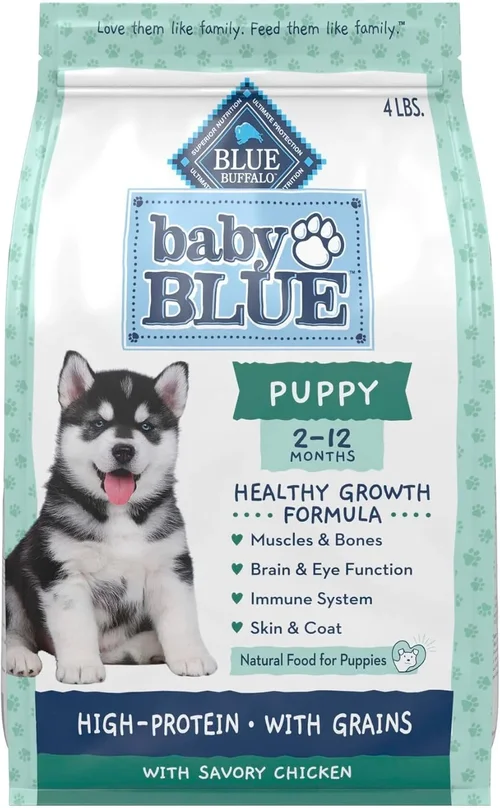
Expert Tips for Getting the Best Deal
– Buy in Bulk During Sales: Many retailers offer 20–30% off during seasonal promotions (e.g., Black Friday, end-of-summer clearance). Stock up on kibble during these periods, but only if you have proper storage.
– Subscribe and Save: Online retailers like Chewy, Amazon, and Petco offer subscription discounts (usually 5–15%) for recurring deliveries. This also ensures you never run out.
– Compare Unit Prices: Don’t be fooled by larger bag sizes. Always check the price per pound or ounce to compare value across brands and sizes.
– Look for Manufacturer Rebates: Some premium brands offer mail-in rebates or free samples through their websites. Sign up for newsletters to stay informed.
– Consider Store Brands with Vet Approval: Some pet stores (like Costco’s Kirkland Signature or Chewy’s Tylee’s) offer high-quality formulas at lower prices. Many are manufactured by the same facilities as premium brands.
– Ask Your Vet for Samples: Veterinarians often receive samples from reputable brands. Request a few to test your dog’s preference before committing to a full bag.
– Check Return Policies: If your dog refuses the food or has a reaction, you want to be able to return it. Most reputable retailers allow returns within 30–60 days.
– Rotate Proteins Occasionally: While consistency is key, rotating between two trusted brands or protein sources (e.g., chicken and lamb) can prevent sensitivities and keep mealtime interesting.

Frequently Asked Questions
Q: How much should I feed my German Shepherd?
A: Feeding amounts vary by age, weight, and activity level. As a general guideline, adult German Shepherds (50–90 lbs) require 3–5 cups of high-quality kibble daily, split into two meals. Puppies need 3–4 meals per day with larger portions relative to body size. Always follow the feeding chart on the bag as a starting point and adjust based on your dog’s body condition.
Q: Can I feed my German Shepherd a raw diet?
A: Yes, but it requires careful planning. Raw diets can provide excellent nutrition and improved coat and energy levels, but they carry risks of bacterial contamination (like Salmonella) and nutritional imbalances if not properly formulated. Consult a veterinary nutritionist to ensure the diet meets AAFCO standards. Many owners opt for commercially prepared raw or freeze-dried options for safety and convenience.
Q: Is grain-free food better for German Shepherds?
A: Not necessarily. While some dogs benefit from grain-free diets due to allergies, most German Shepherds tolerate grains well. The FDA has raised concerns about grain-free diets linked to DCM, especially when legumes are used as primary carbohydrates. Unless your dog has a diagnosed grain allergy, a balanced diet with whole grains is often safer and more sustainable.
Q: How often should I change my dog’s food?
A: There’s no need to change food unless your dog has a health issue, dietary intolerance, or you’re seeking improvement in coat, energy, or digestion. Frequent changes can upset the stomach. When switching, do so gradually over 7–10 days.
Q: What ingredients should I avoid in German Shepherd food?
A: Avoid artificial preservatives (BHA, BHT, ethoxyquin), fillers (corn, wheat, soy), by-product meals, vague meat “flavors,” and excessive carbohydrates. Also be cautious with diets high in peas, lentils, or potatoes unless formulated by a reputable brand with cardiac safety testing.
Q: Can I mix wet and dry food?
A: Absolutely. Many owners mix wet food into kibble to increase palatability, hydration, and flavor. This is especially helpful for picky eaters or dogs with dental issues. Just adjust portions to avoid overfeeding—wet food is more calorie-dense per volume.
Q: How do I know if my dog’s food is working?
A: Look for consistent energy levels, a shiny coat, firm stools, healthy weight, and good dental health. If your dog is itchy, gassy, has diarrhea, or seems lethargic, the food may not be suitable. Regular vet check-ups can also help assess overall health.
Q: Should I give my German Shepherd supplements?
A: If you’re feeding a high-quality, balanced diet, most dogs don’t need supplements. However, joint supplements like glucosamine, omega-3 fatty acids, or CBD oil may benefit active or aging dogs. Always consult your vet before adding supplements to avoid overdosing or interactions.
Q: What’s the best food for a German Shepherd puppy?
A: Choose a large breed puppy formula with 26–30% protein, 12–16% fat, and controlled calcium levels (1.2–1.8%). Look for DHA for brain development and probiotics for digestion. Avoid high-calorie diets that promote rapid growth.
Q: How long can I store opened dog food?
A: Dry kibble should be used within 6 weeks of opening if stored in an airtight container in a cool, dry place. Wet food must be refrigerated and used within 3–5 days. Freeze-dried and dehydrated foods have longer shelf lives but should still be used within the timeframe indicated on the package.
Our Final Recommendations
Best for Budget-Conscious Buyers: Purina Pro Plan Large Breed Adult – Offers excellent value with real chicken as the first ingredient, glucosamine for joints, and probiotics for digestion. Priced around $2.50/lb, it’s a reliable choice for owners seeking quality without the premium price tag.
Best Overall Value: Wellness CORE Grain-Free Large Breed – Features deboned turkey, chicken meal, and salmon oil, with added glucosamine, chondroitin, and taurine. Priced at $3.80/lb, it strikes a perfect balance between nutrition, palatability, and affordability.
Best Premium Option: Orijen Original Grain-Free – Biologically appropriate with 85% animal ingredients, including fresh regional meats and organs. High in protein (38%) and rich in omega-3s, it’s ideal for active or performance German Shepherds. At $6.50/lb, it’s an investment in long-term health.
Best for Beginners: Royal Canin German Shepherd Adult – Specifically formulated for the breed, this kibble supports digestion, skin health, and joint function. The shape and texture are designed for the German Shepherd’s jaw, promoting chewing and dental health. Priced at $4.20/lb, it’s a safe, vet-recommended choice.
Best for Advanced Users: The Farmer’s Dog Fresh Food – Customized, human-grade meals delivered fresh to your door. Each recipe is tailored to your dog’s age, weight, and activity level. While expensive ($12–$15/lb), it’s ideal for owners committed to a fresh, minimally processed diet with full transparency.
Conclusion: Making the Right Choice
Choosing the right food for your German Shepherd is one of the most important decisions you’ll make as a pet owner. It affects everything from their energy and coat to their joint health and lifespan. While the market offers endless options, the best diet is one that meets your dog’s individual needs—based on age, activity level, health status, and personal preferences. Prioritize high-quality animal protein, joint-supporting ingredients, and digestive health, and always read beyond the marketing claims.
Remember, the cheapest option isn’t always the most economical, and the most expensive isn’t always the best. Focus on value, transparency, and consistency. Rotate proteins occasionally, monitor your dog’s response, and consult your veterinarian regularly. With the knowledge from this guide, you’re now equipped to navigate the dog food aisle with confidence and choose a formula that keeps your German Shepherd strong, happy, and thriving for years to come.
Your dog depends on you for more than just love and walks—they rely on you to fuel their body with the nutrition they need to live their best life. Make every meal count.