
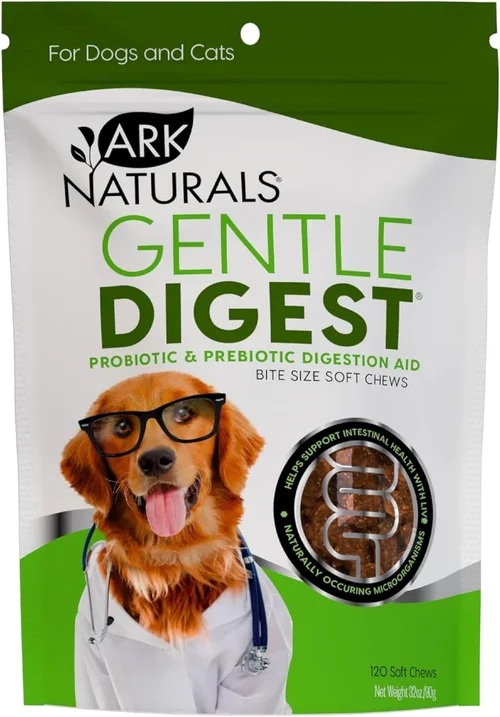
When your dog is diagnosed with pancreatitis, it’s natural to feel overwhelmed. This painful and potentially dangerous condition affects the pancreas—a vital organ responsible for producing digestive enzymes and regulating blood sugar. In dogs, pancreatitis often flares up due to dietary indiscretion (like eating fatty table scraps), obesity, certain medications, or underlying health issues. The good news? With proper management—especially through diet—many dogs can live comfortably and avoid future episodes.
Choosing the right commercial dog food becomes one of the most critical decisions you’ll make as a pet parent. Unlike general wellness diets, foods formulated for pancreatitis must meet very specific nutritional criteria: low fat, highly digestible proteins, moderate fiber, and minimal additives. The market is flooded with options, but not all “low-fat” or “sensitive stomach” labels are created equal. Some may still contain hidden fats or hard-to-digest ingredients that could trigger a flare-up. That’s why this guide exists—to cut through the noise and help you make an informed, confident choice based on science, veterinary guidance, and real-world results.
In this comprehensive buying guide, you’ll learn exactly what to look for in commercial dog food for pancreatitis, how to interpret ingredient lists like a pro, and which brands truly deliver on their promises. We’ll break down key factors such as fat content, protein sources, fiber types, and manufacturing standards. You’ll also discover common pitfalls to avoid, budget-friendly strategies, and expert-backed recommendations tailored to different needs—from senior dogs to active breeds. Whether you’re managing acute pancreatitis or preventing recurrence, this guide will equip you with the knowledge to support your dog’s long-term digestive health.
The commercial pet food industry has responded to growing awareness of canine pancreatitis with a wave of specialized formulas. From prescription veterinary diets to over-the-counter therapeutic blends, options abound—but quality varies widely. Some brands prioritize palatability over nutritional precision, while others use vague terms like “digestive support” without substantiating claims. Our goal is to help you navigate this complex landscape with clarity and confidence. By the end of this article, you’ll know how to evaluate labels, compare brands, and select a diet that aligns with your dog’s unique needs and your household’s budget.

What to Look for When Buying Buying Guide
1. Low Fat Content (Under 12% on a dry matter basis)
Fat is the primary dietary trigger for pancreatitis in dogs. When the pancreas is inflamed, it struggles to process even moderate amounts of fat, which can worsen symptoms like vomiting, abdominal pain, and lethargy. Therefore, the single most important factor in selecting dog food for pancreatitis is fat content. Look for formulas with less than 12% fat on a dry matter basis (DMB)—ideally between 8% and 10%. To calculate DMB, subtract the moisture percentage from 100 and divide the fat percentage by that number. For example, a kibble with 10% fat and 10% moisture has a DMB fat content of 11.1% (10 ÷ 90 × 100). Avoid foods listing animal fat, poultry by-product fat, or unspecified “meat fats” in the top ingredients.
2. Highly Digestible Protein Sources
Dogs with pancreatitis need high-quality, easily digestible protein to maintain muscle mass without overworking the digestive system. Look for named animal proteins like chicken, turkey, lamb, or whitefish listed first—and avoid vague terms like “meat meal” or “animal digest.” Novel proteins (e.g., duck, venison, or rabbit) may be beneficial if your dog has concurrent food sensitivities. However, during an acute episode, stick to simple, familiar proteins your dog has tolerated before. Hydrolyzed proteins—where proteins are broken down into smaller peptides—are especially gentle and are often used in veterinary therapeutic diets.
3. Moderate, Soluble Fiber
Fiber plays a dual role in pancreatitis management. Too little can lead to poor gut motility; too much insoluble fiber (like beet pulp or cellulose) may irritate an already sensitive digestive tract. Instead, opt for moderate levels of soluble fiber such as pumpkin, psyllium husk, or oat bran. These fibers help regulate bowel movements, support beneficial gut bacteria, and slow gastric emptying—reducing the workload on the pancreas. Aim for total dietary fiber between 3% and 6% DMB. Avoid high-fiber “weight management” formulas, which often exceed safe thresholds for pancreatitis-prone dogs.
4. Limited Ingredients & No Artificial Additives
Simplicity is key when managing pancreatitis. The fewer ingredients, the lower the risk of triggering an adverse reaction. Choose formulas with short, recognizable ingredient lists—ideally under 20 items. Steer clear of artificial colors, flavors, preservatives (like BHA, BHT, or ethoxyquin), and excessive fillers (corn, wheat, soy). While some dogs tolerate grains, many benefit from grain-free or limited-ingredient diets that reduce overall antigen load. Natural preservatives like mixed tocopherols (vitamin E) and rosemary extract are safer alternatives.
5. Appropriate Carbohydrate Sources
Carbohydrates provide energy without stimulating pancreatic enzyme secretion as much as fats do. However, not all carbs are equal. Easily digestible, low-glycemic options like sweet potatoes, white rice, or oatmeal are ideal. Avoid high-starch ingredients such as corn, potatoes (in large quantities), or tapioca, which can spike blood sugar and increase fermentation in the gut. Cooked, simple carbs are preferable during recovery, while more complex starches may be reintroduced gradually in maintenance diets.
6. Veterinary Formulation & AAFCO Compliance
Not all commercial dog foods are held to the same standards. Look for products that meet AAFCO (Association of American Feed Control Officials) nutrient profiles for your dog’s life stage (adult maintenance, growth, etc.). Even better, choose formulas developed with veterinary nutritionists or labeled as “therapeutic” or “prescription” diets. These undergo rigorous testing for digestibility, nutrient balance, and safety. While prescription diets require a vet’s authorization, many over-the-counter options now replicate their efficacy—just verify they’re backed by scientific research, not just marketing.
7. Palatability Without Compromise
A dog won’t eat what it doesn’t like—and poor intake can delay recovery. However, many “tasty” low-fat foods compensate with sugar, salt, or flavor enhancers that aren’t pancreatitis-friendly. Instead, look for natural palatants like dried chicken liver, yeast extract, or broth made from lean meats. Avoid foods with added sugars (molasses, corn syrup) or excessive sodium. If your dog is a picky eater, consider warming the food slightly or adding a small amount of low-sodium, fat-free broth to enhance aroma without compromising safety.
8. Brand Transparency & Manufacturing Practices
Trust matters when your dog’s health is on the line. Reputable brands disclose their sourcing practices, manufacturing locations, and quality control measures. Look for companies that perform regular third-party testing, publish ingredient traceability reports, and have a history of recalls (or better yet, none). Avoid brands that outsource production to unknown facilities or use “mystery meat” sources. Transparency builds confidence—and in pancreatitis management, confidence translates to consistency, which is crucial for long-term success.
Different Types of Buying Guide

Common Buying Mistakes to Avoid

❌ Mistake: Assuming All “Low-Fat” Labels Are Equal
Why it’s bad: Many mainstream “low-fat” dog foods still contain 12–15% fat DMB—too high for pancreatitis management. Others use misleading terms like “lean” without disclosing actual fat content. Feeding these can trigger flare-ups even if symptoms aren’t immediate.
What to do instead: Always calculate dry matter fat percentage using the guaranteed analysis. Stick to brands that explicitly state “formulated for pancreatitis” or list fat under 12% DMB.
❌ Mistake: Switching Foods Too Quickly
Why it’s bad: Sudden diet changes can disrupt gut flora and worsen digestive upset—even with appropriate foods. Dogs recovering from pancreatitis have sensitive systems that need gradual transitions.
What to do instead: Transition over 7–10 days, mixing increasing amounts of new food with the old. During acute episodes, consult your vet about fasting or liquid diets before reintroducing solid food.
❌ Mistake: Ignoring Treats and Table Scraps
Why it’s bad: Even small amounts of high-fat treats (cheese, bacon, peanut butter) can provoke pancreatitis. Many commercial dog treats exceed safe fat limits.
What to do instead: Use low-fat, vet-approved treats like freeze-dried liver (in moderation), green beans, or specially formulated pancreatitis-safe chews. Keep a treat journal to track what’s safe.
❌ Mistake: Overlooking Hydration and Feeding Schedule
Why it’s bad: Dehydration exacerbates pancreatitis, and large meals increase pancreatic workload. Free-feeding or one large daily meal is risky.
What to do instead: Feed small, frequent meals (3–4 times daily) and ensure constant access to fresh water. Consider adding water or low-sodium broth to dry food to boost hydration.
❌ Mistake: Relying Solely on Online Reviews
Why it’s bad: While helpful, reviews can be biased or based on anecdotal experiences. A food that worked for one dog may not suit another due to individual sensitivities.
What to do instead: Cross-reference reviews with veterinary recommendations, ingredient analysis, and your dog’s specific needs. When in doubt, ask your vet for a shortlist.
❌ Mistake: Neglecting Regular Vet Check-Ups
Why it’s bad: Pancreatitis can mask or coexist with other conditions (diabetes, IBD, Cushing’s). Diet alone isn’t enough without monitoring.
What to do instead: Schedule biannual check-ups, including bloodwork (like cPLI tests) to assess pancreatic health. Adjust diet based on vet guidance, not just symptom observation.
Budget Guidelines: How Much Should You Spend?
Entry-Level ($1.50–$2.20 per lb): At this price point, options are limited but not impossible. Look for store-brand therapeutic lines (like Hill’s Science Diet Perfect Weight or Purina Pro Plan Sensitive Skin & Stomach) that meet basic low-fat criteria. These may use more fillers or less premium proteins, but they’re often AAFCO-compliant and vet-recommended. Ideal for short-term use or dogs with very mild, infrequent episodes.
Mid-Range ($2.20–$3.20 per lb): This is the sweet spot for most dog owners managing pancreatitis. Brands like Royal Canin Gastrointestinal Low Fat, Blue Buffalo Natural Veterinary Diet GI, and Wellness CORE Grain-Free Reduced Fat offer excellent balance between cost, quality, and digestibility. You’ll find named proteins, moderate fiber, and transparent sourcing—without prescription markups.
Premium ($3.20–$4.50 per lb): For dogs with recurrent pancreatitis or complex health needs, premium diets provide peace of mind. These include hydrolyzed protein formulas (like Royal Canin Ultamino), novel protein blends (such as Zignature Kangaroo Formula), or human-grade options (like The Honest Kitchen Dehydrated Low-Fat). Expect minimal processing, organic ingredients, and rigorous testing.
Luxury ($4.50+ per lb): Reserved for specialized cases or owners prioritizing top-tier nutrition. Think fresh, refrigerated meals (e.g., Nom Nom’s Low-Fat Recipe) or custom-formulated diets from boutique brands. While expensive, these offer maximum control over ingredients and are ideal for dogs who refuse kibble or have multiple dietary restrictions.
Expert Tips for Getting the Best Deal
– Time your purchases: Major pet retailers often run “Buy 2, Get 1 Free” promotions on therapeutic foods in early January (post-holiday reset) and late summer. Sign up for email alerts from Chewy, Petco, or your local vet clinic.
– Compare online vs. in-store: Online retailers typically offer lower prices and auto-ship discounts (5–10% off), but factor in shipping costs. Local pet stores may price-match—always ask.
– Ask for samples: Many brands provide free samples through vet offices or their websites. Test a small amount before committing to a full bag, especially if your dog is a picky eater.
– Check return policies: Ensure the retailer accepts returns for unopened bags. Some vets will exchange unused prescription food if your dog doesn’t tolerate it.
– Leverage vet relationships: Vets often receive manufacturer rebates or coupons for clients. Don’t hesitate to ask—they want your dog to thrive and appreciate informed owners.
– Monitor your dog’s response: Keep a food diary noting energy levels, stool quality, and appetite. If symptoms improve within 2–4 weeks, you’ve likely found a winner. If not, revisit the ingredient list or consult your vet.
– Consider homemade as a supplement: While not a replacement for balanced commercial diets, adding cooked lean meat (boiled chicken) or pureed pumpkin can boost palatability during recovery—just keep portions small and fat-free.
Frequently Asked Questions
Q: Can I feed my dog regular dog food once pancreatitis is under control?
A: It’s not recommended. Pancreatitis has a high recurrence rate—up to 50% in some studies. Continuing a low-fat, easily digestible diet long-term significantly reduces risk. Think of it as a lifelong management strategy, not a temporary fix.
Q: Are grain-free diets better for pancreatitis?
A: Not necessarily. While some dogs benefit from grain-free options due to sensitivities, grains like rice or oats are actually gentle on the pancreas. The key is low fat and high digestibility—not grain content. Choose based on your dog’s individual tolerance.
Q: How long does it take to see improvement on a new diet?
A: Most dogs show reduced vomiting and increased appetite within 3–5 days. Full stabilization (normal stools, energy) may take 2–4 weeks. If no improvement occurs, reassess ingredients or consult your vet for further testing.
Q: Can puppies or senior dogs eat pancreatitis-friendly food?
A: Yes—but ensure the formula meets their life stage requirements. Puppies need higher protein and calories; seniors may require joint support or lower phosphorus. Look for AAFCO statements specifying “growth,” “adult maintenance,” or “all life stages.”
Q: Is wet food better than dry for pancreatitis?
A: Wet food has higher moisture content, which aids hydration—a plus during recovery. However, many low-fat wet options exist (e.g., Hill’s Prescription Diet i/d Low Fat). Choose based on your dog’s preference and dental needs. Dry kibble can be soaked in water or broth to increase moisture.
Q: What if my dog refuses to eat the new food?
A: Try warming it slightly, mixing in a teaspoon of low-sodium chicken broth, or hand-feeding small amounts. Avoid high-fat “toppers” like cheese or butter. If refusal persists beyond 24–48 hours, contact your vet—it could signal ongoing discomfort or a need for appetite stimulants.
Q: Are there natural remedies that can replace prescription diets?
A: No. While supplements like probiotics or digestive enzymes may support gut health, they cannot replace a properly formulated low-fat diet. Natural remedies should complement—not substitute—veterinary guidance.
Q: How often should I feed my dog with pancreatitis?
A: Divide daily portions into 3–4 small meals to reduce pancreatic strain. Avoid free-feeding or one large meal per day, which can trigger enzyme overproduction.
Our Final Recommendations
Best for Budget-Conscious Buyers: Purina Pro Plan Sensitive Skin & Stomach Salmon & Rice Formula
At under $2.00 per lb, this OTC option delivers 9% fat DMB, highly digestible salmon, and prebiotic fiber—all without a prescription. Ideal for mild cases or prevention.
Best Overall Value: Royal Canin Gastrointestinal Low Fat Dry Dog Food
A vet-trusted formula with 8.5% fat, hydrolyzed soy protein, and beet pulp for gentle digestion. Priced around $2.80 per lb, it bridges the gap between affordability and clinical efficacy.
Best Premium Option: The Honest Kitchen Human-Grade Dehydrated Low-Fat Chicken Recipe
Made with whole foods, no fillers, and just 7% fat, this human-grade option offers maximum transparency and palatability. Perfect for owners willing to invest in top-tier nutrition ($4.20 per lb).
Best for Beginners: Hill’s Science Diet Perfect Weight Adult Dry Dog Food
Simple, widely available, and formulated with 10% fat and L-carnitine for metabolic support. Great for owners new to pancreatitis management who want a reliable, no-fuss solution.
Best for Advanced Users: Nom Nom Fresh Dog Food – Low-Fat Recipe
Custom-portioned, freshly prepared meals with precise macronutrient control. Delivered refrigerated, this service allows exact dietary adjustments based on your dog’s response—ideal for complex or recurrent cases.
Conclusion: Making the Right Choice
Managing your dog’s pancreatitis through diet isn’t just about avoiding fat—it’s about creating a sustainable, science-backed nutrition plan that supports healing, prevents relapse, and enhances quality of life. Throughout this guide, we’ve emphasized the importance of low fat content, digestible proteins, ingredient transparency, and veterinary collaboration. These aren’t just guidelines; they’re pillars of long-term pancreatic health.
Remember, every dog is unique. What works for one may not suit another. Prioritize your dog’s individual needs—whether that’s budget constraints, ingredient sensitivities, or lifestyle factors—and don’t hesitate to seek professional advice. Your veterinarian is your greatest ally in this journey, offering personalized recommendations based on bloodwork, history, and clinical experience.
Finally, be patient. Recovery from pancreatitis takes time, and dietary adjustments may require trial and error. Celebrate small victories—a normal stool, a wagging tail, a full meal eaten eagerly. These signs tell you you’re on the right track. With the right food, consistent care, and love, your dog can thrive despite pancreatitis.
Now that you’re equipped with expert knowledge, take the next step: review your current dog food label, compare it against our criteria, and make a plan. Whether you choose a prescription diet, an over-the-counter therapeutic blend, or a premium fresh option, your informed decision today can prevent pain tomorrow. Your dog deserves nothing less.