

Not all dogs are equally food motivated—some respond better to play, praise, or affection. Understanding your dog’s individual preferences is key to effective training and bonding. This article explores why food motivation varies and how to adapt your approach.
Key Takeaways
- Food motivation varies widely among dogs: While many dogs love treats, some are more driven by play, praise, or social interaction.
- Breed and genetics play a role: Herding and working breeds often have higher food drive, while scent hounds may be more independent.
- Age and health affect motivation: Puppies and young dogs are usually more food-motivated, while older or ill dogs may lose interest.
- Environment and routine matter: A dog’s daily schedule, stress levels, and feeding habits influence their responsiveness to food rewards.
- Alternative motivators can be just as effective: Toys, games, and verbal praise work well for dogs with low food drive.
- Training success depends on personalization: Tailoring your approach to your dog’s preferences leads to better results and a stronger bond.
- You can build food motivation over time: With patience and consistency, even reluctant dogs can learn to enjoy treat-based training.
📑 Table of Contents
- Are All Dogs Food Motivated? The Truth Behind Canine Drive
- Why Food Motivation Matters in Dog Training
- The Science Behind Food Motivation in Dogs
- Breed Differences and Food Motivation
- Alternative Motivators for Non-Food-Driven Dogs
- How to Build Food Motivation in Reluctant Dogs
- Conclusion: Understanding Your Dog’s Unique Motivation
Are All Dogs Food Motivated? The Truth Behind Canine Drive
When it comes to training dogs, one of the most common assumptions is that food is the ultimate motivator. Walk into any dog training class, and you’ll likely see treats flying—tiny morsels of chicken, cheese, or store-bought training bites used to reward good behavior. It’s a tried-and-true method, and for good reason: many dogs absolutely love food. But here’s the real question—are all dogs food motivated?
The short answer? No. While food is a powerful tool for most canines, it’s not the universal key to every dog’s heart (or brain). Just like people, dogs have unique personalities, preferences, and levels of motivation. Some dogs will do backflips for a piece of hot dog, while others might glance at a treat and walk away, more interested in sniffing a tree or chasing a squirrel.
Understanding whether your dog is food motivated—and to what degree—can make a huge difference in how you train, communicate, and connect with them. It’s not about labeling a dog as “good” or “bad” at responding to treats. It’s about recognizing their individuality and adjusting your approach accordingly. In this article, we’ll dive deep into the world of canine motivation, explore why some dogs aren’t food-driven, and offer practical strategies for working with dogs of all motivation types.
Whether you’re a new dog owner trying to teach basic commands or a seasoned trainer looking to refine your methods, this guide will help you understand the nuances of dog motivation. We’ll cover the science behind food drive, the role of breed and personality, and how to use alternative rewards effectively. By the end, you’ll have a clearer picture of what truly motivates your dog—and how to use that knowledge to build a happier, more responsive companion.
Why Food Motivation Matters in Dog Training
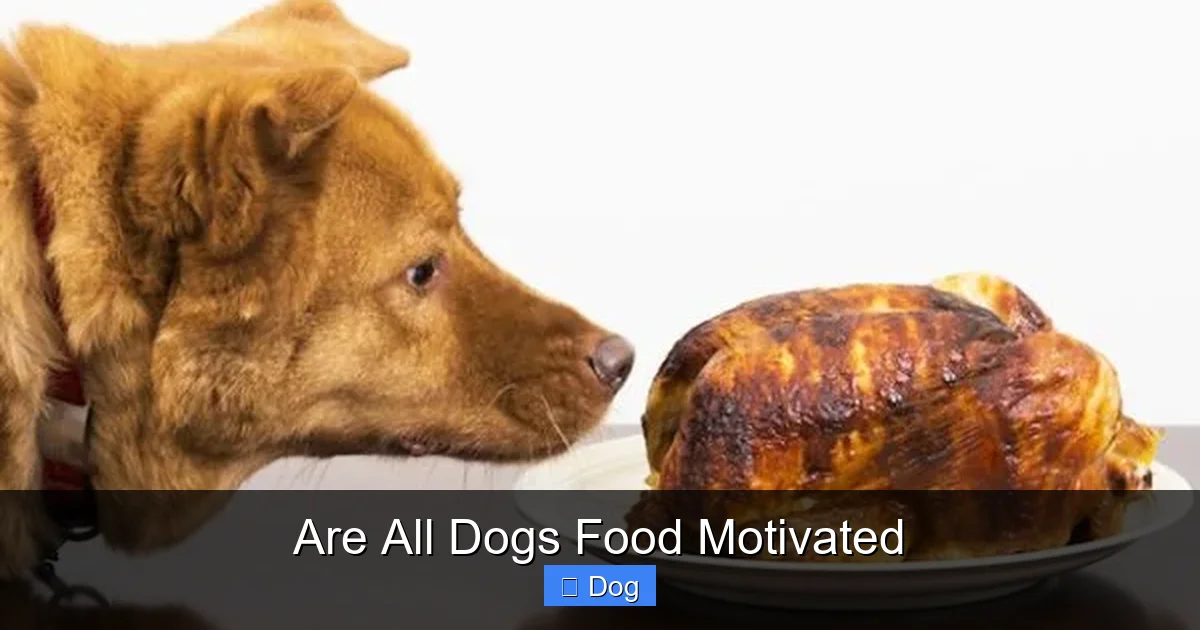
Visual guide about Are All Dogs Food Motivated
Image source: dogster.com
Food motivation is one of the most effective tools in dog training because it taps into a dog’s basic instincts. Dogs are natural scavengers and opportunistic eaters. In the wild, their survival depended on finding and consuming food efficiently. That instinct hasn’t disappeared—it’s just been redirected into our homes, where kibble bowls and treat jars fulfill that need.
When a dog is food motivated, they’re more likely to focus, learn quickly, and repeat desired behaviors. For example, if you’re teaching your dog to sit, offering a small treat immediately after they perform the action reinforces the behavior. Over time, the dog associates sitting with a positive outcome, making them more likely to do it again.
But why does this work so well for some dogs and not others? The answer lies in a combination of biology, environment, and individual temperament. Dogs with high food motivation often have a strong drive to work for rewards. They’re eager to please, quick to learn, and responsive to positive reinforcement. These dogs thrive in training environments and often excel in obedience, agility, or trick training.
On the flip side, dogs with low food motivation may seem “stubborn” or “untrainable” to inexperienced owners. But that’s usually not the case. They’re simply motivated by something else—play, attention, freedom, or even just the chance to explore their surroundings. For these dogs, a treat might not be enough to capture their interest or hold their focus.
Understanding your dog’s level of food motivation helps you choose the right training methods. If your dog loves food, you can use treats to shape complex behaviors, build impulse control, and strengthen your bond. If your dog isn’t food motivated, you’ll need to get creative—using toys, games, or social rewards instead.
The key is to meet your dog where they are. Training isn’t one-size-fits-all. What works for a Border Collie obsessed with cheese might not work for a laid-back Basset Hound who’d rather nap than eat. By identifying your dog’s primary motivators, you can design a training plan that’s both effective and enjoyable for both of you.
The Science Behind Food Motivation in Dogs
To truly understand why some dogs are more food motivated than others, it helps to look at the science behind it. At the core of food motivation is the brain’s reward system—specifically, the release of dopamine, a neurotransmitter associated with pleasure and motivation.
When a dog eats something tasty, dopamine floods their brain, creating a sense of satisfaction and reward. This chemical response reinforces the behavior that led to the treat, making the dog more likely to repeat it. Over time, this process helps dogs learn new commands, habits, and routines.
But not all dogs experience this dopamine rush in the same way. Genetics play a significant role. Some breeds have been selectively bred for traits like focus, drive, and responsiveness to rewards—traits that often correlate with high food motivation. For example, Labrador Retrievers, German Shepherds, and Poodles are known for their eagerness to work for food, making them popular choices for service, detection, and performance roles.
Other breeds, like Beagles, Dachshunds, and Afghan Hounds, were bred for independence and scent-driven tasks. These dogs may be more motivated by the thrill of the hunt or the satisfaction of solving a puzzle than by a simple treat. Their brains are wired to prioritize exploration and problem-solving over food rewards.
Age and health also influence food motivation. Puppies, with their high energy and rapid learning, are often very food motivated. They’re curious, eager to please, and respond well to positive reinforcement. As dogs age, their metabolism slows, and their interest in food may decline. Senior dogs, especially those with dental issues or medical conditions, might eat less or show less enthusiasm for treats.
Stress and environment are other critical factors. A dog that’s anxious, overstimulated, or in an unfamiliar setting may lose interest in food—even if they’re usually treat-obsessed. Think of it like this: if you’re nervous before a big presentation, you might not feel like eating, even if your favorite meal is right in front of you. Dogs experience similar emotional responses.
Finally, routine and feeding schedule matter. Dogs that are fed on a consistent schedule and not overfed are more likely to be food motivated during training. If a dog is full or eats free-choice kibble all day, they may not see a small training treat as worth the effort. Timing and portion control are essential for maintaining motivation.
Breed Differences and Food Motivation
One of the most fascinating aspects of food motivation is how it varies across breeds. While individual personality always plays a role, certain breeds tend to have higher or lower food drive based on their history and breeding purpose.
High Food Motivation Breeds
Dogs bred for work, herding, or assistance often have strong food motivation. These breeds were selected for their ability to focus, learn quickly, and respond to rewards—traits that make food an effective training tool.
– Labrador Retrievers: Known for their love of food, Labs are often called “food vacuums” because they’ll eat just about anything. This makes them highly responsive to treat-based training.
– German Shepherds: Intelligent and driven, German Shepherds thrive on structure and rewards. They’re commonly used in police and military work, where food and praise are key motivators.
– Border Collies: These herding dogs are incredibly smart and energetic. They often work for hours with minimal rest, fueled by the desire to please and earn rewards.
– Poodles: Whether Standard, Miniature, or Toy, Poodles are quick learners with a strong work ethic. They respond well to food rewards in obedience and agility training.
These breeds typically excel in training environments where food is used as a reinforcement tool. They’re eager to learn, focused, and motivated by the chance to earn a tasty prize.
Low Food Motivation Breeds
On the other end of the spectrum are breeds that are more independent, scent-driven, or bred for endurance rather than obedience. These dogs may not be as interested in food rewards.
– Beagles: Bred to follow scents for hours, Beagles are often more motivated by smells than by treats. They may ignore a piece of chicken if there’s a rabbit trail nearby.
– Dachshunds: Originally bred to hunt badgers, Dachshunds are tenacious and independent. They can be stubborn and may not respond well to food-based training alone.
– Greyhounds: These sighthounds are built for speed, not obedience. Many Greyhounds are calm and low-energy indoors and may not see the point of working for a treat.
– Shiba Inus: Known for their cat-like independence, Shibas often have low food motivation and prefer to do things on their own terms.
These breeds aren’t “stubborn” or “bad” at training—they’re just motivated by different things. For Beagles, a scent game might be more rewarding than a treat. For Shibas, a game of chase or a favorite toy could be the key to engagement.
Mixed Breeds and Individual Variation
Of course, not all dogs fit neatly into breed categories. Mixed-breed dogs can inherit traits from multiple lineages, making their motivation levels unpredictable. A Lab-Beagle mix, for example, might have high food drive from the Lab side but be easily distracted by smells from the Beagle side.
Even within the same breed, individual dogs can vary widely. Two Golden Retrievers from the same litter might have completely different responses to treats—one might be treat-obsessed, while the other prefers a game of fetch.
The takeaway? Don’t assume your dog’s motivation level based solely on breed. Observe their behavior, test different rewards, and adjust your training approach accordingly.
Alternative Motivators for Non-Food-Driven Dogs
If your dog isn’t food motivated, don’t despair. There are plenty of other ways to motivate and train them effectively. The key is to identify what truly excites your dog and use that as a reward.
Play and Toys
For many dogs, play is the ultimate motivator. A favorite toy—whether it’s a squeaky ball, a tug rope, or a flirt pole—can be just as rewarding as a treat.
– Example: If you’re teaching your dog to come when called, use a toy they love. Call their name, and when they come, reward them with a few seconds of play. Over time, they’ll associate coming to you with fun and excitement.
– Tip: Rotate toys to keep them novel and exciting. A toy that’s been sitting in the toy box for weeks won’t hold the same appeal.
Praise and Affection
Some dogs are highly social and motivated by human interaction. Verbal praise, petting, or a cheerful “Good boy!” can be incredibly rewarding.
– Example: When your dog sits on command, shower them with enthusiastic praise and a belly rub. The attention itself becomes the reward.
– Tip: Use a happy, high-pitched tone to convey excitement. Dogs respond to the emotion in your voice.
Freedom and Exploration
For independent or scent-driven dogs, the chance to explore or sniff can be a powerful motivator.
– Example: Allow your dog 10 minutes of free sniffing in the park as a reward for walking calmly on leash. The freedom to explore reinforces good behavior.
– Tip: Use “sniffari” walks—slow, scent-focused walks—as a training reward. This is especially effective for Beagles, Bloodhounds, and other scent hounds.
Life Rewards
Sometimes, the best reward is access to something your dog naturally wants—like going outside, greeting a friend, or getting their dinner.
– Example: Ask your dog to sit before opening the door to go outside. The act of going out becomes the reward.
– Tip: Use life rewards strategically. They’re especially useful for teaching impulse control and polite behavior.
By experimenting with different motivators, you’ll discover what truly drives your dog. The goal is to make training feel like a game, not a chore.
How to Build Food Motivation in Reluctant Dogs
If your dog isn’t naturally food motivated, you can often build that drive over time with patience and consistency. Here’s how:
Use High-Value Treats
Not all treats are created equal. If your dog isn’t interested in kibble or generic training treats, try something more enticing.
– Examples: Small pieces of cooked chicken, cheese, hot dog, or freeze-dried liver.
– Tip: Warm the treat slightly to enhance the smell. Dogs have a strong sense of smell, and aroma can make a big difference.
Train Before Meals
Hunger increases food motivation. Train your dog right before their regular meal when they’re most likely to be interested in food.
– Example: If your dog eats at 6 PM, do a 10-minute training session at 5:50 PM. They’ll be more focused and eager to earn a treat.
Keep Sessions Short and Fun
Long training sessions can lead to boredom or frustration. Keep it short—5 to 10 minutes—and end on a positive note.
– Tip: Use a clicker to mark correct behaviors instantly. This helps your dog understand exactly what they’re being rewarded for.
Gradually Increase Difficulty
Start with simple commands and easy rewards. As your dog becomes more engaged, gradually increase the challenge.
– Example: Begin with “sit” and reward every time. Once they’re consistent, add distractions or ask for longer holds before rewarding.
Be Patient and Consistent
Building food motivation takes time. Some dogs may never become treat-obsessed, and that’s okay. The goal is progress, not perfection.
Remember, every dog is different. What works for one may not work for another. Stay flexible, stay positive, and celebrate small wins.
Conclusion: Understanding Your Dog’s Unique Motivation
So, are all dogs food motivated? The answer is a resounding no—but that doesn’t mean they can’t be trained effectively. Food is a powerful tool, but it’s not the only one. Every dog has their own set of motivators, shaped by breed, personality, age, and environment.
The most successful dog owners are those who take the time to understand their dog’s individual needs and preferences. Whether your dog lives for treats, thrives on play, or is driven by the chance to explore, there’s a training method that will work for them.
The key is to stay observant, stay flexible, and stay patient. Pay attention to what excites your dog, what calms them, and what makes them want to engage. Use that knowledge to build a training plan that’s tailored to their unique personality.
Training isn’t just about teaching commands—it’s about building a relationship. When you train with your dog’s motivation in mind, you’re not just teaching them new skills. You’re strengthening your bond, boosting their confidence, and creating a happier, more fulfilled companion.
So the next time you reach for a treat, ask yourself: Is this really what my dog wants? Or is there something else that would make them even more excited to learn? The answer might surprise you—and it could change the way you train forever.
Frequently Asked Questions
Are all dogs food motivated?
No, not all dogs are equally food motivated. While many dogs respond well to treats, others are more driven by play, praise, or exploration. Individual personality, breed, and environment all play a role.
What can I do if my dog isn’t interested in treats?
Try using alternative motivators like toys, games, verbal praise, or access to something they want, such as going outside. Experiment to find what truly excites your dog.
Can I increase my dog’s food motivation?
Yes, you can build food motivation by using high-value treats, training before meals, keeping sessions short, and being consistent. Patience and positive reinforcement are key.
Do certain breeds have higher food motivation?
Yes, breeds like Labradors, German Shepherds, and Border Collies tend to have high food drive. Breeds like Beagles and Shiba Inus may be less food motivated and more independent.
Is it bad if my dog isn’t food motivated?
Not at all. Low food motivation doesn’t mean your dog is untrainable. It just means you’ll need to use different rewards, such as play or affection, to keep them engaged.
How do I know what motivates my dog?
Observe your dog’s behavior during training and play. Try different rewards—treats, toys, praise—and see which ones get the best response. Keep a training journal to track what works.