

Not all Purina dog foods are bad—many meet nutritional standards and support healthy dogs. While some formulas have faced criticism over ingredients and recalls, others are vet-recommended and AAFCO-approved. The key is choosing the right line for your dog’s needs.
Key Takeaways
- Purina offers a wide range of dog food lines: From budget-friendly to premium, each targets different needs like weight management, sensitive stomachs, or active lifestyles.
- Not all formulas are created equal: Some contain by-products and fillers, while others use high-quality proteins and whole grains.
- AAFCO and veterinary backing add credibility: Many Purina products meet AAFCO nutrient profiles and are developed with input from veterinarians and nutritionists.
- Recalls have occurred, but they’re not unique to Purina: Like other major brands, Purina has had recalls, but they’ve responded transparently and improved safety protocols.
- Ingredient quality varies by product line: Higher-end lines like Purina Pro Plan often use better ingredients than basic dry kibble.
- Your dog’s individual needs matter most: A food that works for one dog might not suit another—consider age, breed, activity level, and health conditions.
- Reading labels and doing research helps: Look for named meat sources, limited fillers, and avoid artificial additives when possible.
📑 Table of Contents
- Are All Purina Dog Foods Bad? A Balanced Look at the Brand
- Understanding Purina: A Legacy in Pet Nutrition
- Breaking Down Purina’s Product Lines: Quality Varies
- Ingredient Analysis: What’s Really in Purina Dog Food?
- Recalls and Safety: How Does Purina Compare?
- Purina vs. Competitors: How Does It Stack Up?
- Making the Right Choice for Your Dog
- Final Thoughts: Purina Is Not the Enemy
Are All Purina Dog Foods Bad? A Balanced Look at the Brand
When it comes to choosing dog food, pet parents often find themselves overwhelmed by conflicting opinions. One brand that frequently lands in the spotlight—both praised and criticized—is Purina. You’ve probably seen the ads, spotted the bags at your local pet store, or heard friends swear by it. But then you scroll online and see headlines like “Purina dog food recalled” or “Is Purina bad for dogs?” It’s enough to make anyone question whether this trusted name is truly safe for their furry friend.
So, are all Purina dog foods bad? The short answer is no—but it’s not that simple. Like any major pet food company, Purina offers a wide range of products, and not all of them are created equal. Some lines are formulated with high-quality ingredients and backed by science, while others rely more on fillers and by-products. The truth lies somewhere in between the extremes of “this brand is terrible” and “it’s perfect for every dog.”
In this article, we’ll dive deep into what makes Purina tick—examining their ingredient sourcing, nutritional standards, recall history, and the differences between their various product lines. Whether you’re a long-time Purina user or considering switching, this guide will help you make an informed decision based on facts, not fear.
Understanding Purina: A Legacy in Pet Nutrition
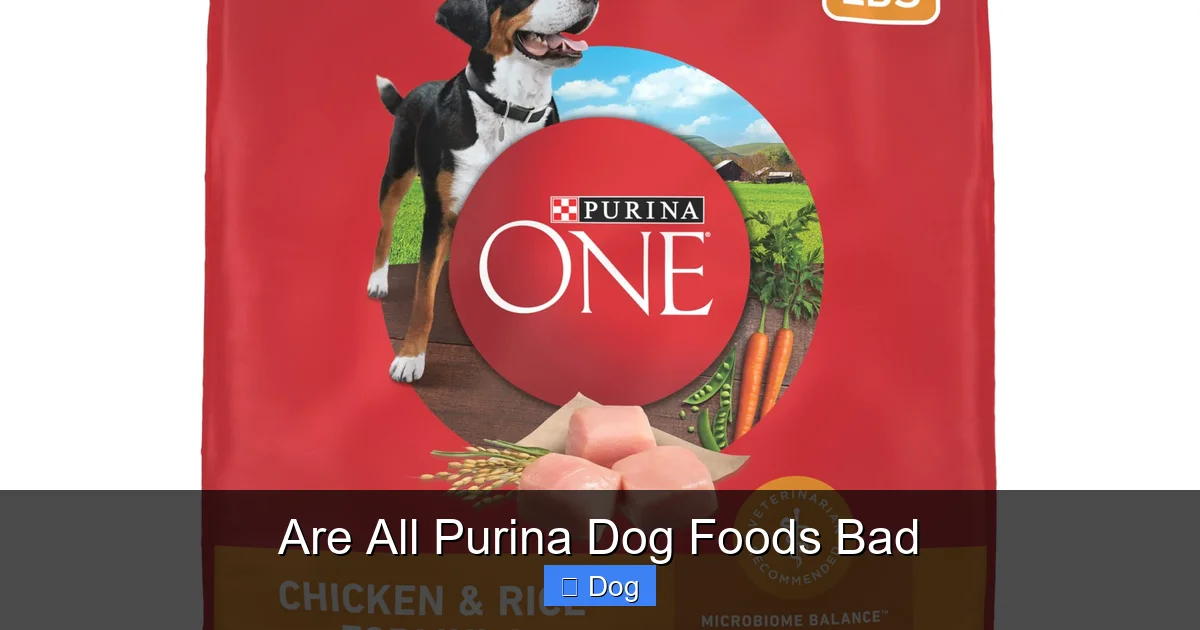
Visual guide about Are All Purina Dog Foods Bad
Image source: m.media-amazon.com
Founded in 1894, Purina has been a household name in pet care for over a century. What started as a small feed company has grown into one of the largest pet food manufacturers in the world, owned today by Nestlé Purina PetCare. With a mission to “make the world better for pets,” the company invests heavily in research, veterinary science, and pet nutrition.
One of Purina’s biggest strengths is its commitment to scientific development. They operate the Purina Institute, a global research organization focused on pet health and nutrition. Their team includes veterinarians, nutritionists, and animal behaviorists who study everything from digestion to longevity in dogs. This research informs the formulation of their products, ensuring they meet or exceed industry standards.
Purina also follows strict quality control measures. Their facilities are regularly audited, and they use advanced testing to monitor ingredient safety and nutritional consistency. They source ingredients from trusted suppliers and maintain transparency about where their meat, grains, and vegetables come from.
But despite this scientific backbone, Purina isn’t immune to criticism. Some pet owners question the use of certain ingredients, such as corn, soy, and meat by-products, which appear in some of their formulas. While these ingredients aren’t inherently harmful, they’re often seen as lower-quality compared to whole meats and vegetables. This perception has fueled the debate: is Purina good or bad for dogs?
The reality is that Purina’s reputation depends largely on which product you’re talking about. Their lineup includes everything from basic dry kibble to prescription diets used in veterinary clinics. To understand whether Purina is right for your dog, you need to look beyond the brand name and examine the specific food you’re considering.
Breaking Down Purina’s Product Lines: Quality Varies
One of the most important things to understand about Purina is that they don’t make just one type of dog food. They offer a wide range of products, each designed for different needs, budgets, and life stages. This variety means that labeling all Purina foods as “bad” is an oversimplification—some are excellent, while others may not be the best choice for every dog.
Let’s take a closer look at some of their major product lines.
Purina ONE
Purina ONE is one of the brand’s most popular and widely available lines. Marketed as a “smart nutrition” option, it’s designed to support overall health with real meat as the first ingredient. For example, Purina ONE SmartBlend Chicken & Rice Formula lists chicken as the primary protein source, followed by rice and other grains.
This line is AAFCO-approved for all life stages, meaning it meets the nutritional standards set by the Association of American Feed Control Officials. It’s also fortified with vitamins, minerals, and antioxidants to support immune health. Many dog owners report positive results—shinier coats, better digestion, and increased energy.
However, Purina ONE does contain some ingredients that raise eyebrows among health-conscious pet parents. These include corn gluten meal, soybean meal, and animal fat preserved with BHA. While these aren’t toxic, they’re considered lower-quality fillers by some experts. If your dog has food sensitivities or you prefer a grain-free or limited-ingredient diet, Purina ONE might not be the best fit.
Purina Pro Plan
If you’re looking for a higher-end option, Purina Pro Plan is often recommended by veterinarians. This line is formulated with input from nutritionists and is used in many clinical and performance settings. It’s available in dry and wet forms, with options for puppies, adults, seniors, and dogs with specific health needs.
Pro Plan uses high-quality proteins like real salmon, lamb, or chicken as the first ingredient. Many formulas include probiotics for digestive health, omega fatty acids for skin and coat, and glucosamine for joint support. There are even specialized lines for sensitive skin, weight management, and urinary tract health.
One standout feature is the Pro Plan Sport line, designed for active and working dogs. It’s high in protein and fat to support muscle maintenance and energy needs. Many agility competitors and search-and-rescue teams feed their dogs Pro Plan for its performance benefits.
Because of its premium ingredients and scientific backing, Pro Plan is generally considered one of the better Purina lines. It’s a solid choice for pet parents who want quality without switching to a boutique brand.
Purina Dog Chow
At the more affordable end of the spectrum is Purina Dog Chow. This is the brand’s basic dry kibble, often found in large bags at grocery stores and big-box retailers. It’s formulated to provide complete and balanced nutrition at a lower price point.
Dog Chow uses meat by-products and corn as primary ingredients, which has led to criticism from some pet nutrition advocates. By-products aren’t inherently bad—they can include nutrient-rich organ meats like liver and kidney—but they’re less predictable than whole muscle meat. Corn, while a source of energy, is also a common allergen and filler.
That said, Dog Chow is still AAFCO-approved and provides essential nutrients. For pet owners on a tight budget or with healthy dogs who don’t have dietary restrictions, it can be a practical option. However, if you’re looking to maximize nutrition or address health issues, you might want to consider upgrading to a higher-tier Purina line.
Purina Beyond
Purina Beyond is the brand’s “natural” line, designed to appeal to pet parents who want cleaner ingredients. It avoids artificial colors, flavors, and preservatives, and uses real meat, whole grains, and vegetables. Many formulas are grain-free or made with alternative carbohydrates like sweet potatoes.
This line is a good middle ground between budget and premium. It’s more expensive than Dog Chow but more affordable than Pro Plan. Ingredients are generally higher quality, with named meat sources and fewer fillers. However, it still includes some by-products and plant-based proteins, so it’s not perfect for every dog.
Purina Veterinary Diets
For dogs with medical conditions, Purina offers Veterinary Diets—prescription foods formulated to manage issues like kidney disease, diabetes, food allergies, and obesity. These are available only through veterinarians and are backed by clinical research.
These diets are highly specialized and often use novel proteins (like duck or venison) or hydrolyzed proteins to reduce allergic reactions. They’re not meant for everyday feeding but can be life-changing for dogs with chronic health problems.
Ingredient Analysis: What’s Really in Purina Dog Food?
When evaluating any dog food, ingredients matter—especially the first few listed, as they make up the largest portion of the recipe. Let’s break down some common ingredients found in Purina products and what they mean for your dog’s health.
Meat and Meat By-Products
Purina often lists “chicken by-product meal” or “meat meal” as an ingredient. This has sparked concern among some pet owners, who worry that by-products are low-quality or unsafe.
But here’s the truth: meat by-products are parts of the animal that aren’t typically eaten by humans—like liver, lungs, and kidneys. These organs are actually rich in nutrients like protein, vitamins, and minerals. The FDA and AAFCO define by-products as safe and nutritious when sourced from healthy animals.
The key is sourcing. Purina states that their by-products come from USDA-inspected facilities and are not from diseased or euthanized animals. While whole muscle meat (like “chicken”) is generally preferred, by-products aren’t inherently bad—they’re just different.
Grains and Fillers
Corn, wheat, and soy appear in many Purina formulas. Critics argue that these are cheap fillers with little nutritional value. While it’s true that grains can be less digestible for some dogs, they also provide energy, fiber, and essential fatty acids.
For dogs without grain sensitivities, these ingredients aren’t harmful. In fact, whole grains like brown rice and oatmeal can be excellent sources of complex carbohydrates. The issue arises when grains are used excessively or as the primary ingredient, which can dilute protein content.
If your dog has allergies or digestive issues, look for grain-free or limited-ingredient Purina options like Pro Plan Sensitive Skin & Stomach or Beyond Grain-Free.
Artificial Additives
Some Purina foods contain artificial colors, flavors, or preservatives like BHA and BHT. These have been linked to health concerns in high doses, though the amounts used in pet food are generally considered safe by regulatory agencies.
Purina has been working to reduce artificial additives in recent years. Their Beyond and Pro Plan lines, for example, avoid artificial colors and flavors. If you’re concerned, always check the ingredient list and opt for formulas with natural preservatives like mixed tocopherols (vitamin E).
Probiotics and Supplements
One area where Purina shines is in functional nutrition. Many of their formulas include added probiotics, omega-3 fatty acids, and antioxidants. These can support digestion, skin health, and immune function.
For example, Purina Pro Plan includes live probiotics in many dry foods, which can improve gut health and reduce diarrhea. This is a big plus for dogs with sensitive stomachs or those transitioning to a new diet.
Recalls and Safety: How Does Purina Compare?
No discussion about Purina would be complete without addressing recalls. Like other major pet food brands, Purina has had its share of recalls over the years. But does that mean their food is unsafe?
Let’s look at the facts.
Notable Purina Recalls
In 2016, Purina recalled several wet dog food products due to potential rubber pieces in the packaging. In 2021, a voluntary recall was issued for some Pro Plan cans due to elevated levels of vitamin D, which can be toxic in high amounts. More recently, in 2023, a small batch of Dog Chow was recalled due to potential salmonella contamination.
These recalls were isolated incidents, not systemic failures. In each case, Purina acted quickly, notified customers, and offered refunds or replacements. They also investigated the root cause and implemented corrective actions.
How Purina Handles Safety
Purina has a robust safety protocol. They test ingredients upon arrival, monitor production lines, and conduct regular audits. Their facilities follow strict hygiene standards, and they work with third-party labs to verify safety.
Compared to other major brands like Hill’s, Royal Canin, or Iams, Purina’s recall frequency is similar. No brand is immune to issues, but transparency and responsiveness matter. Purina generally communicates openly during recalls, which helps maintain trust.
What You Can Do
To stay informed, sign up for recall alerts from the FDA or Purina’s website. Always check the lot number on your dog food bag or can. If you suspect a problem, contact Purina customer service—they’re usually responsive and helpful.
Purina vs. Competitors: How Does It Stack Up?
When choosing dog food, it’s natural to compare brands. So how does Purina measure up against competitors like Blue Buffalo, Wellness, or Orijen?
Price and Accessibility
Purina wins on affordability and availability. You can find their products in grocery stores, pet shops, and online, often at lower prices than premium brands. This makes them a practical choice for many families.
Ingredient Quality
Premium brands often use higher percentages of whole meat and fewer fillers. For example, Orijen lists multiple fresh meats as top ingredients, while Purina may use meal or by-products. However, Purina’s Pro Plan and Beyond lines are competitive in quality.
Scientific Backing
Purina stands out for its research investment. Few brands match their level of veterinary collaboration and clinical studies. This gives them an edge in formulating diets for specific health needs.
Customer Satisfaction
Reviews are mixed, as with any brand. Some dogs thrive on Purina, while others develop allergies or digestive issues. The key is finding the right formula for your dog—not judging the entire brand.
Making the Right Choice for Your Dog
So, are all Purina dog foods bad? The answer is no—but not all are ideal for every dog. The best food depends on your pet’s age, breed, activity level, and health.
If you’re considering Purina, start by identifying your dog’s needs. Is she a senior with joint issues? A puppy needing high energy? A dog with food sensitivities? Then, compare Purina’s lines:
– Choose **Pro Plan** for high performance or health support.
– Try **Beyond** for natural ingredients without a high price tag.
– Use **Dog Chow** for budget-friendly, basic nutrition.
– Consider **Veterinary Diets** for medical conditions.
Always read the ingredient list and look for named meat sources, limited fillers, and added nutrients. Avoid foods with excessive artificial additives.
And remember: no single brand is perfect for every dog. What matters most is how your dog responds—look for signs like healthy weight, shiny coat, good energy, and regular digestion.
Final Thoughts: Purina Is Not the Enemy
The idea that all Purina dog foods are bad is a myth fueled by misinformation and oversimplification. While some formulas may not meet the standards of health-conscious pet parents, others are scientifically formulated, vet-recommended, and trusted by millions.
Purina’s strength lies in its diversity, research, and accessibility. They offer options for nearly every budget and need, from basic maintenance to medical support. Like any brand, they have room for improvement—but they’re also committed to innovation and safety.
The best approach is to be informed, not fearful. Read labels, understand ingredients, and choose the food that works for your dog. Whether that’s Purina or another brand, the goal is the same: a happy, healthy pup.
So go ahead—give Purina a fair look. You might just find the perfect food for your furry friend.
Frequently Asked Questions
Is Purina dog food safe for puppies?
Yes, many Purina formulas are safe for puppies. Look for AAFCO-approved puppy foods like Purina Pro Plan Puppy or Purina ONE Puppy, which are designed to support growth and development with balanced nutrition.
Does Purina use real meat in their dog food?
Yes, many Purina products list real meat or meat meal as the first ingredient. However, some formulas use by-products or plant-based proteins, so check the label to ensure it meets your standards.
Why do some vets recommend Purina?
Veterinarians often recommend Purina because of its scientific research, AAFCO compliance, and availability of specialized diets. Pro Plan and Veterinary Diets are commonly used in clinical settings.
Can Purina dog food cause allergies?
Some dogs may be sensitive to ingredients like corn, soy, or by-products found in certain Purina formulas. If your dog shows signs of allergies (itching, ear infections, digestive issues), consider switching to a limited-ingredient or hypoallergenic line.
Is Purina better than store-brand dog food?
Generally, yes. Purina has stricter quality control, better research, and more consistent nutrition than most store brands. However, some premium store brands may offer higher ingredient quality.
How can I tell if a Purina food is high quality?
Look for named meat sources (e.g., “chicken” not “meat meal”), limited fillers, AAFCO approval, and added nutrients like probiotics or omega fatty acids. Avoid foods with excessive artificial additives.