

Not all raw diets are grain free dog food—some include healthy grains like oats or quinoa. While many raw diets avoid grains due to common allergies or marketing trends, grains aren’t inherently bad for dogs. The key is choosing a balanced, species-appropriate diet that meets your dog’s individual needs.
When it comes to feeding our dogs, the conversation has shifted dramatically over the past decade. Gone are the days when kibble was the only option. Now, pet parents are exploring everything from dehydrated meals to fresh food delivery services—and raw diets have taken center stage. But with all the buzz around “raw” and “grain free,” it’s easy to get confused. Are all raw diets grain free dog food? The short answer is no—but the full story is more nuanced, and understanding it could make a big difference in your dog’s health.
Raw diets aim to mimic what dogs’ wild ancestors ate: fresh meat, bones, organs, and sometimes vegetation. Advocates say this natural approach supports better digestion, shinier coats, healthier teeth, and more energy. But not all raw diets are created equal. Some are strictly meat-and-bone based, while others incorporate fruits, vegetables, and yes—even grains. The inclusion of grains often sparks debate. Many pet owners assume “raw” automatically means “grain free,” but that’s not always true. In fact, some of the most nutritionally balanced raw diets include small amounts of whole grains to provide fiber, energy, and essential nutrients.
So why the confusion? Part of it comes from marketing. “Grain free” has become a buzzword in pet food, often associated with premium quality or better health. But just because a food is labeled grain free doesn’t mean it’s healthier—or even necessary for your dog. In this article, we’ll unpack the truth about raw diets and grains, explore the pros and cons of each approach, and help you decide what’s best for your furry friend.
Key Takeaways
- Raw diets vary widely: Some are grain free, while others include whole grains like brown rice or barley for fiber and energy.
- Grains aren’t toxic to dogs: Most dogs can digest grains well, and they provide valuable nutrients like fiber, B vitamins, and essential fatty acids.
- Grain-free doesn’t mean healthier: The FDA has linked grain-free diets to heart disease in dogs, especially those high in legumes like peas and lentils.
- Balance matters more than labels: A raw diet should include muscle meat, organ meat, bones, and optional plant matter—grains included—to ensure complete nutrition.
- Individual needs vary: Dogs with grain allergies or sensitivities may benefit from grain-free options, but most do fine with small amounts of grains.
- Consult your vet: Always talk to a veterinarian or canine nutritionist before switching to any raw diet, especially if your dog has health issues.
- Commercial vs. homemade raw: Commercial raw foods may list grains in ingredients; homemade versions let you control what goes in—including whether to include grains.
📑 Table of Contents
What Is a Raw Diet for Dogs?
A raw diet for dogs typically consists of uncooked muscle meat, organ meat, raw edible bones, and sometimes fruits, vegetables, and supplements. The goal is to feed dogs food in its most natural, unprocessed form—similar to what their wolf ancestors would have consumed in the wild. There are several popular models of raw feeding, including the BARF diet (Biologically Appropriate Raw Food), the prey model diet, and hybrid approaches that mix raw and cooked ingredients.
The BARF diet, developed by Dr. Ian Billinghurst, emphasizes a balance of 60–80% meat and bones, with the remainder made up of vegetables, fruits, and supplements. This model often includes grains like oats or rice, especially in homemade versions, to add fiber and help bind the food. The prey model diet, on the other hand, tries to replicate the entire prey animal—muscle, organs, bones, fur, and stomach contents—which may include partially digested plant matter from the prey’s gut. This can naturally introduce grains or other plant materials into the diet.
Raw diets can be homemade or commercially prepared. Homemade raw diets give you full control over ingredients, including whether to include grains. Commercial raw foods, sold frozen or freeze-dried, often list their ingredients clearly—so you can check if grains are included. Some brands proudly advertise “grain free,” while others include small amounts of grains like quinoa, barley, or brown rice.
It’s important to note that raw feeding isn’t just about throwing raw chicken wings at your dog. A balanced raw diet requires careful planning to ensure your dog gets all the essential nutrients—protein, fat, calcium, phosphorus, vitamins, and minerals. Without proper balance, dogs can develop deficiencies or health issues over time. That’s why many experts recommend consulting a veterinary nutritionist when designing a raw diet, especially for homemade versions.
Are Grains Bad for Dogs?
Visual guide about Are All Raw Diets Grain Free Dog Food
Image source: healthypetfoods.co.nz
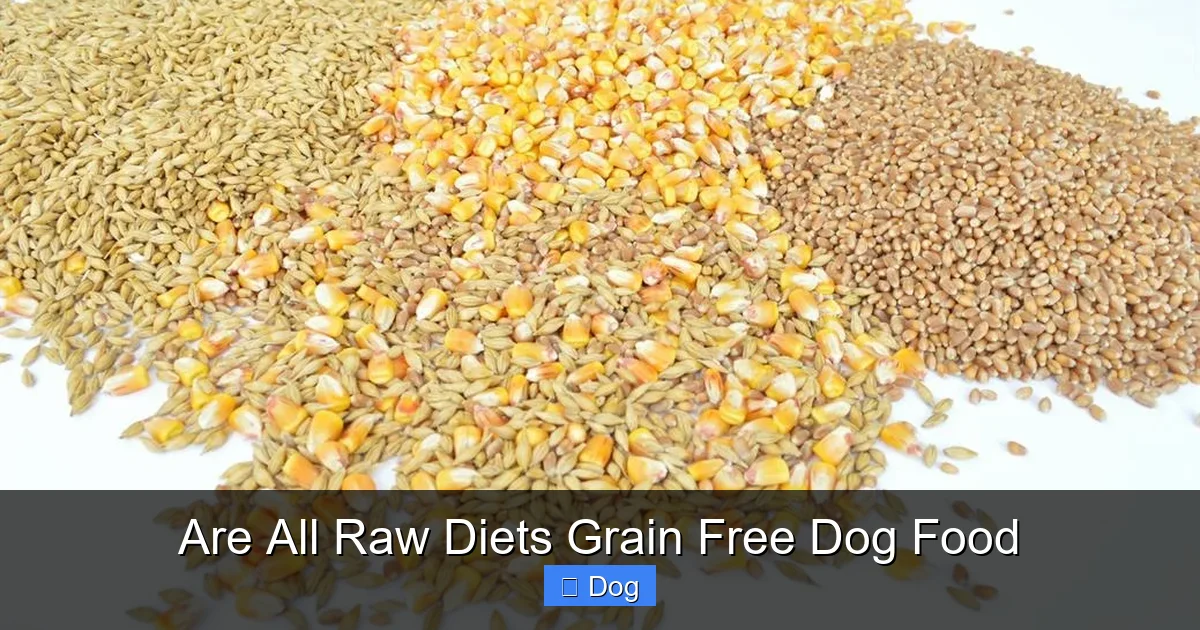
One of the biggest misconceptions in pet nutrition is that grains are harmful to dogs. This belief has fueled the rise of grain-free diets, including many raw feeding plans. But the truth is, dogs are omnivores—not strict carnivores like cats. Their digestive systems are well-equipped to handle both animal and plant-based foods, including grains.
Grains like rice, oats, barley, and quinoa provide valuable nutrients. They’re rich in carbohydrates, which supply energy, especially for active dogs. They also contain fiber, which supports healthy digestion and helps regulate bowel movements. Additionally, whole grains offer B vitamins, iron, magnesium, and essential fatty acids—nutrients that contribute to skin health, immune function, and overall vitality.
So why do some dogs react poorly to grains? In rare cases, dogs can have true grain allergies—but these are much less common than people think. According to veterinary dermatologists, true food allergies account for only about 10–20% of all skin and ear problems in dogs, and grains are rarely the culprit. More often, dogs are sensitive to specific proteins like beef, chicken, or dairy—not the grains themselves.
In fact, the FDA has raised concerns about grain-free diets. Since 2018, the agency has been investigating a potential link between grain-free diets and dilated cardiomyopathy (DCM), a serious heart condition in dogs. The investigation found that many grain-free diets are high in legumes (like peas, lentils, and chickpeas) and potatoes, which may interfere with taurine absorption—a key amino acid for heart health. While the exact cause is still under study, the takeaway is clear: removing grains doesn’t automatically make a diet healthier.
Grain-Free vs. Grain-Inclusive Raw Diets
When comparing grain-free and grain-inclusive raw diets, it’s helpful to look at the nutritional profiles, benefits, and potential drawbacks of each.
Grain-free raw diets eliminate all grains and often replace them with starchy vegetables like sweet potatoes, peas, or tapioca. These diets are popular among pet owners who believe grains cause inflammation, allergies, or digestive upset. Some dogs with diagnosed grain sensitivities or inflammatory bowel disease (IBD) may benefit from a grain-free approach. However, for the average dog, there’s little evidence that avoiding grains improves health.
Grain-inclusive raw diets, on the other hand, include small amounts of whole grains like brown rice, oats, or quinoa. These grains are typically cooked or sprouted to improve digestibility. They add fiber, which can help with satiety and gut health, and provide sustained energy. Some raw feeders also use grains as a binding agent in homemade meals, especially when mixing raw meat with vegetables.
One practical example: a homemade raw diet might include 70% raw chicken (with bones), 10% liver, 10% other organs, and 10% mixed vegetables and cooked oats. The oats add fiber and help the meal hold together, making it easier to serve and digest. In contrast, a grain-free version might use mashed sweet potato or pumpkin instead of oats.
The key difference isn’t just the presence of grains—it’s the overall balance. A poorly formulated grain-free diet high in legumes and low in taurine-rich ingredients can be risky. A well-balanced grain-inclusive diet with varied protein sources and proper calcium-to-phosphorus ratios can be very healthy.
Why Some Raw Diets Include Grains
Despite the popularity of grain-free marketing, many raw feeding experts and veterinarians support the inclusion of grains in moderation. Here’s why:
First, grains are a natural part of a dog’s ancestral diet. Wolves and wild canids often consume the stomach contents of their prey, which includes partially digested plants and grains. This means dogs have evolved to digest and benefit from small amounts of plant matter.
Second, grains provide functional benefits. Cooked oats, for example, are gentle on the stomach and can soothe digestive upset. Brown rice is a good source of complex carbohydrates and can help firm up loose stools. Quinoa is a complete protein and rich in minerals like magnesium and iron.
Third, grains can improve the texture and palatability of raw meals. When making homemade raw food, some owners find that adding a small amount of cooked grain helps bind the ingredients, making the meal easier to handle and less messy. It can also make the food more appealing to picky eaters.
Finally, grains are cost-effective. High-quality meat and organs can be expensive, especially for large dogs. Adding a small portion of grains can stretch the budget without sacrificing nutrition—especially if the grains are whole, unprocessed, and cooked properly.
Of course, grains should never dominate the diet. In a balanced raw meal, grains should make up no more than 10–15% of the total volume. The majority should still come from animal-based ingredients.
Risks and Considerations of Raw Feeding
While raw diets can offer benefits, they’re not without risks—especially when it comes to food safety, nutritional balance, and long-term health.
One major concern is bacterial contamination. Raw meat can carry pathogens like Salmonella, E. coli, and Listeria, which can make both dogs and humans sick. While healthy dogs may tolerate these bacteria better than people, puppies, seniors, and immunocompromised pets are at higher risk. Proper handling, storage, and hygiene are essential when feeding raw.
Another issue is nutritional imbalance. It’s surprisingly easy to create a raw diet that’s too high in phosphorus, too low in calcium, or deficient in essential fatty acids or vitamins. For example, feeding only chicken wings can lead to calcium deficiency because the bones are too soft and don’t provide enough calcium. Over time, this can cause bone problems and other health issues.
This is where grains can actually help. When used correctly, grains contribute to a more balanced macronutrient profile. They provide carbohydrates that spare protein for tissue repair and growth, and their fiber content supports gut health.
It’s also important to consider your dog’s individual needs. Puppies, pregnant or nursing dogs, and working dogs have higher energy and nutrient requirements. Senior dogs or those with kidney disease may need lower phosphorus levels. A one-size-fits-all approach—whether grain-free or grain-inclusive—won’t work for every dog.
How to Choose the Right Raw Diet for Your Dog
Choosing the right raw diet starts with understanding your dog’s health, lifestyle, and dietary needs. Here are some practical tips:
First, talk to your veterinarian. Even if they don’t specialize in raw feeding, they can help assess your dog’s overall health and flag any conditions that might affect dietary choices. For example, dogs with pancreatitis may need a low-fat diet, while those with food allergies may benefit from novel protein sources.
Second, decide between homemade and commercial raw food. Homemade diets offer full control but require careful planning and supplementation. Commercial raw foods are convenient and often formulated by nutritionists, but they can be expensive. Read labels carefully—look for whole-food ingredients, minimal fillers, and clear sourcing.
Third, consider whether to include grains. If your dog has no known sensitivities, a small amount of cooked, whole grains can be a healthy addition. If you’re unsure, start with a grain-inclusive recipe and monitor your dog’s digestion, energy levels, and coat condition. If you notice improvements, you’re on the right track. If not, you can adjust.
Fourth, rotate protein sources. Feeding the same meat every day can lead to nutrient imbalances or sensitivities. Aim for variety—chicken, beef, lamb, turkey, duck, and fish—to ensure a broad spectrum of amino acids and fatty acids.
Finally, be patient. Transitioning to a raw diet can take weeks or even months. Start by mixing small amounts of raw food with your dog’s current diet, gradually increasing the proportion. Watch for signs of digestive upset, and adjust as needed.
Conclusion
So, are all raw diets grain free dog food? The answer is a clear no. While many raw diets are grain free—especially those marketed as “natural” or “ancestral”—plenty of balanced, healthy raw diets include grains. The presence or absence of grains isn’t what makes a diet good or bad. What matters most is nutritional balance, ingredient quality, and suitability for your individual dog.
Grains aren’t the enemy. For most dogs, they’re a safe, digestible source of energy, fiber, and essential nutrients. The real concern isn’t grains—it’s poorly formulated diets, whether grain-free or not. Diets high in legumes, low in taurine, or lacking in variety can pose serious health risks, regardless of grain content.
If you’re considering a raw diet, take the time to educate yourself. Talk to your vet, consult a canine nutritionist, and start slowly. Whether you choose grain-free or grain-inclusive, the goal should always be a diet that supports your dog’s long-term health, vitality, and happiness.
Remember: there’s no one perfect diet for every dog. What works for your neighbor’s Golden Retriever might not be right for your senior Chihuahua. Listen to your dog, observe how they respond, and be willing to adjust. With the right approach, a raw diet—grain free or not—can be a wonderful way to nourish your best friend.
Frequently Asked Questions
Are all raw diets grain free dog food?
No, not all raw diets are grain free. While many raw diets avoid grains, some include small amounts of whole grains like oats, rice, or quinoa for added fiber and nutrients. The choice depends on the recipe and your dog’s individual needs.
Can dogs digest grains?
Yes, most dogs can digest grains just fine. Dogs are omnivores and have evolved to process both animal and plant-based foods, including grains. Unless your dog has a diagnosed grain allergy, grains can be a healthy part of their diet.
Are grain-free diets better for dogs?
Not necessarily. Grain-free diets aren’t inherently healthier and have been linked to heart issues in some dogs. The key is balance—whether grain-free or not, a diet should be nutritionally complete and appropriate for your dog’s age, size, and health.
What grains are safe for dogs in a raw diet?
Safe grains include cooked brown rice, oats, barley, and quinoa. These should be prepared (cooked or sprouted) to improve digestibility and used in moderation—typically no more than 10–15% of the total diet.
Should I feed my dog a raw diet with or without grains?
It depends on your dog. If they have no sensitivities, a small amount of grains can be beneficial. If they have digestive issues or allergies, a grain-free option might be better. Always consult your vet before making changes.
Is it safe to feed raw meat with grains?
Yes, as long as the meat is fresh, handled safely, and the grains are cooked. Combining raw meat with cooked grains can create a balanced, palatable meal—just ensure proper hygiene to avoid bacterial contamination.