

Almonds are not recommended as food for dogs. While not highly toxic, they pose choking hazards, digestive issues, and can lead to pancreatitis. Stick to dog-safe treats and avoid giving your dog almonds altogether.
Key Takeaways
- Almonds are not toxic but are unsafe for dogs: They can cause choking, gastrointestinal blockages, and pancreatitis due to high fat content.
- Salt and flavoring make them worse: Roasted, salted, or seasoned almonds increase the risk of sodium poisoning and stomach upset.
- Almonds can trigger pancreatitis: The high fat content in almonds stresses the pancreas, especially in small or sensitive dogs.
- Choking and obstruction risks are real: Whole or large pieces of almonds can get stuck in a dog’s throat or digestive tract.
- Better nut alternatives exist: Small amounts of plain, unsalted peanuts or cashews (in moderation) are safer options.
- Watch for symptoms after ingestion: Vomiting, diarrhea, lethargy, or abdominal pain mean you should contact your vet immediately.
- Prevention is key: Keep almonds and almond products out of reach and educate family members about dog-safe foods.
📑 Table of Contents
- Are Almonds Food for Dogs? The Truth Every Pet Owner Should Know
- Why Almonds Are Not Safe for Dogs
- What Happens If Your Dog Eats Almonds?
- Are There Any Benefits to Almonds for Dogs?
- Safer Nut Alternatives for Dogs
- How to Prevent Accidental Almond Ingestion
- Final Thoughts: Are Almonds Food for Dogs?
- Frequently Asked Questions
Are Almonds Food for Dogs? The Truth Every Pet Owner Should Know
You love your dog. You want to share the good things in life with them—your favorite snacks, cozy blankets, and warm cuddles. But when it comes to food, not everything that’s good for you is good for your furry friend. One common question many dog owners ask is: Are almonds food for dogs? After all, almonds are healthy for humans—packed with protein, fiber, and healthy fats. So, it’s natural to wonder if they’re safe for your pup too.
The short answer? No, almonds are not recommended as food for dogs. While they aren’t classified as highly toxic like chocolate or grapes, they come with a host of potential risks that make them a poor choice for canine consumption. From digestive upset to serious health complications, feeding your dog almonds—even in small amounts—can lead to problems that are easily avoided.
In this article, we’ll dive deep into why almonds aren’t ideal for dogs, what happens if your dog eats one, and what safer alternatives you can offer instead. Whether you’re a new dog parent or a seasoned pet lover, understanding what’s safe and what’s not is crucial for keeping your dog happy and healthy.
Why Almonds Are Not Safe for Dogs
At first glance, almonds seem harmless. They’re a popular snack for people, often praised for their nutritional benefits. But dogs have very different digestive systems and nutritional needs than humans. What’s good for us isn’t always good for them—and almonds are a perfect example of that.
One of the biggest issues with almonds is their high fat content. While healthy fats are essential in a dog’s diet, too much fat at once can overwhelm their system. Dogs aren’t built to process large amounts of fat quickly, and a sudden intake—like from eating several almonds—can lead to gastrointestinal distress. Symptoms like vomiting, diarrhea, and abdominal pain are common after a dog eats almonds.
Another major concern is the risk of pancreatitis. This is a serious inflammation of the pancreas that can be triggered by high-fat foods. Pancreatitis in dogs can range from mild to life-threatening and often requires veterinary intervention. Small dogs and breeds prone to pancreatitis (like Miniature Schnauzers) are especially at risk. Even a few almonds can be enough to set off this painful condition.
Choking and Obstruction Hazards
Almonds are hard and dense, which makes them a choking hazard—especially for small dogs or puppies. If your dog tries to swallow an almond whole, it could get stuck in their throat, leading to coughing, gagging, or even suffocation. Even if they manage to swallow it, the almond might not break down properly in the stomach and could cause a blockage in the intestines.
Intestinal obstructions are medical emergencies. They can cause severe pain, vomiting, loss of appetite, and lethargy. In some cases, surgery is required to remove the blockage. While this is rare, it’s not worth the risk when there are so many safer treat options available.
Salt and Seasoning Add Extra Danger
Many almonds sold in stores are roasted, salted, or flavored with spices like garlic, onion, or artificial seasonings. These additives are particularly dangerous for dogs. Salt, in large amounts, can lead to sodium ion poisoning, which causes symptoms like excessive thirst, vomiting, tremors, and even seizures. Garlic and onion are toxic to dogs and can damage red blood cells, leading to anemia.
Even “natural” flavored almonds—like honey-roasted or smoked varieties—often contain ingredients that are unsafe for pets. Always check the label, but the safest rule is to avoid giving your dog any processed nuts, including almonds.
What Happens If Your Dog Eats Almonds?
If your dog accidentally eats one or two plain, unsalted almonds, they’ll probably be okay—but it’s not a guarantee. Every dog is different, and some are more sensitive than others. The size of the dog, the number of almonds consumed, and whether they were flavored all play a role in how your dog will react.
In mild cases, your dog might experience an upset stomach. They could vomit, have loose stools, or seem a bit lethargic for a day or two. These symptoms usually pass on their own, but you should still monitor your dog closely. Make sure they’re drinking water and not showing signs of pain or distress.
However, if your dog eats several almonds—or any that are salted or flavored—the risks increase significantly. Watch for signs of pancreatitis, such as:
– Persistent vomiting
– Abdominal pain (your dog may whimper or avoid being touched)
– Loss of appetite
– Lethargy or weakness
– Fever
These symptoms can develop within hours or take a day or two to appear. If you notice any of them, contact your veterinarian right away. Pancreatitis can worsen quickly and may require hospitalization, IV fluids, and medication.
When to Call the Vet
It’s always better to be safe than sorry. If your dog has eaten almonds—especially more than a few—call your vet or an emergency animal poison control hotline. Provide details like:
– How many almonds were eaten
– Whether they were salted, roasted, or flavored
– Your dog’s size, breed, and weight
– Any symptoms you’ve noticed
Your vet may recommend inducing vomiting (only if advised), bringing your dog in for an exam, or simply monitoring at home. Never try to make your dog vomit on your own unless instructed by a professional—some methods can cause more harm than good.
Are There Any Benefits to Almonds for Dogs?
You might be wondering: if almonds have protein and healthy fats, could they offer any nutritional benefit to dogs? The truth is, while almonds do contain nutrients that are good for humans, dogs don’t need them in the same way—and they can get those nutrients from safer, more digestible sources.
For example, dogs can benefit from healthy fats, but they’re better obtained from foods like salmon oil, flaxseed, or coconut oil in small amounts. These are easier for dogs to digest and less likely to cause pancreatitis. Protein is essential for dogs, but it should come from animal-based sources like chicken, beef, or eggs—not plant-based nuts.
Moreover, almonds contain compounds like phytic acid, which can interfere with the absorption of minerals like calcium, iron, and zinc. Over time, this could lead to nutritional imbalances, especially if your dog is regularly eating almonds or other nuts.
Almond Butter: A Safer Option?
Some dog owners wonder if almond butter is a better alternative to whole almonds. While it’s true that almond butter is easier to swallow and less likely to cause choking, it still comes with risks. Most commercial almond butters contain added salt, sugar, or even xylitol—a sweetener that is extremely toxic to dogs.
Xylitol can cause a rapid release of insulin in dogs, leading to hypoglycemia (low blood sugar), seizures, liver failure, and even death. Always check the ingredient list before giving your dog any nut butter. If you do choose almond butter, make sure it’s 100% pure, unsalted, and xylitol-free—and only give it in tiny amounts, if at all.
Even then, peanut butter (in moderation and without xylitol) is generally a safer and more dog-friendly option. It’s lower in fat than almond butter and more widely accepted as a treat.
Safer Nut Alternatives for Dogs
Just because almonds are off the table doesn’t mean your dog can’t enjoy the occasional nutty treat. There are a few nuts that are safer for dogs—when given in moderation and under the right conditions.
Peanuts
Peanuts are not actually nuts—they’re legumes—but they’re often grouped with nuts in pet discussions. Plain, unsalted, and unshelled peanuts are generally safe for dogs in small amounts. They’re lower in fat than almonds and less likely to cause digestive issues. However, avoid giving your dog whole peanuts due to choking risks. Instead, offer a small piece of peanut butter (xylitol-free) or a crushed peanut as an occasional treat.
Cashews
Cashews are another option, but only in very small quantities. They’re high in fat, so they should be treated like a special indulgence—not a regular snack. Make sure they’re plain, unsalted, and fully cooked (raw cashews can be hard to digest). A few pieces once in a while are fine, but don’t make it a habit.
Walnuts and Macadamia Nuts: Avoid Completely
While we’re on the topic of nuts, it’s important to mention that some nuts are outright dangerous for dogs. Walnuts—especially black walnuts—can contain mold that produces tremorgenic mycotoxins, which can cause seizures and neurological issues. Macadamia nuts are also highly toxic to dogs, even in small amounts, and can lead to weakness, vomiting, and hyperthermia.
Always keep these nuts far away from your dog’s reach.
How to Prevent Accidental Almond Ingestion
The best way to protect your dog from the risks of almonds is to prevent access in the first place. Here are some practical tips to keep your pup safe:
– Store almonds securely: Keep bags of almonds, almond butter, and almond-based snacks in closed cabinets or high shelves. Dogs are curious and can open cabinets or knock things off counters.
– Educate family and guests: Make sure everyone in your household knows that almonds are not safe for dogs. Visitors might not be aware and could accidentally drop a snack or offer one to your dog.
– Read labels carefully: Many human foods contain almonds or almond extract—like granola bars, cookies, and ice cream. Always check ingredients before sharing anything with your dog.
– Use dog-safe treats: Instead of sharing your snacks, keep a stash of healthy, vet-approved dog treats on hand. This way, you can reward your dog without worrying about hidden dangers.
– Supervise meal times: If you’re eating almonds or almond-containing foods, keep your dog in another room or closely monitor them to prevent sneaky snacking.
What to Do If Your Dog Gets Into Almonds
Accidents happen. If you discover that your dog has gotten into a bag of almonds, stay calm and act quickly. First, try to determine how many they ate and whether they were flavored. Then, contact your vet for guidance.
If your dog is showing signs of distress—like vomiting, difficulty breathing, or extreme lethargy—go to the nearest emergency vet clinic immediately. Time is critical in cases of poisoning or obstruction.
Even if your dog seems fine, it’s wise to monitor them closely for the next 24–48 hours. Keep an eye on their appetite, energy levels, and bathroom habits. Any changes could indicate a problem.
Final Thoughts: Are Almonds Food for Dogs?
So, are almonds food for dogs? The answer is clear: no, they are not. While they won’t cause immediate death like some toxins, almonds pose real health risks that far outweigh any potential benefits. From digestive upset and pancreatitis to choking and sodium poisoning, the dangers are too great to ignore.
As a responsible dog owner, your job is to make smart choices about what your dog eats. Just because a food is healthy for you doesn’t mean it’s safe for your pet. Dogs have unique dietary needs, and their bodies process food differently than ours do.
Instead of risking your dog’s health with almonds, opt for safer, dog-friendly alternatives. Treats made specifically for dogs, small pieces of cooked chicken, or a dab of xylitol-free peanut butter are all great options. And if you’re ever unsure about a food, don’t hesitate to ask your veterinarian.
Your dog relies on you to keep them safe and healthy. By avoiding almonds and other risky foods, you’re giving them the best chance at a long, happy life by your side.
Frequently Asked Questions
Can dogs eat raw almonds?
No, dogs should not eat raw almonds. While they aren’t toxic, raw almonds are hard to digest and can cause stomach upset, choking, or pancreatitis due to their high fat content.
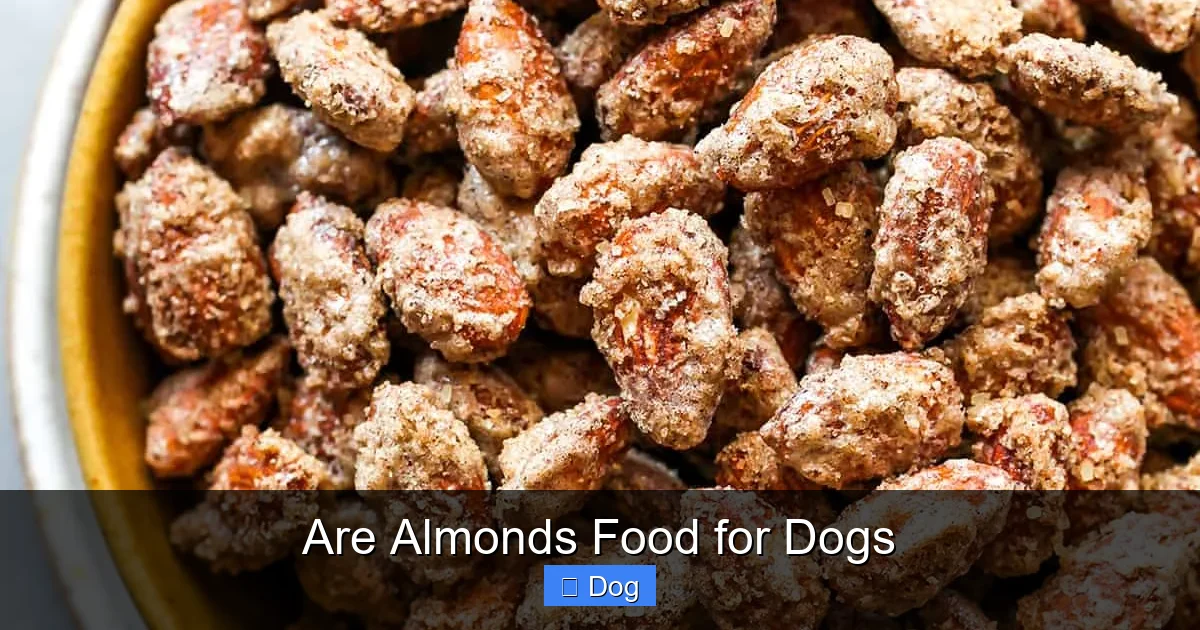
Visual guide about Are Almonds Food for Dogs
Image source: joyfoodsunshine.com
What should I do if my dog eats a salted almond?
Contact your veterinarian right away. Salted almonds can lead to sodium poisoning, which causes vomiting, excessive thirst, and in severe cases, seizures. Monitor your dog closely and seek professional advice.
Are almond milk or almond flour safe for dogs?
Small amounts of plain, unsweetened almond milk or almond flour are unlikely to harm your dog, but they offer no nutritional benefit. Avoid products with added sugar, xylitol, or artificial flavors.
Can puppies eat almonds?
No, puppies should never eat almonds. Their digestive systems are more sensitive, and the risks of choking, blockage, or pancreatitis are even higher in young dogs.
How many almonds are dangerous for a dog?
Even one or two almonds can cause problems, especially in small dogs. The risk increases with the number consumed and whether they’re salted or flavored. It’s best to avoid them entirely.
Are there any nuts that are safe for dogs?
Yes, in moderation. Plain, unsalted peanuts and cashews are generally safe in small amounts. Avoid walnuts, macadamia nuts, and any nuts with added salt, sugar, or flavorings.
Frequently Asked Questions
What is are almonds food for dogs?
are almonds food for dogs is an important topic with many practical applications.