
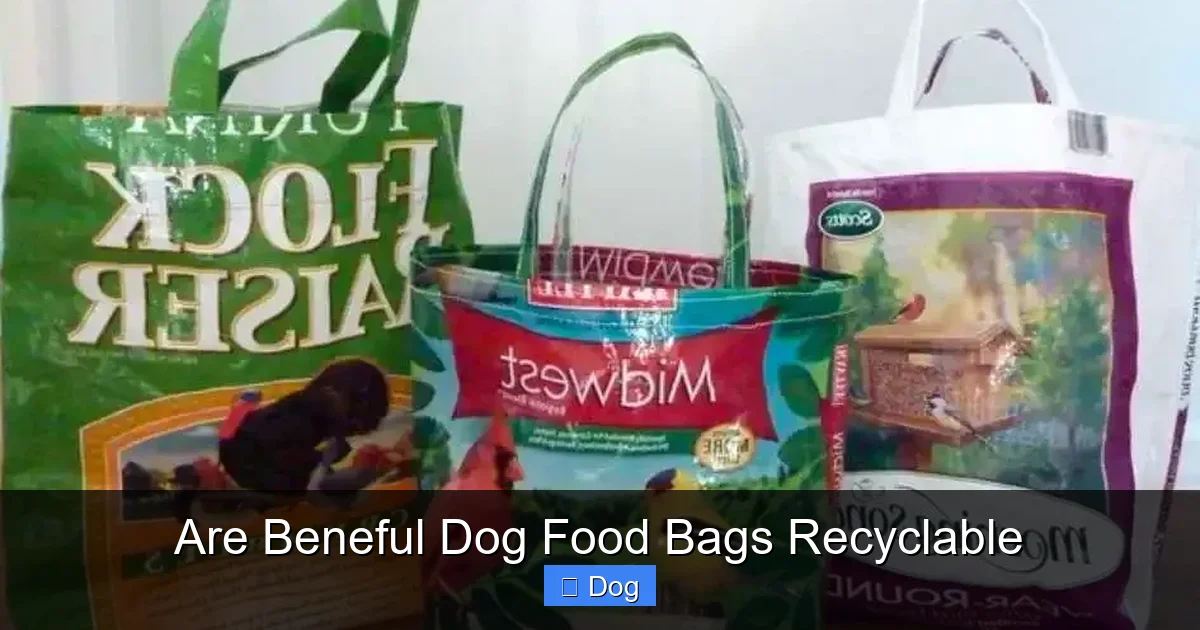
Beneful dog food bags are not widely recyclable through standard curbside programs due to their multi-layer plastic construction. However, specialized recycling options like TerraCycle may offer solutions. Learn how to responsibly dispose of or repurpose these bags to reduce environmental impact.
If you’re a dog parent who cares about your pup’s health and the planet’s future, you’ve probably asked yourself: *Are Beneful dog food bags recyclable?* It’s a great question—and one that more pet owners are starting to ask as environmental awareness grows. Beneful, a popular brand under Nestlé Purina PetCare, offers a wide range of dry and wet dog food options that many dogs love. But what happens after your furry friend finishes their meal? What do you do with that shiny, crinkly bag?
The short answer? Unfortunately, Beneful dog food bags are not recyclable through most standard curbside recycling programs. But that doesn’t mean all hope is lost. There are still ways to responsibly dispose of or repurpose these bags, and even better—options to support more sustainable pet food packaging in the future. In this guide, we’ll dive deep into the materials used in Beneful bags, why they’re hard to recycle, what alternatives exist, and how you can make a difference as a conscious consumer.
Let’s break it down step by step, so you can feel confident about how you’re handling your dog food waste—without sacrificing convenience or your dog’s favorite kibble.
Key Takeaways
- Beneful bags are made of multi-layer plastic: These bags combine plastic, foil, and sometimes paper, making them difficult to recycle in regular programs.
- Curbside recycling usually doesn’t accept them: Most municipal recycling systems cannot process complex packaging like dog food bags.
- TerraCycle offers a dedicated recycling program: Pet owners can mail in empty Beneful bags through TerraCycle’s free pet food bag recycling initiative.
- Cleaning bags improves recycling success: Removing food residue increases the chance of acceptance in specialized programs.
- Repurposing reduces waste: Use empty bags for storage, trash liners, or DIY projects instead of throwing them away.
- Nutro, a sister brand, has more sustainable packaging: Consider switching to brands with recyclable or compostable bags if sustainability is a priority.
- Advocacy drives change: Contacting Purina (Beneful’s parent company) to request eco-friendly packaging can influence future decisions.
📑 Table of Contents
Why Are Beneful Dog Food Bags Hard to Recycle?
To understand whether Beneful dog food bags are recyclable, we first need to look at what they’re made of. Most dry dog food bags, including those from Beneful, are constructed using a multi-layer material designed to protect the food inside. These layers typically include plastic (like polyethylene), aluminum foil, and sometimes a thin paper outer layer. This combination creates a barrier that keeps moisture, oxygen, and light out—essential for preserving freshness and preventing spoilage.
But here’s the problem: while this multi-layer design is great for food safety, it’s a nightmare for recycling. Most curbside recycling facilities are equipped to handle single-material items like cardboard, aluminum cans, or #1 and #2 plastics (think soda bottles or milk jugs). They don’t have the technology to separate the layers in dog food bags. As a result, these bags often end up in landfills or incinerators, even if you toss them in the recycling bin.
The Science Behind Multi-Layer Packaging
Multi-layer packaging, also known as “laminated” or “composite” packaging, is used across the food industry—not just for dog food. Think chip bags, coffee pouches, and granola bar wrappers. These materials are engineered to be lightweight, durable, and protective, but they’re notoriously difficult to recycle because each layer must be separated before it can be processed. That requires specialized equipment and energy-intensive processes that most municipal recycling centers don’t have.
In the case of Beneful bags, the outer layer might look like paper, but it’s usually coated with plastic or foil to enhance durability and print quality. The inner layer is often a thin plastic film that prevents grease and moisture from seeping through. When these layers are fused together, they can’t be easily pulled apart—making traditional recycling impossible.
What Happens When You Put Them in the Recycle Bin?
You might think, “Well, I’ll just toss it in the recycling bin and let the experts figure it out.” But here’s the reality: when non-recyclable items like dog food bags enter the recycling stream, they can cause major problems. They can jam sorting machinery, contaminate other recyclables, and increase processing costs. In many cases, entire batches of recyclables get rejected and sent to landfills because of contamination.
So even if you’re trying to do the right thing, putting a Beneful bag in your curbside bin might actually do more harm than good. That’s why it’s important to know your local recycling guidelines—and understand the limitations of your system.
Are There Any Recycling Options for Beneful Bags?

Visual guide about Are Beneful Dog Food Bags Recyclable
Image source: img.waimaoniu.net
Just because Beneful bags aren’t accepted in curbside recycling doesn’t mean they’re doomed to a life in the landfill. There are specialized recycling programs designed specifically for hard-to-recycle items like pet food bags. One of the most well-known is TerraCycle.
TerraCycle’s Pet Food Bag Recycling Program
TerraCycle is a global recycling company that partners with brands and retailers to create free recycling programs for items that aren’t typically recyclable. They offer a dedicated Pet Food Bag Recycling Program that accepts empty dog and cat food bags—including those from Beneful.
Here’s how it works:
– Visit the TerraCycle website and sign up for the Pet Food Bag Recycling Program.
– Collect your empty Beneful bags (and other eligible pet food bags).
– Once you have a full box, print a free shipping label from TerraCycle.
– Mail the bags to their facility, where they’ll be cleaned, shredded, and processed into raw materials for new products.
This program is completely free for consumers, though you’ll need to cover the cost of shipping if you don’t meet certain volume thresholds. Some retailers, like PetSmart or Chewy, also offer in-store drop-off locations for TerraCycle programs, making it even easier to participate.
Preparing Bags for Recycling
To ensure your Beneful bags are accepted by TerraCycle or similar programs, it’s important to clean them properly. Food residue can contaminate the recycling process, so you’ll want to:
– Shake out any leftover kibble.
– Wipe the inside with a dry cloth or paper towel.
– Avoid using water, as wet bags can mold and damage machinery.
While you don’t need to scrub them spotless, removing large food particles significantly improves the chances of successful recycling.
Other Recycling Initiatives and Retailer Programs
In addition to TerraCycle, some pet stores and local municipalities have started pilot programs for pet food bag recycling. For example, certain Whole Foods locations have partnered with How2Recycle to accept flexible plastic packaging, including dog food bags. Check with your local pet supply store or waste management authority to see if similar options are available in your area.
You can also look into mail-back programs offered by other eco-conscious brands. While not all accept Beneful specifically, some will take mixed pet food bags as part of broader flexible plastic recycling efforts.
Creative Ways to Repurpose Beneful Dog Food Bags
If recycling isn’t accessible in your area—or if you’d rather avoid shipping bags across the country—repurposing is a fantastic alternative. Empty Beneful bags are durable, waterproof, and often resealable, making them useful for a variety of household tasks.
DIY Storage Solutions
Use cleaned Beneful bags to store pet supplies like toys, leashes, or grooming tools. Their compact size and zipper-like seals make them ideal for organizing small items in your garage, car, or pet travel kit. You can even label them with a permanent marker for easy identification.
Trash Can Liners for Small Bins
Cut the top off a Beneful bag and use it as a liner for small trash cans—like those in your bathroom, office, or car. The plastic lining helps contain odors and prevents leaks, and the bag’s size is perfect for lightweight waste.
Emergency Rain Protection
Keep a clean Beneful bag in your dog’s travel bag or backpack. In a sudden downpour, you can use it as a makeshift cover for your dog’s carrier, your own backpack, or even as a temporary poncho in a pinch.
Seed Starter Pots for Gardening
If you’re into gardening, try using Beneful bags as biodegradable seed starters. Fill them with potting soil, plant seeds, and place them in a sunny spot. Once the seedlings are ready to transplant, you can cut the bag open and plant the whole thing—plastic and all—into the ground. (Note: This works best if the bag is mostly paper-based and free of heavy plastic coatings.)
Art and Craft Projects
Get creative with kids or pets! Use the colorful outer layer of Beneful bags for collage projects, scrapbooking, or even DIY dog toy stuffing. Just make sure to clean the bags thoroughly and avoid using them for items that will be chewed or ingested.
Repurposing not only keeps bags out of landfills but also saves you money on storage supplies and reduces your overall consumption.
Comparing Beneful to More Sustainable Pet Food Brands
If you’re serious about reducing your environmental footprint, it’s worth exploring pet food brands that prioritize sustainable packaging. While Beneful offers convenience and affordability, its packaging isn’t the most eco-friendly on the market.
Nutro: A Step Toward Sustainability
Nutro, another Purina-owned brand, has made strides in sustainable packaging. Some of their dry dog food bags are now made with 30% recycled content and are labeled as “recyclable where facilities exist.” While they still use multi-layer materials, Nutro is working toward fully recyclable or compostable packaging by 2025.
The Honest Kitchen and Open Farm
Brands like The Honest Kitchen and Open Farm use compostable or recyclable packaging for their dehydrated and fresh dog foods. The Honest Kitchen’s boxes and liners are certified compostable, while Open Farm offers recyclable bags and partners with TerraCycle for hard-to-recycle items.
Small-Batch and Local Brands
Many small, local pet food companies focus on sustainability from the ground up. They often use minimal packaging, glass jars, or paper-based bags that are easier to recycle or compost. While these options may be more expensive or less convenient, they can be a great choice if you’re committed to eco-friendly pet parenting.
Switching brands isn’t always easy—especially if your dog is picky—but even small changes, like choosing a more sustainable option for treats or supplements, can make a difference over time.
How You Can Advocate for Change
As consumers, we have more power than we think. Companies like Purina listen to customer feedback, especially when it comes to environmental concerns. If you’d like to see Beneful adopt more sustainable packaging, here’s what you can do:
Contact Purina Directly
Reach out to Nestlé Purina PetCare through their website, social media, or customer service line. Let them know you love Beneful but would appreciate recyclable or compostable packaging. The more people who speak up, the more likely they are to take action.
Support Eco-Friendly Brands
Vote with your wallet. Choose pet food brands that prioritize sustainability, and share your reasons with friends and family. Positive reinforcement can encourage other companies to follow suit.
Spread Awareness
Share articles like this one on social media, in pet owner groups, or at your local dog park. The more people know about the recycling challenges with dog food bags, the more collective pressure there will be for change.
Participate in Recycling Programs
Even if it’s a bit of a hassle, using TerraCycle or similar programs shows demand for better recycling infrastructure. Your participation helps fund these initiatives and proves there’s a market for sustainable solutions.
Change doesn’t happen overnight, but every voice counts.
Final Thoughts: Making Responsible Choices as a Pet Owner
So, are Beneful dog food bags recyclable? The honest answer is: not through regular recycling, but there are still responsible ways to handle them. While the multi-layer design makes curbside recycling impossible, programs like TerraCycle offer a viable alternative. And if recycling isn’t an option, repurposing can extend the life of these bags and reduce waste.
As pet owners, we want the best for our dogs—and that includes protecting the planet they live on. By staying informed, making thoughtful choices, and advocating for change, we can help create a more sustainable future for pets and people alike.
Remember, every small action adds up. Whether it’s cleaning out a Beneful bag for recycling, repurposing it for storage, or switching to a greener brand, you’re contributing to a healthier environment. And that’s something worth wagging about.
Frequently Asked Questions
Can I recycle Beneful dog food bags in my curbside bin?
No, most curbside recycling programs do not accept Beneful dog food bags because they are made of multi-layer plastic, foil, and sometimes paper. These materials cannot be easily separated and processed by standard recycling facilities.
Is there any way to recycle Beneful bags?
Yes, you can recycle Beneful bags through TerraCycle’s free Pet Food Bag Recycling Program. You collect the empty bags, print a shipping label, and mail them to TerraCycle for proper processing.
Do I need to clean Beneful bags before recycling?
Yes, it’s recommended to remove any food residue by shaking out kibble and wiping the inside with a dry cloth. Clean bags are more likely to be accepted and processed successfully.
Can I compost Beneful dog food bags?
No, Beneful bags are not compostable. They contain plastic and foil layers that do not break down in home or industrial composting systems.
Are there more eco-friendly alternatives to Beneful?
Yes, brands like Nutro, The Honest Kitchen, and Open Farm offer more sustainable packaging options, including recyclable or compostable bags. Consider switching if environmental impact is a priority.
What can I do with empty Beneful bags if I can’t recycle them?
You can repurpose them for storage, use them as small trash liners, or get creative with DIY projects like gardening or crafts. Repurposing helps reduce waste and extends the bag’s usefulness.