

Buying big bags of dog food can save you money per pound, but only if you store it properly and your dog eats enough to finish it before it goes stale. While bulk purchases often offer better value, factors like shelf life, storage space, and your dog’s appetite play a big role in whether larger bags are truly cheaper in the long run.
Key Takeaways
- Bulk dog food often costs less per pound: Larger bags typically offer a lower price per unit, making them more economical for dogs with big appetites or multi-dog households.
- Storage is critical for freshness: Improperly stored large bags can lose quality, leading to wasted food and potential health risks for your dog.
- Shelf life matters more than size: Even the biggest bag isn’t worth it if your dog can’t finish it within 4–6 weeks after opening.
- Check expiration dates before buying: Always inspect the “best by” date to ensure the food won’t expire before your dog eats it.
- Smaller dogs may not benefit from bulk: If your pup eats slowly, smaller bags prevent spoilage and maintain freshness.
- Compare unit prices at the store: Look at the price per pound or kilogram on shelf tags to make accurate cost comparisons.
- Consider subscription services: Some online retailers offer discounts on recurring large-bag deliveries, combining savings with convenience.
📑 Table of Contents
- Are Big Bags of Dog Food Cheaper? The Real Answer
- Understanding the Price Per Pound: The Math Behind Bulk Savings
- Storage Matters: Keeping Big Bags Fresh
- When Big Bags Make Sense (And When They Don’t)
- Quality vs. Quantity: Does Bigger Mean Better?
- Subscription Services and Online Deals
- Environmental and Practical Considerations
- Final Tips for Smart Dog Food Shopping
- Conclusion: Are Big Bags of Dog Food Cheaper?
Are Big Bags of Dog Food Cheaper? The Real Answer
If you’ve ever stood in the pet food aisle staring down a 40-pound bag of kibble, you’ve probably asked yourself: *Are big bags of dog food cheaper?* It seems like a no-brainer—buy more, save more, right? After all, we’re used to bulk deals on everything from toilet paper to toiletries. But when it comes to your dog’s dinner, the answer isn’t always so simple.
While larger bags often come with a lower price per pound, the real savings depend on more than just the sticker price. Factors like how quickly your dog eats, how you store the food, and the quality of the ingredients all play a role. A 30-pound bag might look like a great deal, but if half of it goes stale or gets contaminated, you’re actually spending more per meal than if you’d bought smaller portions.
In this guide, we’ll break down the true cost of big bags of dog food, explore when they’re worth it, and share practical tips to help you make the smartest choice for your pup—and your wallet.
Understanding the Price Per Pound: The Math Behind Bulk Savings
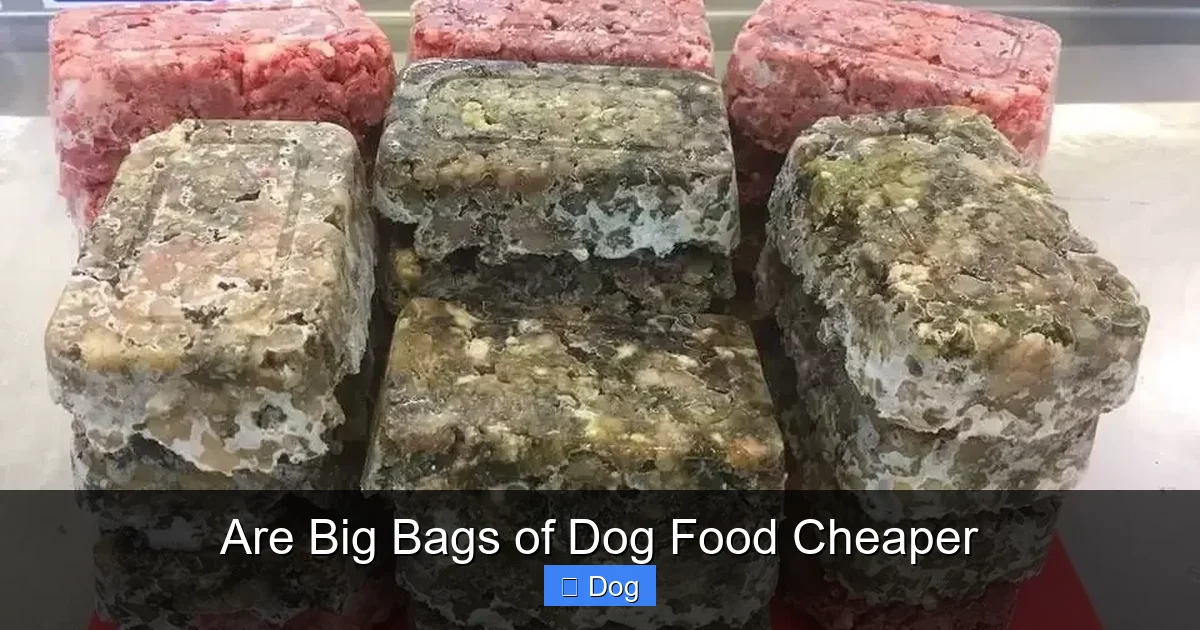
Visual guide about Are Big Bags of Dog Food Cheaper
Image source: dogsfirst.ie
When comparing dog food prices, the most important number isn’t the total cost—it’s the price per pound. This metric helps you see the real value, especially when bags come in different sizes. For example, a 15-pound bag might cost $30 ($2.00 per pound), while a 30-pound bag of the same brand costs $54 ($1.80 per pound). That’s a 10% savings per pound just for buying bigger.
But here’s the catch: those savings only matter if you can use all the food before it loses quality. Dry dog food typically stays fresh for about 4 to 6 weeks after opening, depending on storage conditions. If your dog only eats half a cup a day, a 30-pound bag could last months—long after the kibble has started to go stale.
Let’s look at a real-world example. Suppose you have a medium-sized dog who eats 2 cups of food per day. A standard 4-cup cup holds about 1 pound of kibble, so your dog eats roughly 0.5 pounds per day. That means a 30-pound bag would last about 60 days. If the food stays fresh for 6 weeks (42 days), you’ll have 18 days’ worth of food left that may not be at its best. Over time, that wasted food adds up.
On the other hand, if you have two large dogs or a very active pup who eats 4 cups a day, that same 30-pound bag lasts just 15 days—well within the freshness window. In that case, the bulk purchase is a clear win.
How to Calculate Your Dog’s Food Needs
To determine whether a big bag is right for you, start by calculating your dog’s daily intake. Check the feeding guidelines on the bag—most brands recommend amounts based on weight. For instance:
– A 20-pound dog might need 1 to 1.5 cups per day
– A 50-pound dog might need 2.5 to 3 cups
– A 90-pound dog could eat 4 to 5 cups
Multiply that by 30 to estimate monthly consumption. Then, compare it to the bag size. If a 20-pound bag lasts you 3 weeks and a 40-pound bag lasts 6 weeks, and both are consumed within the freshness period, the larger bag is likely cheaper per meal.
Unit Price Comparison: A Shopper’s Best Friend
Always check the unit price tag on the shelf. Most grocery and pet stores display the price per pound or per kilogram right below the product. This makes it easy to compare different sizes and brands at a glance.
For example:
– 5 lb bag: $12.99 → $2.60/lb
– 15 lb bag: $32.99 → $2.20/lb
– 30 lb bag: $59.99 → $2.00/lb
In this case, the 30-pound bag offers the best value—but only if you can use it all in time. If you’d have to throw away 10 pounds because it went stale, your effective cost per pound jumps to over $2.50, wiping out the savings.
Storage Matters: Keeping Big Bags Fresh
One of the biggest risks of buying large bags of dog food is improper storage. Once you open a bag, exposure to air, moisture, and pests can quickly degrade the food’s quality. Rancid fats, mold, or insect infestations not only ruin the taste but can also make your dog sick.
The Right Way to Store Opened Dog Food
The best practice is to transfer the kibble to an airtight container as soon as you open the bag. Look for containers made of BPA-free plastic or stainless steel with a tight-sealing lid. Some pet owners use large food storage bins with wheels for easy access, especially for 30- or 40-pound bags.
Avoid leaving food in the original bag and folding the top over—this doesn’t create a true seal. Even “resealable” bags lose their effectiveness after a few openings. Oxygen absorbers or vacuum-sealed containers can extend freshness, but they’re not always practical for daily use.
Where to Store Your Dog Food
Keep the container in a cool, dry place away from direct sunlight and heat sources like radiators or garages. Heat accelerates the breakdown of fats in kibble, leading to rancidity. Humidity can promote mold growth. A pantry, closet, or dedicated pet food cabinet indoors is ideal.
Never store dog food in a garage or shed, especially in hot or humid climates. Temperature fluctuations can cause condensation inside the container, creating a breeding ground for bacteria and pests.
Signs Your Dog Food Has Gone Bad
Even with proper storage, it’s important to check the food regularly. Signs of spoilage include:
– A sour or rancid smell
– Discoloration or mold spots
– Clumping or moisture inside the container
– Insects or webbing (signs of infestation)
If you notice any of these, discard the food immediately. Don’t risk your dog’s health for the sake of saving a few dollars.
When Big Bags Make Sense (And When They Don’t)
So, are big bags of dog food cheaper? The answer depends on your household. Let’s look at scenarios where bulk buying shines—and where it falls short.
Great for Multi-Dog Homes
If you have two or more dogs, large bags are almost always a smart choice. More mouths mean faster consumption, so the food is used up before it loses quality. For example, a household with three medium dogs eating a total of 6 cups per day will go through a 30-pound bag in about 10 days—well within the freshness window.
Plus, buying in bulk reduces the number of shopping trips and packaging waste, which is better for your schedule and the environment.
Ideal for Large or Active Dogs
Big dogs and high-energy breeds like Border Collies, German Shepherds, or Labrador Retrievers eat more food. A 100-pound dog might consume 5 to 6 cups daily, meaning a 40-pound bag lasts just over a week. In this case, buying smaller bags would be inconvenient and more expensive over time.
Not Ideal for Small Dogs or Slow Eaters
Small dogs, senior dogs, or those with health issues often eat less. A 10-pound Chihuahua might only need half a cup per day. At that rate, a 20-pound bag could last over three months—long after the food has lost its freshness.
In these cases, smaller bags (4 to 10 pounds) are a better fit. They’re easier to store, less likely to spoil, and often come in resealable packaging that helps maintain quality.
Traveling or Moving? Think Twice
If you’re planning a move or frequent travel with your dog, a giant bag of food can be a logistical headache. It’s heavy, hard to transport, and may not be practical if you’re staying in temporary housing. Smaller, portable bags are more convenient for on-the-go lifestyles.
Quality vs. Quantity: Does Bigger Mean Better?
Another factor to consider is whether the larger bag contains the same quality ingredients as the smaller version. Some brands use cheaper fillers or lower-grade proteins in their bulk offerings to keep costs down. Always read the ingredient list, not just the front label.
Check the Ingredient Panel
Look for whole meats (like “chicken” or “salmon”) as the first ingredient, not by-products or meat meals unless specified as high-quality. Avoid foods with excessive corn, soy, or artificial preservatives like BHA or BHT.
Just because a bag is big doesn’t mean it’s nutritious. A 40-pound bag of low-quality kibble might cost less per pound, but it could lead to health issues down the line—like allergies, digestive problems, or obesity—costing you more in vet bills.
Premium Brands and Bulk Pricing
Many premium dog food brands (like Orijen, Wellness, or Blue Buffalo) offer larger bags at a slight discount, but the price per pound is still higher than budget brands. For example:
– Budget brand: $1.50/lb (30 lb bag)
– Premium brand: $3.00/lb (30 lb bag)
If your dog has specific dietary needs or you prioritize high-quality ingredients, the extra cost may be worth it—even if the savings aren’t as dramatic.
Subscription Services and Online Deals
Online retailers like Chewy, Amazon, and Petco often offer discounts on large bags, especially with subscription services. These programs let you set up automatic deliveries every 4, 6, or 8 weeks, and you usually get 5% to 10% off each order.
Benefits of Auto-Ship
– Convenience: No more last-minute runs to the store
– Savings: Recurring discounts add up over time
– Freshness: Regular deliveries mean you’re always getting new food
For example, Chewy’s Autoship program offers free shipping and discounts on recurring orders. If you buy a 30-pound bag of food every 6 weeks, you’ll never run out—and you’ll save money compared to buying smaller bags at full price.
Watch for Promotions
Online retailers frequently run sales on large bags, especially during holidays or seasonal events. Sign up for email alerts or check deal sites like Slickdeals to catch discounts on your dog’s favorite food.
Just be sure to compare the final price (including shipping) to in-store options. Sometimes, the “deal” online isn’t as good as it looks once you factor in delivery fees.
Environmental and Practical Considerations
Buying in bulk isn’t just about saving money—it can also reduce waste. Larger bags use less packaging per pound of food, which means fewer plastic bags ending up in landfills.
Reducing Plastic Waste
A 40-pound bag uses one plastic bag, while eight 5-pound bags use eight. That’s a significant difference in packaging. If you’re environmentally conscious, bulk buying is a greener choice—provided you can use all the food.
Space and Handling
Of course, big bags take up space. You’ll need room to store the bag and a container. They’re also heavy—lifting a 40-pound bag can be tough, especially for older adults or those with mobility issues.
Consider where you’ll keep the food and whether you can safely handle the weight. Some stores offer curbside pickup or delivery, which can make bulk buying easier.
Final Tips for Smart Dog Food Shopping
To get the most value from your dog food purchases, keep these tips in mind:
– Calculate your dog’s intake: Know how much your dog eats daily and how long a bag will last.
– Check the expiration date: Make sure the food won’t expire before your dog finishes it.
– Store properly: Use airtight containers and keep food in a cool, dry place.
– Compare unit prices: Always look at the price per pound, not the total cost.
– Consider subscriptions: Auto-ship programs can save time and money.
– Don’t compromise on quality: Cheap food isn’t a bargain if it harms your dog’s health.
Conclusion: Are Big Bags of Dog Food Cheaper?
So, are big bags of dog food cheaper? The short answer is: often, yes—but only under the right conditions. If you have a large dog, multiple dogs, or a high-eater, buying in bulk can save you money per pound and reduce shopping trips. The key is ensuring the food stays fresh and is consumed within 4 to 6 weeks of opening.
For smaller dogs or households with limited storage, smaller bags may be the smarter, safer choice. And no matter the size, always prioritize quality ingredients and proper storage.
Ultimately, the best dog food is one that’s affordable, nutritious, and enjoyed by your pup. By doing the math, planning ahead, and storing food correctly, you can make bulk buying work for your family—and give your dog the healthy meals they deserve.
Frequently Asked Questions
Are big bags of dog food cheaper per pound?
Yes, larger bags typically cost less per pound than smaller ones. This is because packaging and production costs are spread over more food, making bulk purchases more economical—if used before spoilage.
How long does opened dog food stay fresh?
Opened dry dog food stays fresh for about 4 to 6 weeks when stored properly in an airtight container in a cool, dry place. After that, fats can go rancid and nutrients may degrade.
Can I freeze dog food to make it last longer?
Freezing unopened bags can extend shelf life, but once opened, freezing kibble isn’t recommended. It can cause condensation when thawed, leading to mold or spoilage. Use airtight containers instead.
Is it safe to buy dog food in bulk online?
Yes, as long as you buy from reputable retailers and check expiration dates. Online stores often offer better prices and subscription discounts, but ensure the food won’t sit in a warehouse too long.
What should I do if my dog won’t eat food from a big bag?
If your dog turns up their nose, the food may have lost freshness or developed an off smell. Store it properly, check for spoilage, and consider switching to smaller bags if the issue persists.
Do all dog food brands offer discounts on large bags?
Most brands do offer lower per-pound prices on larger sizes, but the discount varies. Premium brands may have smaller savings, while budget brands often have the biggest bulk discounts.