

Are canned foods bad for dogs? Not necessarily—wet dog food can be a healthy, hydrating, and tasty option when chosen wisely. However, not all canned foods are created equal. Some contain fillers, artificial additives, or excessive sodium that may harm your dog over time. The key is reading labels, understanding ingredients, and feeding in moderation.
Key Takeaways
- Hydration Boost: Canned foods have high moisture content, helping keep dogs hydrated—especially helpful for picky drinkers or senior dogs.
- Digestibility: Wet food is often easier to chew and digest, making it ideal for puppies, seniors, or dogs with dental issues.
- Ingredient Quality Matters: Look for real meat as the first ingredient and avoid fillers like corn, soy, and by-products.
- Watch the Sodium: Some canned foods are high in salt, which can lead to health problems in dogs with heart or kidney conditions.
- Portion Control is Key: Canned food is calorie-dense, so overfeeding can lead to obesity if not balanced with activity.
- Storage and Safety: Once opened, refrigerate leftovers and use within 3–5 days to prevent bacterial growth.
- Consult Your Vet: Always talk to your veterinarian before switching your dog to a new diet, especially if they have health concerns.
📑 Table of Contents
- Are Canned Foods Bad for Dogs? The Truth You Need to Know
- What Is Canned Dog Food?
- The Benefits of Canned Dog Food
- Potential Downsides of Canned Dog Food
- How to Choose the Best Canned Dog Food
- How to Safely Feed Canned Food to Your Dog
- When to Avoid Canned Food
- Conclusion: Are Canned Foods Bad for Dogs?
Are Canned Foods Bad for Dogs? The Truth You Need to Know
When it comes to feeding your dog, the choices can feel endless. Dry kibble, raw diets, homemade meals, and canned foods—each option comes with its own set of pros and cons. One question that keeps popping up among dog owners is: Are canned foods bad for dogs? It’s a fair concern. After all, we want what’s best for our furry companions, and the idea of feeding them something preserved in a can might raise a few red flags.
But here’s the good news: canned dog food isn’t inherently bad. In fact, for many dogs, it can be a fantastic addition to their diet. The real issue isn’t the can itself—it’s what’s inside. Like any pet food, the quality of ingredients, nutritional balance, and your dog’s individual needs all play a role in determining whether canned food is a good fit.
In this guide, we’ll break down everything you need to know about canned dog food. We’ll explore its benefits, potential drawbacks, how to read labels like a pro, and tips for safely incorporating wet food into your dog’s routine. Whether you’re considering switching from kibble or just want to mix things up, this article will help you make an informed decision—without the guesswork.
What Is Canned Dog Food?
Visual guide about Are Canned Foods Bad for Dogs
Image source: m.media-amazon.com
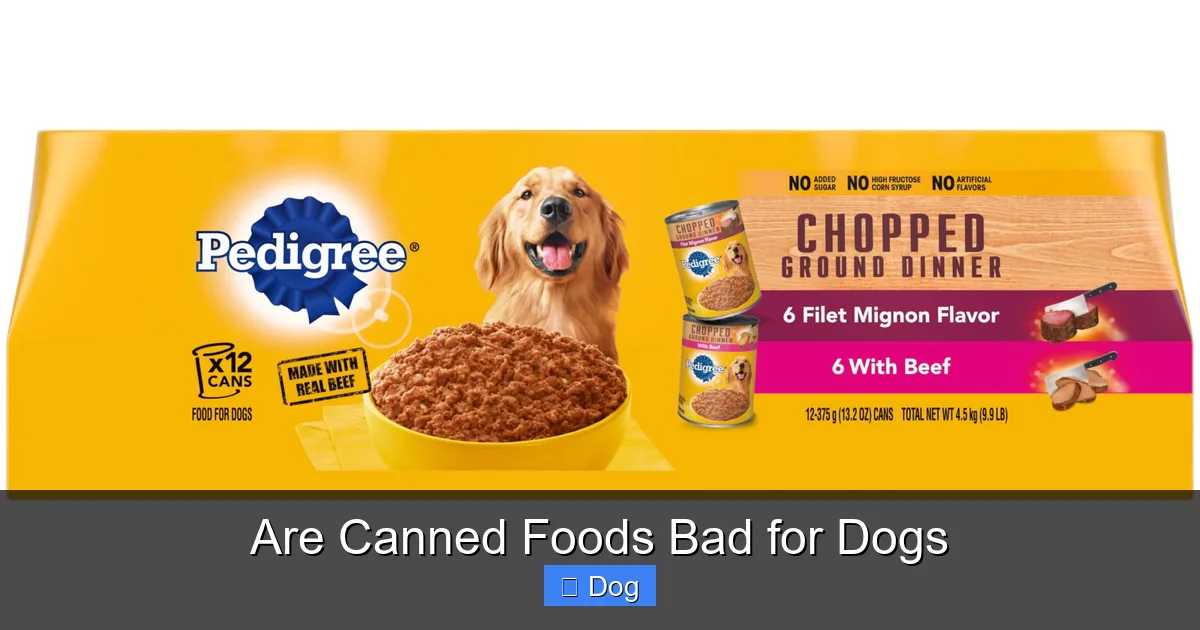
Canned dog food, also known as wet dog food, is a type of commercially prepared pet food that comes sealed in a metal can. Unlike dry kibble, which is baked and dehydrated, canned food is cooked and preserved in its own juices or with added water, broth, or gravy. This process helps retain moisture, flavor, and nutrients, giving it a soft, meaty texture that many dogs find irresistible.
Most canned foods are made from a blend of animal proteins, vegetables, grains (or grain-free alternatives), vitamins, and minerals. They’re formulated to meet the nutritional standards set by organizations like the Association of American Feed Control Officials (AAFCO), ensuring they provide complete and balanced nutrition for dogs at various life stages.
There are several types of canned dog food available:
- Paté: Smooth and uniform in texture, often easier for small dogs or those with dental problems to eat.
- Chunks in Gravy: Features bite-sized pieces of meat suspended in a flavorful liquid, appealing to dogs who enjoy a saucy meal.
- Shredded or Flaked: Resembles cooked chicken or turkey, with a tender, flaky texture.
- Raw or Fresh-Pressed: Some premium brands offer minimally processed canned food that mimics raw diets, often labeled as “fresh” or “raw-inspired.”
One of the biggest differences between canned and dry food is moisture content. While kibble typically contains about 10% water, canned food can have up to 78% moisture. This makes it an excellent choice for dogs who don’t drink enough water on their own—especially in hot climates or during illness.
The Benefits of Canned Dog Food
So, why would you consider feeding your dog canned food? There are several compelling reasons, backed by both science and real-world experience.
Improved Hydration
One of the most significant advantages of canned food is its high water content. Dogs, like humans, need adequate hydration to support kidney function, digestion, and overall health. Unfortunately, many dogs don’t drink enough water, especially if they’re on a dry food diet.
By incorporating wet food into their meals, you’re essentially giving them a built-in water source. This is particularly beneficial for:
- Senior dogs: Older dogs may have reduced thirst sensation and are more prone to dehydration.
- Dogs with kidney issues: Increased fluid intake can help support kidney function and reduce the risk of urinary tract problems.
- Picky drinkers: Some dogs simply refuse to drink from their bowl, no matter how clean or fresh the water is.
For example, a 50-pound dog eating only dry food might need to drink about 16–20 ounces of water per day. But if half their diet is canned food, they could get up to 10 ounces of that water directly from their meal—cutting their need to drink in half.
Enhanced Palatability and Appetite Stimulation
Let’s face it—canned food smells and tastes better to most dogs. The rich aroma of cooked meat and broth can make even the pickiest eater perk up at mealtime. This is especially helpful for:
- Sick or recovering dogs: Illness often reduces appetite. The strong scent and soft texture of wet food can encourage eating when your dog needs nutrients most.
- Underweight dogs: If your dog is struggling to gain weight, the calorie-dense nature of canned food can help boost their intake.
- Dogs on medication: Some medications cause nausea or loss of appetite. Mixing a small amount of wet food with their regular meal can make it more appealing.
I remember when my own dog, Max, had dental surgery. He refused to eat his kibble for days. But the moment I opened a can of chicken and rice paté, he was back to his happy, tail-wagging self. It was a game-changer.
Easier Digestion and Chewing
Canned food is soft and easy to chew, making it ideal for dogs with dental problems, missing teeth, or jaw pain. It’s also gentler on the digestive system, which can be a relief for dogs with sensitive stomachs or food intolerances.
Unlike kibble, which requires more chewing and can sometimes cause gas or bloating, wet food breaks down more easily in the stomach. This can lead to better nutrient absorption and fewer digestive upsets.
Weight Management Support
While it might seem counterintuitive—since canned food is often more calorie-dense—wet food can actually help with weight management in some cases. Because it’s more filling due to its moisture content, dogs may feel satisfied with smaller portions. This can prevent overeating and help maintain a healthy weight.
Of course, this only works if you’re measuring portions correctly. More on that later.
Potential Downsides of Canned Dog Food
Despite its benefits, canned food isn’t perfect. There are some potential downsides to consider before making it a staple in your dog’s diet.
Higher Cost
One of the most obvious drawbacks is cost. Canned dog food is generally more expensive than dry kibble. A single can can cost anywhere from $1.50 to $4.00, depending on the brand and quality. For large dogs or multi-dog households, this can add up quickly.
For example, a 70-pound dog might need two cans per day, which could cost over $1,000 a year—compared to $300–$500 for high-quality kibble. If budget is a concern, you might consider using canned food as a topper or mixing it with dry food to stretch your dollars.
Shorter Shelf Life After Opening
Once you open a can, the clock starts ticking. Unlike kibble, which can sit in a bowl for hours (or even days), wet food spoils quickly. Bacteria can grow rapidly at room temperature, so it’s essential to refrigerate any leftovers and use them within 3–5 days.
This means you’ll need to plan meals more carefully and avoid leaving wet food out for too long. If your dog is a slow eater, consider serving smaller portions or using a timed feeder.
Risk of Dental Issues
Here’s a common misconception: canned food causes dental problems. While it’s true that wet food doesn’t provide the same abrasive action as kibble (which can help scrape away plaque), it doesn’t automatically lead to tooth decay.
The real issue is lack of dental care. If you’re feeding only wet food and not brushing your dog’s teeth or providing dental chews, plaque and tartar can build up over time. But the same is true for dogs on dry food who don’t get proper oral hygiene.
The solution? Combine canned food with regular dental care. Brush your dog’s teeth a few times a week, offer dental treats, or use water additives to support oral health.
Ingredient Quality Varies Widely
Not all canned foods are created equal. Some budget brands use low-quality ingredients like meat by-products, fillers, artificial preservatives, and excessive sodium. These can be harmful over time, especially for dogs with allergies, sensitivities, or chronic health conditions.
For instance, a can labeled “chicken flavor” might contain very little real chicken—instead relying on plant-based proteins and flavor enhancers. Similarly, some brands use carrageenan, a thickening agent that has been linked to inflammation in some studies.
Always read the ingredient list and choose brands that prioritize whole, recognizable ingredients.
How to Choose the Best Canned Dog Food
With so many options on the market, how do you pick the right one? Here’s a step-by-step guide to help you make a smart choice.
Check the Ingredient List
The first few ingredients matter most. Look for:
- Real meat as the first ingredient: Such as “chicken,” “beef,” or “salmon”—not “meat meal” or “by-products.”
- Named meat meals: Like “chicken meal” or “lamb meal”—these are concentrated sources of protein.
- Whole vegetables and fruits: Such as sweet potatoes, carrots, or blueberries—avoid vague terms like “vegetable blend.”
- No artificial additives: Steer clear of BHA, BHT, ethoxyquin, and artificial colors or flavors.
Avoid foods with excessive fillers like corn, wheat, or soy—especially if your dog has allergies.
Look for AAFCO Statements
Make sure the food meets AAFCO nutritional standards. The label should say something like: “Formulated to meet the nutritional levels established by the AAFCO Dog Food Nutrient Profiles for [life stage].” This ensures the food is complete and balanced.
Consider Your Dog’s Needs
Different dogs have different requirements:
- Puppies: Need higher protein and fat for growth. Look for formulas labeled “puppy” or “growth.”
- Adult dogs: Require balanced nutrition for maintenance. Choose “adult” or “all life stages” formulas.
- Seniors: May benefit from lower-calorie, joint-supporting formulas with added glucosamine.
- Dogs with allergies: Opt for limited-ingredient diets with novel proteins like duck, venison, or fish.
Watch the Sodium Content
Some canned foods are high in sodium, which can be dangerous for dogs with heart or kidney disease. Check the guaranteed analysis on the label. A safe sodium level is generally under 0.3% on a dry matter basis.
To calculate dry matter, use this formula:
(Sodium % ÷ (100 – moisture %)) × 100
For example, if a can has 0.2% sodium and 78% moisture:
(0.2 ÷ (100 – 78)) × 100 = 0.91%
That’s a bit high. Aim for under 0.3%.
Try Small Batches First
Before committing to a large purchase, buy a single can or a small pack to test it out. See if your dog likes the taste, and monitor for any digestive changes like gas, diarrhea, or vomiting.
How to Safely Feed Canned Food to Your Dog
Once you’ve chosen a quality canned food, it’s important to feed it correctly.
Portion Control
Canned food is calorie-dense, so overfeeding can lead to weight gain. Follow the feeding guidelines on the label, but adjust based on your dog’s age, size, activity level, and metabolism.
For example, a 30-pound active dog might need one 13-ounce can per day, while a sedentary 50-pound dog might only need 1.5 cans. When in doubt, consult your vet.
Mixing with Kibble
Many owners mix wet and dry food to get the best of both worlds. This can improve palatability, add moisture, and help control costs. A common ratio is 1/3 canned to 2/3 kibble.
Just remember to reduce the kibble portion to avoid overfeeding. If you normally feed 2 cups of kibble, reduce it to 1.5 cups when adding half a can of wet food.
Storage Tips
- Store unopened cans in a cool, dry place.
- Once opened, transfer leftovers to an airtight container and refrigerate.
- Use within 3–5 days.
- Never leave wet food out for more than 1–2 hours at room temperature.
Transition Gradually
If switching from dry to wet food, do it slowly over 7–10 days. Start by mixing a small amount of canned food with kibble, gradually increasing the proportion. This helps prevent digestive upset.
When to Avoid Canned Food
While canned food is safe for most dogs, there are a few situations where it might not be the best choice.
- Dogs with severe kidney disease: Some wet foods are high in phosphorus, which can worsen kidney function. Your vet may recommend a prescription diet instead.
- Dogs prone to pancreatitis: High-fat canned foods can trigger inflammation. Choose low-fat formulas if this is a concern.
- Overweight dogs on strict diets: If your dog needs to lose weight, your vet might recommend a low-calorie dry food or a prescription weight management diet.
- Travel or camping: Canned food is heavy and perishable, making it less practical for long trips.
Always consult your veterinarian before making major dietary changes, especially for dogs with health conditions.
Conclusion: Are Canned Foods Bad for Dogs?
So, are canned foods bad for dogs? The short answer is no—when chosen wisely and fed appropriately, canned dog food can be a healthy, enjoyable, and nutritious part of your dog’s diet.
The key is understanding what’s inside the can. High-quality wet food with real meat, minimal fillers, and balanced nutrition can support hydration, digestion, and overall well-being. It’s especially helpful for picky eaters, seniors, and dogs with medical needs.
But like any food, it’s not a one-size-fits-all solution. Cost, storage, dental care, and individual health must all be considered. And remember, the best diet for your dog is one that’s tailored to their unique needs—guided by love, knowledge, and a little help from your vet.
Whether you feed all wet, all dry, or a mix of both, what matters most is that your dog is happy, healthy, and well-fed. So go ahead—open that can with confidence. Your pup will thank you with a wagging tail and a full belly.
Frequently Asked Questions
Can I feed my dog only canned food?
Yes, you can feed your dog an all-canned diet as long as it’s nutritionally complete and balanced. Just make sure to choose a high-quality brand that meets AAFCO standards and monitor your dog’s weight and health regularly.
Is canned food better than dry food for dogs?
It depends on your dog’s needs. Canned food offers more moisture and is often more palatable, while dry food is convenient and can support dental health. Many owners find a mix of both works best.
Can puppies eat canned dog food?
Yes, puppies can eat canned food, especially if it’s labeled for “growth” or “all life stages.” Wet food is easier to chew and digest, making it a great option for young dogs.
How long can I leave canned food out for my dog?
Never leave opened canned food out for more than 1–2 hours at room temperature. Bacteria can grow quickly, increasing the risk of foodborne illness.
Can canned food cause diarrhea in dogs?
It can, especially if your dog isn’t used to it or if the food contains ingredients they’re sensitive to. Always transition slowly and choose high-quality brands to minimize digestive upset.
Should I refrigerate leftover canned dog food?
Yes, always refrigerate leftovers in an airtight container and use within 3–5 days. This prevents spoilage and keeps the food safe for your dog to eat.