

Cat food is not suitable for dogs and can lead to serious health issues over time. While an occasional nibble won’t harm your dog, regular consumption lacks essential nutrients dogs need and contains too much protein and fat for their system.
Key Takeaways
- Cat food is too high in protein and fat for dogs: Dogs have different nutritional needs, and cat food can overload their system with excess calories and nutrients.
- Dogs lack certain enzymes to process cat food properly: Their digestive systems aren’t designed to handle the high taurine and vitamin A levels found in cat food.
- Long-term feeding can cause obesity and pancreatitis: The rich fat content in cat food increases the risk of weight gain and inflammation of the pancreas in dogs.
- Cat food doesn’t meet AAFCO dog nutrition standards: It’s formulated for obligate carnivores, not omnivorous canines, leading to nutritional imbalances.
- Accidental ingestion is usually harmless: A small amount once in a while won’t hurt, but it shouldn’t become a habit.
- Always choose dog-specific food for daily meals: High-quality dog food supports joint health, digestion, and energy levels tailored to your dog’s breed and size.
- Consult your vet if your dog eats cat food regularly: They can assess any health risks and recommend a proper diet plan.
📑 Table of Contents
- Are Cat Food Good for Dogs? The Truth Every Dog Owner Should Know
- Understanding the Nutritional Differences Between Cats and Dogs
- What Happens When Dogs Eat Cat Food?
- Why Do Dogs Love Cat Food So Much?
- How to Prevent Your Dog from Eating Cat Food
- What to Do If Your Dog Eats Cat Food
- Choosing the Right Food for Your Dog
- Conclusion: Keep Your Dog Safe and Healthy
Are Cat Food Good for Dogs? The Truth Every Dog Owner Should Know
You’ve probably seen it happen—your dog sneaks into the kitchen, spots the open bag of cat food, and helps themselves to a few crunchy kibbles. It looks harmless, even cute. But is it really safe? Can dogs eat cat food without consequences?
The short answer? No, cat food is not good for dogs—especially not as a regular part of their diet. While a bite or two won’t send your pup to the emergency room, making cat food a staple in your dog’s meals can lead to serious health problems over time. Dogs and cats have very different nutritional needs, and what’s perfect for your feline friend could be harmful to your canine companion.
In this article, we’ll dive deep into why cat food isn’t suitable for dogs, what happens when dogs eat it regularly, and how to keep your dog healthy with the right food choices. Whether you’re a new dog owner or a seasoned pet parent, understanding the differences between dog and cat nutrition is essential for your dog’s long-term well-being.
Understanding the Nutritional Differences Between Cats and Dogs
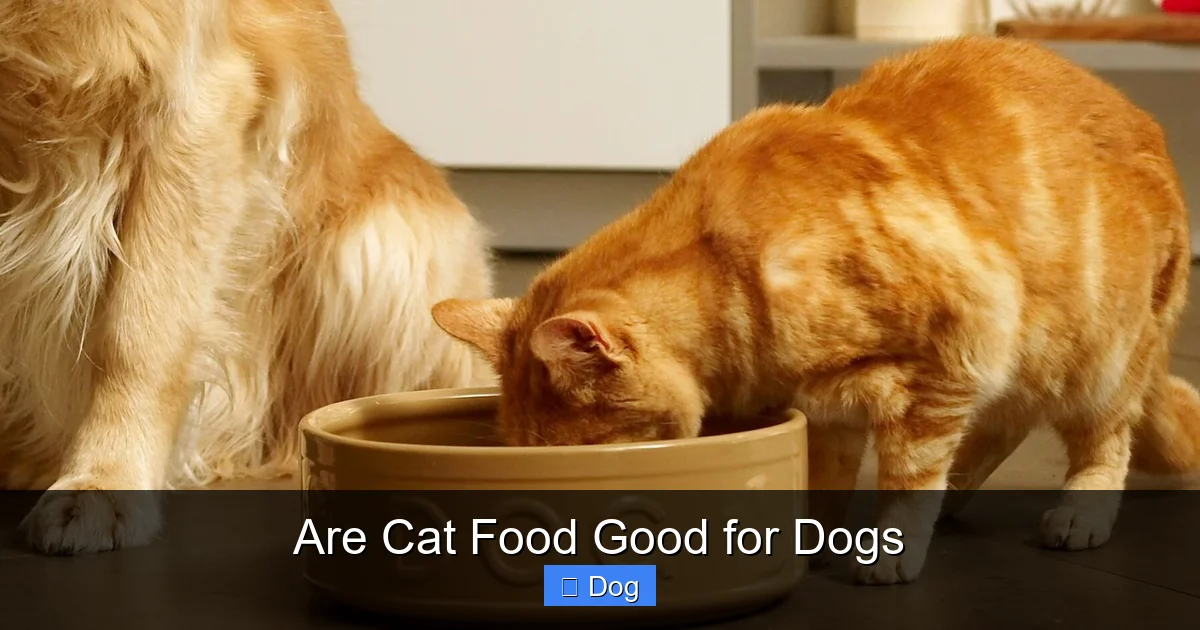
Visual guide about Are Cat Food Good for Dogs
Image source: cronullavetclinic.com.au
To understand why cat food isn’t good for dogs, we first need to look at the biology of both animals. Cats and dogs may seem similar—both are beloved pets, both love treats, and both enjoy a good nap in the sun. But when it comes to nutrition, they’re worlds apart.
Cats are obligate carnivores. This means their bodies are designed to thrive on a meat-based diet. They require high levels of animal protein, specific amino acids like taurine, and preformed vitamin A (retinol), which they can only get from animal sources. Cats also need arachidonic acid and arachidonic acid derivatives, which dogs can synthesize on their own.
Dogs, on the other hand, are omnivores. While they do need protein, they can also digest and benefit from carbohydrates, fruits, and vegetables. Their bodies are more flexible when it comes to processing different types of food. Dogs can convert beta-carotene (found in plants) into vitamin A, and they don’t require preformed vitamin A like cats do.
Protein and Fat Content: A Major Difference
One of the biggest differences between cat and dog food is the protein and fat content. Cat food is typically much higher in both. For example, many dry cat foods contain 30–40% protein and 15–20% fat, while dog food usually ranges from 18–25% protein and 10–15% fat.
This high protein and fat content is ideal for cats, who need the energy to stay active and maintain muscle mass. But for dogs, especially less active ones, this can be too much. Consuming too much fat can lead to weight gain, obesity, and even pancreatitis—a painful and potentially life-threatening inflammation of the pancreas.
Vitamins and Minerals: What’s Missing or Excessive?
Cat food is fortified with nutrients that cats need but dogs don’t require in the same amounts. For instance, cat food contains high levels of taurine, an amino acid essential for feline heart and eye health. While dogs also benefit from taurine, they can produce it themselves from other amino acids like methionine and cysteine. Feeding your dog too much taurine isn’t necessarily harmful, but it’s unnecessary and can throw off their nutritional balance.
Another concern is vitamin A. Cats cannot convert plant-based carotenoids into active vitamin A, so their food must contain preformed vitamin A (retinol). Dog food, however, often uses beta-carotene, which dogs can convert as needed. If a dog eats too much preformed vitamin A from cat food over time, it can lead to vitamin A toxicity, causing bone deformities, joint pain, and even liver damage.
Taurine and Arachidonic Acid: Feline-Specific Needs
Taurine and arachidonic acid are two nutrients that highlight the biological gap between cats and dogs. Cats must get taurine directly from their diet because they can’t synthesize enough on their own. A deficiency can lead to dilated cardiomyopathy (a heart condition) and vision problems.
Dogs, however, can make their own taurine, so they don’t need as much in their food. While some dog foods do include taurine for heart health, it’s not a dietary requirement like it is for cats.
Arachidonic acid is another example. Cats need it in their diet because they can’t produce it from linoleic acid. Dogs, however, can convert linoleic acid into arachidonic acid, so they don’t need it pre-formed in their food. Cat food is rich in arachidonic acid, which is unnecessary—and potentially excessive—for dogs.
What Happens When Dogs Eat Cat Food?
So, what’s the real risk if your dog sneaks a few bites of cat food? Is it really that bad?
The answer depends on how often it happens and how much they eat.
Occasional Ingestion: Usually Harmless
If your dog eats a small amount of cat food once in a while—say, they steal a few kibbles while you’re not looking—it’s unlikely to cause any harm. Most dogs will experience nothing more than a slightly upset stomach, maybe some gas or loose stool. Their bodies can handle the occasional deviation from their normal diet.
In fact, many dog owners report that their dogs have eaten cat food by accident and were completely fine. The key word here is “occasional.” A one-time snack won’t hurt, but it shouldn’t become a habit.
Regular Consumption: Health Risks Add Up
The real danger comes when dogs eat cat food regularly—daily or even several times a week. Over time, the high fat and protein content can lead to serious health issues.
One of the most common problems is obesity. Cat food is calorie-dense, and dogs who eat it regularly may consume more calories than they burn. This leads to weight gain, which in turn increases the risk of diabetes, joint problems, heart disease, and reduced lifespan.
Another major concern is pancreatitis. The pancreas produces enzymes that help digest food, especially fats. When a dog eats a high-fat meal—like cat food—the pancreas has to work overtime. Repeated stress can cause inflammation, leading to pancreatitis. Symptoms include vomiting, abdominal pain, loss of appetite, and lethargy. In severe cases, it can be fatal.
Digestive Upsets and Nutritional Imbalances
Even if your dog doesn’t gain weight or develop pancreatitis, regular cat food consumption can still cause digestive issues. Dogs may experience diarrhea, vomiting, or gas due to the rich, fatty content. Their stomachs simply aren’t built to process such a high-fat diet on a daily basis.
Over time, nutritional imbalances can also occur. While cat food is packed with certain nutrients, it lacks others that dogs need. For example, dog food often includes fiber from grains, vegetables, and legumes to support digestion and gut health. Cat food typically has very little fiber, which can lead to constipation or irregular bowel movements in dogs.
Additionally, dog food is formulated to support joint health, skin and coat condition, and immune function with ingredients like glucosamine, omega-3 fatty acids, and antioxidants. Cat food doesn’t prioritize these nutrients in the same way, so dogs who eat it regularly may miss out on key health benefits.
Why Do Dogs Love Cat Food So Much?
If cat food is so bad for dogs, why do they seem to love it so much? There are a few reasons why your dog might be drawn to your cat’s food.
Strong Smell and Flavor
Cat food is designed to be highly palatable to cats, who have a strong sense of smell and taste. It’s often made with strong-smelling ingredients like fish, liver, and meat by-products. These aromas can be irresistible to dogs, even though they don’t need the same flavors.
The high fat content also makes cat food taste richer and more appealing. Dogs are naturally attracted to fatty, meaty flavors, which is why they’ll often go after cat food before their own kibble.
Curiosity and Opportunism
Dogs are curious creatures. If they see your cat eating something, they may want to try it too—just to see what all the fuss is about. Plus, if the cat food is left out in an accessible bowl, dogs see it as an easy snack.
Some dogs also eat cat food out of boredom or because they’re not getting enough stimulation from their own meals. If your dog’s food is bland or they’re not eating enough, they may seek out more flavorful options—like cat food.
Competition and Food Guarding
In multi-pet households, food competition can play a role. If your dog sees your cat eating and feels left out, they might try to steal a bite. Or, if your dog is food-motivated, they may see the cat’s food as a higher-value meal and go after it.
In some cases, dogs may even guard the cat’s food, eating it quickly before the cat gets a chance. This behavior can lead to overeating and digestive issues.
How to Prevent Your Dog from Eating Cat Food
Now that you know the risks, you’re probably wondering: how can I stop my dog from eating cat food?
The good news is, there are several practical steps you can take to keep your dog safe and your cat well-fed.
Feed Pets Separately
One of the best ways to prevent cross-feeding is to feed your pets in separate rooms. Feed your cat in a quiet, enclosed space where your dog can’t access the food. Use baby gates or pet barriers if necessary.
If your dog tends to sneak in during mealtime, consider feeding your cat when your dog is outside or in another room. This reduces temptation and gives your cat a peaceful eating environment.
Use Elevated Feeders or Puzzle Bowls
Some pet owners use elevated feeders for their cats, placing the food on a high surface that dogs can’t reach. Cat trees, shelves, or countertops can work well—just make sure your cat can access them safely.
Puzzle feeders or slow-feed bowls can also help. These devices make eating more challenging and engaging, which can slow down your cat’s eating and reduce the chance of your dog swooping in.
Train Your Dog to Stay Away
Basic obedience training can go a long way. Teach your dog commands like “leave it” or “stay” to prevent them from approaching the cat’s food. Positive reinforcement—like treats and praise—can help reinforce good behavior.
If your dog has a strong food drive, consider working with a professional trainer to address the behavior. They can help you develop strategies to manage food-related impulses.
Choose High-Quality Dog Food
Sometimes, dogs eat cat food because they’re not satisfied with their own meals. If your dog’s food is low-quality or lacks flavor, they may seek out something more appealing.
Invest in a high-quality dog food that’s rich in real meat, healthy fats, and digestible carbohydrates. Look for brands that meet AAFCO (Association of American Feed Control Officials) standards and are formulated for your dog’s life stage and size.
Rotating flavors or adding wet food as a topper can also make meals more exciting and reduce the temptation to eat cat food.
Monitor Feeding Times and Clean Up Promptly
Don’t leave cat food out all day. Use scheduled feeding times and remove the bowl once your cat is done eating. This prevents your dog from sneaking bites later.
Also, clean up any spilled kibble or food debris right away. Even small amounts can attract your dog and encourage them to keep coming back.
What to Do If Your Dog Eats Cat Food
Accidents happen. If your dog eats cat food, here’s what you should do.
Assess the Amount and Frequency
First, determine how much your dog ate and how often it’s happened. A few kibbles once? Probably nothing to worry about. A whole bowl daily for a week? That’s a concern.
If it was a one-time incident, monitor your dog for signs of digestive upset, such as vomiting, diarrhea, or lethargy. Most dogs will be fine within 24 hours.
Watch for Symptoms of Pancreatitis
If your dog ate a large amount of cat food—especially if it was high in fat—watch for signs of pancreatitis. These include:
– Vomiting
– Abdominal pain (your dog may whimper or avoid being touched)
– Loss of appetite
– Lethargy or depression
– Fever
If you notice any of these symptoms, contact your veterinarian immediately. Pancreatitis can escalate quickly and requires prompt medical attention.
Adjust Your Dog’s Diet Temporarily
After your dog eats cat food, consider feeding them a bland diet for a day or two to let their stomach settle. Boiled chicken (no skin or bones) and plain white rice are gentle on the digestive system.
Avoid giving treats or rich foods until your dog’s stool returns to normal. Once they’re feeling better, resume their regular diet.
Consult Your Veterinarian if It Happens Often
If your dog regularly eats cat food—even in small amounts—it’s a good idea to talk to your vet. They can assess your dog’s overall health, check for nutritional imbalances, and recommend a diet plan that meets their needs.
Your vet may also suggest blood tests to check for signs of pancreatitis, liver issues, or vitamin toxicity, especially if your dog has been eating cat food for a long time.
Choosing the Right Food for Your Dog
The best way to keep your dog healthy is to feed them a balanced, species-appropriate diet. Here’s what to look for in high-quality dog food.
AAFCO Compliance
Always choose dog food that meets AAFCO nutritional standards. Look for a statement on the label that says the food is “complete and balanced” for your dog’s life stage (puppy, adult, or senior).
High-Quality Protein Sources
The first ingredient should be a named meat source, like chicken, beef, or salmon—not “meat by-products” or “animal digest.” Dogs need real protein to build and maintain muscle.
Healthy Fats and Carbohydrates
Look for healthy fats like chicken fat, flaxseed, or fish oil, which support skin, coat, and brain health. Carbohydrates should come from digestible sources like sweet potatoes, brown rice, or oats—not fillers like corn or soy.
Added Nutrients for Specific Needs
Depending on your dog’s age, breed, and health, you may want food with added glucosamine (for joints), probiotics (for digestion), or omega-3 fatty acids (for inflammation and coat health).
Avoid Artificial Additives
Steer clear of foods with artificial colors, flavors, or preservatives like BHA, BHT, or ethoxyquin. These can cause allergies or long-term health issues.
Conclusion: Keep Your Dog Safe and Healthy
So, are cat food good for dogs? The answer is clear: no. While a bite or two won’t hurt, regular consumption can lead to obesity, pancreatitis, digestive issues, and nutritional imbalances. Dogs have different dietary needs than cats, and feeding them cat food long-term is a risk not worth taking.
The good news? Preventing your dog from eating cat food is easier than you think. Feed your pets separately, use elevated feeders, train your dog to stay away, and choose high-quality dog food that meets their nutritional needs.
If your dog does eat cat food, monitor them closely and contact your vet if you notice any concerning symptoms. And remember—when it comes to your dog’s health, it’s always better to be safe than sorry.
By understanding the differences between cat and dog nutrition, you can make informed choices that keep your furry friend happy, healthy, and thriving for years to come.
Frequently Asked Questions
Can dogs eat cat food in an emergency?
Yes, in a true emergency where no dog food is available, a small amount of cat food can sustain a dog temporarily. However, it should never become a regular substitute, as it lacks essential nutrients dogs need and can cause health problems over time.
Will one bite of cat food hurt my dog?
No, one bite or a few kibbles of cat food won’t harm your dog. Most dogs will experience no symptoms at all. Just make sure it doesn’t become a habit, as repeated exposure increases health risks.
Why does my dog keep eating the cat’s food?
Dogs are often attracted to cat food because it’s high in fat and has a strong, meaty smell. They may also eat it out of curiosity, boredom, or competition. Training and feeding pets separately can help reduce this behavior.
Can puppies eat cat food?
Puppies should never be fed cat food regularly. While they need more protein and fat than adult dogs, cat food is still too rich and can lead to digestive upset, obesity, and nutritional imbalances. Always choose a puppy-specific dog food.
What are the signs my dog ate too much cat food?
Signs include vomiting, diarrhea, gas, lethargy, and abdominal pain. In severe cases, especially after eating large amounts, your dog may show symptoms of pancreatitis, such as refusal to eat and hunched posture. Contact your vet if these occur.
Is wet cat food worse for dogs than dry?
Both wet and dry cat food are unsuitable for dogs, but wet cat food is often higher in fat and calories, which can increase the risk of pancreatitis and weight gain. The form doesn’t matter—what matters is the nutritional content and frequency of consumption.