

Many Costco dog foods, especially Kirkland Signature brands, are actually quite healthy and nutritionally balanced. While some formulas contain by-products or fillers, they meet AAFCO standards and are often comparable to premium brands at a fraction of the cost.
Key Takeaways
- Kirkland Signature dog food meets AAFCO nutritional standards: All formulas are formulated to meet the nutritional levels established by the Association of American Feed Control Officials, ensuring complete and balanced meals for dogs.
- High-quality protein sources are often included: Many Costco dog foods list real meat (like chicken, lamb, or beef) as the first ingredient, which is a strong indicator of quality.
- Some formulas contain by-products and fillers: While not inherently harmful, ingredients like chicken by-product meal or corn gluten meal may concern pet owners seeking ultra-premium diets.
- Costco offers grain-inclusive and grain-free options: Whether your dog needs grains or not, Costco provides both types, allowing flexibility based on your pet’s dietary needs.
- Veterinarians often recommend Kirkland Signature: Due to its affordability, consistency, and nutritional adequacy, many vets suggest it as a reliable mid-tier option for budget-conscious pet parents.
- Always check the label for your dog’s specific needs: Age, size, activity level, and health conditions should guide your choice—what works for one dog may not suit another.
- Costco’s return policy adds peace of mind: If your dog doesn’t tolerate the food well, you can return it, making it a low-risk option to try.
📑 Table of Contents
- Introduction: The Great Costco Dog Food Debate
- What Makes a Dog Food “Healthy”? Understanding the Basics
- Costco’s Kirkland Signature Dog Food: A Closer Look
- Are By-Products and Fillers Really That Bad?
- How Does Costco Dog Food Compare to Premium Brands?
- Veterinarian Opinions on Costco Dog Food
- Real Dog Owner Experiences: Success Stories and Concerns
- Tips for Choosing the Right Costco Dog Food
- Conclusion: Are Costco Dog Foods Unhealthy? The Final Verdict
Introduction: The Great Costco Dog Food Debate
When it comes to feeding our furry family members, we all want the best—but “best” doesn’t always mean “most expensive.” That’s why so many dog owners turn to Costco for pet food. With its bulk pricing, trusted Kirkland Signature brand, and widespread availability, Costco has become a go-to destination for everything from toilet paper to kibble. But with great savings comes great skepticism: Are Costco dog foods unhealthy?
It’s a fair question. After all, when something costs significantly less than premium brands like Blue Buffalo or Wellness, it’s natural to wonder what corners might be cut. Social media is full of heated debates—some swear by Kirkland Signature’s value and quality, while others claim it’s full of fillers and by-products that could harm your dog over time.
But here’s the truth: Costco dog food isn’t inherently unhealthy. In fact, many of its formulas are nutritionally sound, vet-approved, and packed with real meat and essential nutrients. The key is knowing what to look for on the label and understanding how Costco’s offerings stack up against higher-priced competitors.
What Makes a Dog Food “Healthy”? Understanding the Basics
Visual guide about Are Costco Dog Foods Unhealthy
Image source: costco97.com
Before we dive into whether Costco dog foods are unhealthy, let’s clarify what “healthy” actually means in the context of canine nutrition. A healthy dog food should provide complete and balanced nutrition tailored to your dog’s life stage—whether they’re a puppy, adult, or senior. This means it must contain the right balance of protein, fat, carbohydrates, vitamins, and minerals.
The gold standard for evaluating dog food is whether it meets the nutritional guidelines set by the Association of American Feed Control Officials (AAFCO). If a bag says it’s “formulated to meet AAFCO Dog Food Nutrient Profiles” or has undergone feeding trials, that’s a strong sign it’s nutritionally adequate.
Key Ingredients to Look For
When scanning a dog food label, start with the first few ingredients—they make up the bulk of the recipe. Ideally, you’ll see a named animal protein like “chicken,” “lamb,” or “salmon” listed first. Whole meats are best, but meat meals (like “chicken meal”) are also highly concentrated sources of protein and are perfectly acceptable.
Healthy fats from sources like chicken fat or fish oil support skin, coat, and brain health. Carbohydrates should come from digestible sources like sweet potatoes, brown rice, or oats—not just cheap fillers like corn or wheat.
Ingredients to Approach with Caution
Not all ingredients are created equal. While some by-products and grains aren’t necessarily harmful, they can indicate lower-quality formulations. For example, “meat by-products” may include organ meats that are nutritious, but they’re less consistent than muscle meat. Similarly, corn gluten meal is a protein source but not as bioavailable as animal-based proteins.
Artificial preservatives like BHA, BHT, or ethoxyquin are red flags, though most reputable brands—including Kirkland Signature—have phased these out in favor of natural preservatives like mixed tocopherols (vitamin E).
Costco’s Kirkland Signature Dog Food: A Closer Look
Costco’s primary dog food brand is Kirkland Signature, which is manufactured by Diamond Pet Foods—a company with a long history in the pet food industry. Diamond produces food for several well-known brands, and Kirkland Signature is one of its most popular private-label lines.
One of the biggest advantages of Kirkland Signature is consistency. Because it’s made in large batches under strict quality control, you can expect the same formula and nutritional profile every time you buy a bag. This reliability is a major plus for pet owners who want to avoid sudden dietary changes that can upset their dog’s stomach.
Popular Kirkland Signature Formulas
Some of the most popular Kirkland Signature dog foods include:
– **Kirkland Signature Nature’s Domain Organic Chicken & Sweet Potato Recipe**: Made with organic chicken and no grains, this formula appeals to owners looking for a cleaner, more natural option.
– **Kirkland Signature Chicken, Rice & Vegetable Formula**: A classic grain-inclusive recipe with real chicken as the first ingredient, suitable for adult dogs.
– **Kirkland Signature Puppy Formula**: Designed for growing pups, this food includes DHA for brain development and balanced calcium for strong bones.
– **Kirkland Signature Senior Dog Formula**: Lower in calories and fat, with added glucosamine for joint health—ideal for older dogs.
Each of these formulas is AAFCO-approved and includes a mix of animal protein, healthy fats, and digestible carbs.
Ingredient Transparency and Sourcing
One concern some pet owners have is ingredient sourcing. While Costco doesn’t disclose every supplier, Diamond Pet Foods sources ingredients globally but maintains strict quality standards. The company conducts regular testing for contaminants like salmonella and aflatoxins, and all facilities are SQF (Safe Quality Food) certified.
That said, if you’re looking for locally sourced or human-grade ingredients, Kirkland Signature may not be the best fit. But for most dogs, the nutritional profile is more than sufficient.
Are By-Products and Fillers Really That Bad?
A common criticism of Costco dog food is the use of by-products and fillers. Let’s break down what these terms actually mean—and whether they’re deal-breakers.
Understanding By-Products
“By-products” in dog food typically refer to parts of the animal that aren’t muscle meat—like liver, kidneys, lungs, and blood. While these might sound unappetizing to humans, they’re actually highly nutritious for dogs. Organ meats are rich in vitamins, minerals, and amino acids that support overall health.
The AAFCO defines “chicken by-product meal” as “clean parts of slaughtered chicken, such as necks, feet, undeveloped eggs, and intestines, exclusive of feathers.” While not as desirable as whole chicken, it’s still a legitimate protein source.
That said, if a food lists “meat by-products” without specifying the animal, that’s a red flag—it could come from any species and may include less digestible parts.
The Truth About Fillers
Fillers are ingredients added to bulk up the food without providing significant nutritional value. Common fillers include corn, wheat, and soy. While these aren’t toxic, they’re less digestible than animal proteins and can contribute to allergies or weight gain in some dogs.
However, not all grains are fillers. Brown rice, oats, and barley are complex carbohydrates that provide energy and fiber. The key is balance—grains should complement, not replace, high-quality protein.
In Kirkland Signature formulas, you’ll find ingredients like rice and peas, which are used as energy sources and binding agents. While not ideal for grain-sensitive dogs, they’re not inherently unhealthy for the average pup.
How Does Costco Dog Food Compare to Premium Brands?
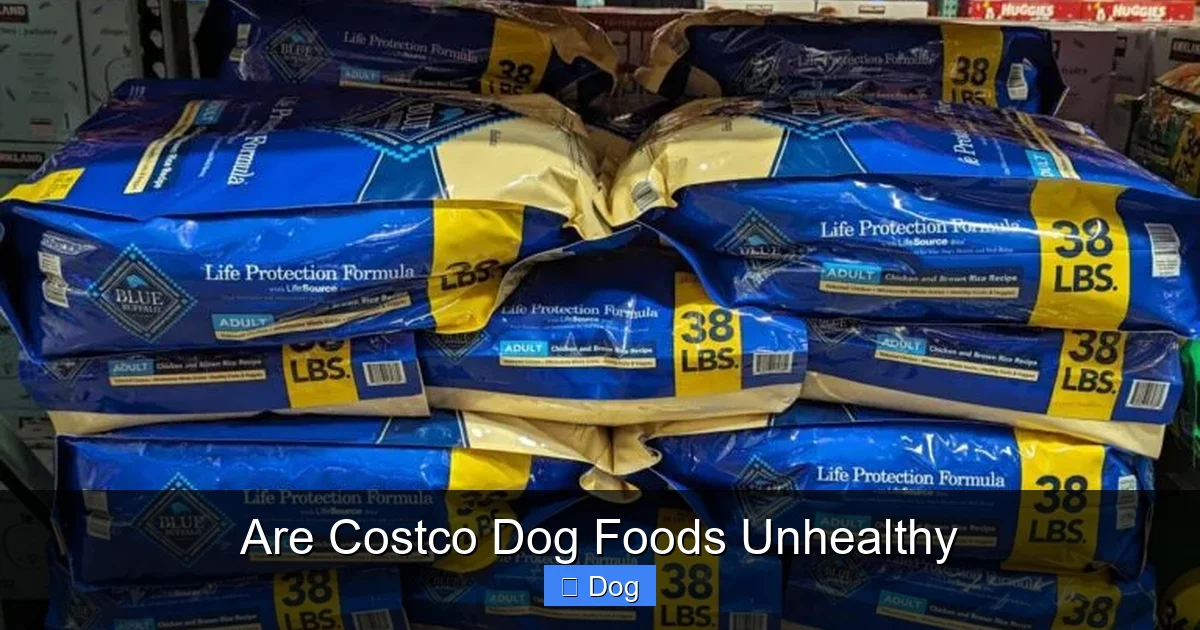
To truly answer whether Costco dog foods are unhealthy, we need to compare them to premium brands. Let’s look at a side-by-side comparison using two popular formulas: Kirkland Signature Chicken, Rice & Vegetable Formula and Blue Buffalo Life Protection Formula Chicken & Brown Rice.
Protein and Fat Content
– **Kirkland Signature**: 25% crude protein, 15% crude fat
– **Blue Buffalo**: 24% crude protein, 14% crude fat
Surprisingly, Kirkland’s protein and fat levels are slightly higher. Both list chicken as the first ingredient, though Blue Buffalo uses “deboned chicken,” which is a whole meat, while Kirkland uses “chicken,” which could include parts.
Ingredient Quality
Blue Buffalo includes more named ingredients like “chicken meal,” “brown rice,” and “oatmeal,” and avoids by-products. Kirkland includes “chicken by-product meal” and “corn gluten meal,” which are less desirable to some pet owners.
However, both foods are free from artificial colors, flavors, and preservatives. Blue Buffalo adds “LifeSource Bits”—a blend of antioxidants, vitamins, and minerals—while Kirkland includes a similar vitamin premix.
Price Comparison
Here’s where Costco shines. A 40-pound bag of Kirkland Signature costs around $35–$40, while the same size of Blue Buffalo runs $50–$60. That’s a 30–40% savings for a nutritionally comparable product.
For budget-conscious pet parents, that difference adds up—especially if you have a large dog or multiple pets.
Veterinarian Opinions on Costco Dog Food
One of the best ways to gauge a dog food’s quality is to ask the experts: veterinarians. Many vets actually recommend Kirkland Signature dog food, especially for clients who need affordable, reliable nutrition.
Dr. Sarah Wooten, a practicing veterinarian and media spokesperson for the American Veterinary Medical Association, has said, “Kirkland Signature dog food is a great example of a mid-tier food that meets AAFCO standards and provides balanced nutrition. It’s not the most premium option, but it’s far from unhealthy.”
Vets appreciate that Kirkland Signature avoids harmful additives and maintains consistent formulas. They also note that many dogs thrive on it—maintaining healthy weight, shiny coats, and good energy levels.
That said, vets caution against one-size-fits-all thinking. Dogs with specific health issues—like kidney disease, food allergies, or pancreatitis—may need prescription or specialized diets that Costco doesn’t offer.
Real Dog Owner Experiences: Success Stories and Concerns
To get a fuller picture, let’s look at what real dog owners are saying about Costco dog food.
Success Stories
Many pet parents report excellent results with Kirkland Signature. One owner of a 70-pound Labrador said, “We switched from a $70 bag of food to Kirkland and saved over $300 a year. Our dog’s coat is shinier, his energy is up, and his vet says his bloodwork is perfect.”
Another owner of a senior German Shepherd noted improved joint mobility after switching to the senior formula, thanks to added glucosamine and chondroitin.
Common Concerns
Not all experiences are positive. Some dogs experience digestive upset when switching to Kirkland, likely due to the change in ingredients. Others report that their picky eaters turn up their noses at the kibble.
A few owners have raised concerns about recalls. Diamond Pet Foods (which makes Kirkland) has had recalls in the past—most notably in 2012 due to potential salmonella contamination. However, the company has since improved its safety protocols, and no major recalls have occurred in recent years.
It’s also worth noting that some dogs may be sensitive to specific ingredients in Kirkland formulas, like peas or lentils, which are used in grain-free versions. While these aren’t harmful to most dogs, they’ve been linked to diet-associated dilated cardiomyopathy (DCM) in rare cases, according to the FDA.
Tips for Choosing the Right Costco Dog Food
If you’re considering Costco dog food, here are some practical tips to help you make the best choice for your pup:
1. Read the Label Carefully
Don’t just grab the first bag you see. Check the ingredient list, guaranteed analysis, and AAFCO statement. Look for real meat as the first ingredient and avoid foods with vague terms like “meat meal” or “animal fat.”
2. Consider Your Dog’s Life Stage
Puppies, adults, and seniors have different nutritional needs. Choose a formula designed for your dog’s age group to ensure they’re getting the right balance of nutrients.
3. Watch for Allergies or Sensitivities
If your dog has a sensitive stomach or food allergies, opt for a limited-ingredient formula like Nature’s Domain. Avoid foods with common allergens like corn, wheat, or soy if your dog reacts to them.
4. Transition Gradually
When switching foods, mix the new kibble with the old over 7–10 days to avoid digestive upset. Start with 25% new food and increase gradually.
5. Monitor Your Dog’s Response
After switching, keep an eye on your dog’s energy, coat, stool quality, and weight. If you notice any negative changes, consult your vet.
6. Take Advantage of the Return Policy
Costco has a generous return policy—if your dog doesn’t like the food or has a reaction, you can return it for a full refund. This makes it a low-risk option to try.
Conclusion: Are Costco Dog Foods Unhealthy? The Final Verdict
So, are Costco dog foods unhealthy? The short answer is no—not inherently. Kirkland Signature dog food is a nutritionally complete, AAFCO-approved option that provides real value for pet owners. While it may not have the ultra-premium ingredients of some boutique brands, it’s far from junk food.
For the average healthy dog, Costco dog food can be a smart, affordable choice that supports long-term health. It’s made by a reputable manufacturer, undergoes rigorous testing, and is recommended by many veterinarians.
That said, no single food is perfect for every dog. If your pet has special dietary needs, allergies, or medical conditions, you may need to explore other options. But for most families, Costco offers a reliable, budget-friendly way to feed their furry friends without sacrificing nutrition.
Ultimately, the best dog food is the one your dog thrives on—whether it’s from Costco, a specialty pet store, or a vet’s office. By reading labels, understanding ingredients, and paying attention to your dog’s individual needs, you can make an informed decision that keeps them happy, healthy, and well-fed.
Frequently Asked Questions
Is Kirkland Signature dog food made by a reputable company?
Yes, Kirkland Signature dog food is manufactured by Diamond Pet Foods, a well-established company with over 40 years of experience in the pet food industry. Diamond produces food for many national brands and follows strict quality and safety standards.
Can puppies eat Costco dog food?
Yes, Costco offers a Kirkland Signature Puppy Formula that is specifically designed for growing dogs. It includes DHA for brain development, balanced calcium for bone health, and is AAFCO-approved for growth.
Does Costco dog food contain artificial preservatives?
No, Kirkland Signature dog food uses natural preservatives like mixed tocopherols (vitamin E) instead of artificial chemicals like BHA or BHT, making it a safer choice for long-term feeding.
Is grain-free Costco dog food safe?
Grain-free formulas like Nature’s Domain can be safe for dogs without grain sensitivities. However, the FDA has investigated a potential link between grain-free diets high in peas and lentils and heart disease in dogs, so consult your vet if considering this option.
How often does Costco dog food get recalled?
Recalls are rare. The last major recall involving Kirkland Signature was in 2012. Since then, Diamond Pet Foods has strengthened its safety protocols, and no significant recalls have occurred in recent years.
Can I return Costco dog food if my dog doesn’t like it?
Yes, Costco has a generous return policy. If your dog refuses the food or has a negative reaction, you can return the unopened or partially used bag for a full refund, no questions asked.