

Not all dented cans of dog food are unsafe, but some dents can pose serious health risks to your pet. Understanding the difference between harmless cosmetic damage and dangerous structural compromise is key to protecting your dog from contamination, spoilage, or even botulism.
Key Takeaways
- Minor dents are usually safe: Small, shallow dents on the side of a can that don’t affect the seal or lid are typically harmless and the food inside remains safe to feed.
- Sharp or seam dents are dangerous: Dents along the top or bottom rim, or those that pinch the seam of the can, can compromise the seal and allow bacteria like Clostridium botulinum to grow.
- Swollen or bulging cans must be discarded: A bloated can indicates gas buildup from bacterial growth—this is a red flag for spoilage and potential botulism.
- Rust increases contamination risk: Rust on or near a dent can weaken the can’s integrity and allow pathogens to enter, especially if the inner lining is damaged.
- When in doubt, throw it out: If you’re unsure whether a dented can is safe, it’s better to err on the side of caution and discard it to protect your dog’s health.
- Store cans properly to prevent damage: Keep dog food cans in a cool, dry place away from heavy objects or rough handling to minimize denting and extend shelf life.
- Check expiration dates regularly: Even undamaged cans can spoil over time—always verify the “best by” date before feeding your dog.
📑 Table of Contents
- Are Dented Cans of Dog Food Safe? A Complete Guide for Pet Owners
- Understanding How Dog Food Cans Are Made and Sealed
- Types of Dents: Safe vs. Dangerous
- Signs That a Dented Can Is Unsafe
- What to Do If You Find a Dented Can
- How to Prevent Dented Cans and Extend Shelf Life
- Myths and Misconceptions About Dented Cans
- Conclusion: Prioritize Your Dog’s Health
Are Dented Cans of Dog Food Safe? A Complete Guide for Pet Owners
As a dog owner, you want nothing more than to keep your furry friend happy, healthy, and well-fed. You carefully choose high-quality dog food, read labels, and follow feeding guidelines. But what happens when you reach into the pantry and pull out a can of dog food—only to find it’s dented? Your first instinct might be to shrug it off. After all, it’s just a little dent, right? The food inside still looks and smells fine. But before you pop that lid and serve it up, it’s important to pause and ask: Are dented cans of dog food safe?
The short answer? It depends. Not all dents are created equal. Some are harmless cosmetic flaws that don’t affect the food inside. Others, however, can signal serious problems—like bacterial contamination, spoilage, or even life-threatening toxins. The key is knowing how to tell the difference. In this comprehensive guide, we’ll walk you through everything you need to know about dented dog food cans: what causes them, when they’re safe, when they’re dangerous, and how to protect your dog from potential harm. Whether you’re dealing with a slightly bent can from a recent move or a deeply crushed one from a fallen shelf, this article will help you make smart, informed decisions.
Understanding How Dog Food Cans Are Made and Sealed
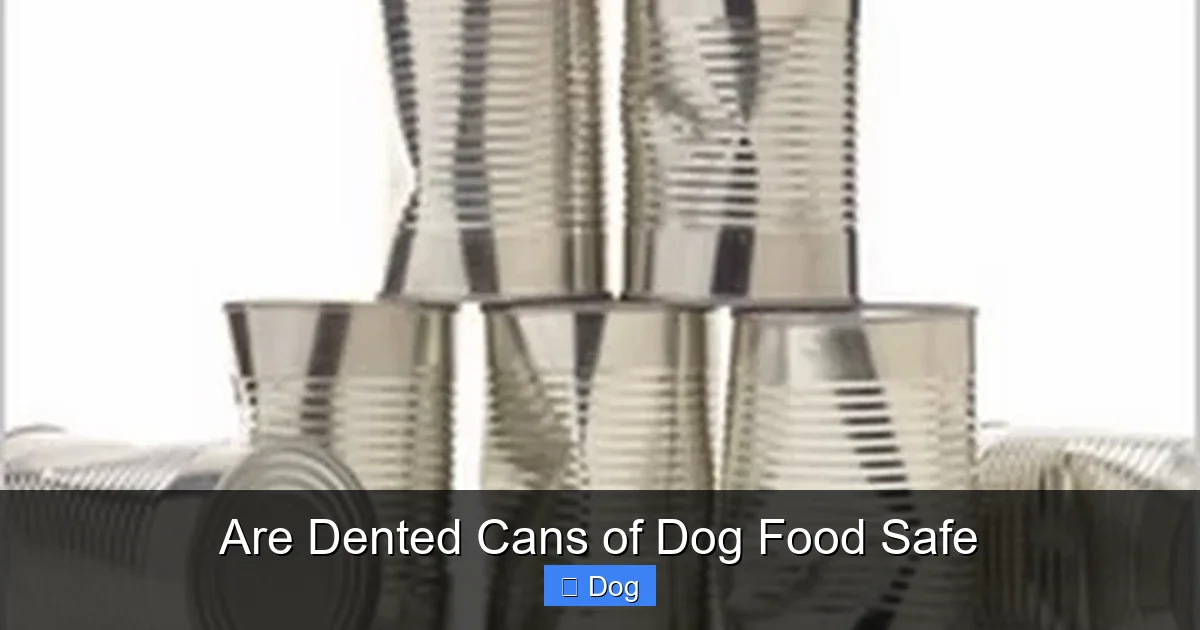
Visual guide about Are Dented Cans of Dog Food Safe
Image source: i.ytimg.com
To truly understand whether a dented can is safe, it helps to know how these cans are manufactured and sealed. Most commercial dog food comes in metal cans—typically steel or aluminum—that are designed to preserve the food’s freshness, flavor, and nutritional value for months or even years. The canning process involves cooking the food at high temperatures to kill bacteria, then sealing it in an airtight container under vacuum pressure. This creates a sterile environment inside the can, preventing spoilage and contamination.
The Importance of the Can Seal
The seal—especially along the top and bottom rims—is the most critical part of the can. These seams are folded and crimped together under extreme pressure to create a hermetic (airtight) seal. If this seal remains intact, the food inside stays protected from oxygen, moisture, and microbes. However, if the seal is compromised—even slightly—the can is no longer safe. Bacteria like Clostridium botulinum, which causes botulism, thrive in low-oxygen environments like a compromised can. Once inside, they can multiply and produce dangerous toxins.
How Dents Form and What They Mean
Dents can happen at any point in a can’s journey—from manufacturing and shipping to storage and handling at home. A can might get dropped during transport, stacked under heavy items, or knocked around in a pantry. While minor dents from everyday handling are common, they don’t always mean the food is unsafe. The real concern arises when the dent affects the structural integrity of the can—particularly the seams or the lid.
For example, a small dent on the side of the can that doesn’t bend the rim or crack the surface is usually harmless. But a sharp, deep dent that pinches the top seam or causes the lid to bulge could mean the seal is broken. In such cases, air and bacteria can enter, leading to spoilage or toxin production.
Types of Dents: Safe vs. Dangerous
Not all dents are equal. To determine whether a dented can of dog food is safe, you need to assess the type, location, and severity of the dent. Here’s a breakdown of the most common types of dents and what they mean for your dog’s safety.
Minor Side Dents
These are the most common type of dent and usually occur when a can is dropped or bumped against a hard surface. They appear as shallow, rounded indentations on the side of the can, away from the top and bottom rims. As long as the dent doesn’t affect the seam or cause the can to leak, the seal remains intact, and the food inside is likely safe to feed.
Example: You pull a can from the back of the pantry and notice a small dent on the side. The lid is flat, the can doesn’t leak, and there’s no rust. In this case, the food is probably fine—especially if the can was stored properly and hasn’t expired.
Sharp or Pinching Dents on the Rim
These are the dents you need to watch out for. If a dent occurs along the top or bottom edge of the can—especially where the lid meets the body—it can pinch or crack the seam. This compromises the airtight seal, allowing bacteria to enter. Even a tiny break in the seal can lead to contamination over time.
Red flag signs: A sharp crease near the rim, a visible gap between the lid and the can, or a dent that causes the lid to sit unevenly. If you see any of these, do not feed the food to your dog.
Deep or Crushed Dents
Cans that are deeply dented, crushed, or flattened have likely suffered significant structural damage. These types of dents often affect multiple areas of the can, including the seams and lid. The metal may be warped, and the internal pressure could be altered, increasing the risk of leakage or bacterial growth.
Example: A can that fell off a high shelf and landed on its side, resulting in a deep dent across the middle. Even if the lid looks intact, the force of the impact may have weakened the seal. It’s best to discard such cans.
Dents with Rust or Corrosion
Rust is another major concern, especially when it appears near or on a dent. Metal cans are coated with a protective lining to prevent corrosion, but deep dents can scratch or crack this lining, exposing the metal to moisture and air. Once rust sets in, it can spread and create tiny holes that allow bacteria to enter.
Tip: If you see reddish-brown spots, flaking metal, or pitting around a dent, throw the can away—even if the food looks and smells normal. Rust can harbor harmful bacteria and compromise the can’s integrity.
Signs That a Dented Can Is Unsafe
Even if a can isn’t visibly leaking or bulging, there are other warning signs that the food inside may be unsafe. Always inspect dented cans carefully before feeding them to your dog.
Bulging or Swollen Lids
A can that’s bloated or bulging at the top or bottom is a major red flag. This indicates that gas is building up inside due to bacterial growth—most commonly from Clostridium botulinum. These bacteria produce toxins that can cause botulism, a potentially fatal illness in dogs.
Symptoms of botulism in dogs: Weakness, paralysis, difficulty breathing, drooling, vomiting, and loss of coordination. If you suspect your dog has eaten contaminated food, seek veterinary care immediately.
Leaking or Seepage
If you notice liquid, foam, or food residue around the lid or seams of a dented can, the seal has likely been compromised. This allows air and bacteria to enter, leading to spoilage. Leaking cans should never be used.
Unusual Odors
Open the can and take a sniff. Dog food should have a mild, meaty smell. If it smells sour, rancid, or unusually strong, it may be spoiled—even if the can looks intact. Trust your nose. If something seems off, don’t risk it.
Rust or Discoloration
As mentioned earlier, rust is a sign of corrosion and potential contamination. Also, check for discoloration on the inside of the lid or around the rim. Dark spots or unusual colors can indicate chemical reactions or bacterial growth.
Expired or Near-Expired Dates
Always check the “best by” or “use by” date on the can. Even undamaged cans can spoil over time, especially if stored in warm or humid conditions. A dented can that’s also past its expiration date is a double risk—don’t take the chance.
What to Do If You Find a Dented Can
Finding a dented can of dog food can be unsettling, but don’t panic. Follow these steps to assess the situation and make the safest choice for your dog.
Step 1: Inspect the Can
Look closely at the dent. Is it on the side, or near the rim? Is it shallow or deep? Check for sharp edges, rust, leaks, or bulging. Run your fingers gently around the seams to feel for gaps or looseness.
Step 2: Check the Lid and Seal
Press gently on the lid. If it clicks or moves, the seal may be broken. A properly sealed can should feel firm and flat. If the lid is concave (slightly indented), that’s normal due to vacuum sealing. But if it’s convex (bulging outward), that’s a danger sign.
Step 3: Smell and Look at the Food
Open the can and examine the food. It should look moist, uniform, and smell like cooked meat. If it’s dry, moldy, discolored, or smells off, discard it immediately.
Step 4: When in Doubt, Throw It Out
If you’re unsure whether the can is safe, don’t take the risk. The cost of a new can is far less than the cost of treating a sick dog. Remember: it’s better to be safe than sorry.
Step 5: Store Remaining Cans Properly
To prevent future dents, store your dog food cans in a cool, dry place. Keep them upright, away from heavy objects, and off the floor. Use a dedicated shelf or bin to minimize handling damage.
How to Prevent Dented Cans and Extend Shelf Life
Prevention is always better than cure. By taking a few simple steps, you can reduce the risk of dented cans and keep your dog’s food fresh and safe for longer.
Handle Cans with Care
Treat dog food cans like fragile items. Avoid dropping them, stacking heavy objects on top, or tossing them into a crowded pantry. When transporting cans, use a sturdy box or bag with padding.
Store in a Cool, Dry Place
Heat and humidity can weaken metal cans and accelerate spoilage. Store your dog food in a pantry or cupboard away from stoves, dishwashers, or windows. Avoid garages or sheds where temperatures fluctuate.
Rotate Your Stock
Use the “first in, first out” rule. Place newer cans behind older ones so you use the oldest food first. This helps prevent cans from sitting too long and reduces the chance of expiration.
Inspect Cans Before Buying
When shopping, give each can a quick visual check. Avoid cans with deep dents, rust, or bulging lids—even if they’re on sale. A damaged can isn’t a bargain if it risks your dog’s health.
Consider Alternative Packaging
If dents are a recurring problem, consider switching to dog food in pouches, bags, or BPA-free plastic containers. These are less prone to denting and often just as nutritious. Just be sure to store them properly and check for tears or leaks.
Myths and Misconceptions About Dented Cans
There are many myths floating around about dented cans, and believing them could put your dog at risk. Let’s clear up some of the most common misconceptions.
Myth: “If it smells fine, it’s safe.”
False. Some harmful bacteria, like Clostridium botulinum, produce toxins that don’t change the smell or appearance of the food. A can can look and smell normal but still be dangerously contaminated.
Myth: “A little dent won’t hurt.”
While minor dents are usually safe, this mindset can lead to complacency. Always inspect the can thoroughly. A “little dent” near the seam can be more dangerous than a larger dent on the side.
Myth: “You can just heat the food to kill bacteria.”
Heating dog food won’t destroy botulinum toxins, which are heat-stable. Even boiling the food for 10 minutes may not make it safe. Once toxins are present, the food is unsafe—no matter how it’s cooked.
Myth: “Dented cans are always cheaper for a reason.”
While damaged goods are often discounted, a lower price isn’t worth the risk. Your dog’s health is priceless. Always prioritize safety over savings.
Conclusion: Prioritize Your Dog’s Health
So, are dented cans of dog food safe? The answer isn’t a simple yes or no—it depends on the type and location of the dent, the condition of the seal, and whether there are other warning signs like rust, bulging, or spoilage. Minor dents on the side of a can are usually harmless, but sharp dents on the rim, deep crushing, or signs of bacterial growth mean the food should be discarded.
As a responsible pet owner, your job is to stay informed and vigilant. Take a few extra seconds to inspect each can before feeding it to your dog. When in doubt, throw it out. Your dog relies on you to make safe choices, and a little caution can go a long way in preventing illness.
Remember, the goal isn’t perfection—it’s protection. By understanding the risks, knowing what to look for, and storing your dog food properly, you can ensure every meal is as safe and nutritious as possible. After all, a healthy dog is a happy dog—and that’s what we all want.
Frequently Asked Questions
Can I feed my dog food from a slightly dented can?
Yes, if the dent is minor and on the side of the can, and the seal is intact with no leaks, rust, or bulging. Always inspect the food for unusual smells or textures before feeding.
What should I do if my dog eats food from a dented can?
Monitor your dog closely for symptoms like vomiting, weakness, or difficulty breathing. If any signs of illness appear, contact your veterinarian immediately. Most dogs will be fine if the can was only slightly damaged.
How can I tell if a can’s seal is broken?
Check if the lid is flat and firm. If it clicks, moves, or bulges, the seal may be compromised. Also look for leaks, rust, or gaps around the rim.
Are dented cans more likely to have botulism?
Only if the seal is broken. Botulism grows in low-oxygen environments, so a compromised can increases the risk. Intact cans, even if dented, are generally safe.
Can I return a dented can to the store?
Most stores will accept returns of damaged goods, especially if the dent occurred before purchase. Bring the can and receipt, and explain the issue to customer service.
Is it safe to buy dog food in bulk if cans might get dented?
Yes, but store the cans properly—upright, in a cool, dry place, and away from heavy items. Inspect each can before use to ensure safety.