
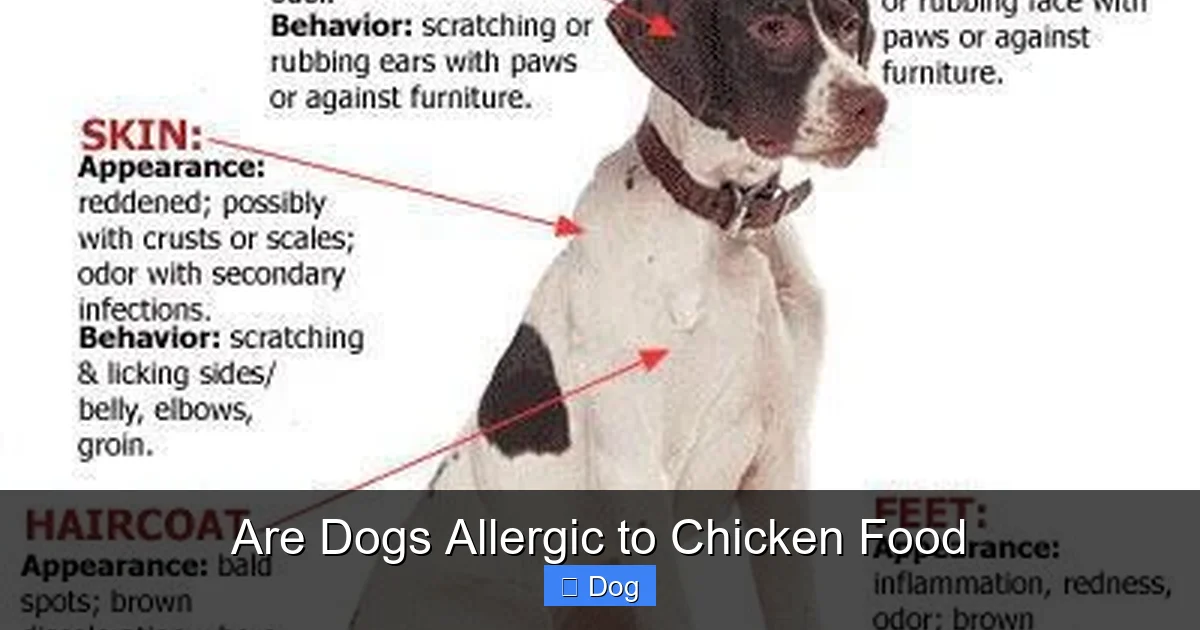
While chicken is a common ingredient in dog food, some dogs can develop allergies or sensitivities to it. Understanding the difference between true allergies and food intolerances, recognizing symptoms, and knowing how to respond can help you make better dietary choices for your pet.
Key Takeaways
- Chicken allergies in dogs are possible but not extremely common: While chicken is a popular protein source, some dogs develop an immune response to chicken proteins, leading to allergic reactions.
- Symptoms include skin issues, digestive problems, and ear infections: Common signs are itchy skin, redness, vomiting, diarrhea, and chronic ear infections.
- True food allergies are different from food intolerances: Allergies involve the immune system, while intolerances are digestive issues without immune involvement.
- Diagnosis requires an elimination diet: The most reliable way to confirm a chicken allergy is through a strict 8–12 week elimination diet under veterinary supervision.
- Hypoallergenic or novel protein diets can help: Switching to foods with proteins like duck, rabbit, or salmon may resolve symptoms in allergic dogs.
- Chicken by-products and fillers may worsen reactions: Low-quality ingredients in some dog foods can trigger sensitivities even if the dog isn’t allergic to chicken itself.
- Always consult your vet before changing your dog’s diet: Sudden dietary changes or self-diagnosis can lead to nutritional imbalances or missed underlying health issues.
📑 Table of Contents
Are Dogs Allergic to Chicken Food? Understanding the Facts
If you’ve ever looked at the ingredient list on your dog’s food and seen “chicken meal” or “deboned chicken” near the top, you’re not alone. Chicken is one of the most common protein sources in commercial dog food, praised for its high digestibility and rich amino acid profile. But what happens when your dog starts scratching nonstop, has an upset stomach, or develops ear infections? Could chicken be the culprit?
The short answer is: yes, dogs can be allergic to chicken food—but it’s not as common as many pet owners believe. While chicken is generally safe and nutritious for most dogs, some can develop a true food allergy to chicken proteins. This doesn’t mean chicken is inherently bad; rather, it means that in certain cases, a dog’s immune system mistakenly identifies chicken proteins as harmful and launches an attack. This immune response triggers a range of uncomfortable symptoms that can affect your dog’s quality of life.
It’s important to distinguish between a food allergy and a food intolerance. A food allergy involves the immune system and can cause more severe reactions, including skin inflammation and chronic infections. A food intolerance, on the other hand, is usually limited to digestive upset—like gas, bloating, or diarrhea—without immune involvement. Both can be triggered by chicken, but they require different approaches to diagnosis and treatment.
In this article, we’ll explore the signs of chicken allergies in dogs, how to tell if your dog is reacting to chicken or something else in their food, and what steps you can take to help them feel better. Whether you’re dealing with a picky eater or a dog with chronic health issues, understanding the role of chicken in your pet’s diet is key to keeping them healthy and happy.
What Is a Food Allergy in Dogs?

Visual guide about Are Dogs Allergic to Chicken Food
Image source: katalay.net
Before diving into whether dogs can be allergic to chicken food, it’s essential to understand what a food allergy actually is. In dogs, a food allergy is an abnormal immune response to a specific ingredient—usually a protein—in their diet. When a dog with a food allergy eats that ingredient, their immune system overreacts, treating the protein as if it were a dangerous invader like a virus or bacteria.
This immune response triggers the release of histamines and other chemicals, leading to inflammation and a variety of symptoms. Unlike environmental allergies (like pollen or dust mites), food allergies develop over time and are not seasonal. They can appear at any age, even in dogs who have eaten the same food for years without issues.
Common food allergens in dogs include beef, dairy, eggs, soy, wheat, and yes—chicken. According to veterinary studies, chicken is among the top five most common food allergens for dogs, though it ranks slightly behind beef and dairy. This doesn’t mean chicken is more allergenic; rather, it’s so widely used in dog food that more dogs are exposed to it, increasing the chances of sensitization.
It’s also worth noting that food allergies are relatively rare. Estimates suggest that only about 10% of dogs with skin or digestive issues actually have a true food allergy. The majority suffer from environmental allergies, flea allergies, or food intolerances. This is why proper diagnosis is crucial—treating the wrong condition can waste time, money, and leave your dog suffering unnecessarily.
How Food Allergies Develop
Food allergies don’t happen overnight. They develop after repeated exposure to a particular protein. For example, if your dog has been eating a chicken-based kibble since puppyhood, their immune system may eventually become sensitized to chicken proteins. Over time, this can lead to an allergic response.
The exact cause of food allergies isn’t fully understood, but genetics, gut health, and early diet play a role. Puppies fed a limited-ingredient diet or those with a compromised gut barrier (due to illness or antibiotics) may be more prone to developing food sensitivities.
Another factor is the quality of the protein source. Highly processed chicken meals or by-products may contain protein fragments that are more likely to trigger an immune response. This is why some dogs react to low-quality chicken-based foods but tolerate fresh, whole chicken or novel proteins without issue.
Food Allergy vs. Food Intolerance: What’s the Difference?
One of the biggest sources of confusion for pet owners is the difference between a food allergy and a food intolerance. While both can cause similar symptoms, they are fundamentally different conditions.
A food allergy involves the immune system. When a dog with a chicken allergy eats chicken, their body produces antibodies (like IgE) that trigger inflammation. This can lead to skin rashes, itching, ear infections, and even respiratory symptoms in severe cases.
A food intolerance, on the other hand, does not involve the immune system. It’s usually a digestive issue—like an inability to break down certain proteins, fats, or carbohydrates. For example, a dog might have trouble digesting the fat in chicken skin, leading to diarrhea or vomiting, but this isn’t an allergy.
The key difference? Allergies can cause systemic (whole-body) reactions and are often chronic, while intolerances are typically limited to the digestive tract and may come and go depending on what the dog eats.
Understanding this distinction is important because the treatment approaches differ. Allergies often require a strict elimination diet and long-term management, while intolerances may be managed with digestive enzymes, probiotics, or dietary adjustments.
Signs and Symptoms of Chicken Allergies in Dogs
If your dog is allergic to chicken, the symptoms can vary widely in type and severity. Some dogs show mild signs, while others experience chronic, debilitating issues. The most common symptoms fall into two categories: skin-related and digestive.
Skin Symptoms
Skin problems are the hallmark of food allergies in dogs. Because the immune system reacts to the allergen, inflammation often manifests on the skin. Common signs include:
– **Itchy skin (pruritus):** This is the most common symptom. Dogs may scratch, lick, or chew at their paws, belly, ears, or groin area. The constant licking can lead to hair loss, redness, and even open sores.
– **Red, inflamed skin:** You might notice hot spots—areas of moist, irritated skin that are painful to the touch.
– **Chronic ear infections:** Dogs with food allergies often suffer from recurring ear infections, especially in the outer ear canal. The ears may be red, smelly, and filled with dark wax.
– **Hair loss (alopecia):** Repeated scratching and licking can cause patches of hair loss, particularly around the legs, tail base, and face.
– **Skin infections (pyoderma):** Bacterial or yeast infections can develop secondary to the inflammation, leading to pustules, crusting, and a foul odor.
These symptoms are often year-round and don’t respond well to antihistamines or steroids alone. If your dog’s itching persists despite treatment for fleas or environmental allergies, a food allergy should be considered.
Digestive Symptoms
While less common than skin issues, digestive problems can also signal a chicken allergy. These may include:
– **Chronic diarrhea or soft stools:** Loose, frequent bowel movements that last for weeks or months.
– **Vomiting:** Occasional or frequent vomiting, sometimes shortly after eating.
– **Excessive gas or bloating:** Your dog may pass gas more often or seem uncomfortable after meals.
– **Increased bowel movements:** Some dogs with food allergies need to go outside more frequently than usual.
It’s important to note that digestive symptoms alone are more likely to indicate a food intolerance than a true allergy. However, when combined with skin issues, they can strengthen the case for a food allergy.
Other Possible Signs
In rare cases, dogs with severe food allergies may experience:
– **Respiratory symptoms:** Sneezing, coughing, or wheezing (though this is more common with environmental allergies).
– **Behavioral changes:** Irritability, restlessness, or lethargy due to discomfort.
– **Weight loss:** If the dog isn’t absorbing nutrients properly due to chronic digestive issues.
If you notice any of these symptoms—especially if they’re persistent or worsening—it’s time to talk to your veterinarian.
When to See a Vet
Don’t wait to seek professional help if your dog is showing signs of a possible food allergy. While some symptoms may seem mild at first, they can lead to more serious complications over time. For example, chronic ear infections can cause hearing loss, and severe skin infections may require antibiotics or even surgery.
Your vet can help rule out other causes—such as flea allergies, mange, or bacterial infections—and guide you through the diagnostic process. They may also recommend blood tests or skin tests, though these are less reliable for food allergies than for environmental ones.
Diagnosing a Chicken Allergy in Dogs
Diagnosing a food allergy in dogs is not as simple as taking a blood test or doing a quick skin prick. Unlike humans, dogs don’t have reliable allergy tests for food. The gold standard for diagnosis is an elimination diet—a process that requires patience, consistency, and veterinary supervision.
The Elimination Diet Process
An elimination diet involves feeding your dog a completely new diet that contains none of the ingredients they’ve eaten before—especially chicken. This “novel” diet typically includes a single source of protein and a single source of carbohydrate that your dog has never been exposed to.
Common novel protein sources include:
– Duck
– Rabbit
– Venison
– Kangaroo
– Salmon (if not previously fed)
Carbohydrate sources might include sweet potato, peas, or quinoa. The key is to avoid any ingredient your dog has eaten in the past 6–12 months.
The diet must be strictly followed for 8 to 12 weeks. During this time, your dog cannot have any treats, flavored medications, rawhides, or table scraps—anything that might contain chicken or other common allergens. Even a small amount of the offending ingredient can disrupt the process and give false results.
What to Expect During the Diet
At first, your dog may not show improvement. In fact, some dogs get worse before they get better as their body clears out the allergens. But by week 4–6, many dogs begin to show significant improvement in their symptoms.
If your dog’s itching, diarrhea, or ear infections clear up on the elimination diet, it’s a strong indication that a food allergy is present. The next step is the “challenge” phase: reintroducing chicken (or the suspected allergen) to see if symptoms return.
If symptoms flare up within a few days of reintroducing chicken, the diagnosis is confirmed. If there’s no reaction, the allergy may be to a different ingredient, or the original symptoms may have been due to something else entirely.
Common Pitfalls and How to Avoid Them
Many elimination diets fail because of accidental exposure to allergens. Here are some tips to ensure success:
– **Read all labels carefully:** Chicken can hide in unexpected places, like broth, flavoring, or “meat meal.”
– **Use plain, unflavored medications:** Some chewable medications or supplements contain chicken or beef flavoring.
– **Avoid raw diets during testing:** Raw chicken is especially risky for allergic dogs and can also carry bacteria.
– **Keep a food diary:** Track everything your dog eats and any symptoms they show.
Your veterinarian may also recommend a hydrolyzed protein diet. In these foods, the proteins are broken down into tiny fragments that the immune system doesn’t recognize as allergens. These diets are highly effective and often used in elimination trials.
Managing and Treating Chicken Allergies
Once a chicken allergy is confirmed, the focus shifts to long-term management. The goal is to keep your dog symptom-free while ensuring they receive balanced nutrition.
Switching to a Hypoallergenic Diet
The most effective treatment for a chicken allergy is complete avoidance. This means switching to a dog food that doesn’t contain chicken or chicken by-products. Look for labels that say “chicken-free” or “novel protein.”
Some excellent chicken-free options include:
– **Duck and potato:** A popular alternative that’s rich in protein and easy to digest.
– **Salmon and sweet potato:** High in omega-3 fatty acids, which can help reduce inflammation.
– **Rabbit and pea:** A lean protein source that’s less common in dog food, reducing the risk of cross-reactivity.
Always choose high-quality brands that list a named meat as the first ingredient and avoid fillers like corn, soy, and artificial additives.
Homemade and Raw Diets: Pros and Cons
Some owners opt for homemade or raw diets to have full control over ingredients. While this can work, it comes with risks:
– **Nutritional imbalances:** Homemade diets can lack essential vitamins and minerals unless carefully formulated.
– **Bacterial contamination:** Raw diets carry a higher risk of Salmonella or E. coli.
– **Cost and time:** Preparing balanced meals daily can be expensive and time-consuming.
If you choose this route, work with a veterinary nutritionist to ensure your dog’s diet is complete and balanced.
Supplements and Supportive Care
In addition to diet changes, your vet may recommend supplements to support skin and digestive health:
– **Omega-3 fatty acids:** Found in fish oil, these can reduce inflammation and improve coat health.
– **Probiotics:** Help maintain a healthy gut microbiome, which may reduce allergic reactions.
– **Antihistamines or steroids:** May be used short-term to control severe itching, but they don’t treat the underlying allergy.
Regular grooming, ear cleaning, and flea prevention are also important to prevent secondary infections.
Long-Term Outlook
With proper management, most dogs with chicken allergies live happy, healthy lives. The key is consistency—avoiding chicken and monitoring for any new symptoms. Over time, some dogs may outgrow their allergy, but this is rare. Most will need to stay on a chicken-free diet for life.
Preventing Food Allergies in Dogs
While you can’t always prevent food allergies, there are steps you can take to reduce the risk:
– **Rotate proteins:** Feeding a variety of proteins (e.g., chicken, beef, fish, lamb) may reduce the chance of developing an allergy to any one ingredient.
– **Choose high-quality food:** Look for brands with whole, named ingredients and minimal processing.
– **Avoid overfeeding treats:** Many dog treats contain common allergens like chicken or wheat.
– **Support gut health:** A healthy gut barrier can prevent proteins from leaking into the bloodstream and triggering an immune response.
Puppies, in particular, benefit from a diverse diet and probiotics to support immune development.
Conclusion
So, are dogs allergic to chicken food? The answer is yes—some dogs are. But it’s not a reason to avoid chicken altogether. For most dogs, chicken is a safe, nutritious protein that supports muscle growth and overall health. However, if your dog is showing signs of chronic itching, digestive upset, or ear infections, a food allergy—possibly to chicken—could be the cause.
The key is proper diagnosis through an elimination diet and veterinary guidance. Once confirmed, managing a chicken allergy is entirely possible with the right diet and care. By understanding the signs, knowing how to respond, and making informed choices, you can help your dog live a comfortable, symptom-free life.
Remember, every dog is unique. What works for one may not work for another. Stay observant, stay informed, and always consult your vet when in doubt. Your dog’s health and happiness are worth the effort.
Frequently Asked Questions
Can puppies be allergic to chicken?
Yes, puppies can develop food allergies to chicken, though it’s less common than in adult dogs. Allergies can appear as early as 6 months of age, especially if the puppy has been eating chicken-based food for a long time.
How long does it take for a dog to react to chicken?
Reactions can vary. Some dogs show symptoms within hours of eating chicken, while others may take days or weeks. Chronic symptoms like itching or ear infections often develop gradually over time.
Can a dog be allergic to cooked chicken but not raw?
It’s unlikely. Cooking doesn’t change the protein structure enough to eliminate an allergy. If a dog is allergic to chicken, they’ll likely react to both raw and cooked forms.
Is chicken meal more likely to cause allergies than fresh chicken?
Not necessarily. Chicken meal is just a concentrated form of chicken protein. However, low-quality meals may contain by-products or contaminants that could trigger sensitivities in some dogs.
Can I test my dog for chicken allergy at home?
No reliable at-home test exists. The only accurate method is a veterinary-supervised elimination diet. Blood and skin tests for food allergies in dogs are often inaccurate and not recommended.
What should I feed my dog if they’re allergic to chicken?
Switch to a dog food with a novel protein like duck, rabbit, or salmon, and a novel carbohydrate like sweet potato or peas. Always choose high-quality, limited-ingredient formulas and avoid any chicken-containing products.