

Whether dogs are allowed in shops that sell food depends on local laws, store policies, and the type of establishment. While service dogs are typically permitted under disability laws, pets may be restricted due to health and safety regulations. Always check ahead to avoid surprises.
Key Takeaways
- Service dogs are usually allowed: Under laws like the ADA in the U.S., trained service dogs can accompany their handlers in food shops, including grocery stores and bakeries.
- Emotional support animals (ESAs) are not the same: ESAs do not have the same legal access rights as service dogs and are often treated like regular pets in food retail spaces.
- Pet policies vary by store and country: Some cafes and markets welcome well-behaved dogs, while others ban all animals due to hygiene concerns or insurance rules.
- Outdoor seating is often dog-friendly: Many restaurants with patios allow dogs in outdoor areas, even if the indoor shop is off-limits.
- Health codes influence access: Local food safety regulations may prohibit animals in areas where food is prepared, stored, or sold to prevent contamination.
- Always ask before entering: Even if a store seems pet-friendly, it’s polite and smart to confirm their policy before bringing your dog inside.
- Leash and behavior matter: Well-trained, leashed dogs are more likely to be welcomed, while aggressive or disruptive pets may be asked to leave.
📑 Table of Contents
- Are Dogs Allowed in Shops That Sell Food? A Complete Guide
- Understanding the Legal Landscape
- Store Policies: When the Law Isn’t the Whole Story
- Types of Food Shops and Dog Access
- Practical Tips for Bringing Your Dog into Food Shops
- International Perspectives on Dogs in Food Shops
- The Future of Dogs in Food Retail
- Conclusion
Are Dogs Allowed in Shops That Sell Food? A Complete Guide
If you’re a dog lover, you probably hate leaving your furry friend at home when you run errands. But when it comes to shops that sell food—like grocery stores, bakeries, or delis—things get a little tricky. You might have seen people walking in with their pups, wagging tails and all, while others are turned away at the door. So what’s the real rule? Can dogs go into food shops?
The short answer is: it depends. Whether dogs are allowed in shops that sell food hinges on a mix of legal regulations, store policies, and the type of dog you have. In some places, your dog might be welcomed with a treat. In others, even the friendliest pup might be politely asked to wait outside.
This guide will walk you through everything you need to know about bringing your dog into food-related retail spaces. We’ll cover the laws, the exceptions, the gray areas, and practical tips to make your shopping trips smoother—and more dog-friendly.
Understanding the Legal Landscape
Visual guide about Are Dogs Allowed in Shops That Sell Food
Image source: qld.gov.au
When it comes to dogs in food shops, the first thing to consider is the law. In many countries, disability rights legislation protects the rights of individuals with service animals. But not all dogs are created equal under the law.
Service Dogs vs. Pets: Know the Difference
The biggest factor in whether a dog is allowed in a food shop is whether it’s a trained service dog or just a beloved pet. Service dogs are specially trained to perform tasks for people with disabilities—like guiding the blind, alerting to seizures, or calming someone with PTSD. These dogs are not considered pets under the law.
In the United States, the Americans with Disabilities Act (ADA) clearly states that service dogs must be allowed to accompany their handlers in all areas where the public is allowed, including grocery stores, cafes, and pharmacies—even if those places sell food. The same principle applies in many other countries, such as the UK under the Equality Act 2010 and Canada under provincial human rights codes.
However, the ADA does not cover emotional support animals (ESAs) or therapy dogs. While these animals provide comfort, they are not trained to perform specific tasks related to a disability. As a result, businesses are not legally required to allow them inside food shops.
Local Health Codes and Regulations
Even when service dogs are permitted, local health departments may have additional rules. For example, some cities require that service dogs be under control at all times and not pose a health risk. This means they must be leashed, housebroken, and not display aggressive behavior.
In food preparation areas—like behind the counter in a bakery or deli—animals are almost always prohibited, even service dogs. This is to prevent contamination and comply with food safety standards set by agencies like the FDA (Food and Drug Administration) in the U.S. or the Food Standards Agency in the UK.
So while your service dog can walk through the aisles of a supermarket, they likely can’t go behind the meat counter or into the kitchen. These rules are in place to protect public health and are taken seriously by inspectors.
Store Policies: When the Law Isn’t the Whole Story
Even if the law allows dogs in food shops, individual stores can set their own policies. This is where things get a little more complicated—and where you might run into surprises.
Chain Stores vs. Independent Shops
Large retail chains often have standardized policies across all locations. For example, some grocery stores like Whole Foods or Wegmans in the U.S. are known for being dog-friendly, especially in outdoor or non-food sections. However, these policies can vary by state or even by store manager.
Independent shops, like local bakeries or farmers’ markets, have more flexibility. Some owners love dogs and welcome them with open arms—maybe even offering a dog treat at the counter. Others may ban all animals due to allergies, space constraints, or personal preference.
It’s not uncommon to see a “Dogs Welcome” sign in the window of a small café, while the grocery store down the street has a strict no-pets policy. Always look for signage or ask an employee before entering with your dog.
Outdoor Seating: A Dog-Friendly Compromise
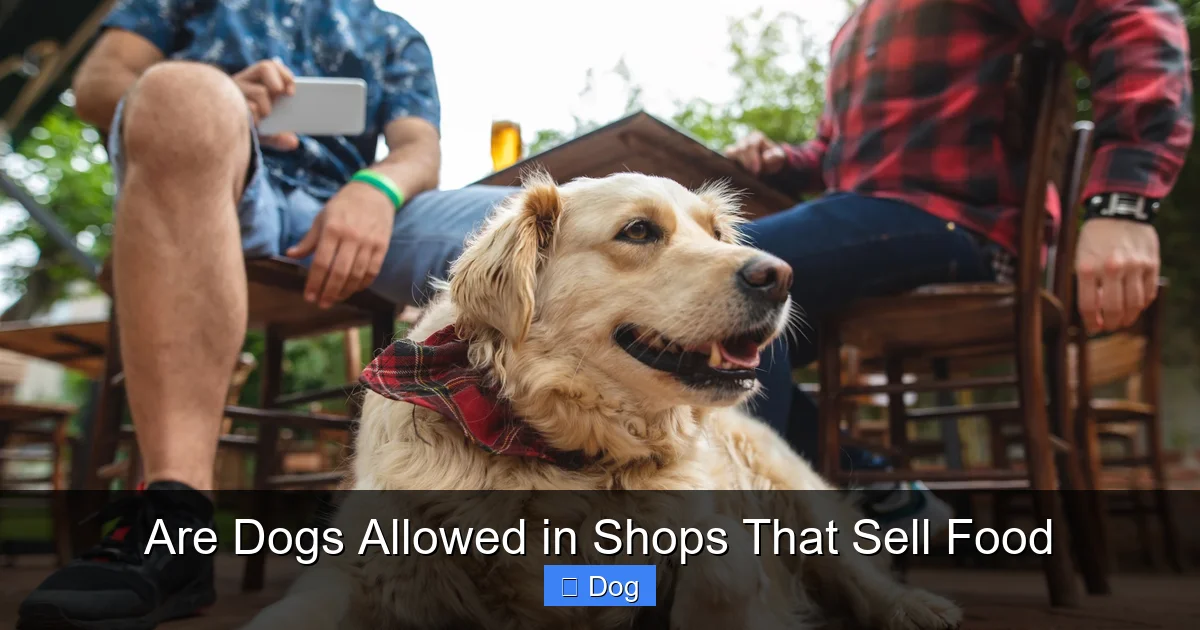
One of the most common ways food shops accommodate dogs is by allowing them in outdoor seating areas. Many cafes, ice cream shops, and restaurants with patios are happy to let well-behaved dogs sit with their owners—especially if they’re leashed and not disruptive.
In fact, some cities have embraced this trend. Portland, Oregon, and Austin, Texas, are known for their dog-friendly dining scenes, where outdoor tables often come with water bowls and dog menus. Even fast-food chains like Starbucks and In-N-Out have started offering dog-friendly options, like “puppuccinos” (a small cup of whipped cream).
But remember: just because a place has outdoor seating doesn’t automatically mean dogs are allowed. Some establishments may still restrict access during busy hours or require reservations for pet-friendly tables.
Types of Food Shops and Dog Access
Not all food shops are created equal when it comes to dog access. Let’s break down the most common types and what you can expect.
Grocery Stores and Supermarkets
Most grocery stores do not allow pets, including dogs, inside. This is primarily due to health code regulations that prohibit animals in areas where food is sold. Even if your dog is well-behaved and leashed, the risk of contamination—whether real or perceived—makes many stores hesitant.
That said, some stores make exceptions for service dogs. If you have a service dog, you should be allowed to shop with them, as long as they remain under control and don’t interfere with other customers. However, it’s always a good idea to call ahead or speak with a manager to confirm their policy.
Bakeries and Delis
Smaller food shops like bakeries and delis often have more lenient policies, especially if they’re locally owned. Many of these places see dogs as part of the community and enjoy the extra foot traffic they bring.
For example, a neighborhood bakery might allow dogs in the seating area or even behind the counter (with the owner’s permission). But again, this depends on the owner’s comfort level and local regulations.
One important note: if food is being prepared on-site—like bread baking or sandwich assembly—animals are typically not allowed in those areas, even if they’re welcome elsewhere in the shop.
Farmers’ Markets and Food Trucks
Farmers’ markets are often more relaxed about dogs. Since they’re usually held outdoors and have a community vibe, many vendors and organizers encourage pet owners to bring their dogs along. You might even find dog treats for sale at certain stalls.
Food trucks can be hit or miss. Some operators are dog lovers and welcome pups, especially if they’re tied up nearby. Others may not allow dogs due to space or safety concerns. If you’re planning to visit a food truck with your dog, it’s best to check their social media or ask in advance.
Cafes and Coffee Shops
Cafes are probably the most dog-friendly type of food shop. Many coffee shops, especially independent ones, openly welcome dogs—sometimes even offering special menus for them. Chains like Starbucks have also started embracing the trend, with some locations providing water bowls and dog-friendly seating.
However, even in dog-friendly cafes, there are usually rules. Dogs must be leashed, well-behaved, and not allowed on furniture. Aggressive or overly excited dogs may be asked to leave.
Practical Tips for Bringing Your Dog into Food Shops
If you’re hoping to bring your dog into a food shop, preparation is key. Here are some practical tips to increase your chances of a smooth and successful visit.
Know Your Dog’s Temperament
Not all dogs are suited for busy retail environments. If your dog is anxious, reactive, or easily distracted, a crowded grocery store or noisy café might not be the best place for them. Consider your dog’s personality and energy level before deciding to bring them along.
A well-socialized, calm dog is much more likely to be welcomed—and less likely to cause a disturbance. If your dog tends to bark at strangers or pull on the leash, it might be better to leave them at home for their own comfort and the comfort of others.
Keep Your Dog Leashed and Under Control
Even if a store allows dogs, they should always be on a leash. A short, non-retractable leash is best, as it gives you better control in tight spaces. Avoid letting your dog wander or approach other customers without permission.
Also, make sure your dog is housebroken. Accidents in a food shop are not only unpleasant but could lead to your dog being banned from the store—or worse, create a health hazard.
Bring Supplies
Pack a small bag with essentials: water, a collapsible bowl, poop bags, and maybe a favorite toy or treat. This shows you’re prepared and responsible, which can go a long way in earning the goodwill of store staff and other customers.
If your dog gets nervous in new places, a familiar item like a blanket or toy can help them feel more at ease.
Respect Other Customers
Not everyone loves dogs—some people are allergic, afraid, or simply prefer a pet-free environment. Be mindful of others by keeping your dog close, avoiding high-traffic areas, and cleaning up after them immediately.
If someone asks you to move your dog or expresses discomfort, be polite and accommodating. A little kindness goes a long way in maintaining a positive image for dog owners everywhere.
Check Ahead of Time
The best way to avoid disappointment is to call the store or check their website before you go. Many businesses list their pet policies online or on social media. If not, a quick phone call can save you a trip.
When you arrive, it’s also polite to ask an employee before entering with your dog—even if you think they’re allowed. This shows respect and gives the staff a chance to inform you of any specific rules.
International Perspectives on Dogs in Food Shops
Laws and attitudes toward dogs in food shops vary widely around the world. What’s acceptable in one country might be unthinkable in another.
Europe: A Mixed Bag
In many European countries, dogs are more integrated into daily life. In cities like Berlin, Paris, and Amsterdam, it’s common to see dogs in cafes, markets, and even some supermarkets. However, rules still apply—especially in food preparation areas.
In the UK, the Equality Act protects service dogs, but pets are generally not allowed in food shops unless the business chooses to permit them. Some high-end grocery stores, like Waitrose, have experimented with dog-friendly hours or sections.
Australia and New Zealand: Strict but Evolving
Australia has strict biosecurity and health regulations, which often limit dog access in food retail spaces. However, outdoor dining areas are increasingly dog-friendly, especially in cities like Melbourne and Sydney.
New Zealand follows similar rules, with service dogs permitted but pets restricted. Some cafes and markets, particularly in tourist areas, welcome dogs with open arms.
Asia: Cultural Differences Play a Role
In countries like Japan and South Korea, dogs are becoming more common in urban areas, but cultural attitudes toward pets in public spaces are still evolving. While some modern cafes in Tokyo or Seoul allow dogs, many traditional food shops do not.
In contrast, countries like Thailand and the Philippines are generally more relaxed, with dogs often seen in outdoor markets and street food stalls. However, indoor access is still limited in most cases.
The Future of Dogs in Food Retail
As pet ownership continues to rise and people seek more inclusive experiences, the trend toward dog-friendly food shops is likely to grow. More businesses are recognizing the value of welcoming pets—not just for customer loyalty, but also for community building.
We’re already seeing innovations like dog menus, pet loyalty programs, and even “dog hours” at certain stores. Some retailers are experimenting with designated pet zones or outdoor shopping areas where dogs are welcome.
However, health and safety will always be a priority. As long as food is involved, regulations will play a key role in determining access. The key is finding a balance—between inclusivity and safety, between personal freedom and public health.
Conclusion
So, are dogs allowed in shops that sell food? The answer isn’t a simple yes or no. It depends on the type of dog, the type of shop, the local laws, and the store’s own policies.
Service dogs are generally permitted under disability rights laws, but pets are often restricted due to health and safety concerns. Outdoor seating areas are usually the most dog-friendly option, while indoor food preparation zones are almost always off-limits.
The best approach is to be informed, respectful, and prepared. Know your dog’s limits, follow the rules, and always ask before entering. With a little planning, you and your pup can enjoy more outings together—just maybe not in every aisle of the grocery store.
Frequently Asked Questions
Can I bring my emotional support dog into a grocery store?
No, emotional support animals (ESAs) do not have the same legal rights as service dogs under laws like the ADA. Most grocery stores do not allow ESAs inside, even if they provide comfort. Always check the store’s policy before entering.
Are service dogs allowed in all food shops?
Service dogs are generally allowed in areas open to the public, including most food shops, under disability rights laws. However, they may be restricted from food preparation areas for health and safety reasons.
Can my dog sit with me at a restaurant’s outdoor table?
Many restaurants with outdoor seating allow well-behaved, leashed dogs. Policies vary by location, so it’s best to call ahead or look for pet-friendly signage.
What should I do if a store employee asks me to leave with my dog?
Be polite and comply. If you believe your rights are being violated (e.g., you have a service dog), calmly explain the situation and, if needed, ask to speak with a manager.
Are there any food shops that openly welcome dogs?
Yes, many independent cafes, bakeries, and farmers’ markets are dog-friendly. Some chains, like certain Starbucks locations, also welcome dogs in outdoor areas.
Can my dog drink from a public water fountain in a food shop?
It’s best to bring your own water and a collapsible bowl. Public fountains are not designed for pets and may pose hygiene concerns.