

Dogs should never eat fried foods. These high-fat, greasy meals can cause serious health issues like pancreatitis, obesity, and digestive upset. Stick to safe, nutritious dog-friendly treats instead.
Key Takeaways
- Fried foods are toxic to dogs: High fat and oil content can trigger life-threatening pancreatitis and other digestive problems.
- Obesity and long-term health risks: Regular consumption leads to weight gain, joint stress, and reduced lifespan.
- Seasonings and additives are dangerous: Ingredients like garlic, onion, salt, and artificial flavorings are harmful or even poisonous to dogs.
- Digestive systems differ greatly: Dogs aren’t built to process fried or heavily processed human foods safely.
- Safe alternatives exist: Baked, boiled, or raw dog-approved foods like carrots, apples, and plain chicken are much healthier options.
- Even small amounts can cause harm: A single fry or piece of fried chicken can upset your dog’s stomach or lead to serious illness.
- Always consult your vet: If your dog accidentally eats fried food, contact your veterinarian immediately for guidance.
📑 Table of Contents
- Are Dogs Allowed to Eat Fried Foods? The Truth Every Dog Owner Should Know
- Why Fried Foods Are Dangerous for Dogs
- Hidden Dangers: Seasonings and Additives
- Can Dogs Eat Any Fried Foods Safely?
- Signs Your Dog Ate Fried Food (and What to Do)
- Healthy Alternatives to Fried Foods
- Preventing Accidental Ingestion
- Conclusion: Keep Your Dog Safe and Healthy
Are Dogs Allowed to Eat Fried Foods? The Truth Every Dog Owner Should Know
You’re sitting at the dinner table, enjoying a crispy piece of fried chicken or a basket of golden fries. Your dog looks up at you with those big, pleading eyes—full of hope and a little drool. It’s tempting, we know. But before you give in and share a bite, stop and ask yourself: Are dogs allowed to eat fried foods?
The short answer? No. Dogs should never eat fried foods. While it might seem harmless to give your pup a small taste, even a tiny amount can lead to serious health problems. Fried foods are loaded with fat, oil, salt, and often harmful seasonings—none of which are safe for your dog’s digestive system. What’s delicious and satisfying for us can be dangerous, even life-threatening, for our canine companions.
In this article, we’ll dive deep into why fried foods are a big no-no for dogs, what specific risks they pose, and what you can safely feed your dog instead. Whether you’re a new dog parent or a seasoned pet lover, understanding the dangers of fried foods is essential for keeping your furry friend healthy and happy.
Why Fried Foods Are Dangerous for Dogs
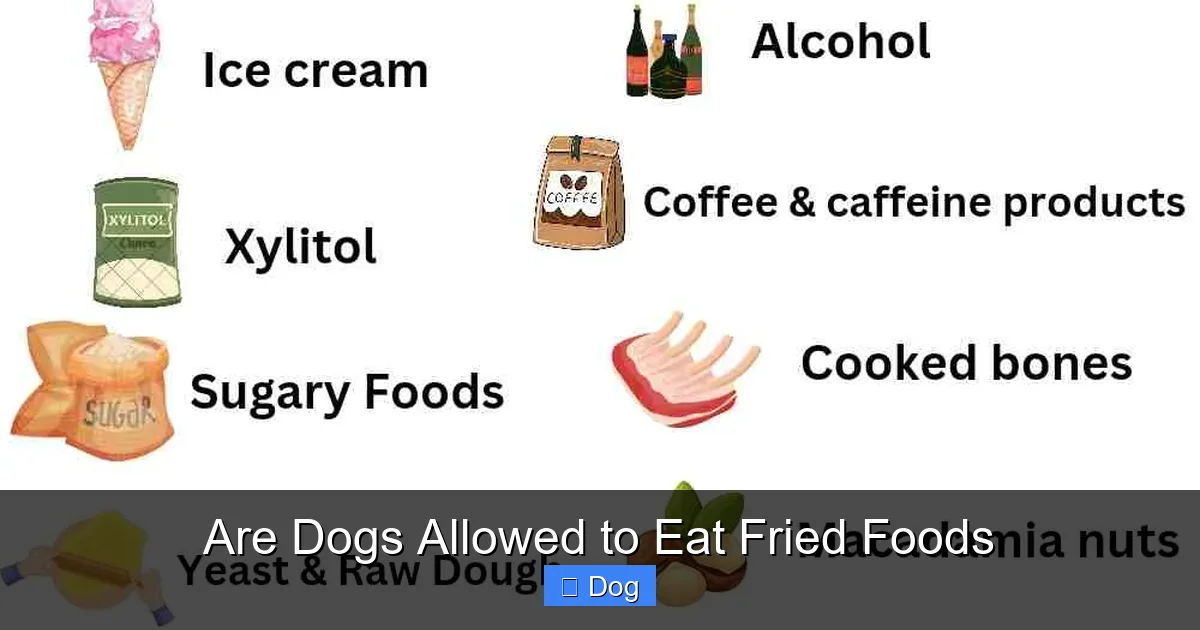
Visual guide about Are Dogs Allowed to Eat Fried Foods
Image source: smallanimaladvice.com
Fried foods are a staple in many human diets—think french fries, fried chicken, onion rings, and mozzarella sticks. But just because we love them doesn’t mean our dogs can enjoy them too. In fact, fried foods are one of the most common causes of dietary-related emergencies in dogs.
The main issue lies in the high fat and oil content. When food is deep-fried, it absorbs large amounts of cooking oil, making it extremely rich and greasy. Dogs have much smaller and more sensitive digestive systems than humans. Their bodies aren’t designed to handle large amounts of fat, especially from processed or fried sources.
When a dog eats fried food, their pancreas has to work overtime to produce enzymes to break down the fat. This sudden demand can overwhelm the organ, leading to inflammation—a condition known as pancreatitis. Pancreatitis is not only painful but can be life-threatening if not treated quickly.
Pancreatitis: A Silent Threat
Pancreatitis is one of the most serious risks associated with feeding dogs fried foods. The pancreas plays a crucial role in digestion and blood sugar regulation. When it becomes inflamed, it can’t function properly, leading to symptoms like vomiting, diarrhea, abdominal pain, lethargy, and loss of appetite.
In severe cases, pancreatitis can cause organ failure, sepsis, or even death. And here’s the scary part: it doesn’t take a whole plate of fried food to trigger it. Even a few fries or a small piece of fried chicken can be enough to set off this dangerous reaction.
Veterinarians often see spikes in pancreatitis cases after holidays like Thanksgiving or Fourth of July, when people are more likely to share rich, fatty foods with their pets. It’s a painful reminder that what’s festive for us can be fatal for our dogs.
High Fat Content and Obesity
Another major concern with fried foods is their contribution to obesity. Fried foods are calorie-dense, meaning they pack a lot of energy into a small portion. Dogs don’t need that kind of caloric load, especially if they’re not highly active.
Over time, regular consumption of fried foods can lead to rapid weight gain. Obesity in dogs is linked to a host of health problems, including diabetes, heart disease, joint issues like arthritis, and reduced mobility. Overweight dogs also tend to have shorter lifespans and a lower quality of life.
Even if your dog seems fine after eating a little fried food, the cumulative effect over time can be devastating. It’s not just about one meal—it’s about the long-term impact on their health.
Digestive Upset and Vomiting
Even if your dog doesn’t develop pancreatitis, fried foods can still cause immediate digestive distress. Symptoms like vomiting, diarrhea, gas, and stomach cramps are common after a dog eats something greasy.
Dogs have shorter digestive tracts than humans, which means food moves through their system faster. This makes it harder for them to break down and absorb large amounts of fat. The result? A messy, uncomfortable experience for your pup—and a cleanup job for you.
In some cases, the grease from fried foods can coat the intestines, interfering with nutrient absorption and causing further irritation. This can lead to dehydration, especially if vomiting and diarrhea persist.
Hidden Dangers: Seasonings and Additives
It’s not just the frying process that makes these foods dangerous—it’s also what’s added to them. Many fried foods are seasoned with ingredients that are toxic to dogs.
Onion and Garlic: The Silent Killers
Onion and garlic—common in fried dishes like onion rings or seasoned fries—are highly toxic to dogs. These ingredients contain compounds called thiosulfates, which can damage a dog’s red blood cells and lead to hemolytic anemia. This condition reduces the blood’s ability to carry oxygen, causing weakness, pale gums, rapid breathing, and even organ failure.
The danger isn’t limited to raw onion or garlic. Powdered forms, like those used in seasoning blends, are even more concentrated and can be deadly in smaller amounts. Just a few sprinkles on a fry could be enough to harm a small dog.
Salt and Sodium Overload
Fried foods are often loaded with salt to enhance flavor. While a little salt is fine for humans, dogs are much more sensitive to sodium. Too much salt can lead to sodium ion poisoning, which causes symptoms like excessive thirst, vomiting, diarrhea, tremors, seizures, and in severe cases, death.
Even if your dog doesn’t show immediate signs of poisoning, chronic high sodium intake can strain the kidneys and heart, leading to long-term health issues.
Artificial Flavors and Preservatives
Many fried foods contain artificial flavors, preservatives, and colorings that aren’t safe for dogs. Ingredients like monosodium glutamate (MSG), xylitol (a sugar substitute), and certain food dyes can cause allergic reactions, digestive upset, or even neurological problems.
Xylitol, in particular, is extremely dangerous. Found in some low-calorie or sugar-free fried snacks, it can cause a rapid insulin release in dogs, leading to hypoglycemia (low blood sugar), seizures, liver failure, and death.
Can Dogs Eat Any Fried Foods Safely?
You might be wondering: Is there any fried food that’s safe for dogs? The answer is still no—not in the traditional sense. However, there are safer ways to prepare dog-friendly versions of “fried” foods at home.
Air-Fried or Baked Alternatives
If you want to give your dog a crispy treat, consider air-frying or baking instead of deep-frying. Air fryers use little to no oil, significantly reducing the fat content. You can make dog-safe “fried” chicken by baking boneless, skinless chicken breast with a light coating of dog-approved seasoning (like parsley or turmeric) and a tiny bit of olive oil.
Similarly, you can bake sweet potato slices or apple chips for a crunchy, healthy snack. These options give your dog the texture they love without the dangerous grease.
Homemade Dog Treats
Making your own dog treats is a great way to control ingredients and avoid harmful additives. There are countless recipes online for baked dog biscuits, frozen yogurt bites, and dehydrated meat treats—all of which are safe and delicious.
For example, you can make “fried” chicken bites by boiling chicken, shredding it, and lightly baking it until crispy. Serve it plain or mix it with a bit of plain yogurt or pumpkin puree for extra flavor.
What About a Tiny Bite?
We get it—sometimes curiosity gets the best of us. But even a small bite of fried food can be risky. Dogs have different metabolic rates and body sizes, so what seems like a tiny amount to you could be a large dose for them.
If your dog accidentally eats a piece of fried food, monitor them closely for signs of distress. Contact your vet immediately if they show symptoms like vomiting, lethargy, or abdominal pain.
Signs Your Dog Ate Fried Food (and What to Do)
Accidents happen. Maybe your dog snuck a fry off the floor, or a guest gave them a piece of fried chicken without thinking. If you suspect your dog has eaten fried food, it’s important to act quickly.
Common Symptoms to Watch For
– Vomiting (especially if it’s greasy or foamy)
– Diarrhea (may contain blood or oil)
– Lethargy or weakness
– Loss of appetite
– Abdominal pain (your dog may whimper, pace, or avoid being touched)
– Excessive drooling
– Restlessness or discomfort
These symptoms can appear within hours of ingestion and may worsen over time.
When to Call the Vet
If your dog shows any of the above signs, contact your veterinarian right away. Pancreatitis can develop rapidly, and early treatment is crucial.
Even if your dog seems fine, it’s a good idea to call your vet for advice—especially if they ate a large amount of fried food or if they have a history of digestive issues.
What Not to Do
Do not induce vomiting unless instructed by a vet. In some cases, vomiting can worsen the situation, especially if the food has already moved into the intestines.
Do not give your dog over-the-counter human medications like Pepto-Bismol or antacids. These can be toxic to dogs and may interact with other treatments.
Treatment Options
If your dog is diagnosed with pancreatitis or food poisoning, treatment may include:
– IV fluids to prevent dehydration
– Anti-nausea medications
– Pain relief
– A bland diet (like boiled chicken and rice) for several days
– Hospitalization in severe cases
Recovery can take days to weeks, depending on the severity. Prevention is always better than treatment.
Healthy Alternatives to Fried Foods
Just because dogs can’t eat fried foods doesn’t mean they can’t enjoy tasty, crunchy treats. There are plenty of safe, nutritious alternatives that will satisfy your dog’s cravings without risking their health.
Fruits and Vegetables
Many fruits and vegetables are safe and healthy for dogs. Try offering:
– Carrots (raw or steamed)—great for teeth and low in calories
– Apples (without seeds)—high in fiber and vitamin C
– Blueberries—packed with antioxidants
– Green beans—low-calorie and crunchy
– Cucumbers—refreshing and hydrating
Always wash produce thoroughly and remove any seeds, pits, or stems that could be choking hazards.
Cooked Meats and Proteins
Plain, cooked meats are a great source of protein for dogs. Try:
– Boiled or baked chicken (no skin, no bones)
– Turkey (plain, no seasoning)
– Lean beef (cooked, no fat)
– Eggs (scrambled or boiled, no oil or butter)
Avoid processed meats like bacon, sausage, or deli meats, which are high in fat, salt, and preservatives.
Dog-Safe Grains and Starches
Some grains can be included in moderation:
– Cooked brown rice
– Oatmeal (plain, no sugar or milk)
– Sweet potatoes (baked or boiled, no butter or sugar)
These provide energy and fiber without the harmful additives.
Commercial Dog Treats
If you’re short on time, choose high-quality commercial dog treats made with natural ingredients. Look for brands that are grain-free (if needed), low in fat, and free from artificial colors, flavors, and preservatives.
Always check the ingredient list and avoid treats with onion, garlic, xylitol, or excessive salt.
Preventing Accidental Ingestion
The best way to protect your dog is to prevent access to fried foods in the first place.
Keep Food Out of Reach
Never leave fried foods unattended on tables, counters, or floors. Dogs are curious and quick—they can snatch a fry in seconds.
Use baby gates or closed doors to keep your dog out of the kitchen during meal prep.
Educate Family and Guests
Make sure everyone in your household—and any visitors—knows the rules. Post a friendly reminder on the fridge or send a quick text before gatherings.
Teach children not to feed the dog from their plates, even as a “treat.”
Use Positive Reinforcement
Train your dog to stay away from food using commands like “leave it” or “drop it.” Reward them with safe, healthy treats when they obey.
Consistency and patience go a long way in building good habits.
Conclusion: Keep Your Dog Safe and Healthy
So, are dogs allowed to eat fried foods? The answer is clear: no. Fried foods are high in fat, salt, and harmful additives that can cause serious health problems—from digestive upset to life-threatening pancreatitis.
While it’s tempting to share your meal with your furry friend, their health depends on a diet tailored to their needs. Stick to dog-safe foods, and always consult your vet before introducing new treats.
Remember, a healthy dog is a happy dog. By making smart choices about what you feed your pet, you’re giving them the gift of a longer, more vibrant life. So the next time your dog gives you those puppy-dog eyes, reach for a carrot stick or a piece of plain chicken instead. Your pup will thank you—with wagging tails and wet kisses.
Frequently Asked Questions
Can dogs eat french fries?
No, dogs should not eat french fries. They are high in fat, salt, and often contain onion or garlic powder, all of which are harmful to dogs. Even a few fries can cause digestive upset or pancreatitis.
What happens if my dog eats fried chicken?
If your dog eats fried chicken, monitor them for vomiting, diarrhea, lethargy, or abdominal pain. Contact your vet immediately, as the high fat content can trigger pancreatitis, a serious and potentially fatal condition.
Is a small piece of fried food safe for dogs?
Even a small piece of fried food can be dangerous. Dogs have sensitive digestive systems, and the fat, oil, and seasonings in fried foods can cause illness. It’s best to avoid giving any fried food to your dog.
Can dogs eat air-fried foods?
Air-fried foods made with dog-safe ingredients and no harmful seasonings can be safer than deep-fried options. However, they should still be given in moderation and only if they’re plain and low in fat.
What should I do if my dog ate onion rings?
Onion rings are toxic to dogs due to the onion content. Contact your veterinarian immediately, even if your dog seems fine. Onion can cause anemia, and symptoms may not appear right away.
Are there any fried foods dogs can eat?
No traditional fried foods are safe for dogs. However, you can make healthier versions at home using baking or air-frying methods with dog-approved ingredients like plain chicken or sweet potatoes.