
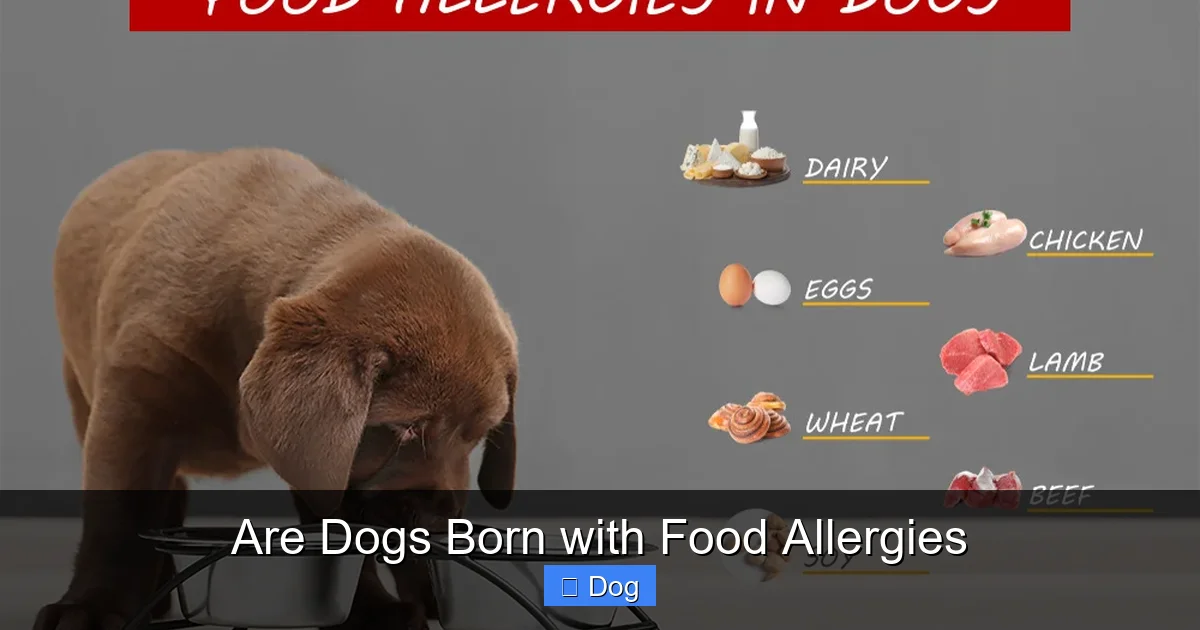
Most dogs are not born with food allergies, but they can develop them over time due to genetics, diet, and environmental factors. While some breeds are more prone to sensitivities, true food allergies usually appear after repeated exposure to certain ingredients.
Key Takeaways
- Food allergies are not typically present at birth: Most dogs develop food allergies later in life, often after months or years of eating the same diet.
- Genetics play a role: Certain breeds like Bulldogs, Retrievers, and Terriers are more genetically predisposed to developing food sensitivities.
- Common allergens include beef, chicken, dairy, and wheat: These proteins and grains are frequent culprits in canine food allergies.
- Symptoms go beyond skin issues: Digestive problems, ear infections, and chronic paw licking can all signal a food allergy.
- Diagnosis requires elimination diets: Vets often recommend a strict hypoallergenic diet for 8–12 weeks to identify triggers.
- Food intolerances are different from allergies: Intolerances cause digestive upset, while allergies involve the immune system and can be more severe.
- Early intervention improves outcomes: The sooner you identify and manage a food allergy, the better your dog’s quality of life will be.
📑 Table of Contents
Are Dogs Born with Food Allergies?
If you’ve ever watched your dog scratch incessantly, suffer from upset stomachs, or develop recurring ear infections, you’ve probably wondered: Could it be a food allergy? And more importantly—was my dog born with it?
The short answer is no, most dogs are not born with food allergies. While some puppies may show early signs of sensitivity, true food allergies typically develop over time. Unlike humans, who can be born with allergies to things like peanuts or shellfish, dogs usually need repeated exposure to a particular ingredient before their immune system reacts negatively.
That said, genetics can set the stage. Certain breeds are more prone to developing food allergies, and if a puppy’s parents had sensitivities, there’s a higher chance the pup might too. But even then, the allergy doesn’t appear at birth—it develops as the dog grows and eats the same foods over and over.
Understanding the difference between being born with a condition and developing one later is crucial for pet parents. It helps you know what to watch for, when to act, and how to work with your vet to keep your dog healthy and comfortable.
In this guide, we’ll explore the science behind canine food allergies, how they develop, common symptoms, and what you can do to help your dog live their best life—even if they’re sensitive to certain foods.
What Are Food Allergies in Dogs?
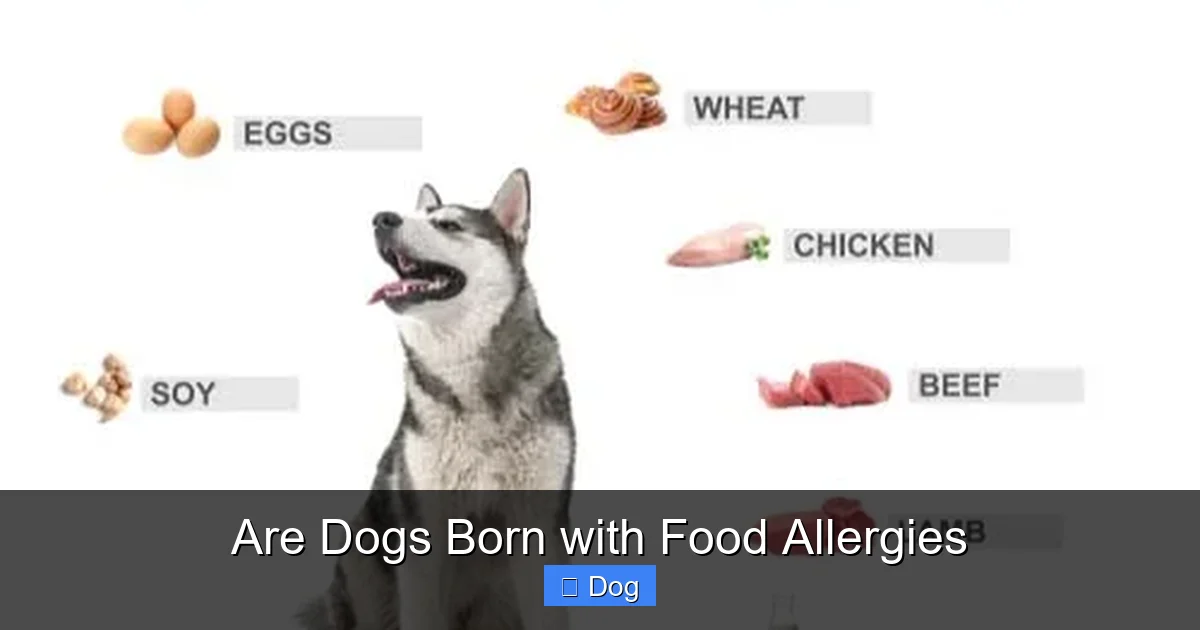
Visual guide about Are Dogs Born with Food Allergies
Image source: topdogtips.com
Before diving into whether dogs are born with food allergies, it’s important to understand what a food allergy actually is.
A food allergy in dogs is an immune system response to a specific ingredient in their diet—usually a protein like beef, chicken, or eggs, but sometimes a carbohydrate like wheat or corn. When a dog with a food allergy eats that ingredient, their immune system mistakenly identifies it as a harmful invader and launches an attack. This reaction can cause inflammation, itching, digestive issues, and other symptoms.
It’s easy to confuse food allergies with food intolerances, but they’re not the same thing. A food intolerance doesn’t involve the immune system. Instead, it’s a digestive issue—like when a dog can’t properly break down lactose in milk. The result might be gas, diarrhea, or vomiting, but there’s no immune response.
Food allergies, on the other hand, are more serious and can lead to chronic health problems if left untreated. They’re also less common than many people think. Studies suggest that only about 10% of dogs with skin or digestive issues actually have a true food allergy. The rest may have environmental allergies, infections, or other underlying conditions.
So while food allergies aren’t something dogs are born with, they can develop at any age—even in senior dogs who’ve eaten the same food for years. That’s why it’s so important to stay alert to changes in your dog’s behavior, coat, or digestion.
How Food Allergies Develop Over Time
Food allergies don’t happen overnight. They develop gradually, often after months or even years of eating the same food.
Imagine your dog eats a kibble that contains chicken as the main protein. At first, everything’s fine. But over time, their immune system starts to recognize chicken as a threat. Maybe it’s due to a leaky gut, genetic predisposition, or repeated exposure without variety. Eventually, the immune system overreacts, and bam—your dog has a food allergy.
This process is called sensitization. It’s why many dogs develop allergies to ingredients they’ve been eating their whole lives. It’s not that the food suddenly became bad—it’s that the dog’s body changed how it responds to it.
Environmental factors can also play a role. Dogs exposed to pesticides, chemicals, or poor-quality diets may have weakened immune systems, making them more likely to develop allergies. Stress, antibiotics, and even gut microbiome imbalances can contribute.
The key takeaway? Food allergies are rarely present at birth. They’re acquired conditions, often triggered by long-term dietary habits and environmental influences.
Common Signs and Symptoms of Food Allergies in Dogs
Spotting a food allergy early can make a huge difference in your dog’s comfort and health. But because symptoms can be subtle or mimic other conditions, it’s easy to miss the signs.
The most common symptom of a food allergy in dogs is itchy skin, especially around the ears, paws, belly, and rear end. This is often referred to as “allergic dermatitis.” Your dog might scratch, lick, or chew at these areas constantly, sometimes to the point of causing hair loss or open sores.
But skin issues aren’t the only clue. Digestive problems like chronic diarrhea, vomiting, gas, or soft stools can also point to a food allergy. Some dogs experience both skin and digestive symptoms, while others show only one.
Other signs to watch for include:
– Recurrent ear infections (especially yeast infections)
– Red, inflamed skin or rashes
– Chronic paw licking or chewing
– Rubbing their face on carpets or furniture
– Excessive shedding or dull coat
– Bad breath or smelly ears
These symptoms can come and go, making them hard to track. One week your dog seems fine; the next, they’re scratching nonstop. That’s why keeping a symptom diary can be helpful. Note what your dog eats, when symptoms appear, and how severe they are.
It’s also important to rule out other causes. Fleas, mites, bacterial infections, and environmental allergies (like pollen or dust) can cause similar symptoms. Your vet may recommend tests to eliminate these possibilities before diagnosing a food allergy.
When Do Symptoms Usually Appear?
Food allergy symptoms can show up at any age. Some dogs develop them as puppies, while others don’t show signs until they’re several years old.
Interestingly, food allergies are more common in middle-aged dogs—typically between 2 and 6 years old. But there’s no hard rule. I’ve seen cases where a 10-year-old dog suddenly developed an allergy to chicken after eating it for a decade.
Puppies can show early signs, but it’s often hard to tell if it’s a true allergy or just a sensitive stomach. If your puppy has persistent diarrhea or skin issues despite a good diet and parasite prevention, it’s worth discussing with your vet.
The key is consistency. If symptoms keep coming back—especially after trying different treatments—it’s time to consider a food allergy.
Common Food Allergens in Dogs
Not all ingredients are created equal when it comes to triggering allergies. Some foods are far more likely to cause reactions than others.
The most common food allergens in dogs include:
– Beef (found in many commercial dog foods)
– Chicken and chicken by-products
– Dairy products (milk, cheese, yogurt)
– Eggs
– Wheat and wheat gluten
– Soy
– Corn
Surprised? These are actually staples in many dog foods. That’s why switching to a “grain-free” or “limited ingredient” diet doesn’t always solve the problem—because the real issue might be the protein, not the grain.
For example, a dog allergic to chicken might still react to a grain-free kibble that uses chicken meal as the main protein. Similarly, a dog sensitive to beef might react to a “natural” treat made with beef liver.
It’s also worth noting that artificial additives—like colors, flavors, and preservatives—can sometimes trigger reactions, though true allergies to these are less common.
Why Are Proteins the Biggest Culprits?
Proteins are the most common allergens because they’re large, complex molecules that the immune system can easily mistake for invaders. When a dog eats the same protein repeatedly, their immune system may eventually overreact.
This is why many veterinarians recommend rotating protein sources in your dog’s diet. Feeding chicken one month, then lamb the next, then fish, can help reduce the risk of developing an allergy.
However, if your dog already has a food allergy, rotation won’t fix it—you’ll need to identify and eliminate the specific trigger.
Hidden Ingredients to Watch For
Even if you’re feeding a “simple” diet, hidden ingredients can sneak in. For example:
– A treat labeled “salmon” might contain chicken fat for flavor.
– A “beef-free” kibble might use beef broth or beef meal.
– Some supplements or medications contain dairy or wheat.
Always read labels carefully. Look for foods with short, recognizable ingredient lists. And when in doubt, ask the manufacturer.
Diagnosing Food Allergies in Dogs
If you suspect your dog has a food allergy, the first step is to see your veterinarian. They’ll help rule out other causes and guide you through the diagnostic process.
The gold standard for diagnosing food allergies is an elimination diet. This means feeding your dog a completely new diet—one that contains proteins and carbohydrates they’ve never eaten before—for 8 to 12 weeks.
During this time, you must avoid all other foods, treats, chews, and even flavored medications. Even a single bite of their old food can ruin the test.
Common elimination diet options include:
– Novel proteins like duck, venison, or kangaroo
– Hydrolyzed diets, where proteins are broken down so small the immune system can’t recognize them
– Homemade diets formulated with your vet’s guidance
After the elimination period, if your dog’s symptoms improve, your vet will recommend a food challenge. This involves reintroducing the old food to see if symptoms return. If they do, it confirms a food allergy.
Why Elimination Diets Take So Long
You might wonder why the diet has to last 8–12 weeks. It’s because food allergies involve the immune system, and it takes time for the body to clear out allergens and for symptoms to fully resolve.
Skin issues, in particular, can take weeks to improve. Digestive symptoms may clear up faster, but skin healing is slower. Rushing the process can lead to false results.
Patience is key. Stick to the plan, even if your dog seems better after a few weeks.
What If the Elimination Diet Doesn’t Work?
If your dog’s symptoms don’t improve on the elimination diet, it likely means the issue isn’t a food allergy. Your vet may investigate other causes, such as:
– Environmental allergies (atopy)
– Parasites (like mites or fleas)
– Bacterial or fungal infections
– Autoimmune disorders
In some cases, dogs have multiple issues—like both food and environmental allergies—which can complicate diagnosis.
Managing and Treating Food Allergies in Dogs
Once a food allergy is diagnosed, the goal is to manage it for life. There’s no cure, but with the right diet and care, most dogs live happy, healthy lives.
The primary treatment is a strict hypoallergenic diet. This means avoiding the allergen completely—no exceptions. Even small amounts can trigger symptoms.
Many pet parents choose commercial hypoallergenic dog foods, which are formulated to minimize allergic reactions. Look for brands that use novel proteins or hydrolyzed ingredients and are made in dedicated facilities to avoid cross-contamination.
Some owners prefer homemade diets, but these require careful planning to ensure balanced nutrition. Work with a veterinary nutritionist to create a safe, complete meal plan.
Supplements and Supportive Care
While diet is the foundation, supplements can help support your dog’s health:
– Omega-3 fatty acids (from fish oil) reduce inflammation and improve skin health
– Probiotics support gut health and may reduce allergic responses
– Antihistamines or medicated shampoos can provide temporary relief for itching
Always consult your vet before starting any supplements.
Preventing Cross-Contamination
If you have multiple pets, be extra careful. Feeding your allergic dog from the same bowl as another dog—or letting them lick another dog’s food—can expose them to allergens.
Use separate bowls, wash them thoroughly, and store foods separately. And never give your allergic dog treats meant for other pets unless you’re sure they’re safe.
Can You Prevent Food Allergies in Dogs?
Since food allergies aren’t present at birth, can you stop them from developing?
While you can’t guarantee prevention, there are steps you can take to reduce the risk:
– Feed a varied diet with rotating protein sources
– Choose high-quality, minimally processed foods
– Avoid overusing antibiotics, which can disrupt gut health
– Support a healthy gut microbiome with probiotics
– Minimize exposure to environmental toxins
Some studies suggest that early exposure to a variety of foods may help “train” the immune system, though more research is needed.
The best approach is proactive care. Pay attention to your dog’s digestion, coat, and behavior. If something seems off, don’t wait—talk to your vet.
Conclusion
So, are dogs born with food allergies? The answer is clear: No, they are not. While genetics and breed predisposition can increase the risk, food allergies develop over time due to repeated exposure, immune system changes, and environmental factors.
Recognizing the signs early, working with your vet, and committing to a proper diagnosis and management plan can make all the difference. With the right diet and care, dogs with food allergies can live full, comfortable lives.
Remember, every dog is unique. What works for one may not work for another. Stay observant, stay informed, and always prioritize your dog’s health and happiness.
Frequently Asked Questions
Can puppies be born with food allergies?
No, puppies are not born with food allergies. While some may show early sensitivity, true food allergies develop after repeated exposure to certain ingredients, usually months or years into life.
What’s the most common food allergen in dogs?
Beef is the most common food allergen in dogs, followed closely by chicken, dairy, and wheat. These ingredients are found in many commercial dog foods, increasing the risk of sensitization.
How long does it take to see improvement on an elimination diet?
Most dogs show improvement within 4–6 weeks, but the full diet should last 8–12 weeks to ensure accurate results. Skin symptoms often take longer to heal than digestive issues.
Can a dog develop a food allergy to a food they’ve eaten for years?
Yes, absolutely. Dogs can develop allergies to ingredients they’ve consumed their entire lives. This is due to immune system changes over time, not the food itself becoming harmful.
Are grain-free diets better for dogs with food allergies?
Not necessarily. While some dogs are allergic to grains, most food allergies are caused by proteins like beef or chicken. A grain-free diet won’t help if the real allergen is the protein source.
Can food allergies in dogs be cured?
No, food allergies cannot be cured, but they can be effectively managed with a strict hypoallergenic diet. Avoiding the allergen is the only way to prevent symptoms.