

Dogs are not predators at the top of the food chain like humans, but they play a unique role in human-dominated ecosystems. While humans sit at the apex due to intelligence and technology, dogs thrive as companions, workers, and scavengers—shaping their place through domestication and symbiosis.
Have you ever watched your dog stare longingly at your dinner plate and wondered, “Could they survive without me?” It’s a funny thought—but it touches on a deeper question: where do dogs actually fit in the grand scheme of the food chain? We often think of lions, sharks, or even eagles as top predators, but what about humans and their four-legged companions? Are dogs next to humans on the food chain? The short answer is no—but the real story is far more fascinating.
The food chain is a natural system that shows how energy and nutrients move from one organism to another. At the bottom are plants, which convert sunlight into energy. Herbivores eat plants, carnivores eat herbivores, and so on, building a pyramid of life. At the very top sit the apex predators—animals with no natural enemies that regulate ecosystems by controlling prey populations. Humans have long been considered the ultimate apex predators, not because we’re the strongest or fastest, but because of our intelligence, tools, and ability to reshape entire environments.
Dogs, on the other hand, are a bit of a paradox. They’re descended from wolves, which are skilled hunters and natural predators. But over thousands of years of domestication, dogs have evolved to live alongside humans, not hunt like their wild ancestors. Today, most dogs depend on us for food, shelter, and care. So while they share a close bond with the species at the top of the food chain, they don’t occupy the same ecological niche. Instead, dogs have carved out a unique role—one shaped by loyalty, utility, and mutual benefit.
Key Takeaways
- Dogs are not apex predators: Unlike humans, dogs lack the hunting efficiency and ecological dominance to be at the top of the food chain.
- Humans dominate the food chain: Through technology, agriculture, and intelligence, humans control food production and consumption globally.
- Dogs occupy a symbiotic niche: Their role is shaped by domestication, living alongside humans as companions, guards, and helpers.
- Canine diets reflect human influence: Most dogs eat processed food made by humans, placing them indirectly within human-controlled food systems.
- Wild canids differ from domestic dogs: Wolves and foxes have natural predator roles, but pet dogs rely on humans for survival.
- Ethical considerations matter: The way we feed and care for dogs reflects our responsibility in the food chain.
- Dogs impact local ecosystems: Feral or free-roaming dogs can disrupt wildlife, showing their indirect influence on food webs.
📑 Table of Contents
- Understanding the Food Chain: A Quick Refresher
- Are Humans at the Top of the Food Chain?
- Where Do Dogs Fit in the Food Chain?
- The Human-Dog Symbiosis: A Unique Relationship
- What Do Dogs Eat? The Human Influence on Canine Diets
- Ecological Impact of Dogs on the Environment
- Ethical Considerations: Our Responsibility as Humans
- Conclusion: Dogs Are Not Next to Humans—They’re With Us
Understanding the Food Chain: A Quick Refresher
Before we dive into where dogs fit, let’s take a moment to understand how the food chain works. Think of it like a ladder. At the bottom are producers—mostly plants and algae—that make their own food through photosynthesis. They’re the foundation of all life on Earth.
Next come the primary consumers: herbivores like deer, rabbits, and cows that eat plants. Then, secondary consumers—carnivores or omnivores—that eat the herbivores. For example, a fox might eat a rabbit. Tertiary consumers, like wolves or eagles, eat other carnivores. And at the very top? Apex predators. These are animals that have no natural predators and help keep ecosystems balanced.
Humans are unique in this system. We don’t just eat plants or animals—we farm them, process them, and distribute them globally. We’ve built cities, developed agriculture, and even altered the climate. Our impact on the food chain is so vast that some scientists refer to the current geological age as the “Anthropocene”—the age of humans.
Now, where do dogs come in? They’re not producers. They’re not primary consumers. And while they’re technically carnivores, most domestic dogs don’t hunt for survival. Instead, they’re fed by humans. This makes their position in the food chain more of a cultural and ecological hybrid than a fixed rank.
Are Humans at the Top of the Food Chain?
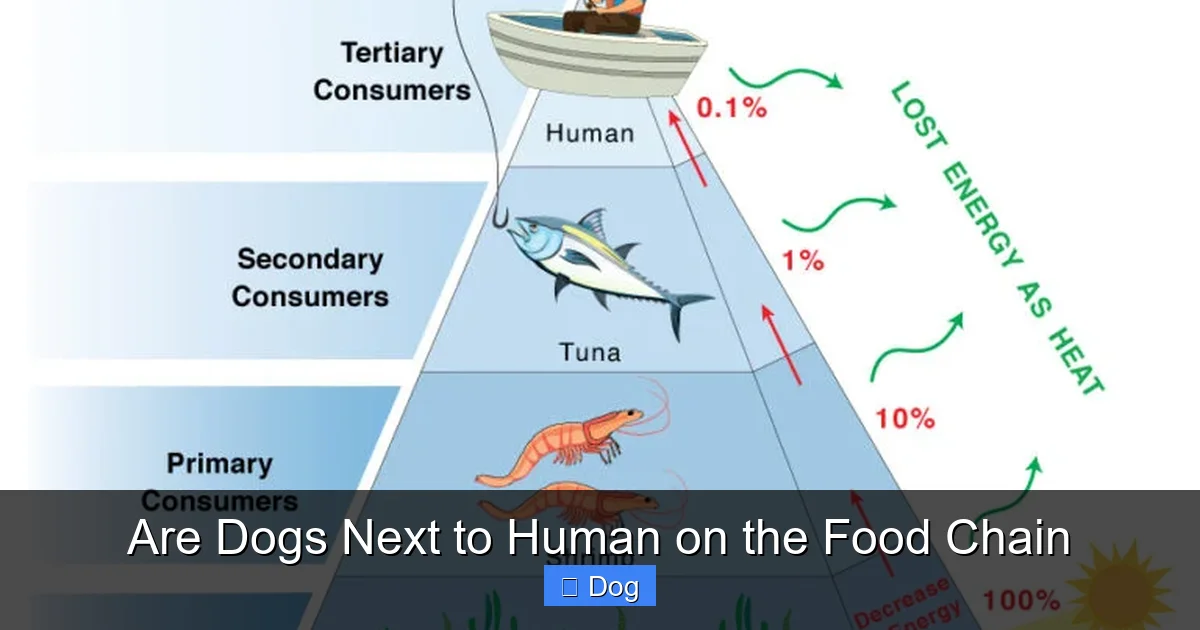
Visual guide about Are Dogs Next to Human on the Food Chain
Image source: sciencefacts.net
Let’s be clear: humans are the dominant species on Earth. We’ve hunted, farmed, and engineered our way to the top of the food chain. But what does that really mean?
Human Intelligence and Technology
Unlike other apex predators, humans don’t rely on speed, strength, or sharp teeth to survive. We use tools, language, and cooperation. We’ve built weapons, developed agriculture, and created global supply chains. We can eat almost anything—plants, animals, fungi, even processed foods made from ingredients we’ve genetically modified.
Our ability to manipulate the environment gives us unmatched control over food sources. We don’t just hunt—we domesticate animals, grow crops, and preserve food for months or years. We’ve even started lab-grown meat and vertical farming. These innovations place us far above traditional apex predators in terms of influence.
Global Impact on Ecosystems
Humans don’t just eat from the food chain—we reshape it. Deforestation, overfishing, and climate change are all results of human activity. We’ve driven species to extinction, introduced invasive species, and altered habitats. In many ways, we’ve become a force of nature.
This dominance comes with responsibility. As the top of the food chain, we decide what gets eaten, what gets protected, and what gets destroyed. Our choices affect everything from ocean health to pollinator populations.
So yes, humans are at the top—but not because we’re the fiercest hunters. It’s because we’re the most adaptable, innovative, and impactful species on the planet.
Where Do Dogs Fit in the Food Chain?
Now for the big question: are dogs next to humans on the food chain? The answer is more nuanced than a simple yes or no.
Dogs as Domesticated Carnivores
Biologically, dogs are carnivores. Their teeth, digestive systems, and nutritional needs are designed for meat. But unlike wild carnivores, most dogs don’t hunt. They’re fed by humans—often with commercial dog food made from animal byproducts, grains, and vegetables.
This means dogs are indirectly part of the human-controlled food system. They eat what we give them, and that food is produced using human agriculture and industry. In this sense, dogs are consumers within a human-managed ecosystem.
The Role of Domestication
Dogs were the first animals domesticated by humans—over 15,000 years ago. Originally, they likely helped with hunting, guarding, and scavenging. Over time, they evolved to live alongside us, becoming more social, less aggressive, and better at reading human emotions.
This close relationship changed their ecological role. Instead of being independent predators, dogs became symbiotic partners. They protect homes, assist in herding, guide the blind, and even detect diseases. In return, we provide food, shelter, and affection.
Dogs vs. Wild Canids
It’s important to distinguish domestic dogs from their wild relatives. Wolves, foxes, and coyotes are true predators. They hunt in packs, regulate prey populations, and play key roles in their ecosystems.
Domestic dogs, especially pets, don’t have that role. A Chihuahua in a city apartment isn’t hunting deer or controlling rabbit populations. But feral dogs—those living without human care—can impact local wildlife. In some areas, packs of feral dogs have been known to prey on small mammals, birds, and even livestock.
Still, even feral dogs often rely on human waste or handouts. They’re not self-sufficient like wolves. This dependency keeps them from being true apex predators.
The Human-Dog Symbiosis: A Unique Relationship
The bond between humans and dogs is one of the oldest and most successful partnerships in history. But what makes it so special?
Mutual Benefits
Dogs get food, shelter, medical care, and companionship. Humans get loyalty, protection, emotional support, and practical help. This mutual benefit has strengthened over thousands of years.
For example, herding dogs help farmers manage livestock. Search-and-rescue dogs save lives in disasters. Therapy dogs comfort people in hospitals and schools. These roles show how dogs contribute to human society in ways that go beyond food.
Emotional and Psychological Impact
Dogs aren’t just useful—they’re loved. Studies show that petting a dog can lower stress, reduce blood pressure, and increase feelings of happiness. They provide unconditional love and companionship, especially for people living alone or dealing with mental health challenges.
This emotional bond is rare in the animal kingdom. Most predator-prey relationships are based on survival, not affection. But dogs and humans have developed a deep, reciprocal connection.
Cultural Significance
Dogs appear in art, literature, and religion across cultures. They’re seen as loyal friends, guardians, and even spiritual guides. In ancient Egypt, dogs were associated with the afterlife. In Norse mythology, they accompanied warriors to Valhalla.
This cultural reverence reinforces their special status. We don’t just eat with dogs—we celebrate them, mourn them, and honor them.
What Do Dogs Eat? The Human Influence on Canine Diets
One of the clearest signs of dogs’ place in the human food system is what they eat.
Commercial Dog Food
Most dogs today eat processed kibble or canned food. These products are made from animal proteins (like chicken, beef, or fish), grains, vegetables, and supplements. They’re formulated to meet dogs’ nutritional needs—but they’re also designed for human convenience.
The ingredients often come from the same supply chains that feed humans. For example, chicken meal in dog food might come from parts of chickens not used in human food. This creates a kind of “secondary consumption”—dogs eating what’s left over.
Raw and Homemade Diets
Some owners choose to feed their dogs raw meat, bones, and organs—mimicking a more natural diet. Others prepare homemade meals with cooked meat, rice, and vegetables. These diets can be healthier but require careful planning to avoid nutritional deficiencies.
Still, even raw diets rely on human agriculture. The meat comes from farms, the vegetables from gardens or stores. Dogs aren’t hunting—they’re eating what humans provide.
Scavenging and Table Scraps
Before commercial dog food, dogs often ate leftovers from human meals. This practice still exists today. While it’s not ideal (some human foods are toxic to dogs), it shows how deeply intertwined our diets are.
In many ways, dogs are “downstream” consumers—eating the byproducts of human food production. This places them within the human food system, but not at the top.
Ecological Impact of Dogs on the Environment
While dogs aren’t apex predators, they do have an environmental footprint.
Carbon Pawprint
Yes, that’s a real term. The production of dog food—especially meat-based kibble—requires land, water, and energy. Transporting, packaging, and storing it adds to the carbon footprint.
Some studies estimate that a medium-sized dog has a similar annual carbon footprint to a large SUV. This doesn’t mean we should stop feeding our pets—but it does suggest we should choose sustainable options when possible.
Waste and Pollution
Dog waste can contaminate water sources if not properly disposed of. It contains bacteria and nutrients that can harm aquatic life. In cities, plastic waste from dog food packaging also contributes to pollution.
Impact on Wildlife
Free-roaming or feral dogs can disrupt local ecosystems. In some regions, they’ve been linked to declines in bird and small mammal populations. They may also spread diseases to wildlife or domestic animals.
Responsible pet ownership—keeping dogs leashed, vaccinated, and under control—can reduce these impacts.
Ethical Considerations: Our Responsibility as Humans
If dogs aren’t at the top of the food chain, what does that mean for how we treat them?
Companions, Not Commodities
Dogs are not food. In most cultures, they’re considered family members. This ethical stance sets them apart from livestock or wild game.
We have a moral obligation to care for them—providing food, shelter, medical care, and love. Neglect or abuse is not only illegal in many places but also a betrayal of the trust dogs place in us.
Sustainable Pet Ownership
We can reduce the environmental impact of dog ownership by choosing eco-friendly products, adopting from shelters, and supporting sustainable pet food brands. Small changes—like using biodegradable waste bags or feeding plant-based diets (when safe)—can make a difference.
Respecting Their Nature
While dogs are domesticated, they still have instincts. They need exercise, mental stimulation, and social interaction. Treating them with respect means understanding their needs—not just feeding them, but enriching their lives.
Conclusion: Dogs Are Not Next to Humans—They’re With Us
So, are dogs next to humans on the food chain? Not in the traditional sense. Humans sit at the apex, shaping the world through intelligence and technology. Dogs, by contrast, thrive in the spaces we create—living alongside us, depending on us, and enriching our lives in ways no other animal can.
Their role isn’t defined by hunting or dominance, but by partnership. They’re not predators—they’re companions, helpers, and family. And while they eat from the human food system, they don’t control it. Instead, they reflect our values, our choices, and our capacity for love.
In the end, the food chain isn’t just about who eats whom. It’s about relationships, responsibility, and the web of life that connects us all. Dogs may not be at the top—but they’re right beside us, wagging their tails and reminding us what it means to be human.
Frequently Asked Questions
Are dogs considered apex predators?
No, dogs are not apex predators. While their wild ancestors like wolves are skilled hunters, domestic dogs rely on humans for food and survival. They lack the ecological dominance to regulate prey populations like true apex predators.
Can dogs survive in the wild without humans?
Some dogs, especially feral ones, can adapt to life in the wild, but most domestic breeds are not equipped to hunt or fend for themselves. They depend on human care for food, shelter, and medical needs.
Do dogs eat the same food as humans?
Not exactly. While dogs can eat some human foods, their nutritional needs are different. Most dogs eat specially formulated commercial food, though some owners feed raw or homemade diets under veterinary guidance.
How do dogs affect the environment?
Dogs contribute to carbon emissions through food production and waste. Feral dogs can also disrupt local wildlife. Responsible ownership—like proper waste disposal and spaying/neutering—can reduce these impacts.
Why are humans at the top of the food chain?
Humans dominate the food chain due to intelligence, technology, and agriculture. We control food production, alter ecosystems, and consume a wide variety of plants and animals, making us the most influential species on Earth.
What role do dogs play in human society?
Dogs serve as companions, workers, and helpers. They assist in herding, hunting, search-and-rescue, therapy, and security. Their emotional support and loyalty make them invaluable members of human communities.