

Choosing the right additives for dog food can dramatically improve your dog’s digestion, coat, joint health, and overall vitality. In 2026, science-backed supplements like probiotics, omega-3s, and functional mushrooms are leading the way—offering natural, effective support tailored to modern canine needs.
If you’re like most dog parents in 2026, you want your furry friend to live their best life—full of zoomies, tail wags, and cozy naps. But even the highest-quality commercial dog food might not deliver everything your pup needs. That’s where the best additives for dog food come in. Think of them as the nutritional boosters that fill in the gaps, supporting everything from digestion to joint health and mental clarity.
The pet wellness industry has evolved rapidly over the past few years. With more pet owners treating their dogs like family members, demand for science-backed, natural, and functional supplements has skyrocketed. In 2026, we’re seeing a shift away from synthetic fillers and toward clean-label, bioavailable ingredients that actually make a difference. Whether you’re feeding kibble, raw, or homemade meals, the right additives can turn an ordinary diet into a powerhouse of nutrition.
But with so many options on the market—from powders and chews to oils and broths—it’s easy to feel overwhelmed. Which ones actually work? Which are just marketing hype? And how do you know what’s safe for your dog? This guide cuts through the noise. We’ll explore the top-performing, vet-recommended additives that are proven to support canine health in 2026. Whether you have a bouncy puppy, a senior senior, or a dog with specific health concerns, you’ll find practical, actionable advice to help you make the best choices.
Key Takeaways
- Probiotics enhance gut health: They improve digestion, reduce gas, and strengthen immunity by balancing gut bacteria.
- Omega-3 fatty acids promote shiny coats and reduce inflammation: Found in fish oil and algae, they support skin, joints, and brain function.
- Glucosamine and chondroitin aid joint mobility: Especially beneficial for older dogs or breeds prone to arthritis.
- Functional mushrooms boost immunity and energy: Varieties like reishi and turkey tail offer adaptogenic and antioxidant benefits.
- Digestive enzymes improve nutrient absorption: They help dogs break down food more efficiently, especially useful for sensitive stomachs.
- Antioxidants slow aging and support cellular health: Vitamins E and C, along with superfoods like blueberries, fight oxidative stress.
- Always consult your vet before adding supplements: Individual needs vary by breed, age, and health status.
📑 Table of Contents
Why Additives Matter in Modern Dog Nutrition
Dogs today face different challenges than their ancestors. Processed diets, environmental toxins, sedentary lifestyles, and genetic predispositions to certain diseases mean that even well-fed dogs can benefit from targeted nutritional support. Commercial dog food is formulated to meet basic AAFCO standards, but those are minimums—not optimal levels. That’s why the best additives for dog food are no longer just “nice to have”—they’re essential for many dogs.
For example, kibble is often cooked at high temperatures, which can destroy heat-sensitive nutrients like certain vitamins and enzymes. Additives can help restore what’s lost. Similarly, dogs with food sensitivities, allergies, or chronic conditions may need extra support that standard diets don’t provide. Additives allow for personalized nutrition, helping you tailor your dog’s diet to their unique needs.
Moreover, pet owners are more informed than ever. With access to veterinary blogs, DNA testing for dogs, and wearable health trackers, we’re learning that nutrition plays a huge role in longevity and quality of life. Studies from 2024 and 2025 show that dogs on supplemented diets live longer, have fewer vet visits, and maintain better mobility into old age. In short, the right additives aren’t just about filling bowls—they’re about building healthier, happier lives.
Top 5 Science-Backed Additives for Dog Food in 2026
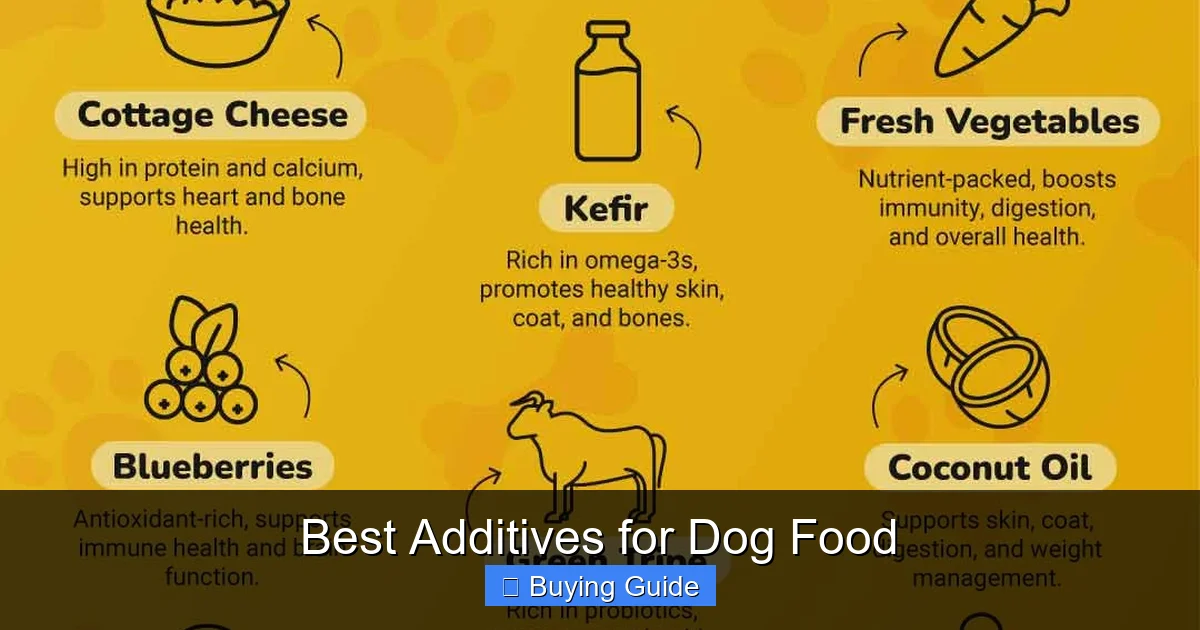
Visual guide about Best Additives for Dog Food
Image source: blog.petmade.com
Not all additives are created equal. In 2026, the most effective ones are those backed by clinical research, made from high-quality ingredients, and designed for bioavailability—meaning your dog can actually absorb and use them. Here are the top five additives that stand out this year.
1. Probiotics for Gut Health
A healthy gut is the foundation of overall wellness. Probiotics—live beneficial bacteria—help maintain a balanced microbiome, which supports digestion, immunity, and even mood. In dogs, an imbalance in gut flora can lead to diarrhea, gas, skin issues, and chronic inflammation.
The best probiotic additives for dog food contain strains like *Lactobacillus acidophilus*, *Bifidobacterium animalis*, and *Enterococcus faecium*. These are specifically studied for canine use and shown to improve stool quality and reduce digestive upset. Look for products with at least 1–10 billion CFUs (colony-forming units) per serving and guaranteed viability through the expiration date.
For example, brands like Purina Pro Plan FortiFlora and Nutramax Proviable-DC are widely recommended by vets. You can sprinkle the powder directly on food once daily. Many dog owners report noticeable improvements in digestion within a week.
Probiotics are especially helpful after antibiotics, during travel, or when switching diets. They’re also great for puppies and senior dogs, whose digestive systems are more vulnerable.
2. Omega-3 Fatty Acids for Skin, Coat, and Joints
Omega-3s—particularly EPA and DHA—are essential fats that dogs can’t produce on their own. They’re critical for reducing inflammation, supporting brain development, and maintaining healthy skin and coat.
The best sources are fish oil (from wild-caught salmon, sardines, or anchovies) and algae oil (a vegan option rich in DHA). In 2026, algae-based omega-3s are gaining popularity due to sustainability and purity. They’re free from heavy metals and microplastics, which can be a concern with some fish oils.
A 2025 study published in the *Journal of Veterinary Internal Medicine* found that dogs with osteoarthritis showed significant improvement in mobility after 12 weeks of daily omega-3 supplementation. Similarly, dogs with itchy skin or dull coats often see dramatic changes within a month.
Dosage depends on your dog’s weight. A general rule is 20–50 mg of combined EPA and DHA per pound of body weight daily. For a 50-pound dog, that’s about 1,000–2,500 mg. Always choose a product tested by a third party for purity and potency.
3. Glucosamine and Chondroitin for Joint Support
As dogs age, their joints naturally wear down. Glucosamine and chondroitin are natural compounds that support cartilage health and reduce joint pain. They’re especially important for large breeds (like German Shepherds and Labradors), active dogs, and seniors.
These additives work by stimulating cartilage repair and reducing inflammation. While they won’t reverse arthritis, they can slow progression and improve comfort. Many dog owners notice their pets moving more freely and showing less stiffness after a few weeks of consistent use.
Look for supplements that combine glucosamine HCl with chondroitin sulfate and often include MSM (methylsulfonylmethane) for added anti-inflammatory effects. Cosequin and Dasuquin are trusted brands often recommended by veterinarians.
It’s best to start joint support early—ideally before signs of stiffness appear. For example, large breed puppies can benefit from preventive supplementation starting around 1–2 years of age.
4. Functional Mushrooms for Immunity and Energy
Functional mushrooms are one of the hottest trends in pet wellness in 2026—and for good reason. Varieties like reishi, lion’s mane, turkey tail, and cordyceps have been used in traditional medicine for centuries and are now backed by modern research.
Each mushroom offers unique benefits:
– Reishi supports calmness and immune function.
– Lion’s mane may enhance cognitive function and nerve health.
– Turkey tail is rich in polysaccharides that boost immunity, especially in dogs undergoing treatment.
– Cordyceps can improve stamina and oxygen utilization, great for active or working dogs.
These mushrooms contain beta-glucans and other bioactive compounds that modulate the immune system and reduce oxidative stress. They’re available as powders, tinctures, or chews.
A 2024 clinical trial showed that dogs given turkey tail extract had improved immune markers and fewer infections. Many holistic vets now recommend functional mushrooms as part of a preventive health plan.
5. Digestive Enzymes for Better Nutrient Absorption
Even the best food won’t help if your dog can’t digest it properly. Digestive enzymes break down proteins, fats, and carbohydrates into absorbable nutrients. They’re especially helpful for dogs with pancreatic insufficiency, food sensitivities, or those on raw or homemade diets.
Common enzymes include amylase (for carbs), lipase (for fats), and protease (for proteins). Some supplements also include cellulase to help break down plant fibers.
Brands like NaturVet Digestive Enzymes and VetriScience Laboratories offer enzyme powders that can be mixed into meals. Many dog owners report less bloating, firmer stools, and improved energy after starting enzymes.
Enzymes are safe for long-term use and can be particularly beneficial for senior dogs, whose enzyme production naturally declines with age.
How to Choose the Right Additives for Your Dog
With so many options, how do you pick the best additives for your dog? The key is personalization. Every dog is different, and what works for one may not work for another. Here’s a step-by-step guide to help you make smart choices.
Assess Your Dog’s Needs
Start by evaluating your dog’s age, breed, activity level, and health status. A 2-year-old Border Collie with high energy needs will have different requirements than a 10-year-old Bulldog with joint issues.
Ask yourself:
– Does my dog have digestive problems (gas, diarrhea, constipation)?
– Is their coat dull or flaky?
– Are they stiff or reluctant to climb stairs?
– Do they seem less energetic or mentally sharp?
These clues can help you identify which additives might be most beneficial.
Read Labels Carefully
Not all supplements are created equal. Look for:
– Clear ingredient lists: Avoid products with artificial colors, flavors, or fillers.
– Third-party testing: Certifications from NSF, USP, or ConsumerLab ensure quality and purity.
– Dosage instructions: Make sure the product is dosed for dogs, not humans.
– Transparency: Reputable brands list the source of ingredients and manufacturing practices.
Avoid “proprietary blends” that don’t disclose exact amounts of each ingredient. You want to know what you’re giving your dog.
Start Slowly and Monitor
Introduce one additive at a time, and wait 1–2 weeks before adding another. This helps you identify what’s working and what’s not. Keep a journal to track changes in energy, digestion, coat quality, and behavior.
If you notice any adverse reactions—like vomiting, diarrhea, or lethargy—stop the supplement and consult your vet.
Consult Your Veterinarian
Always talk to your vet before starting any new supplement, especially if your dog has a chronic condition or is on medication. Some additives can interact with drugs or may not be suitable for certain health issues.
For example, high doses of vitamin E can interfere with blood clotting, and certain mushrooms may not be safe for dogs with liver disease. Your vet can help you create a safe, effective supplement plan.
DIY vs. Commercial Additives: What’s Better?
In 2026, many pet owners are exploring homemade additives—like bone broth, pumpkin puree, or coconut oil—as natural alternatives to commercial supplements. While these can be healthy in moderation, they may not provide the same level of targeted support.
The Case for DIY Additives
Homemade options are often fresher, more affordable, and free from additives. For example:
– Bone broth is rich in collagen and minerals, great for joints and digestion.
– Pumpkin puree (plain, not pie filling) helps with both constipation and diarrhea due to its fiber content.
– Coconut oil contains lauric acid, which has antimicrobial properties and can improve coat shine.
These are excellent as occasional boosts or for mild support. However, they lack the precision of formulated supplements. You’d need to feed large amounts to match the potency of a commercial product.
The Advantage of Commercial Additives
Commercial supplements are designed for consistency, bioavailability, and targeted dosing. They’re tested for safety and efficacy, and many are formulated by veterinary nutritionists.
For example, a high-quality probiotic powder delivers a guaranteed number of live cultures, while homemade yogurt may not have enough or the right strains. Similarly, fish oil supplements are purified to remove toxins, whereas raw fish can carry parasites or heavy metals.
That said, you can combine both approaches. Use commercial supplements for core support and DIY additives for variety and enrichment. Just avoid over-supplementing—more isn’t always better.
Safety First: Avoiding Common Pitfalls
While the best additives for dog food can do wonders, misuse can lead to problems. Here are common mistakes to avoid.
Over-Supplementing
Giving too many supplements can cause imbalances. For example, too much vitamin A can lead to toxicity, and excessive calcium can harm growing puppies. Stick to recommended doses and avoid “stacking” multiple products with overlapping ingredients.
Ignoring Expiration Dates
Probiotics and enzymes lose potency over time. Always check expiration dates and store supplements in a cool, dry place. Refrigeration may be required for some products.
Using Human Supplements
Never give your dog human-grade supplements without vet approval. Dosages, formulations, and inactive ingredients (like xylitol) can be dangerous. Always choose products specifically made for dogs.
Assuming “Natural” Means Safe
Just because an ingredient is natural doesn’t mean it’s safe. Some herbs and mushrooms can be toxic to dogs. Always research and consult your vet before trying something new.
Future Trends in Dog Food Additives
As we move further into 2026, the pet supplement industry is innovating rapidly. Here are emerging trends to watch:
– Personalized nutrition: DNA-based diets and gut microbiome testing are helping owners tailor supplements to their dog’s unique biology.
– Sustainable sourcing: Brands are shifting to eco-friendly ingredients like algae-based omega-3s and upcycled proteins.
– Functional treats: Supplements are being integrated into tasty chews and dental treats for easier administration.
– AI-driven recommendations: Apps and smart feeders now suggest additives based on your dog’s age, breed, and health data.
These advancements mean that in the near future, every dog could have a custom supplement plan—just like humans.
Conclusion
Adding the right supplements to your dog’s diet isn’t about chasing trends—it’s about giving them the tools to thrive. In 2026, the best additives for dog food are those that are science-backed, vet-approved, and tailored to your dog’s individual needs. From probiotics that calm the gut to omega-3s that soothe inflamed joints, these small additions can lead to big improvements in health and happiness.
Remember, supplements are not a replacement for a balanced diet or regular veterinary care. But when used wisely, they’re a powerful way to support your dog’s longevity, vitality, and quality of life. Start with one or two high-quality additives, monitor the results, and adjust as needed. Your dog’s wagging tail will thank you.
Frequently Asked Questions
Can I give my dog too many supplements?
Yes, over-supplementing can lead to nutrient imbalances or toxicity. Always follow dosage guidelines and consult your vet before combining multiple additives.
Are homemade additives as effective as commercial ones?
Homemade options like bone broth or pumpkin can be healthy but often lack the precision and potency of formulated supplements. Use them as complements, not replacements.
How long does it take to see results from dog food additives?
Most dogs show improvements within 2–4 weeks, though some changes—like joint mobility or coat shine—may take longer. Consistency is key.
Can puppies take the same additives as adult dogs?
Some additives are safe for puppies, but dosages and formulations differ. Always choose age-appropriate products and consult your vet first.
Are there any additives I should avoid?
Avoid products with artificial additives, xylitol, or untested herbal blends. Stick to reputable brands with third-party testing.
Do I need to refrigerate probiotics and enzymes?
Some do—check the label. Refrigeration helps maintain potency, especially for live cultures and sensitive enzymes.