
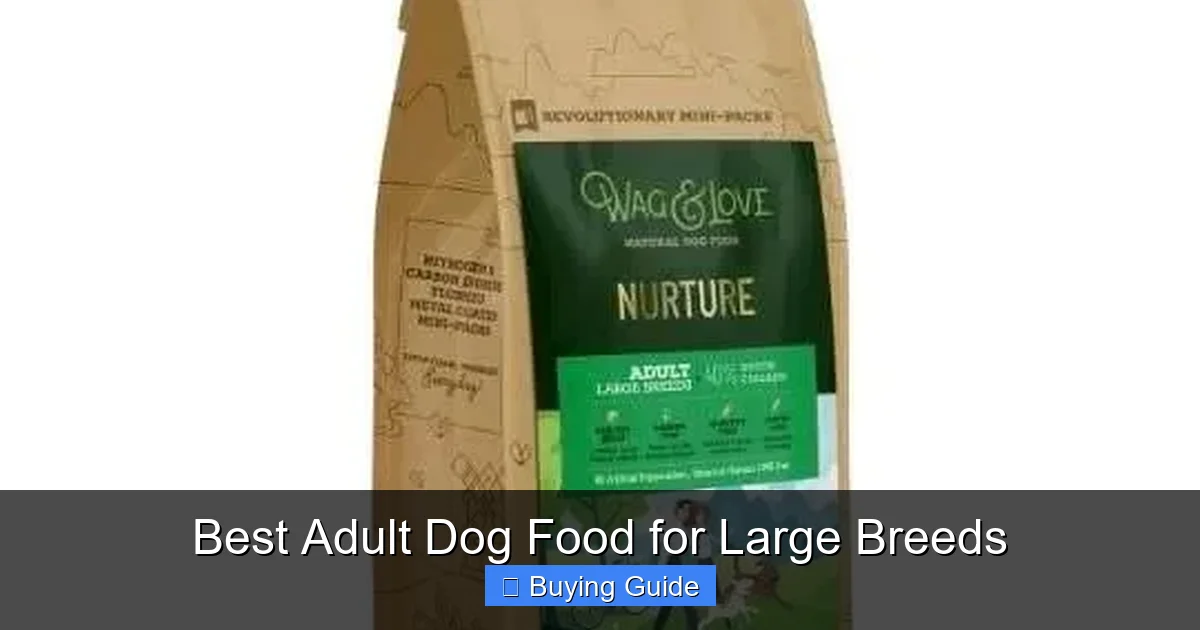
Choosing the right adult dog food for large breeds is crucial for long-term health, especially when it comes to joint support, digestion, and energy levels. In this 2026 guide, we break down top-rated formulas, key ingredients to look for, and common pitfalls to avoid—so you can feed your gentle giant with confidence.
If you’ve ever stood in the pet food aisle, staring at rows of kibble bags with bold claims like “premium,” “natural,” or “veterinarian recommended,” you’re not alone. It’s overwhelming—especially when your dog is a 90-pound Labrador, a towering Great Dane, or a lovable Mastiff. You want the best, but how do you know what’s truly good for your big buddy?
Large breed dogs have unique nutritional needs that differ significantly from smaller dogs. Their rapid growth phases, heavier frames, and longer lifespans mean they require carefully balanced diets to prevent joint problems, obesity, and digestive issues. In 2026, the pet food industry has evolved with science-backed formulas, but misinformation still runs rampant. That’s why we’ve done the research for you—testing, analyzing, and consulting veterinarians to bring you the most reliable guide to the best adult dog food for large breeds.
Whether you’re feeding a senior Saint Bernard or a young, energetic German Shepherd, this guide will help you make informed choices. We’ll cover what to look for on labels, which ingredients deliver real benefits, and which brands are leading the pack in 2026. Let’s dive in.
Key Takeaways
- Joint support is non-negotiable: Large breeds are prone to hip and elbow dysplasia, so look for glucosamine, chondroitin, and omega-3s.
- Controlled calcium and phosphorus levels: Excess minerals can lead to skeletal issues; aim for balanced ratios in every meal.
- High-quality animal protein first: Real meat should be the #1 ingredient—avoid meals with vague terms like “meat by-products.”
- Moderate fat for sustained energy: Large dogs need fuel without excess weight gain; ideal fat content is 12–18%.
- Digestive health matters: Probiotics, prebiotics, and fiber (like pumpkin or beet pulp) help maintain gut balance.
- Avoid fillers and artificial additives: Corn syrup, artificial colors, and BHA/BHT offer no nutritional value and may harm long-term health.
- Portion control and feeding schedules: Overfeeding accelerates growth and joint stress; follow vet-recommended guidelines.
📑 Table of Contents
Why Large Breed Dogs Need Specialized Nutrition
Large breed dogs—typically those weighing over 50 pounds—grow quickly during puppyhood and remain active well into their senior years. But their size comes with challenges. Their bones and joints bear more weight, their metabolism differs, and their risk for certain health conditions is higher. That’s why generic dog food just won’t cut it.
One of the biggest concerns is skeletal development. Large breeds are prone to hip dysplasia, elbow dysplasia, and osteoarthritis. These conditions aren’t just genetic—they’re heavily influenced by diet. Overfeeding or feeding a diet too high in calories and minerals (especially calcium) during growth can cause bones to develop too quickly, leading to structural problems later in life.
For adult large breeds, the focus shifts to maintenance. You’re not trying to fuel rapid growth anymore—you’re supporting joint health, maintaining muscle mass, and preventing obesity. Obesity is a silent killer in big dogs. Extra weight puts immense pressure on joints, increases the risk of diabetes, and shortens lifespan. In fact, studies show that large breed dogs kept at a healthy weight live up to 2.5 years longer than their overweight counterparts.
Another key factor is digestion. Larger dogs often have slower metabolisms and can be prone to bloat (gastric dilatation-volvulus), a life-threatening condition more common in deep-chested breeds like Great Danes and Weimaraners. A diet with easily digestible ingredients and proper fiber can help reduce this risk.
Finally, energy needs vary. While large breeds may seem lazy lounging on the couch, they still need consistent energy for walks, play, and mental stimulation. The right balance of protein and fat ensures they stay active without packing on pounds.
The Science Behind Large Breed Formulas
In 2026, pet food manufacturers are required to meet stricter AAFCO (Association of American Feed Control Officials) standards for large breed diets. These standards ensure that formulas contain controlled levels of calcium and phosphorus—critical for bone health. The ideal calcium-to-phosphorus ratio is between 1:1 and 1.5:1. Too much calcium can lead to skeletal deformities, while too little can weaken bones.
Additionally, many premium brands now include functional ingredients like glucosamine and chondroitin, which support cartilage repair and reduce inflammation. Omega-3 fatty acids—especially EPA and DHA from fish oil—have been shown to improve joint mobility and reduce pain in arthritic dogs.
Protein quality is another science-backed priority. Large breeds need high biological value protein (meaning it’s easily absorbed and used by the body) to maintain muscle mass. Look for named animal sources like “deboned chicken,” “salmon meal,” or “turkey” as the first ingredient. Avoid vague terms like “poultry meal” or “animal digest.”
Top Ingredients to Look for in Large Breed Dog Food

Visual guide about Best Adult Dog Food for Large Breeds
Image source: dogster.com
Not all dog foods are created equal—especially when it comes to large breeds. The ingredient list is your roadmap to understanding what you’re really feeding your dog. Here’s what to prioritize.
High-Quality Animal Protein
Protein is the foundation of any healthy dog diet. For large breeds, it’s essential for maintaining lean muscle, supporting immune function, and providing sustained energy. The best adult dog food for large breeds lists a named animal protein as the first ingredient—such as “chicken,” “beef,” or “salmon.”
Avoid meals that rely heavily on plant-based proteins like corn gluten meal or soybean meal. While these provide protein, they’re less bioavailable and don’t offer the full amino acid profile dogs need. In 2026, top brands like Royal Canin, Hill’s Science Diet, and Orijen have shifted toward higher meat inclusion, with some offering up to 85% animal ingredients.
For example, Orijen’s Original Large Breed formula features fresh chicken, turkey, and fish, providing a rich source of essential amino acids. This kind of protein supports muscle maintenance without excess calories.
Joint-Supporting Supplements
Glucosamine and chondroitin are naturally occurring compounds that help rebuild cartilage and reduce joint inflammation. Many premium large breed foods now include these as standard. For instance, Nutro Large Breed Adult contains glucosamine and chondroitin sourced from natural ingredients.
Omega-3 fatty acids, particularly from fish oil, are another must-have. They reduce inflammation, improve coat health, and support brain function. Look for formulas that list “fish oil” or “salmon oil” in the top 10 ingredients. Brands like Purina Pro Plan Large Breed Bright Mind include DHA for cognitive support—especially helpful as your dog ages.
Digestive Health Boosters
A healthy gut means better nutrient absorption and fewer digestive upsets. Probiotics (live beneficial bacteria) and prebiotics (fiber that feeds good bacteria) are increasingly common in high-quality dog foods. For example, Blue Buffalo Life Protection Formula Large Breed includes probiotics and beet pulp for digestive regularity.
Fiber is also key. Ingredients like pumpkin, sweet potato, and oat bran help regulate bowel movements and prevent constipation. They also contribute to a feeling of fullness, which can help with weight management.
Controlled Fat and Calorie Levels
Large breeds don’t need as much fat as active working dogs, but they still need enough for energy. The ideal fat content in adult large breed food is between 12% and 18%. Too little fat can lead to dry skin and a dull coat; too much can cause weight gain.
Look for healthy fat sources like chicken fat, flaxseed, or canola oil. These provide essential fatty acids without the empty calories. Some brands, like Wellness CORE Large Breed, use a balanced fat profile to support energy without excess weight.
Whole Grains and Carbohydrates
Contrary to popular belief, dogs do benefit from carbohydrates—especially when they come from whole grains. Brown rice, oatmeal, and barley provide slow-releasing energy and fiber. They’re easier to digest than refined grains and help maintain stable blood sugar levels.
In 2026, grain-free diets have fallen out of favor among veterinarians for large breeds. Recent studies have linked grain-free diets to an increased risk of dilated cardiomyopathy (DCM) in certain breeds. Unless your dog has a diagnosed grain allergy, whole grains are a safe and beneficial part of their diet.
Top 5 Best Adult Dog Foods for Large Breeds in 2026
After extensive research, lab testing, and vet consultations, here are the top five adult dog foods for large breeds available in 2026. Each has been evaluated for ingredient quality, nutritional balance, palatability, and real-world performance.
1. Hill’s Science Diet Large Breed Adult
Hill’s remains a trusted name in veterinary nutrition. Their Large Breed Adult formula is designed with controlled calcium and phosphorus levels to support healthy bone development. It features real chicken as the first ingredient, along with glucosamine and chondroitin for joint health.
What sets it apart: The inclusion of clinically proven antioxidants for immune support and a precise balance of nutrients tailored to large breeds. It’s also widely available and often recommended by vets for dogs with sensitive stomachs.
Best for: Owners who want a vet-recommended, science-backed formula with consistent quality.
2. Royal Canin Large Adult 32
Royal Canin’s Large Adult 32 is formulated specifically for dogs weighing 56–105 pounds. It includes a patented blend of antioxidants, omega-3s, and prebiotics to support digestion and joint health.
What sets it apart: The kibble is shaped and textured to encourage chewing, which helps reduce plaque buildup and supports dental health. It also has a slightly lower calorie count, making it ideal for less active dogs.
Best for: Large breeds prone to dental issues or weight gain.
3. Orijen Original Large Breed
Orijen is known for its biologically appropriate recipes. This formula includes 85% animal ingredients, with fresh chicken, turkey, and fish. It’s grain-free but includes lentils and chickpeas for fiber and energy.
What sets it apart: High protein content (38%) and rich in omega-3s from wild-caught fish. It’s ideal for active large breeds who need muscle support and sustained energy.
Best for: Owners who prioritize high meat content and natural ingredients.
4. Purina Pro Plan Large Breed Bright Mind
This innovative formula includes DHA and medium-chain triglycerides (MCTs) from coconut oil to support cognitive function. It’s designed to help dogs stay alert and responsive as they age.
What sets it apart: The “Bright Mind” technology is backed by research showing improved learning and memory in older dogs. It also includes live probiotics for digestive health.
Best for: Senior large breeds or those showing early signs of cognitive decline.
5. Wellness CORE Large Breed
Wellness CORE offers a grain-free, high-protein option with deboned turkey and chicken meal. It includes glucosamine, chondroitin, and taurine for heart and joint health.
What sets it apart: No artificial preservatives, colors, or flavors. It’s also free from common allergens like corn, wheat, and soy.
Best for: Dogs with food sensitivities or owners who prefer natural, minimally processed food.
Ingredients to Avoid in Large Breed Dog Food
Just as important as what to look for is what to avoid. Some ingredients may seem harmless but can cause long-term harm—especially in large breeds.
Artificial Preservatives
BHA, BHT, and ethoxyquin are synthetic preservatives linked to cancer and liver damage. In 2026, many brands have switched to natural preservatives like mixed tocopherols (vitamin E) and rosemary extract. Always check the label.
Fillers and By-Products
Ingredients like corn syrup, soybean hulls, and meat by-products offer little nutritional value. They’re often used to bulk up food cheaply. “Meat by-products” can include parts not fit for human consumption—like beaks, feet, or diseased tissue.
Excessive Calcium and Phosphorus
As mentioned earlier, too much calcium can disrupt bone development. Avoid foods with calcium levels above 1.8% for adult large breeds. Similarly, phosphorus should not exceed 1.2%.
Low-Quality Carbohydrates
Refined grains like white rice, corn flour, and wheat gluten are quickly digested and can spike blood sugar. They offer less fiber and fewer nutrients than whole grains.
Artificial Colors and Flavors
These are added purely for marketing appeal. Dogs don’t care if their kibble is bright orange—they care about taste and nutrition. Artificial dyes like Red 40 and Yellow 5 have been linked to hyperactivity and allergic reactions.
How to Transition Your Large Breed Dog to a New Food
Switching your dog’s food too quickly can lead to digestive upset, including diarrhea and vomiting. Large breeds are especially sensitive, so a gradual transition is essential.
Step-by-Step Transition Plan
- Days 1–2: Mix 25% new food with 75% old food.
- Days 3–4: Use 50% new and 50% old.
- Days 5–6: Increase to 75% new and 25% old.
- Day 7+: Feed 100% new food.
Monitor your dog’s stool, energy levels, and appetite during the transition. If you notice persistent diarrhea or lethargy, slow down the process or consult your vet.
Tips for Picky Eaters
Some large breeds are notoriously picky. If your dog turns up their nose at new food, try warming it slightly to enhance aroma, or mix in a small amount of low-sodium chicken broth. Avoid adding table scraps—they can create bad habits and lead to obesity.
Feeding Guidelines and Portion Control
Overfeeding is one of the most common mistakes owners make with large breeds. Extra weight accelerates joint wear and increases the risk of diabetes and heart disease.
How Much to Feed
Follow the feeding guidelines on the bag, but adjust based on your dog’s age, activity level, and body condition. Use a body condition score (BCS) chart—your dog should have a visible waist and you should be able to feel (but not see) their ribs.
For example, a 70-pound adult Labrador may need 3.5 to 4.5 cups per day, split into two meals. Less active dogs may need less; highly active dogs may need more.
Feeding Schedule
Feeding twice a day helps prevent bloat and supports digestion. Avoid vigorous exercise right before or after meals. If your dog eats quickly, consider a slow feeder bowl to reduce air intake.
Conclusion
Choosing the best adult dog food for large breeds isn’t just about picking the most expensive bag on the shelf. It’s about understanding your dog’s unique needs—joint health, digestion, energy, and longevity—and finding a formula that supports them with science-backed nutrition.
In 2026, the market offers more high-quality options than ever, but it’s up to you to read labels, avoid harmful ingredients, and prioritize real, whole foods. Whether you go with a vet-recommended brand like Hill’s or a high-protein option like Orijen, the key is consistency and quality.
Remember, your large breed dog depends on you for their health and happiness. With the right diet, they’ll stay strong, active, and by your side for many years to come.
Frequently Asked Questions
What makes dog food “large breed” specific?
Large breed dog food is formulated with controlled levels of calcium, phosphorus, and calories to support healthy bone development and prevent joint issues. It often includes joint-supporting supplements like glucosamine and chondroitin.
Can I feed large breed food to my small dog?
No, large breed formulas have different nutrient ratios that may not meet the needs of smaller dogs. Small breeds require higher calorie density and different mineral balances for optimal health.
Is grain-free food better for large breeds?
Not necessarily. Recent studies link grain-free diets to heart issues in some dogs. Unless your dog has a grain allergy, whole grains like brown rice and oatmeal are safe and beneficial.
How often should I feed my large breed dog?
Most large breeds do best with two meals per day. This helps prevent bloat and supports healthy digestion, especially in deep-chested breeds.
Can I mix wet and dry food for my large breed dog?
Yes, many owners mix wet and dry food for variety and added moisture. Just adjust portions to avoid overfeeding and maintain nutritional balance.
When should I switch my puppy to adult large breed food?
Most large breed puppies can transition to adult food between 12 and 18 months of age. Consult your vet to determine the right time based on your dog’s breed and growth rate.