

Choosing the right adult dog food for small dogs is essential for their long-term health and energy. With so many options in 2026, it’s important to focus on high-quality ingredients, proper nutrient balance, and breed-specific needs. This guide helps you pick the best food to support your small dog’s unique lifestyle.
Key Takeaways
- Small dogs need calorie-dense food: Due to their fast metabolism, small breeds require nutrient-rich meals that pack energy without large portions.
- Look for real meat as the first ingredient: High-quality protein supports muscle health and overall vitality in compact bodies.
- Size-appropriate kibble matters: Smaller kibble is easier for tiny jaws to chew and digest, reducing choking risks.
- Omega-3 and Omega-6 fatty acids promote healthy skin and coat: These nutrients are especially important for small dogs prone to dry skin or allergies.
- Avoid fillers and artificial additives: Ingredients like corn syrup, BHA, and artificial colors offer no nutritional value and may harm your dog.
- Consider life stage and activity level: Even within “adult” food, formulas vary—choose one that matches your dog’s energy needs.
- Consult your vet before switching foods: Sudden changes can upset your dog’s stomach; a gradual transition is safest.
📑 Table of Contents
- Why Small Dogs Need Specialized Nutrition
- What to Look for in the Best Adult Dog Food for Small Dogs
- Top 5 Best Adult Dog Foods for Small Dogs in 2026
- How to Transition Your Small Dog to a New Food
- Wet vs. Dry Food: Which Is Better for Small Dogs?
- Common Mistakes to Avoid When Feeding Small Dogs
- Conclusion
Why Small Dogs Need Specialized Nutrition
When it comes to feeding your small dog, one size definitely does not fit all. While all dogs benefit from balanced nutrition, small breeds—like Chihuahuas, Pomeranians, Dachshunds, and Yorkshire Terriers—have unique dietary needs that set them apart from their larger counterparts. Their tiny bodies run on high-octane fuel, thanks to a metabolism that burns calories faster than a race car engine. This means they need food that’s not just tasty, but also packed with concentrated nutrients to keep them energized throughout the day.
In 2026, pet nutrition science has advanced significantly, with brands now offering formulas specifically tailored to the physiology of small dogs. These aren’t just smaller kibble versions of regular dog food—they’re carefully engineered to support dental health, joint function, and immune strength in compact frames. For example, many premium brands now include prebiotics and probiotics to aid digestion, which is crucial since small dogs are more prone to gastrointestinal issues. Plus, with rising awareness about pet obesity, even in tiny breeds, portion control and calorie management have become central to modern dog food design.
The Science Behind Small Dog Metabolism
Small dogs have a higher surface-area-to-volume ratio, which means they lose body heat faster and need more calories per pound of body weight than larger dogs. A 10-pound Chihuahua, for instance, may need nearly twice as many calories per pound as a 70-pound Labrador. This metabolic intensity demands food that’s rich in high-quality proteins and healthy fats—not empty fillers.
Moreover, small breeds often live longer than larger dogs, sometimes reaching 15 to 20 years. This extended lifespan means their diet plays a critical role in preventing age-related issues like kidney disease, dental decay, and joint degeneration. That’s why the best adult dog food for small dogs in 2026 isn’t just about satisfying hunger—it’s about long-term wellness.
Common Health Concerns in Small Breeds
Small dogs are prone to several health issues that can be influenced by diet. Dental problems top the list—over 80% of small dogs show signs of periodontal disease by age three. That’s why many top-tier foods now include kibble shapes designed to reduce plaque buildup or added ingredients like parsley and green tea extract for fresher breath and stronger teeth.
Another concern is hypoglycemia, or low blood sugar, which can occur in toy breeds if they skip meals. Frequent, nutrient-dense feedings help stabilize glucose levels. Additionally, small dogs are more susceptible to luxating patellas (knee dislocation) and arthritis, so foods rich in glucosamine, chondroitin, and omega-3s are highly beneficial.
What to Look for in the Best Adult Dog Food for Small Dogs
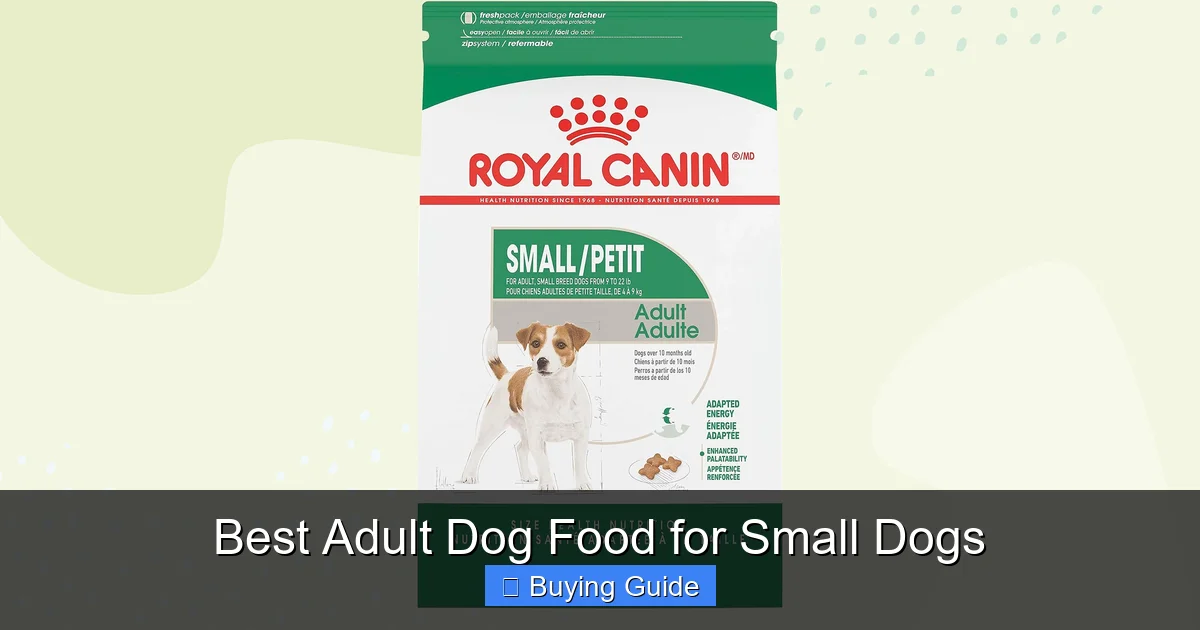
Visual guide about Best Adult Dog Food for Small Dogs
Image source: thesprucepets.com
With shelves overflowing with options, knowing what to look for can feel overwhelming. But in 2026, the best adult dog food for small dogs shares several key characteristics. Start by checking the ingredient list—this is your first clue to quality.
High-Quality Protein Sources
The first ingredient should always be a named animal protein, such as “chicken,” “salmon,” or “lamb,” not “meat meal” or “by-product meal.” Real meat provides essential amino acids that support muscle maintenance, immune function, and healthy skin. For small dogs, who may be more active relative to their size, protein is non-negotiable.
Look for foods with at least 25–30% protein content. Some top brands in 2026, like Wellness CORE Small Breed and Royal Canin Mini Adult, use deboned chicken or turkey as the primary ingredient, ensuring your dog gets the most bioavailable protein possible.
Healthy Fats for Energy and Shine
Fats are a concentrated energy source, perfect for small dogs with high metabolic rates. But not all fats are created equal. Omega-3 fatty acids (from fish oil or flaxseed) and Omega-6 fatty acids (from chicken fat or sunflower oil) are essential for reducing inflammation, supporting brain health, and maintaining a glossy coat.
In 2026, many premium brands have increased their omega content and added sources like algae oil, which is a sustainable and highly absorbable form of DHA—great for cognitive development and eye health, especially in aging small dogs.
Digestive Support Ingredients
Small dogs often have sensitive stomachs, so digestive health is a top priority. Look for foods that include prebiotics (like chicory root) and probiotics (such as Lactobacillus acidophilus) to promote a healthy gut microbiome. These ingredients help with nutrient absorption and can reduce issues like gas, diarrhea, or constipation.
Fiber is also important—but in moderation. Too much can cause bloating, while too little may lead to irregular digestion. Sweet potatoes, pumpkin, and beet pulp are gentle, natural fiber sources commonly found in high-quality small breed formulas.
No Artificial Additives or Fillers
Avoid foods with artificial colors, flavors, or preservatives like BHA, BHT, or ethoxyquin. These chemicals have been linked to health issues in dogs over time. Similarly, steer clear of fillers such as corn, wheat, and soy, which offer little nutritional value and can trigger allergies or weight gain.
In 2026, transparency is key. Reputable brands now use natural preservatives like mixed tocopherols (vitamin E) and rosemary extract. They also clearly label their sourcing and manufacturing processes, so you know exactly what’s going into your dog’s bowl.
Top 5 Best Adult Dog Foods for Small Dogs in 2026
After extensive research and consultation with veterinarians, we’ve narrowed down the top five adult dog foods for small dogs available in 2026. These brands stand out for their ingredient quality, nutritional balance, and positive customer feedback.
1. Wellness CORE Small Breed Formula
This grain-free option is a favorite among small dog owners. Made with deboned turkey, turkey meal, and chicken meal, it delivers high protein (34%) to support lean muscle mass. It includes probiotics for digestion, glucosamine for joints, and omega fatty acids for skin and coat health. The kibble is small and crunchy, promoting dental health.
Many pet parents report shinier coats and improved energy levels after switching to Wellness CORE. It’s also free from corn, wheat, and soy, making it ideal for dogs with sensitivities.
2. Royal Canin Mini Adult
Specifically designed for small dogs aged 10 months to 8 years, this formula focuses on the unique needs of tiny breeds. It features an exclusive kibble shape that encourages chewing, reducing plaque buildup. The recipe includes highly digestible proteins, beet pulp for fiber, and a balanced blend of vitamins and minerals.
Royal Canin is a trusted name in veterinary nutrition, and this food is often recommended by vets for small dogs with digestive or dental concerns. It’s also enriched with L-carnitine to help maintain a healthy weight.
3. Blue Buffalo Life Protection Formula Small Breed
This holistic option uses real deboned chicken as the first ingredient, along with whole grains, garden veggies, and antioxidant-rich fruits. It includes LifeSource Bits—a proprietary blend of vitamins, minerals, and antioxidants—to support immune health.
The kibble is small and easy to chew, and the formula is free from artificial preservatives and by-products. Many small dog owners appreciate the inclusion of DHA for brain development, especially in younger adults.
4. Hill’s Science Diet Small Paws Adult
Formulated with input from veterinarians, this food is ideal for small dogs who need balanced nutrition without excess calories. It features high-quality chicken meal, barley, and brown rice for sustained energy. The kibble is specially sized for small jaws and includes vitamin E and omega-6 for skin health.
Hill’s Science Diet is known for its scientific rigor and quality control. This formula is also enriched with prebiotic fiber to support digestive health and is available in both dry and wet versions for variety.
5. Nutro Wholesome Essentials Small Breed
Made with farm-raised chicken, this non-GMO formula emphasizes clean ingredients. It includes split peas and chickpeas for plant-based protein and fiber, along with flaxseed for omega-3s. The kibble is small and coated with real chicken flavor, making it highly palatable.
Nutro avoids artificial colors, flavors, and preservatives, and sources ingredients from trusted farms. It’s a great choice for owners who want a natural, minimally processed diet for their small dog.
How to Transition Your Small Dog to a New Food
Switching your dog’s food too quickly can lead to digestive upset, including vomiting, diarrhea, or refusal to eat. In 2026, experts recommend a gradual transition over 7 to 10 days to allow your dog’s system to adjust.
Step-by-Step Transition Plan
Start by mixing 25% new food with 75% old food for the first two days. If your dog tolerates it well, increase to 50% new food for days three and four. Then move to 75% new food for days five and six. By day seven, you should be feeding 100% of the new food.
Watch for signs of digestive distress, such as loose stools or lethargy. If issues persist, slow down the transition or consult your vet. Some small dogs with sensitive stomachs may need up to two weeks to fully adapt.
Tips for Picky Eaters
If your small dog is hesitant to try the new food, try warming it slightly or adding a small amount of low-sodium chicken broth (make sure it’s onion- and garlic-free). You can also mix in a spoonful of wet food to enhance flavor and aroma.
Never reward refusal with table scraps—this can create bad habits. Instead, be patient and consistent. Most dogs will adjust within a few days.
Wet vs. Dry Food: Which Is Better for Small Dogs?
The wet vs. dry debate continues in 2026, but the answer depends on your dog’s preferences and health needs.
Benefits of Dry Food
Dry kibble is convenient, cost-effective, and helps reduce tartar buildup due to its crunchy texture. It’s also easy to measure and store, making portion control simpler. Many small breed formulas are designed with dental health in mind, featuring kibble shapes that scrape plaque as your dog chews.
Advantages of Wet Food
Wet food has higher moisture content, which can benefit small dogs prone to urinary tract issues or dehydration. It’s also more palatable for picky eaters and easier to chew for dogs with dental problems. Some owners mix wet and dry food to get the best of both worlds.
In 2026, many brands offer small-breed-specific wet food lines with high protein and low fillers. Look for options with real meat as the first ingredient and no added sugars or artificial thickeners.
Common Mistakes to Avoid When Feeding Small Dogs
Even the most caring pet parents can make feeding mistakes that impact their dog’s health. Here are a few to watch out for.
Overfeeding
Small dogs don’t need large portions, but it’s easy to overestimate their needs. Obesity is a growing problem in small breeds and can lead to diabetes, joint pain, and heart disease. Always follow the feeding guidelines on the package and adjust based on your dog’s activity level and body condition.
Use a measuring cup—not a scoop—to ensure accuracy. A healthy small dog should have a visible waist when viewed from above and palpable ribs without a thick layer of fat.
Feeding Human Food
While it’s tempting to share your meal, many human foods are toxic to dogs—including chocolate, grapes, onions, and xylitol. Even “safe” foods like cheese or bread can add unnecessary calories and disrupt your dog’s balanced diet.
If you want to give treats, choose healthy, dog-safe options like small pieces of cooked chicken, carrots, or blueberries. And remember: treats should make up no more than 10% of your dog’s daily caloric intake.
Ignoring Dental Health
Many owners focus on nutrition but forget about dental care. Small dogs are especially prone to gum disease, which can lead to tooth loss and systemic infections. In addition to dental-friendly kibble, consider adding dental chews, water additives, or regular brushing to your routine.
Conclusion
Choosing the best adult dog food for small dogs in 2026 is about more than just taste—it’s about supporting a long, healthy, and active life. With their fast metabolisms, unique health risks, and longer lifespans, small breeds deserve nutrition that’s tailored to their specific needs.
Focus on high-quality proteins, healthy fats, digestible carbohydrates, and essential supplements like omega fatty acids and probiotics. Avoid fillers, artificial additives, and excessive calories. And always transition foods gradually to protect your dog’s digestive system.
Whether you choose a grain-free powerhouse like Wellness CORE, a vet-recommended option like Royal Canin, or a natural blend like Nutro, the right food can make a world of difference. Your small dog may be tiny, but their nutritional needs are mighty. With the right diet, they’ll stay vibrant, happy, and by your side for years to come.
Frequently Asked Questions
How often should I feed my small adult dog?
Most small adult dogs do best with two meals per day—once in the morning and once in the evening. This helps maintain stable blood sugar and prevents overeating. Puppies under one year may need three meals, but adult dogs typically thrive on a twice-daily schedule.
Can I feed my small dog large breed food?
No, it’s not recommended. Large breed food is formulated for slower growth and lower calorie density, which doesn’t meet the high-energy needs of small dogs. Feeding the wrong formula can lead to malnutrition or weight gain.
Is grain-free food better for small dogs?
Not necessarily. While some small dogs benefit from grain-free diets due to allergies, grains like oats and brown rice can be healthy sources of fiber and energy. The key is choosing a food with high-quality ingredients, whether grain-free or not.
How do I know if my small dog is overweight?
You should be able to feel your dog’s ribs without pressing hard, and they should have a visible waist when viewed from above. If their belly sags or you can’t feel their ribs, they may be overweight. Consult your vet for a proper assessment.
Can I mix different brands of dog food?
It’s generally not advised to mix brands regularly, as it can disrupt digestion and make it hard to identify food sensitivities. If you want variety, rotate flavors within the same brand or consult your vet for safe mixing guidelines.
Should I add supplements to my small dog’s food?
Most high-quality dog foods are complete and balanced, so supplements aren’t usually needed. However, if your dog has specific health issues—like joint pain or skin conditions—your vet may recommend targeted supplements like glucosamine or fish oil. Always consult a professional before adding anything new.