
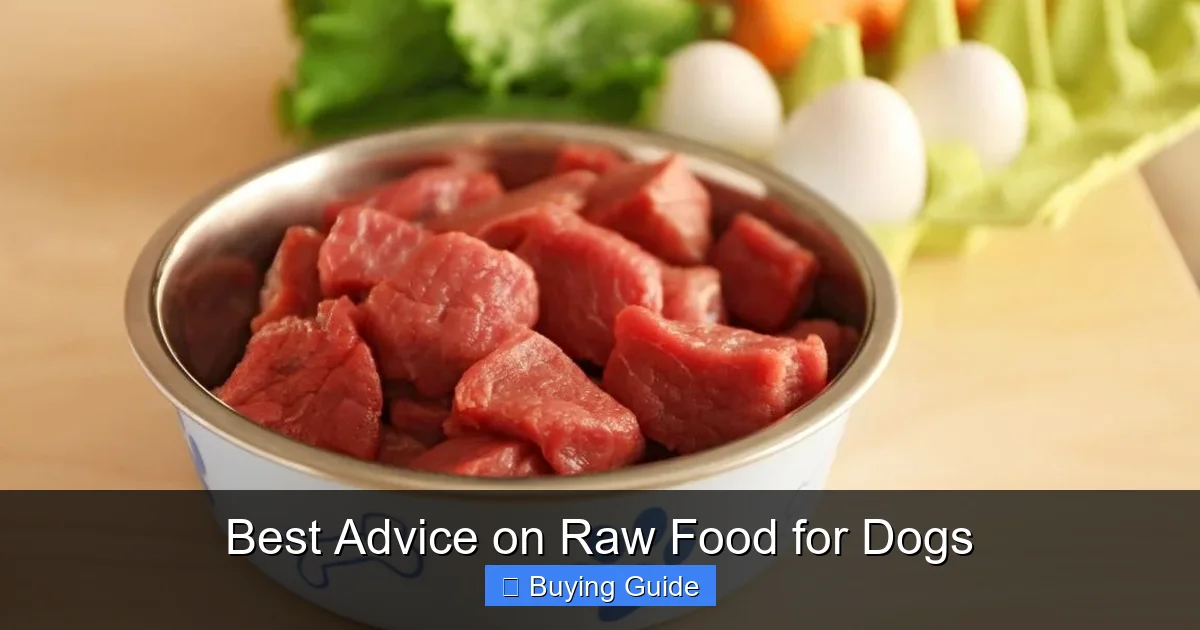
Raw food for dogs can boost energy, improve coat health, and support digestion—when done safely. Our 2026 guide covers expert tips, common pitfalls, and how to transition your dog to a raw diet with confidence.
If you’ve been scrolling through pet forums or chatting with fellow dog parents, chances are you’ve heard the buzz about raw food for dogs. It’s not just a trend—it’s a movement that’s gaining serious traction in 2026. From TikTok videos of pups devouring chicken necks to Instagram posts showing off glossy coats, raw feeding is everywhere. But is it right for your furry friend?
The idea behind raw feeding is simple: mimic what dogs’ ancestors ate in the wild. Think fresh meat, bones, organs, and some vegetables—no kibble, no preservatives, no fillers. Advocates say this natural approach leads to better digestion, healthier skin, cleaner teeth, and even improved behavior. And with more pet owners becoming conscious of what goes into their dog’s body, it’s no surprise that raw diets are on the rise.
But here’s the thing—raw feeding isn’t a one-size-fits-all solution. While some dogs thrive on it, others may struggle with the transition or face health risks if the diet isn’t balanced. That’s why it’s essential to go in with your eyes wide open. In this guide, we’ll walk you through everything you need to know about raw food for dogs in 2026—from the science behind it to practical tips for getting started. Whether you’re a curious newbie or a seasoned raw feeder looking to refine your approach, this is your go-to resource.
Key Takeaways
- Raw diets can improve skin, coat, and dental health: Many dog owners report shinier fur, cleaner teeth, and fewer allergies after switching to raw food.
- Safety is critical—handle raw meat like human food: Always wash hands, bowls, and surfaces to prevent bacterial contamination like Salmonella or E. coli.
- Balance is key—don’t skip essential nutrients: A proper raw diet includes muscle meat, organ meat, bones, and supplements to meet your dog’s nutritional needs.
- Not all dogs are good candidates: Puppies, seniors, and dogs with weakened immune systems may need vet approval before starting a raw diet.
- Commercial raw food is convenient and tested: Pre-packaged raw meals from reputable brands reduce the risk of imbalance and contamination.
- Transition slowly to avoid digestive upset: Gradually mix raw food with your dog’s current diet over 7–10 days.
- Monitor your dog closely after the switch: Watch for changes in energy, stool quality, and behavior to ensure the diet is working.
📑 Table of Contents
What Is a Raw Food Diet for Dogs?
At its core, a raw food diet for dogs—often called a BARF diet (Biologically Appropriate Raw Food)—consists of uncooked, fresh ingredients that resemble what canines would eat in the wild. This typically includes raw muscle meat, raw edible bones (like chicken wings or turkey necks), organ meats (such as liver and kidney), and sometimes fruits and vegetables.
Unlike commercial kibble, which is cooked at high temperatures and often contains grains, artificial preservatives, and fillers, raw food is served in its natural state. The goal is to provide nutrition that’s as close to nature as possible. Many raw feeders believe that cooking destroys enzymes and nutrients, making food less digestible and potentially contributing to long-term health issues like allergies, obesity, and dental disease.
In 2026, the raw food movement has evolved. It’s no longer just about DIY meals made in the kitchen. There’s now a wide range of commercially available raw options—frozen, freeze-dried, and fresh—that are formulated by veterinary nutritionists and tested for safety. These products take the guesswork out of balancing nutrients, making raw feeding more accessible than ever.
But even with these advances, it’s important to understand that “raw” doesn’t automatically mean “healthy.” A poorly planned raw diet can lead to nutritional deficiencies or imbalances. For example, too much liver can cause vitamin A toxicity, while too little calcium can weaken bones. That’s why education and planning are crucial.
Types of Raw Diets
There are several approaches to raw feeding, and choosing the right one depends on your dog’s needs, your lifestyle, and your comfort level with handling raw meat.
The most common types include:
- Prey Model: This mimics a whole prey animal—like a rabbit or chicken—and includes meat, bones, organs, and sometimes fur or feathers. It’s high in protein and low in carbohydrates. Advocates say it’s the most natural option, but it can be messy and hard to balance without careful planning.
- BARF (Biologically Appropriate Raw Food): Developed by Dr. Ian Billinghurst, this model includes raw meat, bones, organs, plus fruits, vegetables, eggs, and supplements. It’s more flexible and easier to customize, making it popular among home feeders.
- Commercial Raw: These are pre-made raw meals from brands like Stella & Chewy’s, Primal, or The Honest Kitchen. They’re convenient, balanced, and often vet-approved. Many come frozen or freeze-dried, so they’re easy to store and serve.
- Hybrid or Partially Raw: Some owners mix raw food with high-quality kibble or cooked meals. This can be a good middle ground for dogs with sensitive stomachs or owners who want the benefits of raw without going all-in.
Each type has its pros and cons. Prey model is great for dogs who love to chew and tear, but it requires sourcing whole animals. BARF offers variety but demands more prep time. Commercial raw is safe and simple but can be pricey. And hybrid feeding is flexible but may not deliver the full benefits of a fully raw diet.
Benefits of Raw Food for Dogs

Visual guide about Best Advice on Raw Food for Dogs
Image source: petxu.com
So, why are so many dog owners making the switch? The benefits of raw food for dogs are backed by both anecdotal evidence and growing scientific research. While more long-term studies are still needed, the results so far are promising.
One of the most commonly reported benefits is improved coat and skin health. Dogs on raw diets often develop shinier, softer fur and experience fewer skin irritations. This is likely due to the high levels of omega-3 fatty acids found in raw meat and fish, which reduce inflammation and support skin barrier function.
Dental health is another major win. Chewing on raw, meaty bones helps scrape away plaque and tartar, reducing the risk of gum disease and bad breath. Many raw feeders say their dogs haven’t needed professional cleanings in years—something that can save hundreds of dollars and reduce anesthesia risks.
Digestive improvements are also common. Raw food is easier for dogs to break down, leading to smaller, less smelly stools. Some dogs with chronic diarrhea or constipation see significant relief after switching to raw. This is because raw diets are typically low in carbohydrates and free from artificial additives that can irritate the gut.
Energy levels often increase too. Dogs on raw diets tend to be more active, alert, and engaged. This could be due to better nutrient absorption or the absence of fillers that cause energy crashes.
Real-Life Examples
Take Max, a 6-year-old Golden Retriever from Austin, Texas. His owner, Sarah, switched him to a commercial raw diet after he developed chronic ear infections and a dull coat. Within three months, Max’s ears cleared up, his coat became silky, and he stopped scratching. “It was like getting my dog back,” Sarah says. “He’s happier and healthier than ever.”
Or consider Bella, a senior Beagle with arthritis. Her vet recommended a raw diet rich in anti-inflammatory ingredients like sardines and turmeric. After six weeks, Bella’s mobility improved, and she needed less pain medication. “I was skeptical at first,” her owner admits, “but the results speak for themselves.”
These stories aren’t uncommon. While every dog is different, many pet parents report noticeable improvements in their dog’s overall well-being after transitioning to raw food.
Potential Risks and How to Avoid Them
Despite the benefits, raw feeding isn’t without risks. The biggest concerns revolve around bacterial contamination, nutritional imbalances, and choking hazards.
Raw meat can carry harmful bacteria like Salmonella, E. coli, and Listeria. While healthy dogs can often handle these pathogens, they can still shed them in their feces, posing a risk to humans—especially children, elderly individuals, and those with weakened immune systems. That’s why proper hygiene is non-negotiable.
Always wash your hands, utensils, and food bowls with hot, soapy water after handling raw meat. Clean surfaces thoroughly, and store raw food in sealed containers in the freezer. Avoid letting your dog lick your face or sleep on your bed right after eating raw meals.
Nutritional imbaliness is another serious risk. Dogs need a precise balance of protein, fat, calcium, phosphorus, and other nutrients. Too much or too little of any one element can lead to health problems. For example, a diet too high in phosphorus can damage kidneys, while insufficient calcium can cause bone deformities, especially in growing puppies.
This is where commercial raw diets have an advantage. They’re formulated to meet AAFCO (Association of American Feed Control Officials) standards, ensuring they’re complete and balanced. If you’re making your own meals, consider consulting a veterinary nutritionist to create a customized plan.
Choking and intestinal blockages are also concerns, particularly with bones. Never feed cooked bones—they can splinter and cause internal injuries. Raw bones are softer and safer, but they should still be appropriate for your dog’s size and chewing style. Supervise your dog during meals, and remove any bones that become small enough to swallow whole.
Who Should Avoid Raw Feeding?
Raw diets aren’t suitable for every dog. Puppies under six months, senior dogs with compromised immune systems, and dogs with certain medical conditions (like pancreatitis or kidney disease) may not tolerate raw food well. Always talk to your vet before making the switch, especially if your dog has a health issue.
Additionally, if you have a multi-pet household with cats or immunocompromised humans, you’ll need to take extra precautions to prevent cross-contamination.
How to Transition Your Dog to Raw Food
Switching your dog to a raw diet should be done gradually to avoid digestive upset. A sudden change can lead to diarrhea, vomiting, or refusal to eat.
Start by mixing a small amount of raw food—about 10–20%—into your dog’s current diet. Over the next 7 to 10 days, slowly increase the proportion of raw food while decreasing the old food. Monitor your dog’s stool, energy, and appetite throughout the process.
If your dog has a sensitive stomach, you may need to go even slower—over two to three weeks. Some owners begin with easily digestible proteins like chicken or turkey before introducing red meat or fish.
Sample Transition Schedule
- Days 1–2: 10% raw, 90% current food
- Days 3–4: 25% raw, 75% current food
- Days 5–6: 50% raw, 50% current food
- Days 7–8: 75% raw, 25% current food
- Day 9 onward: 100% raw
During the transition, keep an eye out for signs of intolerance, such as excessive gas, loose stools, or lethargy. If symptoms persist, slow down the process or consult your vet.
What to Feed and What to Avoid
A balanced raw diet should include:
- Muscle meat (70–80%): Chicken, beef, lamb, turkey, pork
- Organ meat (10%): Liver (5%), other secreting organs like kidney or spleen (5%)
- Raw edible bones (10%): Chicken necks, wings, duck feet
- Vegetables and fruits (optional, 5–10%): Spinach, carrots, apples, blueberries (pureed or grated)
- Supplements (as needed): Fish oil, eggs, probiotics
Avoid:
- Cooked bones (they splinter)
- Onions, garlic, grapes, raisins, chocolate, and xylitol (toxic to dogs)
- Excessive dairy (many dogs are lactose intolerant)
- High-fat meats for dogs with pancreatitis
Commercial vs. Homemade Raw Food: Which Is Better?
One of the biggest decisions raw feeders face is whether to buy commercial raw food or make it at home. Both have advantages and drawbacks.
Commercial raw food is convenient, consistent, and often formulated by experts. Brands like Northwest Naturals, Vital Essentials, and Steve’s Real Food undergo rigorous testing for pathogens and nutritional balance. Many are frozen or freeze-dried, making storage easy. They’re ideal for busy pet parents or those new to raw feeding.
However, they can be expensive—costing $3 to $6 per day per dog—and some dogs may not like the taste or texture.
Homemade raw food gives you full control over ingredients and allows for customization based on your dog’s preferences and health needs. It can also be more cost-effective if you buy in bulk or use sales.
But it requires time, knowledge, and careful planning. You’ll need to source high-quality meat, measure portions accurately, and ensure nutritional balance. A mistake could lead to deficiencies or illness.
Tips for Homemade Raw Feeding
- Use a recipe from a trusted source, such as a veterinary nutritionist or a reputable raw feeding guide.
- Rotate protein sources weekly to provide variety and reduce the risk of sensitivities.
- Weigh ingredients to maintain proper ratios.
- Keep a food journal to track what you’re feeding and how your dog responds.
- Consider adding a multivitamin or supplement if recommended by your vet.
Many owners find a hybrid approach works best—using commercial raw as a base and supplementing with homemade meals or fresh toppings.
Cost, Storage, and Practical Tips
Let’s talk money. Raw feeding can be more expensive than kibble, but costs vary widely. Commercial raw food ranges from $2 to $6 per pound, while homemade diets can cost $1.50 to $3 per pound if you shop smart.
To save money:
- Buy in bulk from local farms or meat suppliers.
- Look for sales at pet stores or online retailers.
- Use less expensive cuts like chicken thighs or beef heart.
- Freeze portions in advance to prevent waste.
Storage is another key factor. Raw meat must be kept frozen until use. Invest in a good freezer—ideally a standalone unit—to store several weeks’ worth of food. Use airtight containers or vacuum-sealed bags to prevent freezer burn.
When thawing, do it slowly in the refrigerator, not on the counter. Never refreeze thawed raw meat.
Feeding Tips for Success
- Feed twice a day for most adult dogs—once in the morning, once in the evening.
- Adjust portion sizes based on your dog’s age, weight, and activity level. A general rule is 2–3% of body weight per day.
- Always provide fresh water.
- Rotate proteins to prevent boredom and sensitivities.
- Keep meal times calm and consistent.
Conclusion
Raw food for dogs isn’t just a passing fad—it’s a thoughtful, science-informed approach to canine nutrition that’s here to stay in 2026. When done correctly, it can lead to shinier coats, cleaner teeth, better digestion, and happier, healthier dogs.
But raw feeding isn’t a decision to take lightly. It requires research, preparation, and ongoing attention to your dog’s health. Whether you choose commercial raw, homemade meals, or a hybrid approach, the key is balance, safety, and consistency.
Always consult your veterinarian before making the switch, especially if your dog has health issues. And remember: every dog is unique. What works for one may not work for another. Listen to your dog, monitor their progress, and be ready to adjust as needed.
With the right knowledge and care, raw feeding can be a rewarding journey—for both you and your pup.
Frequently Asked Questions
Is raw food safe for dogs?
Yes, raw food can be safe for dogs when handled properly. The key is practicing good hygiene—washing hands, bowls, and surfaces after contact with raw meat. Choosing high-quality, tested products also reduces risks.
Can puppies eat raw food?
Puppies can eat raw food, but it must be nutritionally balanced and appropriate for their growth stage. Consult your vet first, as puppies have specific calcium and phosphorus needs that are easy to get wrong.
Will raw food make my dog aggressive?
No, raw food does not cause aggression. Any behavioral changes are more likely due to improved health, better energy levels, or the act of chewing, which can be mentally stimulating and calming.
How do I know if my dog is tolerating raw food well?
Look for firm stools, high energy, a shiny coat, and good appetite. If your dog has diarrhea, vomiting, or lethargy after switching, slow the transition or consult your vet.
Can I feed my dog raw food if I have cats?
Yes, but take precautions. Wash your dog’s bowl thoroughly, and avoid letting them share food or water. Cats have different nutritional needs and may be at risk from certain raw ingredients.
Is raw food more expensive than kibble?
Generally, yes—raw food tends to cost more than standard kibble. However, prices vary, and some homemade options can be budget-friendly. Consider it an investment in your dog’s long-term health.