
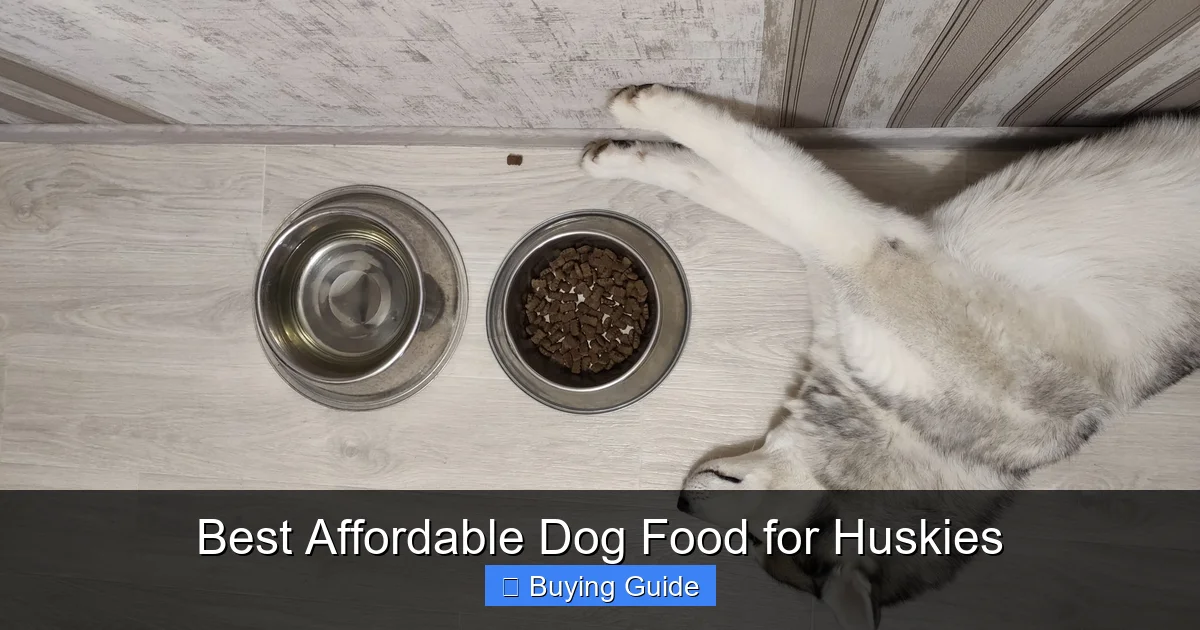
Finding the best affordable dog food for huskies doesn’t mean sacrificing quality. In 2026, top brands offer balanced nutrition with real meat, healthy fats, and digestible carbs—all at wallet-friendly prices. Whether your husky is a high-energy pup or a laid-back senior, there’s a budget-conscious option that meets their unique needs.
Key Takeaways
- Huskies need high-protein, moderate-fat diets: Look for formulas with 25–30% protein and 12–16% fat to fuel their active lifestyle and maintain a shiny coat.
- Affordable doesn’t mean low-quality: Many budget-friendly brands now use real meat as the first ingredient and avoid fillers like corn and soy.
- Digestive health matters: Choose foods with probiotics, prebiotics, and fiber to support your husky’s sensitive stomach and reduce gas.
- Omega-3 and Omega-6 fatty acids are essential: These support skin health and reduce shedding—key for huskies with thick double coats.
- Portion control prevents obesity: Even with affordable food, overfeeding can lead to weight gain. Follow feeding guidelines and adjust based on activity level.
- Transition gradually: Switching foods too fast can upset your husky’s stomach. Mix old and new food over 7–10 days.
- Check for AAFCO compliance: Ensure the food meets nutritional standards for your husky’s life stage (puppy, adult, or senior).
📑 Table of Contents
Why Huskies Need Specialized Nutrition
Huskies are not your average dog. Bred for endurance in harsh Arctic climates, these spirited pups have unique nutritional needs that go beyond just filling their bellies. Their high metabolism, thick double coat, and active lifestyle demand a diet rich in quality protein, healthy fats, and easily digestible carbohydrates. Unfortunately, many commercial dog foods—even some premium brands—fall short when it comes to meeting these specific requirements.
In 2026, the pet food industry has made significant strides in making nutritious options more accessible. But with so many choices on the shelf, it’s easy to get overwhelmed. The good news? You don’t need to spend a fortune to feed your husky well. The best affordable dog food for huskies balances cost, ingredient quality, and nutritional completeness. It’s about smart shopping—knowing what to look for and what to avoid.
Understanding Your Husky’s Dietary Needs
Huskies thrive on diets that mirror their ancestral eating patterns: high in animal protein, moderate in fat, and low in unnecessary fillers. Unlike some breeds that gain weight easily, huskies are naturally lean and energetic. They burn calories quickly, especially if they’re active or live in colder climates. This means they need a steady supply of energy from their food—but not in the form of empty carbs or artificial additives.
Protein should be the cornerstone of your husky’s diet. Look for foods where real meat—like chicken, turkey, lamb, or fish—is listed as the first ingredient. Avoid meals that lead with “meat by-products” or vague terms like “poultry meal” unless they’re clearly defined. A good rule of thumb: if you can’t pronounce it or don’t know what it is, it’s probably not ideal.
Fat is equally important. Huskies need healthy fats for energy and to maintain their luxurious coats. Omega-3 and Omega-6 fatty acids, often sourced from fish oil or flaxseed, help reduce inflammation, support skin health, and minimize excessive shedding. While huskies shed year-round (yes, even in summer!), a nutrient-rich diet can make a noticeable difference in the amount of fur you find on your furniture.
The Myth of “Expensive = Better”
One of the biggest misconceptions in dog ownership is that price equals quality. While some high-end brands do offer excellent formulations, many affordable options now rival—or even surpass—their pricier counterparts. In 2026, pet food manufacturers are under more pressure than ever to deliver transparency, sustainability, and value. This has led to a surge in budget-friendly brands that prioritize real ingredients and avoid artificial preservatives, colors, and flavors.
Take, for example, brands like **NutriSource Grain-Free** and **Taste of the Wild Pacific Stream**, which offer high-protein, limited-ingredient formulas at mid-range prices. These foods use real salmon or chicken as the primary protein source and include probiotics for digestive health—all without the premium price tag. Similarly, **Purina Pro Plan Sport** and **Royal Canin Medium Adult** have introduced more affordable lines that still meet AAFCO standards and include essential nutrients for active dogs.
The key is reading labels carefully. Just because a bag says “natural” or “premium” doesn’t mean it’s the best choice. Look beyond the marketing and focus on the ingredient list and guaranteed analysis. A food that costs $1.50 per pound but uses chicken meal, brown rice, and beet pulp as main ingredients may be a better value than a $3.00-per-pound option filled with corn, soy, and artificial additives.
Top Affordable Dog Food Brands for Huskies in 2026

Visual guide about Best Affordable Dog Food for Huskies
Image source: huskygifts.com
With so many options available, narrowing down the best affordable dog food for huskies can feel like finding a needle in a haystack. To help you make an informed decision, we’ve reviewed and ranked the top budget-friendly brands that deliver on nutrition, taste, and value. These picks are based on ingredient quality, customer reviews, vet recommendations, and AAFCO compliance.
1. NutriSource Grain-Free Chicken & Sweet Potato
NutriSource has quietly become a favorite among husky owners in 2026. This grain-free formula features real chicken as the first ingredient, followed by chicken meal for concentrated protein. Sweet potatoes provide a slow-burning carbohydrate source, ideal for sustained energy—perfect for huskies who love to run, hike, or play fetch for hours.
What sets NutriSource apart is its inclusion of **L-carnitine**, a compound that helps support lean muscle mass and healthy metabolism. It also contains **probiotics** to aid digestion, which is crucial for huskies prone to sensitive stomachs. At around $1.80 per pound, it’s one of the most cost-effective high-protein options on the market.
Owners report shinier coats, reduced shedding, and improved stool quality after switching to NutriSource. It’s also free from corn, wheat, and soy—common allergens that can trigger digestive issues in huskies.
2. Taste of the Wild Pacific Stream Grain-Free
If your husky loves fish, this is a top contender. Made with real smoked salmon, Pacific Stream offers a novel protein source that’s both tasty and nutritious. It’s rich in Omega-3 fatty acids, which support skin and coat health, and includes peas and sweet potatoes for energy.
At approximately $2.10 per pound, it’s slightly pricier than some competitors but still falls within the affordable range. The formula includes **dried chicory root** as a prebiotic, promoting healthy gut bacteria. It’s also free from artificial preservatives and uses natural antioxidants like vitamin E to keep the food fresh.
Many husky parents note that their dogs have more energy and less gas after switching to Taste of the Wild. The kibble size is also well-suited for medium to large breeds, making it easy for huskies to chew and digest.
3. Purina Pro Plan Sport 30/20
Don’t let the “sport” label fool you—this isn’t just for agility dogs. Purina Pro Plan Sport is designed for high-energy breeds like huskies, with a balanced 30% protein and 20% fat ratio. It uses real chicken as the primary ingredient and includes glucosamine for joint health—important for active dogs who love to jump, run, and explore.
Priced around $2.00 per pound, it’s a solid mid-range option that’s widely available in pet stores and online. The formula includes **live probiotics** to support digestive health and **antioxidants** for immune system support. It’s also fortified with vitamins and minerals to ensure complete nutrition.
One downside? It contains some corn and wheat gluten, which may not suit huskies with grain sensitivities. However, for most dogs, these ingredients are well-tolerated and provide additional protein and fiber.
4. American Journey Salmon & Sweet Potato Recipe
Sold exclusively at Chewy, American Journey offers excellent value for money. This grain-free formula features deboned salmon as the first ingredient, along with salmon meal for added protein. Sweet potatoes and peas provide complex carbs, while flaxseed and fish oil deliver essential fatty acids.
At just $1.60 per pound, it’s one of the most affordable high-quality options available. The food is free from artificial colors, flavors, and preservatives, and includes **chicken fat** as a natural source of energy and flavor. It also contains **dried fermentation products** to support gut health.
Husky owners love the palatability—many report that even picky eaters gobble it up. The kibble is also small and crunchy, which helps reduce plaque buildup and supports dental health.
5. Iams ProActive Health Adult Minichunks
For husky owners on a tight budget, Iams offers a reliable, vet-recommended option. While not grain-free, this formula uses real chicken as the first ingredient and includes whole grains like barley and sorghum for sustained energy. It’s priced at around $1.30 per pound, making it one of the most affordable choices on this list.
What makes Iams stand out is its **L-carnitine** content, which helps maintain lean muscle mass, and its inclusion of **prebiotic fiber** for digestive health. It’s also fortified with antioxidants like vitamin E and selenium to support the immune system.
While it contains some corn and soy, these ingredients are used in moderation and are generally well-tolerated by huskies without allergies. It’s a great entry-level option for new husky owners or those transitioning from puppy food.
What to Look for in Affordable Husky Dog Food
Choosing the right food for your husky isn’t just about price—it’s about value. The best affordable dog food for huskies delivers complete nutrition without cutting corners on ingredients. Here’s what to prioritize when shopping.
High-Quality Protein Sources
Protein should be the foundation of your husky’s diet. Look for foods where **real meat** (not by-products or meals) is listed first. Chicken, turkey, lamb, and fish are all excellent choices. Avoid formulas that rely heavily on plant-based proteins like pea protein or soy, as these are less bioavailable for dogs.
Meat meals (like chicken meal or salmon meal) are also acceptable—and often preferable—because they’re concentrated sources of protein. Just make sure they’re named (e.g., “chicken meal” not “meat meal”) and not overused.
Healthy Fats and Omega Fatty Acids
Fats provide energy and support skin and coat health. Look for ingredients like **fish oil**, **flaxseed**, **chicken fat**, or **canola oil**. These sources are rich in Omega-3 and Omega-6 fatty acids, which reduce inflammation and minimize shedding.
Avoid foods with excessive amounts of vegetable oils or unnamed fat sources. Trans fats and hydrogenated oils are a definite red flag.
Digestive Support
Huskies can be prone to gas, bloating, and sensitive stomachs. Foods with **probiotics**, **prebiotics**, and **fiber** (like beet pulp or pumpkin) help maintain a healthy gut microbiome. These ingredients promote regular digestion and reduce the risk of upset stomachs.
If your husky has a history of digestive issues, consider a limited-ingredient diet or a formula specifically designed for sensitive systems.
No Artificial Additives
Steer clear of foods with artificial colors, flavors, or preservatives like BHA, BHT, or ethoxyquin. These chemicals have been linked to health issues in dogs and offer no nutritional benefit. Instead, look for natural preservatives like **mixed tocopherols** (vitamin E) or **rosemary extract**.
AAFCO Statement
Always check the bag for an AAFCO (Association of American Feed Control Officials) statement. This ensures the food meets minimum nutritional requirements for your husky’s life stage. Look for phrases like “complete and balanced” or “formulated to meet the nutritional levels established by the AAFCO Dog Food Nutrient Profiles.”
How to Transition Your Husky to a New Food
Switching your husky to a new food—even a better one—requires patience. Sudden changes can lead to diarrhea, vomiting, or refusal to eat. The key is a gradual transition over 7 to 10 days.
Step-by-Step Transition Plan
- Days 1–2: Mix 25% new food with 75% old food.
- Days 3–4: Increase to 50% new food and 50% old food.
- Days 5–6: Use 75% new food and 25% old food.
- Day 7+: Serve 100% new food.
Monitor your husky’s stool, energy levels, and appetite during the transition. If you notice signs of digestive upset—like loose stools or lethargy—slow down the process and give their system more time to adjust.
Tips for Picky Eaters
Some huskies are notoriously picky. If your dog turns up their nose at the new food, try these tricks:
- Warm the food slightly to enhance aroma.
- Mix in a small amount of low-sodium chicken broth or plain cooked chicken.
- Feed at the same time each day to establish a routine.
- Avoid free-feeding—offer meals and remove uneaten food after 15–20 minutes.
Consistency is key. Most huskies will adapt within a week or two, especially if the new food is more palatable or nutrient-dense.
Common Mistakes to Avoid
Even with the best intentions, husky owners can make feeding mistakes that impact their dog’s health. Here are the most common pitfalls—and how to avoid them.
Overfeeding
Huskies are prone to overeating, especially if they’re bored or under-exercised. Always follow the feeding guidelines on the bag, but adjust based on your dog’s activity level, age, and metabolism. A husky that runs 5 miles a day will need more food than one that lounges on the couch.
Use a measuring cup—not a scoop or your hand—to ensure accuracy. Obesity can lead to joint problems, diabetes, and reduced lifespan.
Ignoring Food Allergies
Some huskies develop food sensitivities over time. Common signs include itchy skin, ear infections, chronic gas, or diarrhea. If you suspect an allergy, consider a limited-ingredient diet or an elimination trial under your vet’s guidance.
Common allergens include chicken, beef, dairy, wheat, and soy. Rotating proteins every few months can also help reduce the risk of developing sensitivities.
Skipping Regular Vet Checkups
No matter how great the food is, regular vet visits are essential. Your veterinarian can assess your husky’s weight, coat condition, and overall health—and recommend dietary adjustments if needed. Bloodwork can also reveal nutrient deficiencies or imbalances that aren’t obvious from outward appearance.
Final Thoughts: Feeding Your Husky Well on a Budget
Feeding your husky doesn’t have to drain your wallet. In 2026, the best affordable dog food for huskies offers a perfect blend of quality, nutrition, and value. By focusing on real meat, healthy fats, digestive support, and AAFCO compliance, you can keep your furry friend healthy, happy, and full of energy—without overspending.
Remember, every husky is unique. What works for one may not work for another. Pay attention to your dog’s coat, energy levels, stool quality, and overall demeanor. These are the best indicators of whether their diet is working.
With the right food and a little patience, you’ll have a thriving husky who’s ready for every adventure—whether it’s a snowy hike or a lazy Sunday on the couch.
Frequently Asked Questions
What is the best affordable dog food for huskies with sensitive stomachs?
Look for limited-ingredient formulas with probiotics and easily digestible proteins like salmon or lamb. Brands like NutriSource and American Journey offer gentle options that reduce gas and diarrhea.
Can I feed my husky a grain-free diet?
Yes, many huskies thrive on grain-free diets, especially if they have grain sensitivities. However, ensure the food still contains digestible carbs like sweet potatoes or peas for energy.
How much should I feed my husky per day?
Most adult huskies need 1.5 to 2.5 cups of high-quality food daily, split into two meals. Adjust based on weight, age, and activity level—always follow the feeding guide on the bag.
Is wet food better than dry food for huskies?
Wet food can be beneficial for hydration and picky eaters, but dry kibble is more convenient and helps maintain dental health. Many owners use a mix of both for balance.
How often should I switch my husky’s food?
There’s no need to switch frequently unless advised by your vet. However, rotating proteins every 6–12 months can reduce the risk of food sensitivities and keep meals interesting.
Are store-brand dog foods safe for huskies?
Some store brands, like Walmart’s Pure Balance or Target’s Boots & Barkley, offer surprisingly good formulations. Always check the ingredient list and AAFCO statement to ensure quality.