

Finding the best affordable dog food for pitbull puppies doesn’t mean sacrificing quality. In 2026, top brands offer balanced nutrition at wallet-friendly prices, supporting muscle development, healthy joints, and shiny coats. With the right formula, your growing pitbull gets everything they need—without breaking the bank.
Key Takeaways
- High protein is essential: Pitbull puppies need 22–32% protein to support rapid muscle growth and energy needs.
- Look for real meat as the first ingredient: Chicken, turkey, or beef should lead the ingredient list for optimal nutrition.
- Affordable doesn’t mean low quality: Brands like Purina, Iams, and Nutro offer vet-recommended formulas under $2 per pound.
- Omega fatty acids boost coat and brain health: DHA and EPA from fish oil help with cognitive development and skin health.
- Avoid fillers and artificial additives: Steer clear of corn syrup, BHA, and unnamed meat meals.
- Portion control prevents obesity: Overfeeding can lead to joint stress—follow feeding guidelines based on weight and age.
- Transition gradually: Switch foods over 7–10 days to avoid digestive upset.
📑 Table of Contents
Why Pitbull Puppies Need Special Nutrition
Pitbull puppies are bundles of energy, curiosity, and rapid growth. Unlike some smaller breeds, pitbulls grow quickly—both in size and muscle mass—during their first year. This explosive development means their nutritional needs are higher than average. They require more protein, healthy fats, and key vitamins to support strong bones, a robust immune system, and a shiny, healthy coat.
But here’s the good news: you don’t need to spend a fortune to meet these needs. In 2026, the pet food market has evolved to offer high-quality, science-backed formulas at surprisingly affordable prices. The key is knowing what to look for. With so many options flooding the market—some great, some not so much—it’s easy to feel overwhelmed. That’s why we’ve done the research for you. This guide will walk you through everything you need to know about choosing the best affordable dog food for pitbull puppies, so your furry friend gets the nutrition they deserve without draining your wallet.
What Makes a Dog Food “Affordable” Yet High-Quality?
When we talk about “affordable” dog food, we’re not referring to the cheapest bag on the shelf. True affordability means getting the best value for your money—nutrient-dense food that supports your puppy’s health without unnecessary additives or fillers. In 2026, many budget-friendly brands have stepped up their game, using real meat, whole grains, and natural preservatives.
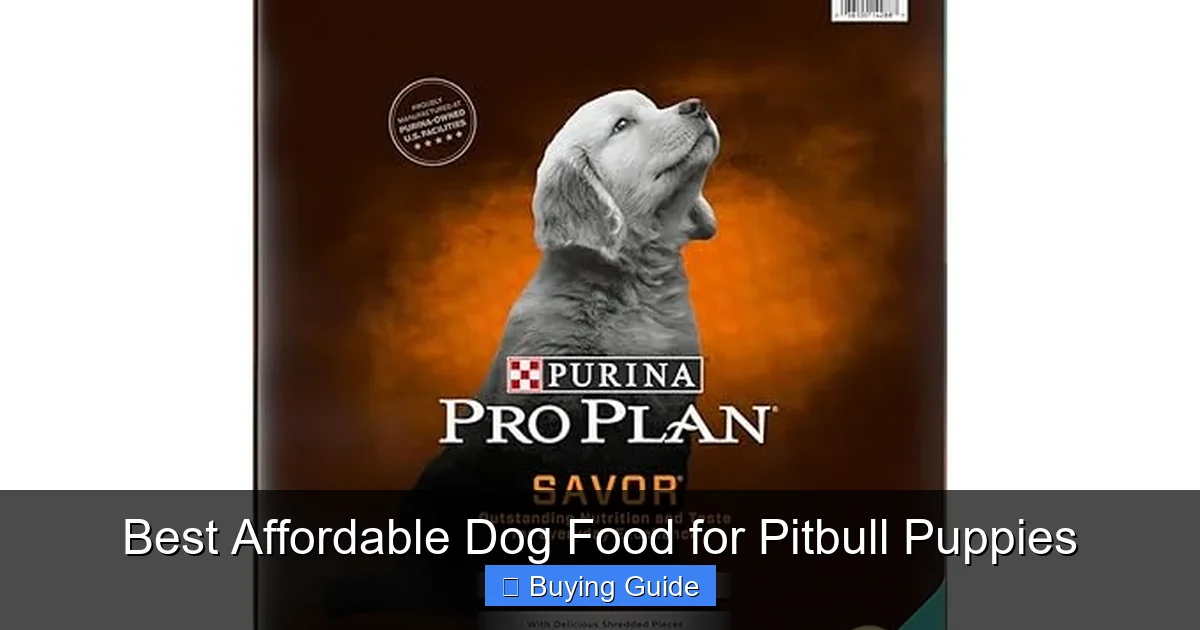
Visual guide about Best Affordable Dog Food for Pitbull Puppies
Image source: images-na.ssl-images-amazon.com
Understanding Price vs. Value
It’s tempting to grab the lowest-priced option, but that can backfire. Cheap dog food often contains low-quality proteins, excessive fillers like corn and soy, and artificial colors or flavors. These ingredients may save you a few dollars upfront but can lead to health issues down the line—like allergies, digestive problems, or obesity. On the other hand, premium brands can cost $3 or more per pound, which adds up quickly for a growing puppy eating 2–4 cups a day.
The sweet spot? Look for brands that balance cost and quality. Many mid-range options now offer formulas with real chicken or lamb as the first ingredient, no artificial preservatives, and added DHA for brain development—all for under $2 per pound. For example, Purina Puppy Chow Large Breed and Iams ProActive Health Smart Puppy are both widely available, vet-recommended, and priced around $1.50–$1.80 per pound.
Ingredients That Matter Most
When scanning the label, focus on the first five ingredients. These make up the majority of the food. For pitbull puppies, you want:
- Real animal protein: Chicken, turkey, beef, or lamb should be listed first.
- Healthy fats: Look for sources like chicken fat or fish oil, which provide omega-3 and omega-6 fatty acids.
- Whole grains or digestible carbs: Brown rice, oats, or barley offer energy and fiber.
- No artificial additives: Avoid BHA, BHT, ethoxyquin, and artificial colors like Red 40.
- Added DHA: This omega-3 fatty acid supports brain and vision development.
For instance, Nutro Wholesome Essentials Puppy Chicken & Brown Rice Recipe lists deboned chicken first, includes chicken meal for concentrated protein, and adds DHA from fish oil—all for about $1.75 per pound. That’s a win for both your puppy and your budget.
Top Affordable Dog Foods for Pitbull Puppies in 2026
After analyzing ingredient lists, customer reviews, and veterinary recommendations, we’ve narrowed down the best affordable options for pitbull puppies in 2026. These brands deliver high-quality nutrition without the premium price tag.
1. Purina Puppy Chow Large Breed
This long-standing favorite has been reformulated in recent years to meet modern nutritional standards. It’s specially designed for large-breed puppies like pitbulls, with controlled calcium levels to support healthy bone growth. The formula includes real chicken, DHA for brain development, and a blend of antioxidants for immune support.
At around $1.50 per pound, it’s one of the most budget-friendly options that still checks all the boxes. Plus, it’s widely available at pet stores, supermarkets, and online retailers like Chewy and Amazon. Many owners report that their pitbull puppies love the taste and show improved energy and coat shine within weeks.
2. Iams ProActive Health Smart Puppy
Iams has been a trusted name in pet nutrition for decades, and their Smart Puppy formula is a standout for affordability and quality. It features real chicken as the first ingredient, along with beet pulp for healthy digestion and prebiotic fiber to support gut health.
What sets this food apart is its focus on joint health—important for active breeds like pitbulls. It includes glucosamine and chondroitin, which help maintain cartilage and reduce the risk of hip dysplasia later in life. Priced at approximately $1.60 per pound, it’s a smart investment in your puppy’s long-term mobility.
3. Nutro Wholesome Essentials Puppy Chicken & Brown Rice
Nutro has built a reputation for using non-GMO ingredients and avoiding artificial additives. This puppy formula features farm-raised chicken, whole brown rice, and a blend of vegetables like carrots and spinach. It’s free from corn, wheat, and soy—common allergens that can cause digestive issues in sensitive puppies.
While slightly pricier at about $1.75 per pound, many owners feel the quality justifies the cost. The kibble is small and easy for puppies to chew, and the inclusion of DHA supports cognitive development. Nutro also offers a money-back guarantee, so you can try it risk-free.
4. Blue Buffalo Life Protection Puppy
Blue Buffalo is known for its “LifeSource Bits”—a blend of antioxidants, vitamins, and minerals cold-formed to preserve nutrients. The puppy formula includes real deboned chicken, brown rice, and oatmeal, along with DHA and ARA for brain and eye health.
At around $1.85 per pound, it’s on the higher end of “affordable,” but still far below premium brands. Many pitbull owners praise its ability to reduce shedding and improve stool quality. Just be sure to check the label—some Blue Buffalo varieties contain peas or lentils, which can be problematic for dogs with certain heart conditions (though rare in puppies).
5. Rachael Ray Nutrish Puppy Recipe
Celebrity chef Rachael Ray brings her passion for natural ingredients to pet food with this grain-inclusive formula. It features U.S.-sourced chicken, chicken meal, and brown rice, with no artificial flavors or preservatives. The recipe also includes cranberries for urinary health and flaxseed for omega-3s.
Priced at about $1.70 per pound, it’s a solid middle-ground option. The kibble is small and crunchy, which helps reduce plaque buildup—a bonus for dental health. Owners often note that their puppies have fewer digestive issues after switching to Nutrish.
How to Transition Your Pitbull Puppy to New Food
Switching your puppy’s food too quickly can lead to upset stomach, diarrhea, or refusal to eat. Even the best affordable dog food for pitbull puppies won’t do any good if your pup won’t eat it. That’s why a gradual transition is essential.
Step-by-Step Transition Plan
Over 7–10 days, slowly increase the amount of new food while decreasing the old food. Here’s a simple schedule:
- Days 1–2: 25% new food, 75% old food
- Days 3–4: 50% new food, 50% old food
- Days 5–6: 75% new food, 25% old food
- Day 7+: 100% new food
Monitor your puppy closely during this time. Look for signs of digestive upset, such as loose stools, vomiting, or lethargy. If symptoms persist beyond a day or two, consult your vet—it could indicate a food sensitivity or allergy.
Tips for Picky Eaters
Some pitbull puppies are naturally picky. If your pup turns up their nose at the new food, try these tricks:
- Warm it up: Add a tablespoon of warm water or low-sodium chicken broth to soften the kibble and enhance the aroma.
- Mix in wet food: A spoonful of high-quality wet puppy food can make dry kibble more appealing.
- Stick to a routine: Feed at the same times each day and remove uneaten food after 15–20 minutes to encourage eating.
- Avoid table scraps: Human food can spoil their appetite and lead to bad habits.
Remember, consistency is key. It may take a few tries, but most puppies will adjust to their new diet within a week.
Feeding Guidelines for Pitbull Puppies
Proper portioning is just as important as choosing the right food. Overfeeding can lead to rapid growth, which puts stress on developing joints and increases the risk of hip dysplasia. Underfeeding, on the other hand, can result in malnutrition and low energy.
How Much to Feed
Pitbull puppies typically need 3–4 meals per day until they’re about 6 months old, then transition to 2 meals per day. The exact amount depends on their age, weight, and activity level. Most puppy foods include a feeding chart on the packaging, but here’s a general guideline:
- 8–12 weeks: 1/2 to 1 cup per day, divided into 3–4 meals
- 3–6 months: 1 to 2 cups per day, divided into 3 meals
- 6–12 months: 2 to 3 cups per day, divided into 2 meals
For example, a 4-month-old pitbull weighing 25 pounds might eat 1.5 cups of Purina Puppy Chow Large Breed per day. Always adjust based on your puppy’s body condition—you should be able to feel their ribs but not see them.
Signs of Proper Nutrition
A well-fed pitbull puppy will have:
- Bright, clear eyes
- A shiny, soft coat
- Healthy, firm stools
- High energy and playfulness
- Steady weight gain without rapid spikes
If your puppy seems lethargic, has dull fur, or experiences frequent digestive issues, it may be time to reassess their diet—even if it’s one of the best affordable dog food for pitbull puppies on the market.
Common Mistakes to Avoid
Even with the best intentions, many puppy owners make feeding mistakes that can impact their pitbull’s health. Here are the most common pitfalls—and how to avoid them.
1. Overfeeding “Because They’re Growing”
It’s tempting to give your puppy extra food, especially when they’re growing so fast. But excess calories can lead to obesity, which strains joints and increases the risk of diabetes and heart disease. Stick to the recommended portions and adjust only under veterinary guidance.
2. Feeding Adult Dog Food Too Soon
Puppy food is specially formulated with higher protein, fat, and calories to support growth. Switching to adult food before 12–18 months (depending on size) can deprive your pitbull of essential nutrients. Wait until your vet confirms it’s time to transition.
3. Ignoring the “Large Breed” Label
Pitbulls are considered large-breed dogs, and their food should reflect that. Large-breed puppy formulas have controlled levels of calcium and phosphorus to prevent rapid bone growth, which can lead to skeletal problems. Avoid regular puppy food unless it’s labeled for all life stages or large breeds.
4. Not Reading the Ingredient List
Marketing claims like “natural” or “premium” don’t always mean high quality. Always check the ingredient list. If you see vague terms like “meat meal” or “animal by-products,” it’s a red flag. Stick to brands that list specific meat sources.
5. Skipping Regular Vet Checkups
Even the best affordable dog food for pitbull puppies can’t replace professional guidance. Regular vet visits ensure your puppy is growing properly and help catch any health issues early. Your vet can also recommend specific diets if your puppy has allergies or sensitivities.
Conclusion
Raising a pitbull puppy is a joyful, rewarding experience—and feeding them well doesn’t have to be complicated or expensive. In 2026, there are more high-quality, affordable options than ever before. Brands like Purina, Iams, Nutro, Blue Buffalo, and Rachael Ray offer nutritious formulas that support muscle growth, brain development, and overall health—all without breaking the bank.
The key is to focus on real ingredients, proper portioning, and a gradual transition. Avoid fillers, artificial additives, and overfeeding. And remember, every puppy is unique. What works for one may not work for another, so stay observant and consult your vet if you have concerns.
With the right food, plenty of love, and consistent care, your pitbull puppy will grow into a strong, healthy, and happy companion. Start with one of the top affordable options we’ve highlighted, and you’ll be setting the foundation for a lifetime of vitality.
Frequently Asked Questions
What is the best affordable dog food for pitbull puppies in 2026?
The best affordable dog food for pitbull puppies includes Purina Puppy Chow Large Breed, Iams ProActive Health Smart Puppy, and Nutro Wholesome Essentials. These brands offer high protein, real meat, and essential nutrients at prices under $2 per pound.
How much should I feed my pitbull puppy?
Feed your pitbull puppy 3–4 meals per day until 6 months old, then 2 meals daily. Amounts vary by age and weight—typically 1/2 to 3 cups per day. Always follow the feeding chart on the package and adjust based on your puppy’s body condition.
Can I feed my pitbull puppy adult dog food?
No, avoid adult dog food until your pitbull is at least 12–18 months old. Puppy food has higher protein, fat, and calories needed for growth. Adult food lacks these nutrients and can stunt development.
Is grain-free food better for pitbull puppies?
Not necessarily. Grain-free diets are only beneficial if your puppy has a grain allergy. Most pitbulls do well on grain-inclusive foods with whole grains like brown rice or oats, which provide energy and fiber.
How do I know if my puppy’s food is causing allergies?
Signs of food allergies include itchy skin, ear infections, diarrhea, or vomiting. If symptoms appear after switching food, consult your vet. They may recommend an elimination diet to identify the allergen.
Can I mix wet and dry food for my pitbull puppy?
Yes, mixing wet and dry food can improve palatability and hydration. Just adjust portions to avoid overfeeding. Use high-quality wet food with real meat and no artificial additives.