

Feeding your dog alkaline foods can help maintain a healthy pH balance, reduce inflammation, and support long-term wellness. This guide highlights the top alkaline options safe for dogs in 2026, from leafy greens to hydrating fruits, with practical tips for safe integration.
Key Takeaways
- Alkaline diets may reduce inflammation: A balanced pH in your dog’s body can help minimize chronic inflammation linked to arthritis and digestive issues.
- Not all “healthy” human foods are safe: While many alkaline foods benefit dogs, some like onions and grapes are toxic and must be avoided.
- Leafy greens are alkaline powerhouses: Kale, spinach, and Swiss chard offer vitamins, minerals, and alkalizing properties when served properly.
- Hydration supports alkalinity: Fresh water and water-rich foods like cucumber help flush acids and maintain balance.
- Introduce new foods gradually: Sudden dietary changes can upset your dog’s stomach—start with small portions and monitor reactions.
- Consult your vet before major diet shifts: Especially for dogs with kidney disease or other health conditions, professional guidance is essential.
- Commercial alkaline dog foods are emerging: In 2026, several brands offer pH-balanced kibble and treats formulated with alkaline ingredients.
📑 Table of Contents
- Why Alkaline Foods Matter for Dogs in 2026
- Understanding pH Balance in Dogs
- Top Alkaline Foods Safe for Dogs
- Foods to Avoid: The Acidic Culprits
- How to Safely Introduce Alkaline Foods
- Commercial Alkaline Dog Foods in 2026
- Homemade Alkaline Dog Meal Ideas
- Conclusion: A Balanced Approach to Alkaline Feeding
Why Alkaline Foods Matter for Dogs in 2026
If you’ve been scrolling through pet wellness blogs or chatting with fellow dog parents at the park, you’ve probably heard the term “alkaline diet” popping up more often. While it’s been a buzzword in human nutrition for years, it’s now gaining serious traction in the canine world—especially as we head into 2026. Pet owners are becoming more proactive about preventive care, and diet is at the heart of that shift.
But what does “alkaline” really mean for your dog? Simply put, it refers to foods that help maintain a slightly alkaline pH in the body, which many experts believe supports optimal cellular function. While dogs naturally have a more acidic digestive system than humans (which helps them break down raw meat), chronic acidity from processed diets, stress, or environmental toxins may contribute to inflammation, joint pain, and even weakened immunity. Feeding your dog alkaline foods doesn’t mean overhauling their entire diet overnight—it’s about balance, variety, and making smarter choices.
Think of it like tuning a musical instrument. Your dog’s body runs best when everything is in harmony. Alkaline foods act like gentle tuning forks, helping to neutralize excess acid and support systems like digestion, skin health, and energy levels. And the good news? Many of these foods are already in your kitchen. From crisp cucumbers to vibrant leafy greens, incorporating alkaline options into your dog’s meals is easier—and tastier—than you might think.
Understanding pH Balance in Dogs
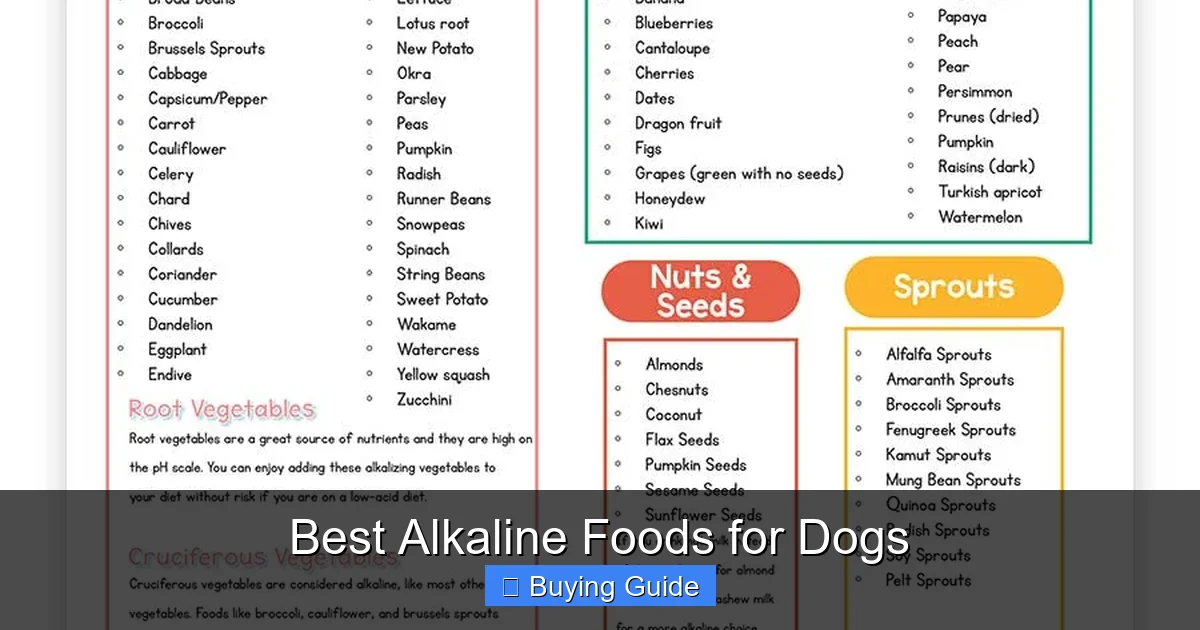
Visual guide about Best Alkaline Foods for Dogs
Image source: mybigfatgrainfreelife.com
Before diving into the best alkaline foods, it’s important to understand what pH balance actually means for your dog. The pH scale ranges from 0 to 14, with 7 being neutral. Anything below 7 is acidic, and above 7 is alkaline. A dog’s blood pH typically hovers between 7.35 and 7.45—slightly alkaline—which is crucial for enzyme activity, oxygen transport, and overall metabolic function.
However, this doesn’t mean your dog should eat only alkaline foods. In fact, dogs are omnivorous carnivores, meaning they thrive on a mix of animal proteins and plant-based nutrients. Their stomachs are designed to handle acidic environments (with a pH as low as 1–2 after eating), which helps kill harmful bacteria in raw meat. The key isn’t to make their entire diet alkaline, but to support their body’s natural ability to regulate pH by reducing acid-forming foods and adding alkalizing ones.
So, what makes a food “alkaline”? It’s not about the food’s own pH, but how it affects the body after digestion. For example, lemons are acidic in taste but have an alkalizing effect once metabolized. Similarly, many vegetables and fruits leave behind alkaline ash in the body, helping to buffer acids. On the flip side, processed kibble, grains, and high-sugar treats tend to be acid-forming, especially when consumed in large amounts.
In 2026, veterinarians and pet nutritionists are increasingly recognizing the role of diet in managing chronic conditions like arthritis, kidney disease, and skin allergies—all of which can be influenced by systemic acidity. While an alkaline diet isn’t a cure-all, it’s a powerful tool in promoting long-term health. The goal is balance: enough protein to support muscle and energy, but also enough plant-based alkaline foods to keep inflammation in check.
Top Alkaline Foods Safe for Dogs
Now for the fun part—discovering which alkaline foods your dog can safely enjoy. The best options are fresh, whole, and minimally processed. Always wash produce thoroughly and remove any seeds, pits, or toxic parts before serving. And remember: moderation is key. Even healthy foods can cause digestive upset if introduced too quickly or given in large quantities.
Leafy Green Vegetables
Leafy greens are some of the most alkalizing foods you can offer your dog. They’re packed with chlorophyll, magnesium, and antioxidants—all of which support detoxification and pH balance. Top choices include:
– Kale: Rich in vitamins A, C, and K, kale is a superfood for dogs. Steam or lightly blanch it to improve digestibility, and serve in small, bite-sized pieces. Avoid feeding large amounts raw, as it contains goitrogens that can affect thyroid function over time.
– Spinach: Another nutrient-dense green, spinach offers iron and folate. However, it’s high in oxalates, which can contribute to kidney stones in susceptible dogs. Offer it occasionally and in moderation.
– Swiss Chard: Mild in flavor and high in potassium and vitamin E, Swiss chard is a great alkaline addition. Remove the tough stems and chop the leaves finely.
– Romaine Lettuce: Crisp and hydrating, romaine is low in calories and easy to digest. It’s a great option for dogs who enjoy crunchy snacks.
Serve these greens as toppings on kibble, mixed into homemade meals, or blended into smoothies (dog-safe, of course!). A tablespoon per 10 pounds of body weight is a good starting point.
Cruciferous Vegetables
Broccoli, cauliflower, and Brussels sprouts are not only alkaline but also rich in fiber and sulforaphane, a compound with anti-inflammatory properties.
– Broccoli: Steam or lightly cook broccoli florets to make them easier to digest. Avoid the stems, which can be tough. Broccoli is safe in small amounts—too much can cause gas.
– Cauliflower: A low-calorie, high-fiber option that’s great for overweight dogs. Mash or puree it for easier eating.
– Brussels Sprouts: These mini cabbages are packed with vitamins and minerals. Chop them small and cook thoroughly to prevent digestive upset.
These veggies work well as mix-ins or training treats. Just remember: cruciferous vegetables can cause gas in some dogs, so introduce them slowly.
Hydrating Fruits and Vegetables
Water-rich foods help flush out toxins and support kidney function—both essential for maintaining pH balance.
– Cucumber: Almost entirely water, cucumbers are refreshing, low in calories, and naturally alkaline. Slice them into rounds or sticks for a crunchy snack.
– Zucchini: Mild and versatile, zucchini can be grated, steamed, or spiralized. It’s rich in vitamin C and potassium.
– Green Beans: Whether fresh or frozen (unsalted), green beans are a great source of fiber and manganese. Serve them whole or chopped.
– Apples (without seeds): Apples are slightly alkaline and full of fiber and vitamin C. Remove the core and seeds, which contain trace amounts of cyanide, and slice into small pieces.
These foods are perfect for hot summer days or as low-calorie alternatives to commercial treats.
Herbs and Spices
Certain herbs not only add flavor but also have alkalizing and healing properties.
– Parsley: Fresh parsley is rich in chlorophyll and vitamin K. It can help freshen breath and support liver health. Use it sparingly as a garnish.
– Cilantro: Known for its detoxifying effects, cilantro may help remove heavy metals from the body. Some dogs love the taste—others not so much. Offer a small amount to test preference.
– Turmeric: While not a food per se, turmeric is a powerhouse spice with strong anti-inflammatory effects. When combined with black pepper and a healthy fat (like coconut oil), it becomes highly bioavailable. Use a pinch per 10 pounds of body weight.
Always use herbs in moderation and avoid dried versions with added salt or preservatives.
Foods to Avoid: The Acidic Culprits
Just as important as knowing what to feed your dog is knowing what to avoid. Many common dog foods and treats are highly acid-forming, which can disrupt pH balance over time. In 2026, with more pet owners seeking natural alternatives, it’s crucial to be aware of these hidden culprits.
Processed Kibble and Fillers
Most commercial dry dog foods are made with grains, corn, soy, and artificial additives—all of which are acid-forming. While not all kibble is bad, many brands rely on low-quality ingredients that can contribute to inflammation and digestive issues. Look for kibble with whole meats as the first ingredient and minimal fillers. Better yet, consider rotating in fresh, alkaline foods to balance out the acidity.
Sugary Treats and Table Scraps
Sugar is one of the most acid-forming substances you can give your dog. It feeds harmful bacteria in the gut, weakens the immune system, and can lead to obesity and dental problems. Avoid giving your dog sweets, baked goods, or sugary human foods—even if they seem harmless. Instead, opt for fruit-based treats like apple slices or blueberries (in moderation).
Toxic Alkaline-Looking Foods
Some foods that appear healthy or alkaline are actually dangerous for dogs. Never feed your dog:
– Onions and Garlic: These can cause anemia by damaging red blood cells, even in small amounts.
– Grapes and Raisins: Highly toxic and can lead to kidney failure.
– Avocado: Contains persin, which can be harmful to dogs.
– Macadamia Nuts: Can cause weakness, vomiting, and tremors.
Always double-check before introducing a new food, even if it’s considered healthy for humans.
How to Safely Introduce Alkaline Foods
Switching your dog to a more alkaline diet doesn’t have to be stressful—for you or your pup. The key is gradual introduction and close observation. Here’s a simple step-by-step guide to get started in 2026:
Start Small
Begin with one new alkaline food at a time. Offer a tiny portion—about a teaspoon for small dogs, a tablespoon for larger breeds—and monitor for any signs of digestive upset, such as diarrhea, vomiting, or gas. Wait 24–48 hours before introducing another new food. This helps you identify any sensitivities or allergies.
Mix with Current Food
Blend the new alkaline food into your dog’s regular meals. For example, chop up some steamed broccoli and mix it into their kibble, or blend spinach into a homemade meat patty. This makes the transition smoother and more appealing.
Watch for Reactions
Every dog is different. Some may thrive on a variety of vegetables, while others may have sensitive stomachs. If your dog shows signs of discomfort, stop the new food and consult your vet. It’s also important to note that dogs with certain health conditions—like kidney disease—may need to limit certain minerals found in alkaline foods (e.g., potassium). Always get professional advice before making major changes.
Rotate for Variety
Just like humans, dogs benefit from a diverse diet. Rotate alkaline foods weekly to ensure a broad range of nutrients. One week, focus on leafy greens; the next, try zucchini and cucumber. This prevents boredom and reduces the risk of nutrient imbalances.
Use Fresh, High-Quality Ingredients
Whenever possible, choose organic produce to minimize pesticide exposure. Wash all fruits and vegetables thoroughly, even if they’re labeled “pre-washed.” Fresh is best, but frozen options (without added salt or sauces) are also acceptable.
Commercial Alkaline Dog Foods in 2026
As demand for pH-balanced nutrition grows, the pet food industry has responded with innovative products designed to support alkaline health. In 2026, several brands now offer alkaline-focused dog foods, including:
– AlkaPaw Balance: A cold-pressed kibble made with alkaline vegetables like kale, cucumber, and parsley, plus lean proteins like turkey and duck.
– VitalVet Alkaline Blend: A freeze-dried raw mix featuring spinach, broccoli, and turmeric, designed to be rehydrated and served as a topper or complete meal.
– GreenPup Superfood Patties: Homestyle patties combining grass-fed beef with alkaline greens and herbs, available in frozen or dehydrated formats.
These products are formulated with input from veterinary nutritionists and often include probiotics and omega-3s for added support. While they can be a convenient option, they’re typically more expensive than standard kibble. If budget is a concern, you can achieve similar results by making your own alkaline meals at home.
When choosing a commercial alkaline food, read the ingredient list carefully. Avoid products with artificial preservatives, fillers, or excessive carbohydrates. Look for whole-food ingredients and transparent sourcing.
Homemade Alkaline Dog Meal Ideas
If you’re feeling inspired to cook for your dog, here are a few simple, vet-approved alkaline meal ideas perfect for 2026:
Green Power Bowl
– 1 cup cooked lean ground turkey
– ½ cup steamed kale, chopped
– ¼ cup grated zucchini
– 1 tablespoon cooked quinoa
– 1 teaspoon coconut oil
– Pinch of turmeric (optional)
Mix all ingredients and serve at room temperature. This meal is rich in protein, fiber, and alkaline minerals.
Cucumber & Chicken Bites
– 1 cup cooked, shredded chicken breast
– ½ cup finely chopped cucumber
– 2 tablespoons mashed sweet potato (alkaline and soothing for the gut)
– 1 teaspoon fresh parsley, chopped
Form into small balls and refrigerate. Serve as a refreshing snack or meal topper.
Broccoli & Beef Smoothie
– ½ cup cooked ground beef
– ¼ cup steamed broccoli florets
– ½ cup low-sodium bone broth
– 1 tablespoon plain pumpkin puree (for digestion)
Blend until smooth. Serve in a bowl or use as a stuffing for interactive toys.
Always adjust portion sizes based on your dog’s weight and activity level. And remember: these meals should complement, not replace, a balanced diet unless advised by a vet.
Conclusion: A Balanced Approach to Alkaline Feeding
Feeding your dog alkaline foods isn’t about chasing a trend—it’s about making thoughtful, science-backed choices that support their long-term health. In 2026, with more research and pet food innovation than ever, we have the tools to create diets that truly nourish our dogs from the inside out.
The best alkaline foods for dogs are fresh, whole, and varied. Leafy greens, hydrating vegetables, and healing herbs can all play a role in maintaining pH balance, reducing inflammation, and boosting vitality. But balance is key. Dogs still need high-quality protein, healthy fats, and essential nutrients—alkaline foods are a supplement, not a substitute.
Start small, stay consistent, and always prioritize your dog’s individual needs. Whether you’re mixing kale into kibble or trying a new alkaline kibble brand, every positive change adds up. And most importantly, enjoy the journey of discovering what makes your dog feel their best. After all, a healthy, happy dog is the ultimate reward.
Frequently Asked Questions
Can dogs eat alkaline foods every day?
Yes, many alkaline foods like cucumber, zucchini, and leafy greens can be fed daily in moderation. However, variety is important to ensure balanced nutrition and prevent overexposure to certain compounds like oxalates.
Are alkaline diets safe for puppies?
Puppies have different nutritional needs than adult dogs, so consult your vet before introducing alkaline foods. Focus on high-quality puppy food first, and add small amounts of safe vegetables only after 6 months of age.
Will alkaline foods cure my dog’s allergies?
While alkaline foods may help reduce inflammation and support immune health, they are not a cure for allergies. Work with your vet to identify triggers and develop a comprehensive treatment plan.
Can I feed my dog lemon or lime for alkalinity?
No. Citrus fruits are too acidic for dogs and can cause stomach upset or even toxicity. Stick to dog-safe alkaline options like cucumber and leafy greens.
How much alkaline food should I give my dog?
As a general rule, vegetables should make up no more than 10–20% of your dog’s daily diet. Start with a teaspoon per 10 pounds of body weight and adjust based on tolerance.
Are there alkaline dog treats available in 2026?
Yes! Brands like GreenPup and AlkaPaw now offer alkaline-focused treats made with ingredients like parsley, turmeric, and cucumber. Check labels to ensure they’re free from harmful additives.